
Review · FARMS
Alpaca and Llama Farm Tour
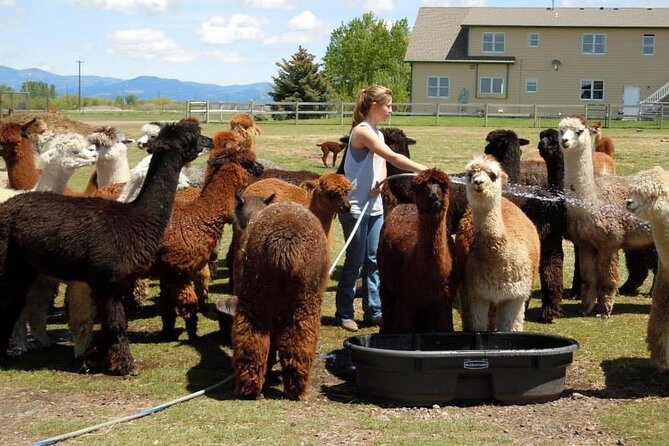
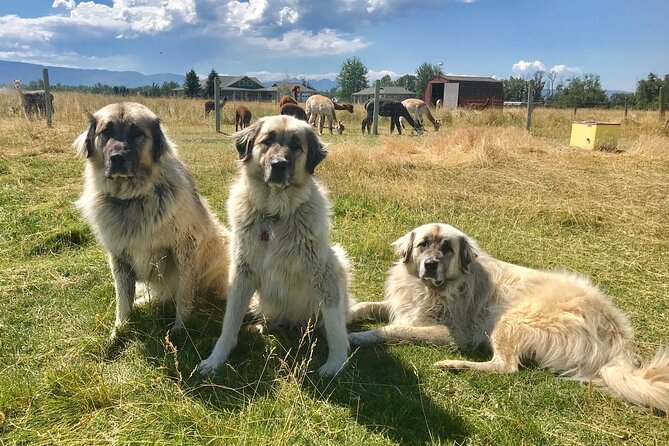
Alpacas make Bozeman feel instantly gentler. This hands-on farm tour is built around real camelid care, where you get to feed and bathe alpacas and llamas and also meet the Turkish Anatolian Guard Dogs like Chili, Hazel, and Finn. It is a relaxed, outdoorsy hour-and-a-half that turns sightseeing into something tactile and memorable.
One practical drawback: it is outdoors the whole time, with no public restroom on site. Bring water and sunscreen, wear closed-toe shoes that can get dirty, and plan ahead so you can stay focused on the fun.
In This Review
- Key Highlights You Will Actually Feel
- A Working Farm in Bozeman, Not a Stuffed Zoo
- Meet the Herd, Then the Turkish Anatolian Guard Dogs
- Feeding, Bathing, and Walking Camelids Like You Mean It
- The Stop 1 Flow: Photos, Extras, and a Small Souvenir
- What to Wear, Bring, and Watch for (No Restroom Included)
- Mobility, Breaks, and the Relaxed Pace
- Timing in Bozeman: Morning or Afternoon and Weather Reality
- Value for Your Time in Bozeman (and Why It Feels Worth It)
- Should You Book This Alpaca and Llama Farm Tour?
- FAQ
- How long is the Alpaca and Llama Farm Tour?
- Are there different tour times during the day?
- Where is the tour meeting point?
- Is there a public restroom on site?
- What should I wear or bring?
- Is this tour suitable for children?
- What is the group size limit?
Key Highlights You Will Actually Feel
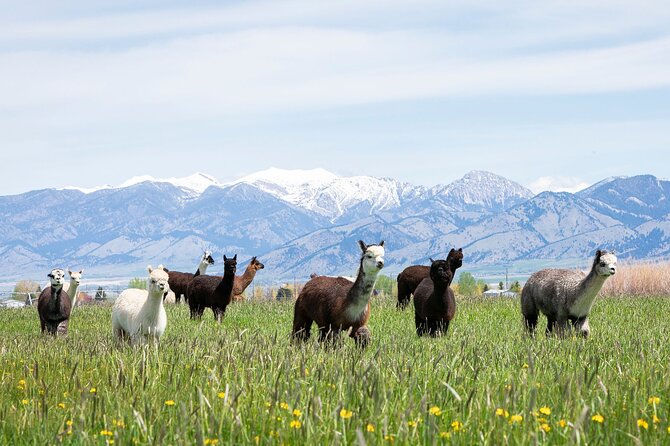
- Hands-on animal time: you help feed, bathe, and walk alpacas and llamas, not just stand and watch
- Guard dogs with names: meet Chili, Hazel, and Finn, plus you may also see other farm guardians
- Full working farm energy: you might witness active farm moments, including breeding and live births
- Small group size: maximum of 4 travelers, so you get more time with the animals
- Bonus photo-friendly moments: expect plenty of photo chances, plus surprise animals like deer, bald eagles, and a cat named Jill
A Working Farm in Bozeman, Not a Stuffed Zoo
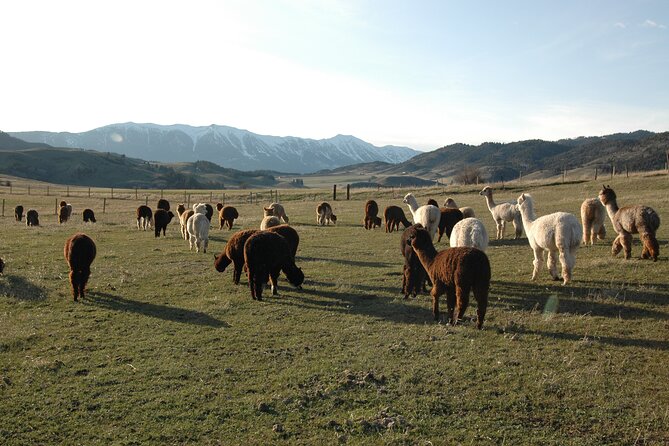
What I like most about this tour is how it behaves like a real farm. You are outdoors on uneven ground, moving between spaces where animals live and are cared for day to day. That matters because it changes the vibe from showy to practical, and it also makes the experience feel more respectful to the animals.
You also get a clear sense that this is not a one-track visit. The guide keeps the tour moving at a comfortable pace, but you still get breaks to look, ask questions, and take pictures when it makes sense. And since group size caps at four people, it is easier for the guide to adjust if someone wants more time at the fence or needs a calmer pace.
Meet the Herd, Then the Turkish Anatolian Guard Dogs
The tour starts at the farm in Bozeman, where the animals set the tone right away. You will be introduced to the alpacas and llamas first, then the farm’s guardians, the Turkish Anatolian Guard Dogs: Chili, Hazel, and Finn. These dogs are litter-mates and best friends, which is a fun detail because you can watch their roles as part of day-to-day farm life, not just see them as background animals.
This part also tends to include “bonus welcome” animals depending on the season. The farm has chickens and horses that may greet visitors at certain times of year. And if you are lucky, you might spot other wildlife around the property, including ground squirrels and deer. One of the coolest mentions is the chance to see bald eagles in the area, since Montana sky time is always part of the deal.
If you visit with kids, this opening is often the easiest way to spark attention. The animals are active, the dogs are visually impressive, and the guide can point out why each animal matters to the farm.
Feeding, Bathing, and Walking Camelids Like You Mean It
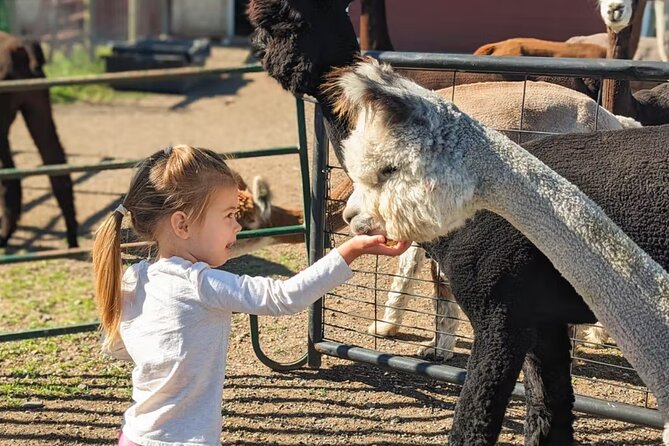
This is the core of why you book: you are not passive. You help with multiple types of hands-on interaction, including feeding and bathing alpacas and llamas, plus walking them. The guide leads the process step by step, so you know how to approach calmly, how to behave respectfully around the animals, and how to keep things safe for everyone involved.
Here is why that hands-on piece is so valuable. When you feed an alpaca or help with a bath, you learn quickly that camelids are individuals. Some may be curious. Some may prefer their space. You also notice that calm, consistent movement matters more than trying to force a moment.
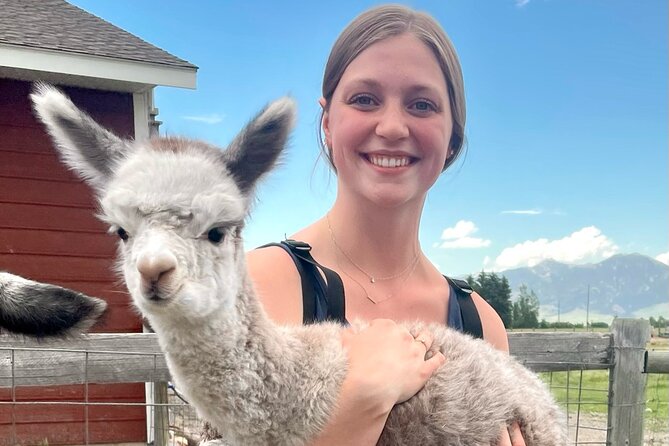
You may even get a special, memorable chance with young animals. Some visitors describe holding baby alpacas, so if farm life includes young ones during your visit, you might be able to interact in a safe, supervised way. Of course, this is a working farm, so animal availability depends on what the farm is doing that day.
One thing I appreciate is that the tour does not pretend the farm is staged. Because it is full-time working farm property, you may see breeding or live births. That is not a “scare you” warning, it is a reality check that the animals come first and everything is part of farm rhythms. Keep an eye on your footing, and follow the guide’s directions.
The Stop 1 Flow: Photos, Extras, and a Small Souvenir
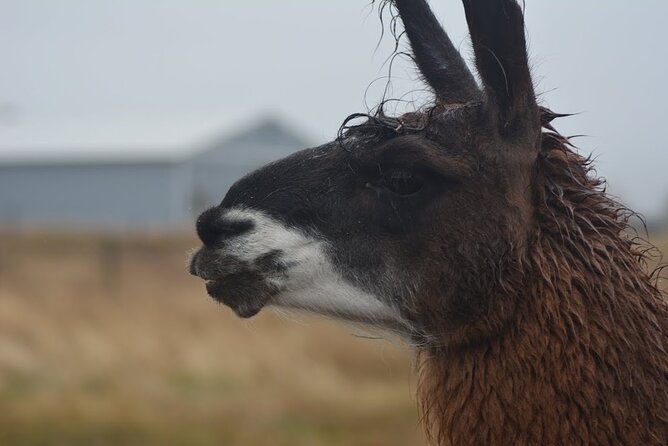
At the start, you get a guided orientation while meeting the main animals and guardians. Then the tour shifts into the hands-on portions and photo time. The guide encourages pictures throughout, so you can capture the alpaca moments while they are actually happening, not just at the end.
Expect some variety in what you see, too. The farm has a cat named Jill, and she occasionally shows up as a cameo. It is the kind of detail that makes the tour feel personal rather than copy-paste.
Toward the end, you get a small souvenir. You can pick a keychain or sticker to remember your visit. It is simple, but it is also practical, since it gives you something to take home without adding clutter.
What to Wear, Bring, and Watch for (No Restroom Included)
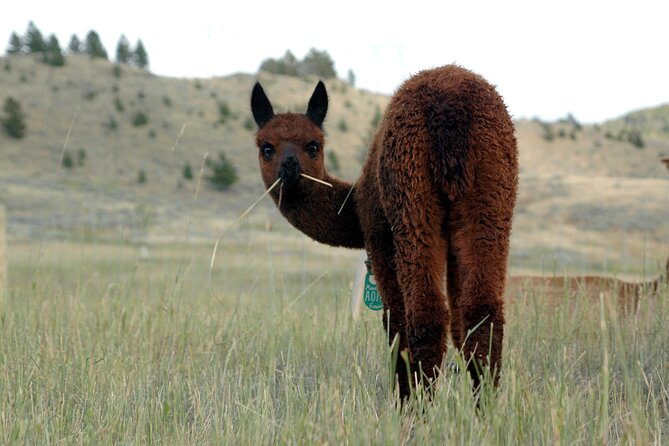
This is where most visitors set themselves up for a smoother experience. The farm is outdoors for the entire tour, and you will be walking on gravel, dirt roads, and natural rocks. The property terrain is uneven, so wear closed-toe shoes that you do not mind getting dirty.
Sunscreen matters, too. The tour runs outside the whole time, so put it on before you arrive rather than trying to remember later. Also bring water. You are outside in Montana conditions, and you will be busy enough that a quick drink break helps you stay comfortable.
One big practical note: there is no public restroom on site. Plan your timing accordingly. If you need to step away during the tour, do it early, and let the guide know so they can keep the group moving safely.
If you are sensitive to bugs, consider long pants. Some visitors have advised that biting flies can be an issue at certain times of year. That is not guaranteed every day, but it is an easy upgrade if you have the option.
Mobility, Breaks, and the Relaxed Pace
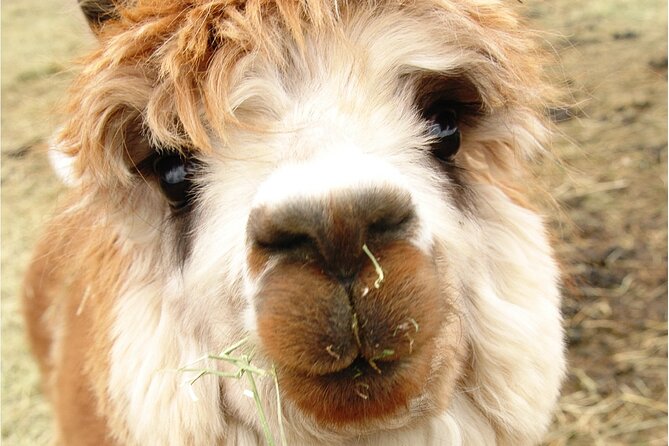
The tour is not a sprint, but it is still on farm terrain. The good news is that the pace is described as relaxed and comfortable, and the guide will bring alpacas over to you for closer interactions if walking the whole route is challenging.
There is also an option to rest. If you can walk about 100 yards from the parking area to the barn, you can use a shaded swinging chair for a break and views. That is a helpful detail if you want the experience but still need an easy place to pause.
So if mobility is a concern, you are not automatically out of luck. The farm specifically notes that they can accommodate by meeting you partway and bringing animals closer when possible. You just need to communicate what you need so the guide can plan around it.
Timing in Bozeman: Morning or Afternoon and Weather Reality
This tour offers both morning and afternoon times, so you can match it to your sightseeing rhythm in Bozeman. If you want a farm activity that does not swallow your entire day, this is a strong fit because it runs about 1 hour 30 minutes (approx.).
Weather is part of the deal. The experience requires good weather, and if it is canceled due to poor conditions, you are offered another date or a full refund. In practice, that means you should keep your schedule flexible and be ready for Montana to do Montana things.
If you are planning other outdoor stops the same day, I suggest putting the farm tour earlier rather than later. You will have energy for the walking and photo stops, and you can still adjust other plans if the weather changes.
Value for Your Time in Bozeman (and Why It Feels Worth It)
I look at value in two ways: time and what you actually get to do.
Time first: at about 90 minutes, you are getting a full farm-style experience without spending half a day driving and waiting around. The small group size also tightens the clock, because the guide can spend time with each person rather than managing a larger crowd.
Now the “what you do” part. This tour includes a hands-on routine: you feed, bathe, and walk alpacas and llamas. That is a big difference from many animal attractions where you are mostly observing. You are also picking up context about how the farm works, including the role of the guard dogs and why alpacas need protection and calm handling.
You get a souvenir keychain or ornament, which is a minor cost item but a nice finish. The real payoff is the memory of animal contact plus the working-farm context.
Guides named in the experience include Sarah, Jenna, and Fiona, and visitors consistently describe the tours as friendly and personal, with a lot of time for interaction and questions. That matters because if you are the type who likes learning while doing, you are likely to enjoy how the guides connect the activities to the animals and farm life.
Should You Book This Alpaca and Llama Farm Tour?
Book it if you want an active, hands-on farm visit that fits neatly into a Bozeman day. It is ideal for animal lovers, families, and anyone who likes small-group experiences where you get real interaction and not just a quick photo line.
Skip or think twice if you strongly need restroom access, because there is no public restroom. Also consider the uneven outdoor terrain if your mobility is limited. The farm can accommodate by bringing alpacas closer, but it is still a working property with natural rocks, dirt, and gravel.
If your plan includes time outdoors and you do not mind wearing old shoes, this is one of the most satisfying, low-stress ways to add something authentic to your Montana itinerary.
FAQ
How long is the Alpaca and Llama Farm Tour?
It runs for about 1 hour 30 minutes (approx.).
Are there different tour times during the day?
Yes, it is offered in both the morning and the afternoon for a more flexible schedule.
Where is the tour meeting point?
The meeting point is 8255 S Cottonwood Rd, Bozeman, MT 59718, USA. The tour ends back at the meeting point.
Is there a public restroom on site?
No, there is no public restroom available.
What should I wear or bring?
Wear closed-toe shoes you do not mind getting dirty, apply sunscreen, and bring water. The tour is outdoors the entire time.
Is this tour suitable for children?
Yes. The farm welcomes children, but they must be supervised at all times. For young kids, the farm recommends at least one adult per two children to help ensure safe and respectful interactions.
What is the group size limit?
The tour has a maximum of 4 travelers.
Farms, side by side.
 ★ 5.0Maui Pineapple Farm Tour in HaliimaileFrom $992,855 reviews
 ★ 5.0Half-Day Thoroughbred Horse Farm Tour in KentuckyFrom $451,924 reviews
 ★ 4.5Premium Amish Country Tour including Amish Farm and HouseFrom $381,306 reviews
 ★ 5.0Unique Horse Farm Tours with Insider Access to Private FarmsFrom $591,192 reviews
 ★ 5.0Lahaina: Maui Ku’ia Estate Guided Cacao Farm Tour and TastingFrom $991,103 reviews
 ★ 5.0Maui: Road to Hana Adventure with Farm to Table LunchFrom $259877 reviews
 ★ 4.5Oahu Beachfront ATV Adventure and Farm TourFrom $130769 reviews
 ★ 5.0Hawaiian Salt Farm Tour in KonaFrom $27767 reviews
This one is also listed in