
Review · GUIDED
From Las Vegas: Death Valley Guided Day Tour
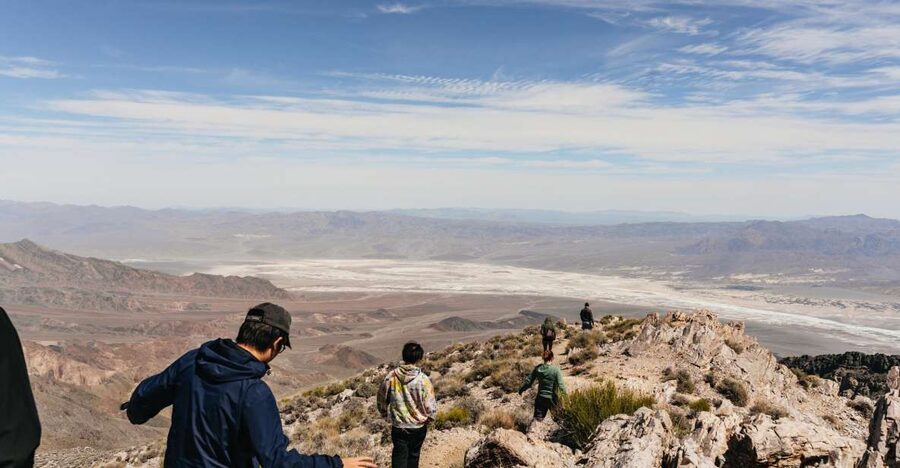
Death Valley feels like another planet, and this day trip makes it manageable. The mix of ghost towns and signature park stops means you do not just drive through, you actually understand what you are seeing. With guides like Brian and Jason sharing the details, the day has a human pace, not a checkout-line vibe.
Two things I really like: first, the itinerary hits both extremes, with high paved viewpoints up high and the low basin floor down low. Second, you get a guided experience around the Furnace Creek area and the Mesquite Flat Sand Dunes, so the scenery comes with context and photo-worthy timing.
One drawback to consider is the long, early start. Expect a true 12-hour day, and you will want the rest of your evening kept free for a shower, not a dinner reservation.
In This Review
- Quick hits
- Why this Death Valley day tour starts before the sun
- Rhyolite and the ghost-town detour before the real heat
- Dante’s View and Badwater Basin, the high and low paved drama
- Furnace Creek Visitor Center, where the numbers hit
- Mesquite Flat Sand Dunes and Artist’s Palette
- Zabriskie Point, plus the offbeat stops that add personality
- Breakfast, bottled water, and making it through 12 hours
- Small-group comfort, and why the guides matter
- Price and value: why $199 can feel fair
- What to bring, what to know, and who should skip it
- Should you book this Death Valley guided day tour from Las Vegas?
- FAQ
- How long is the Death Valley guided day tour from Las Vegas?
- What does the tour cost?
- What is included in the price?
- Is food included during the day?
- How many people are in the group?
- Where are pickup locations in Las Vegas?
- When will I know my exact pickup time?
- What should I bring?
- Is it accessible for wheelchair users?
Quick hits
- Small group size (up to 12) keeps the day feeling flexible and personal
- High and low paved viewpoints help you grasp Death Valley’s scale fast
- Rhyolite ghost town adds Wild West texture before the park heat
- Furnace Creek Visitor Center puts real numbers to the hottest-spot-at-heartbeat idea
- Mesquite Flat Sand Dunes plus Artist’s Palette delivers classic desert color
- Guides like Brian or Jason often swap in alternate stops if conditions change
Why this Death Valley day tour starts before the sun
This is not a casual sleep-in kind of excursion. Pickups run from major Las Vegas Strip and Downtown hotels, and the exact time and place get confirmed by 9:00 PM the night before. Most days include very early departures so you can hit viewpoints with softer light and avoid the worst heat.
You should plan for a full day in the Mojave Desert. Even when the bus or van is comfortable, you are still doing a lot of stop-and-look, plus short walks where the terrain calls for sturdy shoes. In my view, that early schedule is what makes the tour feel like it stretches further than a typical day trip.
Another good sign is the small-group format, limited to 12 people. That matters in Death Valley, because small timing changes can mean you get a clear viewpoint instead of a crowd wall. You also get more chances for the guide to answer questions, not just read from a script.
Rhyolite and the ghost-town detour before the real heat
Before you even enter Death Valley proper, you go through the region’s Wild West layer. One of the big stops is Rhyolite, a ghost town tied to a gold boom that took off in 1904. You see what prosperity looks like when it arrives fast, then you see what happens when it leaves.
This is the kind of stop that makes Death Valley feel more human. Yes, the park is famous for extremes, but the story includes people chasing fortune, building towns, and then watching the desert reclaim everything. Even if you are not a history person, it clicks because the remains are right there in front of you.
You should also treat Rhyolite as a breather stop. It can help you settle into the day before the valley’s dramatic temperatures and longer drives start stacking up.
The rest of our Guided notes for Las Vegas


Dante’s View and Badwater Basin, the high and low paved drama
A Death Valley tour without the extremes is missing the point. This one aims to show you both the highest and lowest paved viewpoints in the park. In practice, that usually means a high lookout like Dante’s View for big, wide shots and a low stop like Badwater Basin where the salt flats sit near sea level.
I love the logic of this approach because it teaches you the geography with your eyes. From a high paved viewpoint, you understand how the valley is cut and how mountains frame the basin. Then, when you drop down to the low area, you can feel how the terrain funnels conditions into something that feels almost unreal.
Timing matters here. Several guides build the day around early viewing windows so you get sunrise or near-sunrise vibes when possible, then you head out before the intense mid-afternoon heat fully takes over. If you hate rushing, you will need to adjust your expectations. But if you want photos that look like they belong in a National Park poster, this is the move.
Furnace Creek Visitor Center, where the numbers hit
Once you’re inside Death Valley, your day centers on Furnace Creek, often framed as the heart of the valley. You stop at the Furnace Creek Visitor Center, where the highest temperature was recorded. That is a striking detail, and it is one of those facts that makes everything else feel sharper, not just pretty.
Think of Furnace Creek as more than a viewpoint. It is where the tour gives you context for how the desert functions, how the heat behaves, and why the valley is famous for extremes. That is where the guide stories help. When someone explains what you are seeing, the valley stops being a background and becomes a place with rules.
You will also feel the temperature difference in your day planning. This is where you want to lean on what the tour provides: bottled water and the guide’s pacing, plus quick breaks for photos and short walks. If you tend to underestimate heat, this is where you learn quickly.
Mesquite Flat Sand Dunes and Artist’s Palette
After the big temperature and geography stops, you shift to a different kind of Death Valley magic. The Mesquite Flat Sand Dunes are famous for those smooth, shifting lines you can see and feel even when you are not stepping far into them. This is where the desert stops looking like rock and starts looking like motion.
Then you get Artist’s Palette in the mix. It is the kind of place that makes color seem unfairly dramatic for a desert. Layered mineral tones create natural stripes and blotches across the rock, and you can usually take pictures that look like a filter without using one.
Here’s what you should plan for: sand dunes can mean uneven footing and more sun exposure than you expect. Bring shoes that handle loose ground, and keep your water habit consistent. The dunes feel calming until you realize you are still in a harsh environment with little shade.
Zabriskie Point, plus the offbeat stops that add personality
Death Valley highlights can become cookie-cutter if a tour only checks the big names. This one adds enough variety to keep you mentally engaged.
You may see stops such as Zabriskie Point, often paired with other scenic pull-offs so you get different textures of the valley in a single day. You might also hear about and visit places connected to small-scale, quirky landmarks mentioned during the tour, like Charcoal Kiln and Tom Kelly Bottle House. There are also references to additional picture-friendly overlooks such as Aguereberry Point, depending on timing and conditions.
I like these sidetrips because they break up the day. A long vehicle day can feel samey, but each of these points has a different visual “language,” from layered rock to open basin views to the surreal look of human-made oddities in an empty place.
One more practical note: if storms or damage close certain areas, a good guide will adjust. People in the group experience this as extra value, because your day does not automatically shrink into disappointment when a road or pull-off is unavailable.


Breakfast, bottled water, and making it through 12 hours
This tour is designed for a full day rhythm. You get a breakfast buffet included (and it may be breakfast or lunch depending on availability). Bottled water is included too, which matters because Death Valley punishes casual hydration.
Food is not just fuel here. When you eat early, you keep your energy steady and your decision-making simple. You also avoid the common problem of getting so busy looking at things that you forget to eat until you feel shaky. The included buffet helps you stay functional through the long drive and multiple stops.
I would still treat the “Food not included” note as a hint that you should not rely on buying a full second meal later, beyond what the tour schedules. If you are picky about snacks, you might consider bringing travel-friendly items, but only if the tour rules allow it, since the day already comes with bottled water and planned meals.
Also, plan your evening. The tour runs long, and the whole point is seeing the park safely and comfortably. I would avoid booking shows or making tight dinner plans right after.
Small-group comfort, and why the guides matter
This is one of those tours where the guide quality shows. A lot of the standout feedback ties to the way Brian and Jason handle the day, with a “no nonsense” style and lots of stories that connect what you see to where it comes from.
What that looks like for you in real life:
- You get picture-friendly pauses and not just a quick stop and go.
- You get explanations while you stand in place, so you know why a spot is special.
- You get steady reminders to drink water, plus a pace that works for a group.
The small-group limit of 12 is a big reason it works. When there are fewer people, you can actually ask a question, step aside for a photo, and get an answer that feels tailored. It also helps that the transport is described as highly rated for comfort.
If you are the type who likes facts but also appreciates humor, this experience tends to land well. Guides often bring both practical info and personality, including jokes and fun facts that keep the long day from feeling like a lecture.
Price and value: why $199 can feel fair
At $199 per person for a 12-hour guided day, the price might look steep at first glance. But when you add up what you get, it starts to make sense.
You are paying for:
- Hotel pickup and drop-off from many Las Vegas areas
- Death Valley entrance fees
- A guide
- Breakfast buffet and bottled water
- A small-group transport experience built for the park’s timing
Then compare it to a DIY day. You would likely need a rental car, gas for the drive, the park entrance costs, and a plan for the long day that actually hits the major viewpoints in the right order. People who self-drive often underestimate time lost to navigation and parking, plus the stress of managing heat breaks without a schedule.
In my view, the tour is strongest if you want to see a lot without turning your day into logistics. If you love driving and building itineraries, you might do it yourself. If you want a smooth, coached “best of” loop with explanations, this pricing structure feels reasonable.
What to bring, what to know, and who should skip it
Death Valley is not the place for flimsy footwear or weak heat planning. The tour asks you to bring comfortable shoes and weather-appropriate clothing, plus a valid ID (a copy is accepted).
Also follow the rules. Luggage or large bags are not allowed. Drones are not allowed. Smoking in the vehicle is not allowed. Alcohol and drugs are not allowed. Bare feet are not allowed. Wheelchair and stroller rules are specific, including restrictions on non-folding gear, and there is mention of not suitable use for certain mobility devices.
Who should think twice before booking:
- Pregnant women
- People with back problems
- People with heart problems
- People with existing medical conditions
- People with low level of fitness
- People with a cold
Even if you are generally healthy, I would treat the early start and heat exposure as the real challenge, not just the walking distance.
If you need to get your day right, pack smart and keep expectations simple. You are there for viewpoints, short walks, and big picture learning, not for a long hike day.
Should you book this Death Valley guided day tour from Las Vegas?
If your goal is a first-time Death Valley experience with the big contrasts, I think this is a strong choice. You get the early-timed viewpoints, the Furnace Creek stop that brings the heat data into focus, plus sand dunes and color rock formations. The small group size also tends to turn a “checklist tour” into something that feels more relaxed.
I would skip it if you hate early mornings, you have significant mobility or health concerns mentioned above, or you want a slow, flexible day with lots of unstructured wandering. This is a guided loop built for time and safety.
If you do book, go in knowing it is a long day and plan your next evening accordingly. Wear real shoes, keep drinking water, and let the guide do the heavy lifting on what you are seeing. You will come home with the valley’s extremes in your head, not just photos on your phone.
FAQ
How long is the Death Valley guided day tour from Las Vegas?
The tour duration is 12 hours.
What does the tour cost?
The price is $199 per person.
What is included in the price?
Hotel pickup and drop-off, Death Valley entrance fees, breakfast buffet, bottled water, and a live English-speaking guide are included.
Is food included during the day?
Breakfast buffet is included. Additional food is not listed as included beyond what is available as scheduled.
How many people are in the group?
The group is limited to 12 participants.
Where are pickup locations in Las Vegas?
Pickups are available from or near major hotels on the Las Vegas Strip and Downtown, and as far south as the Silverton Hotel.
When will I know my exact pickup time?
The confirmation of the exact pickup time and location is provided by 9:00 PM the day before.
What should I bring?
Bring comfortable shoes, comfortable weather-appropriate clothing, and an ID card (a copy is accepted).
Is it accessible for wheelchair users?
The tour is listed as wheelchair accessible, but it also notes restrictions such as non-folding wheelchairs and non-folding strollers not being allowed, plus it lists certain health conditions as not suitable.
Guided reviewed right across Las Vegas
- Valley of Fire Guided Hike from Las Vegas★ 5.0 · 1,611 reviews
- Red Rock Canyon Self-Guided Electric Bike Tour★ 5.0 · 783 reviews
- Las Vegas: Guided Las Vegas Desert ATV Tour★ 4.6 · 677 reviews
- Las Vegas Downtown & Fremont Street – Guided Walking Tour★ 5.0 · 636 reviews
- Las Vegas: Valley of Fire Guided Hike with Drinks and Snacks★ 4.9 · 548 reviews
Tours: the rest of the Las Vegas file
- Half-Day Mojave Desert ATV Tour from Las Vegas★ 5.0 · 7,350 reviews
- Grand Canyon West Bus Tour with Hoover Dam and Optional Skywalk★ 4.0 · 7,224 reviews
- Ultimate VIP Hoover Dam Tour from Las Vegas with Lunch★ 5.0 · 6,782 reviews
- Lower Antelope Canyon and Horseshoe Bend Day Tour with Lunch★ 5.0 · 6,764 reviews
- Las Vegas Helicopter Night Strip Flight Tour with Optional Dinner★ 4.5 · 5,693 reviews
Tour Reviews: more from our Las Vegas desk
- Grand Canyon West, Hoover Dam Stop and Optional Lunch and Skywalk★ 5.0 · 19,535 reviews
- Grand Canyon West, Hoover Dam Stop, Breakfast, Lunch & Skywalk★ 5.0 · 12,194 reviews
- Half-Day Mojave Desert ATV Tour from Las Vegas★ 5.0 · 7,350 reviews
- Grand Canyon West Bus Tour with Hoover Dam and Optional Skywalk★ 4.0 · 7,224 reviews
- Ultimate VIP Hoover Dam Tour from Las Vegas with Lunch★ 5.0 · 6,782 reviews
Newest Las Vegas reviews added to this site
- Red Rock Canyon, Nelson Ghost town,7 Magic Mountains, Hoover Dam
★ 5.0 · 309 reviews - Small-Group Hollywood and Los Angeles Day Trip from Las Vegas
★ 4.0 · 313 reviews - Valley of Fire State Park Day Tour from Las Vegas
★ 5.0 · 317 reviews - Hoover Dam & Hot Springs Kayak Tour with Lunch & Expert Guide
★ 5.0 · 318 reviews - Vegas: Antelope Canyon, Grand Canyon, Zion & Horseshoe Bend
★ 4.5 · 318 reviews - Grand Canyon National Park South Rim Small Group Bus Tour
★ 4.5 · 330 reviews - From Las Vegas: Emerald Cave Guided Kayak Tour with Shuttle
★ 4.8 · 334 reviews - Las Vegas: Mojave Desert, 7 Magic Mountains, Vegas Sign Tour
★ 4.8 · 334 reviews - Popovich Comedy Pet Theater at Planet Hollywood Resort and Casino
★ 4.0 · 335 reviews - Las Vegas: Tournament of Kings Show at Excalibur
336 reviews
Guided, side by side.
 ★ 5.0History and Hauntings of Salem Guided Walking TourFrom $3614,564 reviews
 ★ 5.0New York in One Day Guided Sightseeing TourFrom $9913,166 reviews
 ★ 4.8Chicago River: 1.5-Hour Guided Architecture CruiseFrom $448,046 reviews
 ★ 4.7Page: Lower Antelope Canyon Entry and Navajo Guided TourFrom $787,801 reviews
 ★ 5.0Central Park Pedicab Guided ToursFrom $387,108 reviews
 ★ 5.0Historic Charleston Guided Sightseeing Walking TourFrom $306,216 reviews
 ★ 4.6Page: Antelope Canyon X Guided TourFrom $694,034 reviews
 ★ 4.6Cambridge: Harvard University Student-Guided Walking TourFrom $223,931 reviews