
Review · CENTRAL PARK WALKS AND RIDES
Central Park Pedicab Guided Tours
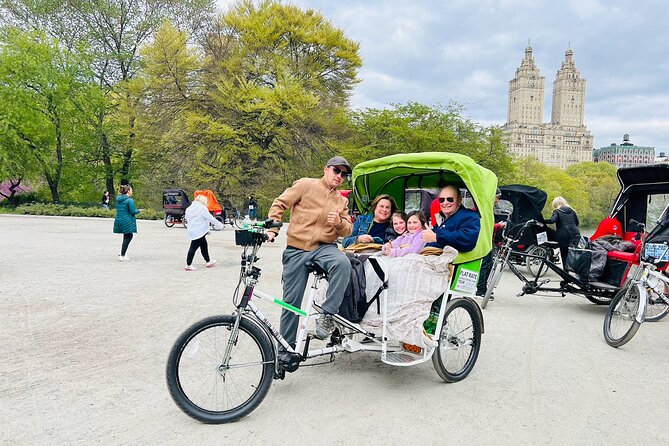
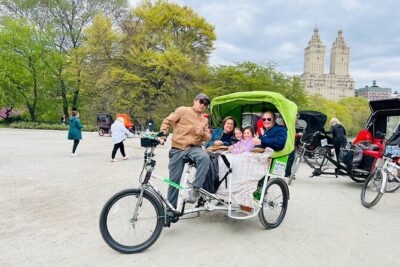
Central Park gets a shortcut. This private pedicab ride steers you past the park’s biggest landmarks, from the carousel and Chess House to Bethesda Fountain and Strawberry Fields, with minimal backtracking. What I like most is the photo-friendly stop style and the chance to cover serious ground without the leg burn. One drawback to keep in mind: if you get thrown off by a guide’s accent, you may need to pay extra attention to catch every detail.
The best part is how practical it feels, especially in winter. You get a bicycle-powered cab experience that stays comfortable, with a warm blanket included during cold weather. And yes, the commentary tends to land well, because guides like AJ, Sam, Peter, and Ricky show up ready with stories, humor, and quick context.
You also have flexibility. A shorter tour hits the core sights, while a longer option can add stops that push deeper into the park, including views toward the Met area and the Reservoir. If you want your Central Park day to feel like a guided highlights reel with room to breathe, this is a strong pick.
In This Review
- Key Things You Should Know Before You Ride
- Why a Pedicab Works So Well in Central Park
- Price, Tour Length, and What You’re Really Buying
- Starting Point and How to Set Yourself Up for a Great Ride
- Central Park Core Stops: Carousel, Chess House, Mall, and Balto
- Bethesda Fountain and Bethesda Terrace: The Big Screen Stops
- Gapstow Bridge, Bow Bridge, and Conservatory Water Boat Watching
- The Lake, Turtle Lake Area, and Boathouse Vibes
- Strawberry Fields, the Dakota, and Sheep Meadow Breaks
- Pinebank Arch, the Largest Playground, and Family-Friendly Stops
- If You Choose the Longer Route: Alice, Cleopatra’s Needle, the Met Area, Reservoir, and Belvedere Castle
- What the Ride Feels Like: Timing, Stops, and the Photo Rhythm
- Guide Styles and the One Thing to Be Ready For
- Weather, Comfort, and When to Choose Another Day
- Who This Central Park Pedicab Tour Is Best For
- Should You Book This Central Park Pedicab Tour?
- FAQ
- How long is the Central Park pedicab guided tour?
- Is this tour private for my group?
- What is included with the tour price?
- What kind of weather does the tour require?
- Is there a minimum number of travelers?
- Do I need to bring anything for cold weather?
Key Things You Should Know Before You Ride
- Private pedicab for your group: only your party rides, so you can go at a pace that fits your energy and photo breaks.
- Most rides are booked ahead: on average, this tour is reserved about 24 days in advance, so popular dates can sell out.
- Warmth is handled for winter: cold-weather riders get a blanket plus comfort-focused setup.
- Movie and TV location spotting: Bethesda, Gossip Girl area notes, SummerStage references, and more show up during the ride.
- One major “not included”: Met Museum admission is not included if your route reaches it.
- Weather matters: it’s tied to good weather, and poor conditions can trigger a date change or a refund.
Why a Pedicab Works So Well in Central Park
Central Park is big, 843 acres, and it can fool you into thinking you can “just walk it.” A pedicab flips that idea. You still get the sights up close, but you’re not spending your whole day doing stop-and-start walking loops.
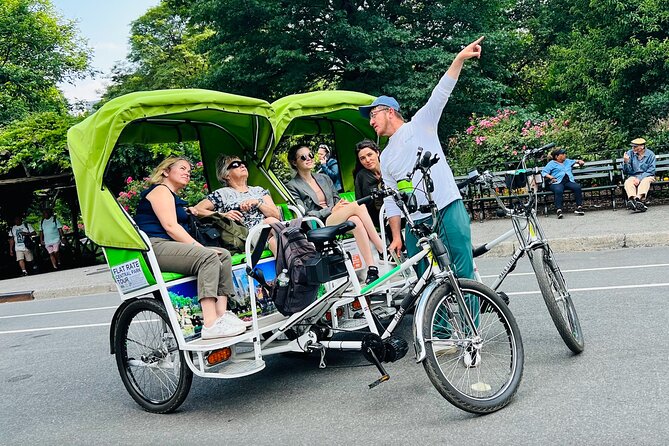
I like this format because it’s efficient without feeling rushed. Your guide can point out landmarks you’d otherwise miss, including small-but-famous spots like Balto the dog statue and the Chess and checkers area. And since you’re already rolling along paths, it’s easier to react in real time. Want an extra minute for a photo at Bow Bridge or the Bethesda terrace area? You can usually ask, and the ride adapts.
It also helps that the tour is built around the park’s structure. Central Park’s roads and bridges connect key zones, so you get a smoother route than trying to hop between scattered attractions on foot.
Price, Tour Length, and What You’re Really Buying
At $38 per person, this pedicab tour is priced like a “value add” to your Central Park day, not a luxury splurge. The reason it can feel worth it is that you’re paying to solve two problems at once: navigation and time.
- If you do the shorter version, you can still cover a stack of iconic stops, including the carousel, Bethesda Fountain area, Bow Bridge, and Strawberry Fields.
- If you go for the longer 2-hour style route, you add extra ground that reaches further toward the Met zone, plus the Reservoir and Belvedere Castle.
You also get clear “included” perks. Warm blankets during cold weather are included, and taxes and fees are included too. That matters because it avoids the awkward end-of-day math.
One more pricing thought: you’re not paying for museum entry across the board. Many stops are free or quick photo stops, and at least one big museum item is specifically not included, which keeps the tour cost from ballooning.
The rest of our Guided notes for New York City

Starting Point and How to Set Yourself Up for a Great Ride
The meeting point is 1411 6th Ave, New York, NY 10019, and the tour ends back at the same spot. That loop is convenient. It also helps if you plan your day around nearby Midtown or Central Park South, because you’re not dealing with a remote drop-off.
Go in with a simple plan: dress for the weather, then let the guide handle the route. In colder months, the included blanket helps you stay outside longer for photos and short stops without turning it into a sprint back to a warm building.
If you care about photos, ask early about the best viewpoints. Guides like Sam and Peter are known for helping with photos, and they tend to time stops so you can actually get the shot without wandering around blindly.
Central Park Core Stops: Carousel, Chess House, Mall, and Balto

The main ride begins with an easy shift from city noise into park calm. From there, you move through classic Central Park landmarks that are also the easiest wins for first-timers.
Here are the kinds of stops you’ll likely hit in the core portion:
- Victorian Garden and winter ice skating context: in winter, the area connects to the famous rink vibe and helps explain why it’s such a Central Park tradition.
- Chess and checkers house: the octagonal brick game tables make this a fun quick stop, even if you do not play.
- The oldest carousel in the city: the big draw here is age and craft. It’s one of those “you have to see it in person” Central Park moments.
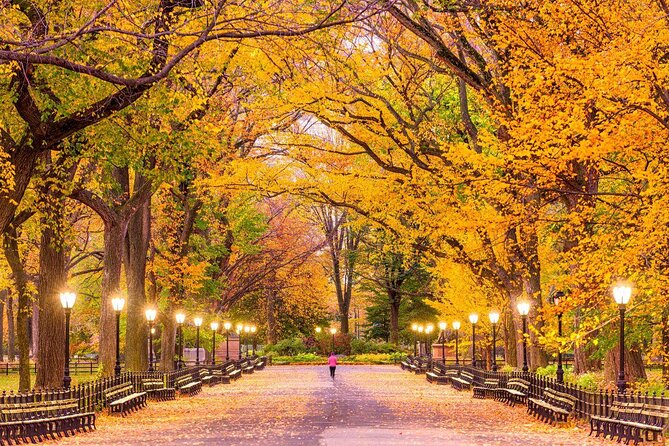
- Central Park Mall with American elm trees: this is one of the most memorable walking-and-people-watching stretches in the park. Even when you’re not walking it yourself, rolling past it gives you a sense of the park’s ceremonial layout.
- Balto the dog statue: it’s small compared to Bethesda, but it’s extremely recognizable, and it’s the sort of detail you’d miss unless someone pointed it out.
This part of the tour is where the pedicab earns its keep. You’re getting a high concentration of famous landmarks in a short window, and your guide adds the why behind each one, not just the what.
Bethesda Fountain and Bethesda Terrace: The Big Screen Stops
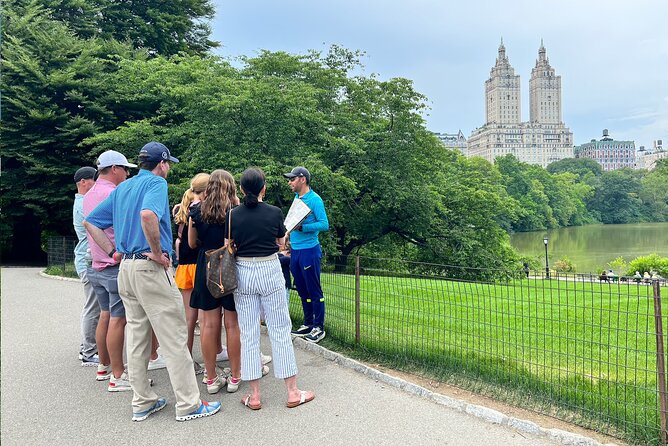
Bethesda is the Central Park “main stage,” and your route is built to get you there in a way that feels like a highlight tour. You’ll see the fountain sculpture called the Angel of the Waters, unveiled in the 1870s, and you’ll also hear how the story connects to healing in the biblical account tied to Bethesda.
The Terrace side is one of those places where the scenery looks effortless, but there’s a lot going on under the surface. There’s a famous tile ceiling story linked to restoration work and long-term conservancy efforts, and the Terrace is also a frequent film and TV filming location.
What I like about getting Bethesda through a pedicab is timing and positioning. If you’re walking on your own, Bethesda can be a crowded slog. From the cab, you can pause, look, and get your photos without feeling like you’re doing a long hike to reach it.
If you’re a movie fan, this is also where the tour’s pop culture references tend to land. You’ll connect Bethesda and the nearby terrace views to scenes you may have seen on screen, which turns a “pretty fountain” into a “wait, that’s the spot” moment.
Gapstow Bridge, Bow Bridge, and Conservatory Water Boat Watching
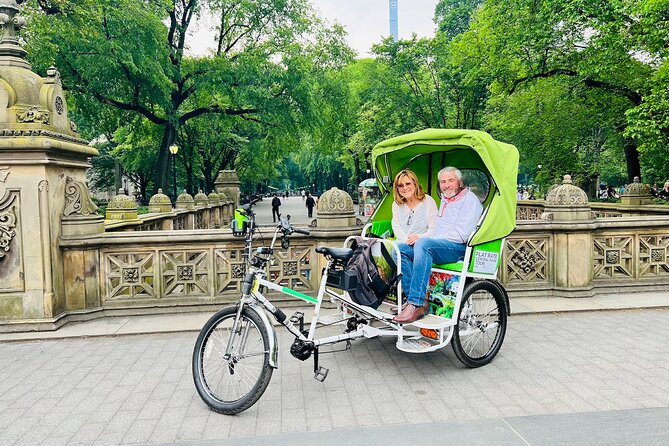
Central Park bridges are a category of their own, and the tour does a good job using them as quick scenery checkpoints.
- Gapstow Bridge gives you a rustic stone look with vines and a strong photo angle. It’s also a popular spot for viewing the Pond area.
- Bow Bridge is the other major bridge anchor. It’s designed by Calvert Vaux and Jacob Wrey Mould, completed in the early 1860s, and it’s been restored more than once. It’s also a famous filming location, which makes it feel like more than just a bridge.
Then there’s Conservatory Water, often used for small-scale boat activity. This area centers around the ornamental Model Boat Pond, with miniature sailboats and yachts launched by kids and hobbyists. You can watch from the benches while also getting those “Central Park water scene” photos.
The boathouse setup nearby matters too, because it’s part of the experience texture. It’s not just scenic, it’s functional.
One small practical note: bring patience for crowds here. Even with the pedicab, these are popular zones, so expect more foot traffic around the water and bridges.
The rest of our Central Park Walks and Rides notes for New York City




The Lake, Turtle Lake Area, and Boathouse Vibes
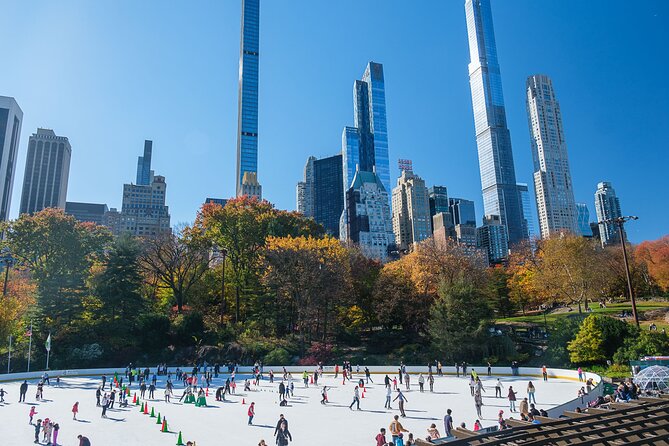
Moving deeper, the tour connects you to the water “heart” side of Central Park. The tour highlights the Lake area as a major connection point between Ramble and Bethesda Terrace, with multiple shoreline vistas.
You’ll also get the Turtle Lake and Boathouse area feel. Boating shows up as a key activity, and the gondola-style attractions are referenced as part of the broader experience.
If you like atmosphere, this is one of the best sections. It’s where Central Park feels like a self-contained world, even though you can still sense you’re in Manhattan. The pedicab helps you reach these views without turning it into a long day of walking.
Strawberry Fields, the Dakota, and Sheep Meadow Breaks
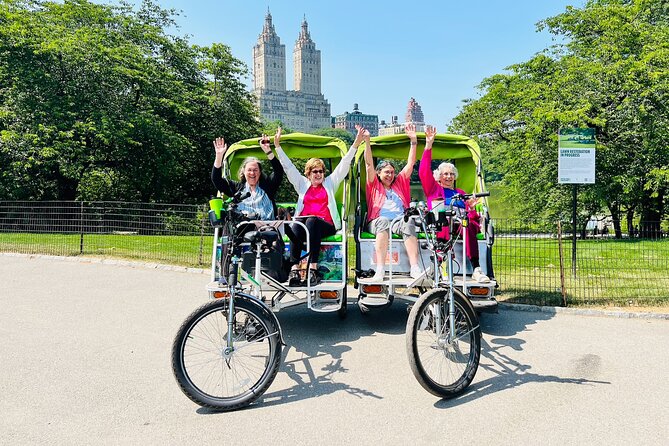
If you want Central Park with a little emotion built in, this section delivers. Strawberry Fields is dedicated to John Lennon, named after Strawberry Fields Forever. It’s not just a photo stop, it’s a meaningful place that helps you understand how Central Park can hold modern memorial culture alongside classic landscaping design.
From here, the tour connects you to the nearby Dakota building story, including how it ties into Lennon and the co-op housing history. That context is where a guided format beats random wandering.
Then you move toward Sheep Meadow, a popular relaxing and picnicking lawn. This is a great place to pause and let the park day sink in. Even if you do not lay out a blanket, you can appreciate the contrast between grassy space and the Manhattan skyline view.
There’s also a chance to catch the Central Park restaurant history vibe around Tavern on the Green. The building once functioned as a sheepfold tied to the Sheep Meadow era, and hearing that history adds a fun layer to what is otherwise a simple exterior pass.
Pinebank Arch, the Largest Playground, and Family-Friendly Stops
Central Park is not just for couples and solo sightseers. This route includes kid-friendly moments that also work for adults, especially if you like lively, human-scale details.
- Pinebank Arch is a photo magnet. It sits over rock outcrops and blends into the park’s edges, making it feel like it grew out of the scenery.
- Heckscher Playground is one of the older, large playgrounds in the park area, and it’s a strong family stop close to Central Park South.
- The tour also references the park’s largest playground as part of the core sights.
These stops are short, but they matter. They break up “monument fatigue” and remind you Central Park was built for more than viewing. If you’re traveling with kids, this is where you’ll see the ride shift from sightseeing to actual enjoyment.
If You Choose the Longer Route: Alice, Cleopatra’s Needle, the Met Area, Reservoir, and Belvedere Castle
The longer option is where the tour shifts from “great greatest hits” to “more of the park’s range.” In the 2-hour style route, you can add several famous anchor points:
- Alice in Wonderland statue: a gift dedicated to children, with a specific story tied to George Delacorte and his wife’s connection to the publishing world.
- Cleopatra’s Needle (the Obelisk): also known as the obelisk, dedicated to Central Park in the early 1880s, and described as the oldest outdoor monument in NYC.
- The Metropolitan Museum of Art area: the tour includes time near the Met, but admission is not included, so you’ll still need to plan your entry separately if you want to go inside.
- Jacqueline Kennedy Onassis Reservoir: built in the mid-1800s and designed to harmonize with the park. The size and world-scale claim at the time of construction gives it extra gravity.
- Belvedere Castle: a folly with exhibit rooms and an observation deck. It also houses Central Park’s official weather station since 1919.
I like this longer stretch because it changes the feel of your day. You go from postcard Central Park to a more “why was this designed this way” picture. And it helps if you already plan to visit the Met anyway, because you can time it more intelligently.
What the Ride Feels Like: Timing, Stops, and the Photo Rhythm
One of the biggest strengths of this kind of pedicab tour is stop control. Your guide can help you time quick photo opportunities at major landmarks without you losing the route.
From the way guides are described, many are strong at:
- getting you to iconic spots fast
- adding story context that makes the sights easier to remember later
- keeping things comfortable in cold weather with the included blanket
In my view, the photo rhythm matters more than most people realize. You don’t want “I saw it for two seconds” photos. The tour’s structure includes multiple short stops, and guides like AJ, Sam, and Peter are often praised for making sure you can get out and look around briefly.
One practical tip: wear shoes you can stand in for short periods. Even though the pedicab does the heavy lifting, several stops are designed around quick viewpoints and short photo walks.
Guide Styles and the One Thing to Be Ready For
The overall tone you’ll experience is friendly, upbeat, and story-forward. That comes through in repeated praise for humor and warmth. People highlight guides like Sam and Peter as particularly engaging, and Ricky as enthusiastic.
But there is one consideration. One review noted the accent could be a little hard to understand at times. That does not mean the tour is “bad,” it just means if you rely on verbal detail to stay connected, you may want to sit where you can hear clearly and ask for repeats if needed.
Weather, Comfort, and When to Choose Another Day
This experience requires good weather. If Central Park weather is rough, you may get a different date option or a full refund. The winter angle is interesting because Central Park is at its most theatrical in cold months, but comfort becomes essential.
The tour helps with that through the included blanket. Still, I recommend bringing a coat you can actually move in, plus gloves if you tend to get cold hands fast. Then you can enjoy longer pauses without feeling like you have to bolt.
Also, some season-based sights like the ice skating context near Wollman Rink become part of the “you’re here” feeling depending on the month, so your exact vibe will shift with the calendar.
Who This Central Park Pedicab Tour Is Best For
This tour fits best when you want:
- a first-timer Central Park overview with minimal walking stress
- a family-friendly format where kids can enjoy the scenery without fatigue
- a couple-friendly way to hit iconic stops without planning a complicated route
- a mobility-aware approach, especially since the pedicab reduces long distances between landmarks
It also works well for film and TV fans. Central Park is an endless backdrop, and the tour uses that fact to help you connect what you see to scenes you might recognize.
If you’re the type who wants to wander for hours on your own and get lost on purpose, you might not need this. But if your time is tight, it’s a smart way to make Central Park feel manageable.
Should You Book This Central Park Pedicab Tour?
Yes, if your goal is a guided, efficient Central Park day with classic photo stops, friendly storytelling, and built-in comfort for cold weather. I’d especially recommend it for first-time visitors and families who want to avoid the “we walked too far” problem.
Wait or rethink it if:
- you strongly prefer to navigate and linger on your own without a set rhythm
- you know you struggle with understanding accents and you need constant verbal detail
- you have flexibility issues around weather, since good conditions are required
If you can swing the timing and you want your Central Park highlights without the planning headache, this pedicab tour is a solid, practical way to spend a few hours in one of the world’s most famous parks.
FAQ
How long is the Central Park pedicab guided tour?
The duration is listed as 1 to 3 hours, approximately.
Is this tour private for my group?
Yes. It’s a private tour/activity, and only your group participates.
What is included with the tour price?
The price includes a warm blanket during cold weather, all taxes and fees, a private exclusive experience for your family or group, photo opportunities, comfortable pedicab ride, and expert local guides. Admission ticket notes vary by stop, and the Metropolitan Museum of Art admission is not included if your route reaches the Met area.
What kind of weather does the tour require?
The experience requires good weather. If it’s canceled due to poor weather, you’ll be offered a different date or a full refund.
Is there a minimum number of travelers?
Yes. A minimum of 2 travelers is required (except Tuesday).
Do I need to bring anything for cold weather?
The tour includes a warm blanket during cold weather. You should still dress for the conditions since it’s outdoors and the tour includes short stops for views and photos.
Guided reviewed right across New York City
- New York in One Day Guided Sightseeing Tour★ 5.0 · 13,166 reviews
- From NYC: Guided Day Trip to Washington DC by Van or Bus★ 4.7 · 3,418 reviews
- NYC: Statue of Liberty and Ellis Island Guided Tour★ 4.6 · 2,765 reviews
- Original NYC Guided Food Tour of Chinatown and Little Italy★ 5.0 · 2,194 reviews
- Statue of Liberty and Ellis Island Guided Tour with Ferry★ 4.5 · 2,189 reviews
Tours: the rest of the New York City file
- Statue of Liberty and Ellis Island Tour: All Options★ 5.0 · 13,571 reviews
- New York in One Day Guided Sightseeing Tour★ 5.0 · 13,166 reviews
- New York City: Manhattan Helicopter Tour★ 4.7 · 7,076 reviews
- Private Central Park Pedicab Tour★ 5.0 · 6,981 reviews
- 9/11 Memorial, Ground Zero Tour with Optional 9/11 Museum Ticket★ 5.0 · 6,381 reviews
Tour Reviews: more from our New York City desk
- NYC: SUMMIT One Vanderbilt Tickets★ 4.7 · 51,195 reviews
- NYC: Empire State Building Tickets – Observatory & Museum★ 4.7 · 25,757 reviews
- New York City: Statue of Liberty & Ellis Island with Ferry★ 4.6 · 18,683 reviews
- New York City: American Museum of Natural History Ticket★ 4.5 · 15,447 reviews
- Statue of Liberty and Ellis Island Tour: All Options★ 5.0 · 13,571 reviews
Newest New York City reviews added to this site
- NYC: Whitney Museum Ticket
★ 4.2 · 315 reviews - NYC: Manhattan & Statue of Liberty Cruise with Shuttle Bus
★ 4.6 · 316 reviews - 60-Minute Statue of Liberty Sightseeing Cruise
★ 3.0 · 317 reviews - True Crime New York: NYPD-Guided Mafia Walking Tour w/ Food
★ 4.6 · 318 reviews - New York City Cocoa and Carols Holiday Cruise
★ 4.5 · 318 reviews - Harlem Wednesday Morning Gospel Tour
★ 4.5 · 320 reviews - Central Park Bike Rental: Quality Bikes with Map, Helmet, Lock
★ 4.0 · 324 reviews - New York City Harlem Highlights w/ Gospel Concert & Transfer
★ 4.5 · 326 reviews - 9/11 Memorial Tour with Optional Museum and One World Access
★ 5.0 · 330 reviews - New York City Sunset Cruise on a Yacht
★ 5.0 · 331 reviews
Central Park Walks and Rides, side by side.
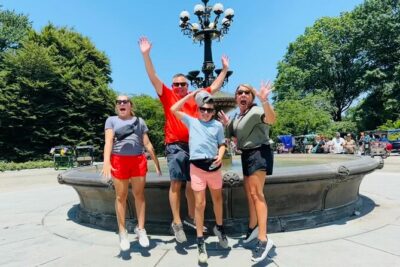 ★ 5.0Private Central Park Pedicab TourFrom $386,981 reviews
 ★ 4.2NYC: Central Park Bike RentalsFrom $92,528 reviews
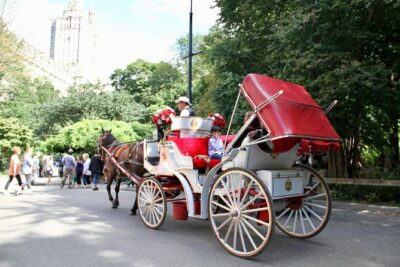 ★ 5.0Official NYC Horse Carriage Rides in Central Park since 1979 ™From $992,365 reviews
 ★ 4.1NYC: Central Park Bike RentalFrom $81,651 reviews
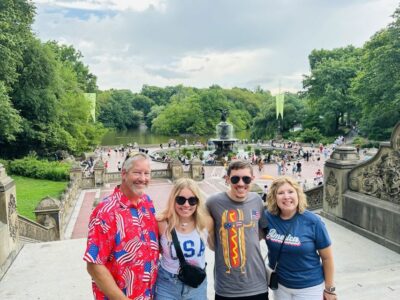 ★ 4.9New York City: Private Central Park Pedicab TourFrom $401,637 reviews
 ★ 4.7Central Park Bike RentalFrom $91,509 reviews
 ★ 4.0Carriage Ride in Central Park (VIP – PRIVATE) Since 1964™From $141,074 reviews
 ★ 4.8NYC: Guided Central Park Horse Carriage RideFrom $155877 reviews
This one is also listed in