
Review · COLORADO ROCKIES TOURS
General Admission to Denver Botanic Gardens Ticket
Unexpectedly good walking shoes needed
Denver Botanic Gardens turns a simple ticket into a calm, plant-filled afternoon in the middle of Denver. I especially like the way the gardens focus on drought-resistant plants built for Colorado’s semi-arid climate, and I also love the global collections that take you from Asia to Patagonia without leaving the city. The one catch to plan around is seasonal timing, since some outdoor plant displays look better in spring and summer, and your visit length depends on how long you linger.
This is a self-guided style outing at the York Street location near Capitol Hill, with a mobile ticket and plenty of spots to pause, read, and snack. You’ll find art exhibitions, films in the Sturm Family Auditorium, and a featured habitat exhibit in the Science Pyramid. If you want to see everything front to back, build in extra time, because it is easy to slow down once you start meandering.
In This Review
- Key things to know before you go
- Ticket price and what $16.50 really buys you
- York Street orientation: an easy start near Capitol Hill
- Exploring the semi-arid garden design that fits Colorado
- Global collections in one city block: plants from Asia to Patagonia
- Mordecai Children’s Garden: hands-on play with real plant learning
- Art exhibitions and the Science Pyramid habitat exhibit
- Food and breaks: Offshoots Café and The Hive Garden Bistro
- Getting around: stroller routes, gravel paths, and pacing
- Weather reality in Denver: dress right and keep moving
- Gift shop and turning inspiration into at-home ideas
- Should you book Denver Botanic Gardens general admission?
- FAQ
- How long should I plan to spend at Denver Botanic Gardens?
- What is included in general admission, and what is not?
- Do I need a printed ticket?
- Is there parking at the gardens?
- Is the gardens accessible for strollers and wheelchairs?
- What if the weather is bad?
Key things to know before you go
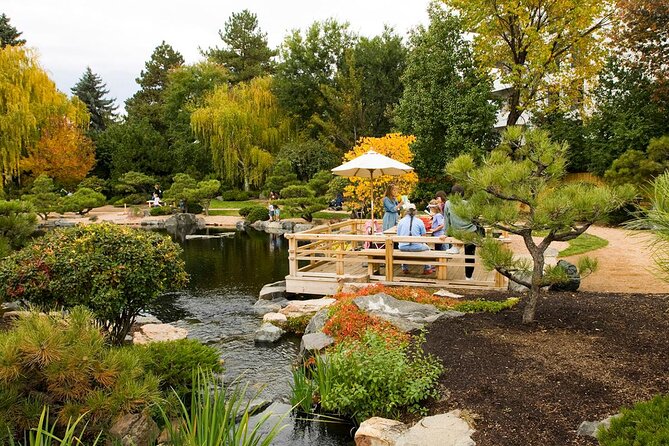
- 24-acre urban oasis at York Street near Capitol Hill, designed for wandering at your pace
- Colorado-ready plant collections chosen to thrive in a semi-arid high-desert climate
- Global gardens close to home, featuring species from Asia, Africa, Patagonia, and more
- Mordecai Children’s Garden is hands-on and seasonal (spring through fall)
- Two dining options for breaks, plus a gift shop with garden tools and books
- Indoor add-ons may include films at the Sturm Family Auditorium and the Science Pyramid habitat exhibit
Ticket price and what $16.50 really buys you
At $16.50 per person, general admission is a solid value if you like walking and plant details. You are not paying for a rushed, checklist tour. Instead, you get time in a well-known garden that works for half-day plans, rainy days, and everything in between.
The ticket covers the main gardens, but it does not include specially ticketed events like Blossoms of Light. That matters because some people show up expecting holiday-style light exhibits year-round and end up disappointed. If your calendar lines up with a separate ticketed event, treat it as an add-on, not part of the base admission.
Duration is listed as about 1 to 3 hours. I’d treat that as a range, not a rule. If you stop to read labels, watch water features, or let kids run, you will likely land closer to the long end.
York Street orientation: an easy start near Capitol Hill
The York Street location is the one to use if you want a quick, city-based escape. It began in 1951, and it is accredited by the American Alliance of Museums, which usually translates to thoughtful exhibits and consistent maintenance.
From a practical standpoint, you get a compact system of garden spaces within a 24-acre footprint. That means you can see a lot without feeling like you need a full-day expedition. A simple strategy works well here: pick a few areas that sound interesting, then fill in the rest as you go.
Parking is limited but complimentary in the public parking complex, which helps if you are driving in. If you like arriving with less stress, go earlier in the day so you have choices for where to park and where to grab coffee before you start walking.
Not settled on one yet? These are other Denver trips our reviewers have been through.
Exploring the semi-arid garden design that fits Colorado
One of the smartest things about Denver Botanic Gardens is that it is built around how Colorado actually grows. The plant palette is chosen to thrive in a semi-arid climate, so you are not just looking at pretty flowers, you are seeing how gardens can work with limited water.
You will notice drought-resistant plants and design choices that make sense for high-desert weather. That makes the garden useful even if you are not a plant nerd. You can walk away with ideas like: which species handle dry conditions, how water features are used, and how outdoor displays look when you are not chasing tropical humidity.
Season matters. On visits in fall, some outdoor flowers can be past peak, and the experience can shift more toward structure, foliage, ponds, and art. That is not a failure. It is a different garden story. If you want peak bloom, consider spring or summer. If you want a relaxed stroll and strong garden architecture, fall and winter walks can still feel rewarding.
Global collections in one city block: plants from Asia to Patagonia
Denver Botanic Gardens does a great job of making a global plant education feel practical. You can move from one themed garden to another and see species from Asia, the Middle East, South Africa, Patagonia, and South and Central America.
This is more than a travel-of-the-world fantasy. It helps you understand that climate and habitat shape plant survival, not just aesthetics. Many of these gardens are designed so you are looking at plants that can adapt to Colorado conditions, not forcing everything into a single idealized look.
The result is an easy way to compare plant forms: textures, leaf shapes, growth patterns, and how water and shade are used across different sections. If you like learning through observation, you’ll get plenty out of simply slowing down and comparing what looks similar and what clearly does not.
Mordecai Children’s Garden: hands-on play with real plant learning
If you are visiting with kids, plan time for the Mordecai Children’s Garden. It sits on top of the parking structure, and it is designed to be both educational and fun. It is a three-acre area with hands-on plant learning and play, and it runs seasonally, open in spring through fall.
What makes this worth your time is the practical kid-focused approach. Kids are not just looking at plants from a distance. They get to interact and learn in a way that feels like play rather than a classroom.
Even if your kids are older or you are traveling solo, this area can still change the pace of your visit. You get a break from the long stroll cycle, plus plenty of open space for rest stops and regrouping.
Art exhibitions and the Science Pyramid habitat exhibit
Botanic gardens can be mostly plants, but Denver Botanic Gardens adds other layers. There are beautiful art exhibitions throughout the property, and that helps you keep interest high even if you are visiting in a slower blooming season.
There is also a featured exhibition in the Science Pyramid called Welcome Home: Meet Your Habitat. If you like plant science but you find pure lecture museums dry, this kind of habitat-focused display can make the whole garden feel more connected. You’ll start seeing not just individual plants, but the idea of ecosystems and survival.
On top of that, the Sturm Family Auditorium offers films for public viewing throughout the day. That is a nice option when the weather turns or when you need a mental reset without leaving the grounds. Check what is running when you arrive, then plan your stroll around it.
What else we logged under Colorado Rockies Tours in Denver


Food and breaks: Offshoots Café and The Hive Garden Bistro
You do not have to pack a full picnic to enjoy a long visit. There are two dining options on-site: Offshoots Café, which is open all year, and The Hive Garden Bistro, which operates three seasons.
This matters because plant walks are easier when you know you can stop for real food, not just a snack. If you come hungry, you can turn the middle of your visit into a relaxed lunch moment and keep the afternoon enjoyable.
In reviews from recent visitors, the café comes up as a highlight, with people mentioning tasty coffee and pastries, plus seasonal drink options. I’d still come with an appetite, because garden days tend to make you walk more than you planned.
For families, having both a café and a children-focused area nearby keeps the day smoother. For couples and solo walkers, dining options help you stay longer without rushing.
Getting around: stroller routes, gravel paths, and pacing
Most of the York Street location is wheelchair and stroller accessible. There are a few gravel paths and stairs, but different routes can be taken to see the area. So the garden is not perfectly flat everywhere, but it is designed with alternatives in mind.
What you should do is plan for a little friction. Wear shoes that handle some uneven ground, even if you are not using a wheelchair. This is also smart if you are bringing a stroller, because gravel can slow things down.
Pacing is the real trick. The garden’s layout encourages you to wander, stop, and loop back. If you try to rush, you will miss the best moments, like finding a quiet bench, looking at pond water features, or taking in art installations without feeling pulled onward.
Aim for a slow 60 minutes, then decide if you want another hour. A comfortable visit usually lands in the 2 to 3 hour zone.
Weather reality in Denver: dress right and keep moving
Denver Botanic Gardens operates in all weather conditions, so you can go even when the sky looks uncertain. That does not mean you should dress for summer sunshine year-round. Bring layers and expect Colorado weather to swing.
A drizzle day can still be peaceful here, and overcast light often makes water features and outdoor art look especially good. If it is cold or windy, plan to use indoor options like films in the auditorium or the habitat exhibit in the Science Pyramid to stay comfortable.
The best approach is to dress for the outdoor walking you will actually do. Hats help, light gloves can matter in chilly months, and you will feel better if you plan for sun as well as cloud.
Gift shop and turning inspiration into at-home ideas
The Shop at the Gardens is more useful than you might expect. You can find garden tools, books, décor, and locally crafted items, plus bath and body products. There is also a children’s section with educational tools, books, and toys.
This is worth factoring into your time budget. A quick browse can turn into 20 minutes easily. The shop also helps you bring the experience home in a practical way, especially if you like gardening or just want something that reminds you of your day outside.
If you visited for plant inspiration, the books and tools are the easiest bridge between a nice afternoon and future weekend projects.
Should you book Denver Botanic Gardens general admission?
If you want an easy, high-value half-day in Denver with real plant education, this is a strong pick. The combination of global collections, Colorado-focused drought-resistant planting, and on-site food and indoor options makes it flexible for different seasons.
You might skip or postpone if you are only chasing peak blooms and you are visiting at a time when outdoor flowers are unlikely to be at their best. Also, if you are hoping for special ticket events like Blossoms of Light, remember they require separate admission, so base general admission is not the same thing as those experiences.
For most people, though, this is a calm, well-run garden outing where you can tailor the pace, stop for meals, and enjoy art and science alongside the plants.
FAQ
How long should I plan to spend at Denver Botanic Gardens?
The general admission experience is listed as about 1 to 3 hours. If you want time to read labels, visit indoor exhibits, or take a long lunch break, plan closer to 2 to 3 hours.
What is included in general admission, and what is not?
General admission includes access to the gardens. It does not include specially ticketed events such as Blossoms of Light. Food and drinks are also not included.
Do I need a printed ticket?
You receive a mobile ticket, so you do not need to rely on printing.
Is there parking at the gardens?
There is limited complimentary parking in the public parking complex associated with the gardens.
Is the gardens accessible for strollers and wheelchairs?
Most of the York Street location is wheelchair and stroller accessible. There are a few gravel paths and stairs, but different routes are available to see the area.
What if the weather is bad?
The experience operates in all weather conditions. You should dress appropriately for the conditions, and if it is canceled due to poor weather, you will be offered a different date or a full refund.
Colorado Rockies Tours: what else we logged in Denver
- Discover Rocky Mountain National Park★ 5.0 · 3,419 reviews
- Small Group Tour of Pikes Peak and the Garden of the Gods from Denver★ 5.0 · 3,079 reviews
- Rocky Mountain Escape★ 5.0 · 1,977 reviews
- Downtown Denver Food Tour★ 5.0 · 1,751 reviews
- 2 Hour LoDo Historic Walking Tour in Denver★ 5.0 · 1,106 reviews
Tour Reviews: more from our Denver desk
- Discover Rocky Mountain National Park★ 5.0 · 3,419 reviews
- Small Group Tour of Pikes Peak and the Garden of the Gods from Denver★ 5.0 · 3,079 reviews
- Rocky Mountain Escape★ 5.0 · 1,977 reviews
- Downtown Denver Food Tour★ 5.0 · 1,751 reviews
- Red Rocks & Beyond★ 5.0 · 1,583 reviews
Newest Denver reviews added to this site
- General Admission to Denver Botanic Gardens Ticket
★ 4.5 · 312 reviews - Denver: City Highlights, Views, and Secret Spots Bus Tour
★ 4.8 · 350 reviews - Guided Hiking Tour in Colorado Rocky Mountains View of Mt BlueSky
★ 5.0 · 366 reviews - Private Pikes Peak Country And Garden of the Gods Tour from Denver
★ 5.0 · 421 reviews - Breckenridge Ultimate Full Day Mountain Tour from Denver
★ 5.0 · 428 reviews - Footsteps Through Denver: Women, History & Hidden Gems
★ 5.0 · 508 reviews - Rocky Mountain National Park and Estes Park Tour from Denver Winter and Spring
★ 5.0 · 511 reviews - Denver and Foothills Mountain Small-Group Tour
★ 5.0 · 551 reviews - From Denver: Red Rocks, Evergreen, and Echo Lake Tour
★ 4.9 · 597 reviews - Denver Craft Beer Tour in Lower Downtown
★ 5.0 · 673 reviews
Colorado Rockies Tours, side by side.
 ★ 5.0Discover Rocky Mountain National ParkFrom $1993,419 reviews
 ★ 5.0Small Group Tour of Pikes Peak and the Garden of the Gods from DenverFrom $1793,079 reviews
 ★ 5.0Rocky Mountain EscapeFrom $1041,977 reviews
 ★ 5.0Downtown Denver Food TourFrom $851,751 reviews
 ★ 5.02 Hour LoDo Historic Walking Tour in DenverFrom $301,106 reviews
 ★ 5.0Durango Half Day Rafting Trip – Lower Animas RiverFrom $107942 reviews
 ★ 5.0Visit Red Rocks Park, Continental Divide & BreckenridgeFrom $138765 reviews
 ★ 5.0Rocky Mountain 6-Zipline Adventure on CO Longest and Fastest!From $151758 reviews
This one is also listed in