
Review · YELLOWSTONE AND GRAND TETON
Grand Teton Wildlife Safari in a Enclosed or Open-Air Vehicle (season dependent)
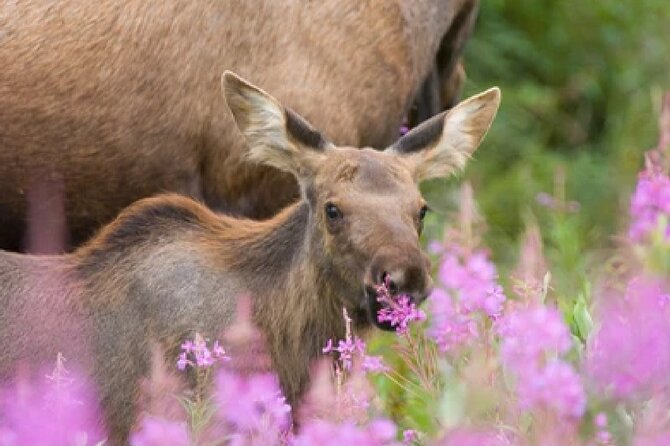
Grand Teton is a wildlife magnet at first light. This small-group safari takes you through the park with a naturalist, scanning the terrain for moose, elk, and wolves while you ride in an open-air vehicle (seasonal) or a warm enclosed one. You also get regular stops for photos, plus real talk about what you are seeing as the light changes.
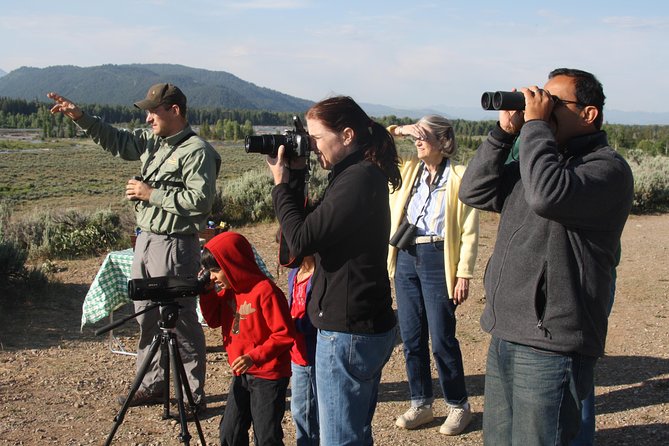
I love the way this tour handles the hunt. With binoculars and a spotting scope in the mix, you are not stuck guessing at distant movement, and the guide uses the dawn and dusk timing to improve your odds.
One drawback to plan for: wildlife is never guaranteed, and it can be cold or blustery depending on the season and your departure time. If you have back issues, note that the summer open-air format is not recommended for travelers with back problems.
In This Review
- Key Points You’ll Actually Care About
- Entering Grand Teton: Where You Start and How You Ride
- Dawn and Dusk Safari Strategy for Wolves, Moose, and Elk
- What the Naturalist Adds: Ecology, Geology, and Human History
- Stop by Stop: What Happens During the Tour
- Stop 1: Grand Teton Viewpoints and Wildlife Scanning
- Stop 2: Mormon Row Historic District Photo Break
- Stop 3: T.A. Moulton Barn or John Moulton Barn
- What’s Included, and What It Means for Your Comfort
- Price and Value: Is $159 Worth It?
- Best Fit: Who This Safari Works For
- Quick Decision: Should You Book This Grand Teton Safari?
- FAQ
- How long is the Grand Teton wildlife safari?
- Where does the tour start?
- Are the vehicles open-air or enclosed?
- What wildlife might you see?
- What is included in the price?
- Are national park entrance fees included?
- Is hotel pickup included?
- Are children allowed?
- Is the tour suitable for people with back problems in summer?
- Can I cancel for a refund?
Key Points You’ll Actually Care About
- 12 travelers max means you get more eyes on the wildlife and more time for questions.
- Dawn or dusk departures help you catch animals when they are most active.
- Binoculars and a spotting scope are included, so you can see beyond the road.
- A naturalist guide connects wildlife sightings to the park’s ecology, geology, and human history.
- Photo stops at major viewpoints keep the “drive” from feeling like only, well, driving.
- Seasonal vehicle style: open-air in summer, enclosed and heated or air-conditioned in colder months.
Entering Grand Teton: Where You Start and How You Ride
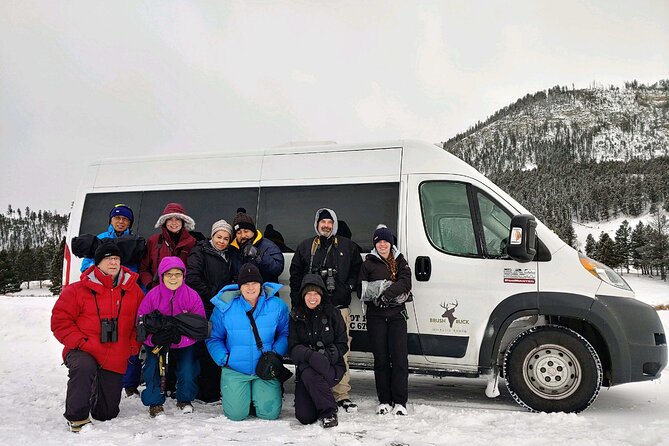
This safari is based in Jackson Hole, with the main meeting point at 210 N Cache St, Jackson, WY 83001. The tour loops back to the same meeting spot, so you are not dealing with complicated drop-offs.
How you ride depends on the season. From June 15 through August 31, you typically go in an open-air safari vehicle (weather dependent), with the wind in your face and wide views above and to the sides. From September 1 through June 14, you switch to an enclosed, heated or air-conditioned vehicle, which is a big deal when temperatures swing or weather turns.
A detail I appreciate for comfort and sanity: this is capped at 12 travelers. That size tends to make wildlife spotting feel coordinated, not chaotic, and it helps the guide keep track of who has what view angle.
If you are traveling with kids, there is a hard limit: children age 5 and younger are not allowed. Service animals are allowed, and the meeting area is near public transportation, which can help if you are not renting a car.
Dawn and Dusk Safari Strategy for Wolves, Moose, and Elk
This tour is designed for the moments wildlife is most likely to show up. You go out at dawn or dusk, when many animals feed or move more actively and when visibility from roadside pull-offs often feels best.
In practice, that means you are scanning constantly, but in a guided way. Your naturalist is looking for movement patterns, tracks, feeding areas, and the kinds of habitats where big animals tend to appear, like open edges near woods or stretches where grazing is easy. You will also keep an eye overhead, since birds often act like a weather vane for what is happening on the ground.
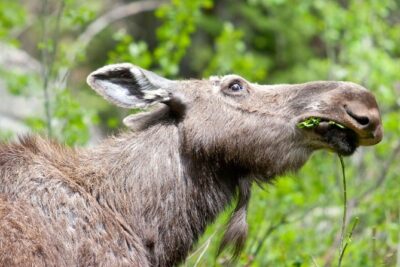
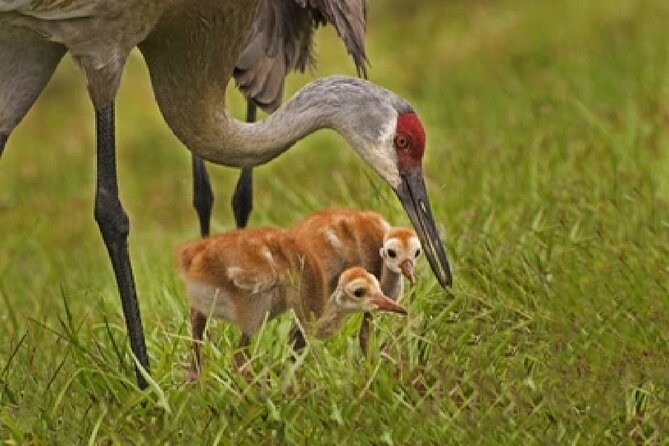
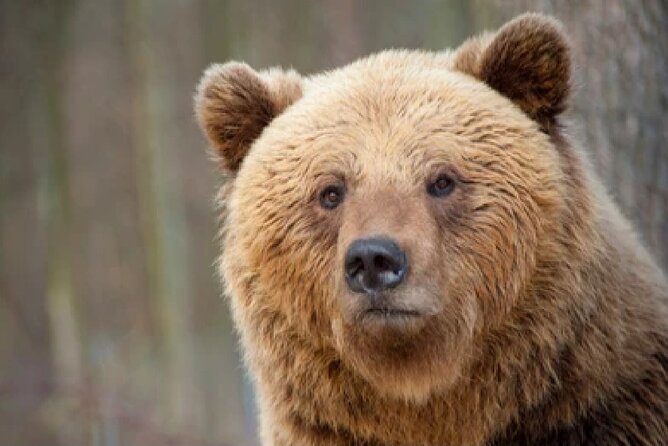
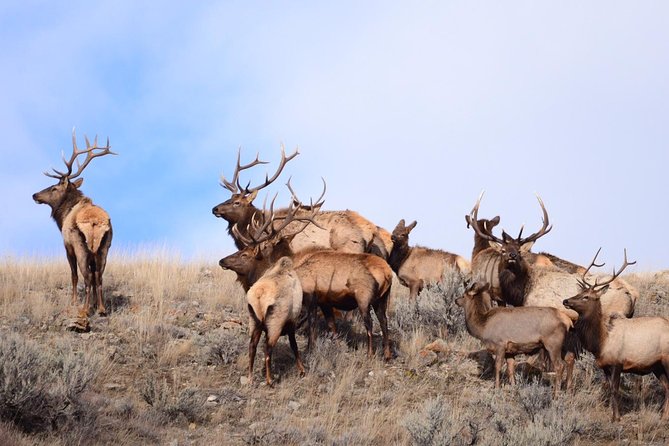
The species list is broad, and the point is that your guide is watching for multiple targets, not just one. In Grand Teton, you may see elk, moose, mule deer, pronghorn, bison, and sometimes wolves. Birding also plays a role: you might spot bald eagles, golden eagles, osprey, hawks, and owls.
One thing I want you to remember: distances in a national park can be far. Even when animals are near, they might be half-hidden, moving between patches of cover, or simply staying alert. This is where the included binoculars and spotting scope change the experience from wishful thinking to real viewing.
Further Wildlife covered by our reviewers in Jackson
What the Naturalist Adds: Ecology, Geology, and Human History
If your main goal is wildlife, you will still get plenty of that. But the real value is how the guide helps you interpret what you are seeing, so it sticks after the trip.
You are not just riding and pointing. The guide discusses the park’s ecology and wildlife patterns, plus the history, geology, and culture tied to the Tetons. That context matters, because Grand Teton is not a random backdrop. The terrain shapes where animals move, where birds hunt, and even why certain viewpoints look the way they do.
On the road, your guide also makes frequent stops so you can get photos. That is useful for two reasons. First, it prevents the group from being stuck in a rush. Second, it gives you time to adjust your eyes to the light, then use the scope or binoculars without feeling like you are competing with the next sighting.
The park is huge, and your route covers part of the 310,000 acres that make up Grand Teton National Park. You are also surrounded by a living mix of mammals and birds, with the guide actively scanning for likely opportunities across the day’s conditions.
Guides often get praised for their ability to keep the drive lively as they wait for wildlife. I like that this tour tends to feel like a conversation, not a lecture, with plenty of time to ask questions and focus on what you want to see.
Stop by Stop: What Happens During the Tour
Stop 1: Grand Teton Viewpoints and Wildlife Scanning
This is the heart of the safari. Most of your serious wildlife searching happens in and around Grand Teton, where animals can appear within park boundaries and where seasonal changes influence what you are likely to find.
The guide will keep repositioning as they spot potential activity. You might catch large herbivores feeding, watch smaller movements in the brush, or see birds working the sky. On top of the mammal targets, this is also prime time for raptors and other birds, since the area can be excellent for birders.
You should expect frequent pull-offs and photo pauses. The timing matters: animals often show up for brief windows, and the guide’s job is to spot the window early enough for everyone to see.
Stop 2: Mormon Row Historic District Photo Break
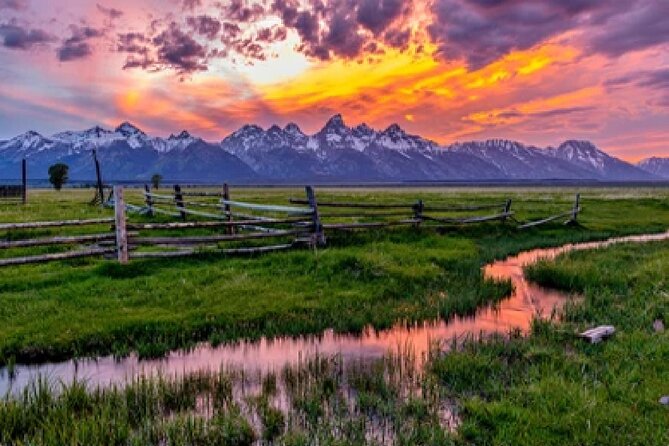
In the March to November window, you stop at the Mormon Row Historic District. This is where you can take photos at the site of the most photographed barn in America, tied to Jackson Hole’s original Mormon homesteaders.
You get about 20 minutes here. That is enough time to shoot photos in both directions, adjust for light, and still rejoin the group without feeling dragged.
Tours running in December to February do not make this stop because of snow coverage. If your trip lands in winter, plan on a different flow and focus more on wildlife and park driving.
Further Yellowstone and Grand Teton covered by our reviewers in Jackson
Stop 3: T.A. Moulton Barn or John Moulton Barn
Also in March to November, you get a second historic barn stop, again about 20 minutes. The guide will stop at either the T.A. Moulton Barn or the John Moulton Barn, depending on conditions and route choices.
Either way, it is a classic Tetons backdrop and a fun change of pace from pure wildlife watching. Just remember, these stops are photo oriented, so if the only thing you want is animals, you might feel the rhythm shift for a short time.
As with Mormon Row, winter tours skip these barn stops due to snow coverage.
What’s Included, and What It Means for Your Comfort
This safari is not just wildlife spotting. It is also a comfort and viewing bundle.
Included items:
- Snacks, bottled water, and soda
- Binoculars and/or a spotting scope
- Transport in an open-air vehicle in summer and an enclosed, heated or air-conditioned vehicle in colder months
- Hotel pickup in the approved Jackson Hole area from November to mid-May
- In summer, hotel pickup in the Jackson Hole area is available upon request
- Mobile ticket, offered in English
What you should plan for:
- In summer open-air departures, wind matters. Bring a jacket even if the day looks mild, because the cold can sneak in at the start.
- In cooler months, you will want winter gear, including snow boots, snow pants or bibs, a winter jacket, gloves, and layers like a beanie and scarf.
From what shows up in guide feedback, some trips also include thoughtful extras like warm blankets for early cold departures. Even so, I would not build your comfort plan solely on that. Dress for the weather first.
For viewing tools, the binoculars and scope inclusion is a genuine advantage. It means you spend your mental energy spotting, not deciding whether your personal gear can keep up.
One more practical tip: wear layers and plan for quick changes. The difference between dawn and morning warmth can be bigger than you expect around the Tetons.
Price and Value: Is $159 Worth It?
At $159 per person for about 4 hours, this can feel like a splurge until you break down what you actually get.
You are paying for three things at once:
- A guide with a scanning routine who knows where to look and how to organize the group’s viewing.
- Wildlife tools (binoculars and a spotting scope) that are not just optional extras.
- Time spent in the right window (dawn or dusk), plus education that turns sightings into understanding.
If you are the type who drives your own route, the big question is whether the guide truly improves results. This tour’s strongest argument is not that it can promise wolves or bears. It is that it can help you find more opportunities and see them better, especially when distances are long and animals are moving or partially hidden.
The small group size helps too. With up to 12 travelers, the guide can shift positions and make sure multiple people get a view, not just the front rows.
Is it a bargain compared to doing nothing? No. Is it a solid value if you want a guided day that is focused on wildlife and not wasted time? Yes, especially if you do not already own binoculars or a scope and you want help translating what you are seeing.
Gratuities are not included, and the recommendation is 10 to 15 percent.
Best Fit: Who This Safari Works For
This safari is a great match if you want:
- A guided wildlife search rather than solo driving
- Dawn or dusk viewing with binocular support
- A naturalist who explains how wildlife, geology, and human history connect
- A small-group day that stays organized
It is also a good pick for families with older kids who can handle sitting and watching for long stretches. Guides are known for making sure everyone gets time to view using the binoculars, and that matters a lot when you are traveling with kids.
It is less ideal if:
- You are hoping for guaranteed animal sightings. Wildlife timing is weather and chance dependent.
- Your back gets cranky in summer open-air vehicles. The summer format is not recommended for travelers with back problems.
- You dislike cold starts. Early departures can be chilly, even in summer, so dress accordingly.
Quick Decision: Should You Book This Grand Teton Safari?
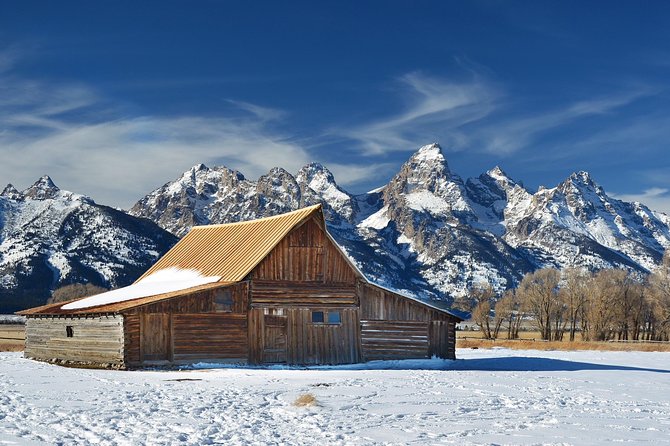
Book it if you want a structured, guided Grand Teton wildlife day with small-group attention, included viewing gear, and stops that mix wildlife with a couple of iconic photo moments at Mormon Row and the Moulton Barn area.
Skip it or adjust expectations if you mainly want constant action. This is a safari built on patience, and the schedule includes photo stops in certain months. Wildlife is never guaranteed, but your odds improve with the timing, and your viewing improves with the binoculars and scope.
If you go, come dressed for the weather, plan for long watching, and use the chance to ask your guide questions. That is where the day turns from sightings into a story you will actually remember.
FAQ
How long is the Grand Teton wildlife safari?
The tour runs for about 4 hours.
Where does the tour start?
The meeting point is 210 N Cache St, Jackson, WY 83001, and the tour ends back at the meeting point.
Are the vehicles open-air or enclosed?
It is open-air in summer (June 15 to August 31, weather dependent). From September 1 to June 14, it runs in an enclosed, heated or air-conditioned vehicle.
What wildlife might you see?
You are specifically targeting animals such as wolves, moose, and elk, along with other possible species like bison, mule deer, pronghorn, and bears. You may also see birds such as bald eagles, golden eagles, osprey, hawks, and owls.
What is included in the price?
Included items include snacks, bottled water, soda, and use of binoculars/scope, plus transportation in the appropriate vehicle type.
Are national park entrance fees included?
No, national park entrance fees are not included.
Is hotel pickup included?
For November to mid-May, hotel pickup in the approved Jackson Hole area is included. For summer, hotel pickup is available upon request, and summer hotel pickup is not listed as included for everyone by default.
Are children allowed?
Children 5 years and younger are not allowed.
Is the tour suitable for people with back problems in summer?
Summer open-air safari tours are not recommended for travelers with back problems.
Can I cancel for a refund?
This experience is non-refundable and cannot be changed. If it is canceled due to poor weather, you will be offered a different date or a full refund. If the tour is canceled because the minimum traveler requirement is not met, you will be offered a different date or a full refund.
More logged under Yellowstone and Grand Teton in Jackson
- From Jackson Hole: Yellowstone Old Faithful, Waterfalls and Wildlife Day Tour★ 5.0 · 1,557 reviews
- Grand Teton Half Day Tour★ 5.0 · 1,067 reviews
- Sunset 4-Hour Grand Teton Wildlife Adventure★ 5.0 · 1,020 reviews
- Tetons and Snake River Scenic Float Trip In Jackson Hole★ 5.0 · 1,000 reviews
- Whitewater Rafting in Jackson Hole : Family Standard Raft★ 5.0 · 965 reviews
More logged under Wildlife in Jackson
- From Jackson Hole: Yellowstone Old Faithful, Waterfalls and Wildlife Day Tour★ 5.0 · 1,557 reviews
- Sunset 4-Hour Grand Teton Wildlife Adventure★ 5.0 · 1,020 reviews
- Sunrise 4-Hour Grand Teton Wildlife Adventure★ 5.0 · 899 reviews
- Half-Day Wildlife Safari Tour in Grand Teton National Park★ 5.0 · 341 reviews
Tour Reviews: more from our Jackson desk
- From Jackson Hole: Yellowstone Old Faithful, Waterfalls and Wildlife Day Tour★ 5.0 · 1,557 reviews
- Grand Teton Half Day Tour★ 5.0 · 1,067 reviews
- Sunset 4-Hour Grand Teton Wildlife Adventure★ 5.0 · 1,020 reviews
- Tetons and Snake River Scenic Float Trip In Jackson Hole★ 5.0 · 1,000 reviews
- Whitewater Rafting in Jackson Hole : Family Standard Raft★ 5.0 · 965 reviews
Newest Jackson reviews added to this site
- Grand Teton and National Elk Refuge Winter Wonderland Full Day Adventure
★ 5.0 · 314 reviews - Yellowstone Old Faithful Full-Day Snowmobile Tour from Jackson Hole
★ 5.0 · 318 reviews - Jackson Hole Whitewater Rafting Classic from Jackson Hole,Wyoming
★ 5.0 · 365 reviews - Yellowstone National Park – Full-Day Lower Loop Tour from Jackson
★ 5.0 · 502 reviews - Whitewater Rafting in Jackson Hole: Small Boat Excitement
★ 5.0 · 542 reviews - Yellowstone Lower Loop Full-Day Tour
★ 5.0 · 687 reviews - Snake River Scenic Float Trip with Teton Views in Jackson Hole
★ 5.0 · 864 reviews - Sunrise 4-Hour Grand Teton Wildlife Adventure
★ 5.0 · 899 reviews - Horseback Riding with Grand Teton Views in Jackson Hole
★ 4.5 · 916 reviews - Whitewater Rafting in Jackson Hole : Family Standard Raft
★ 5.0 · 965 reviews
Yellowstone and Grand Teton, side by side.
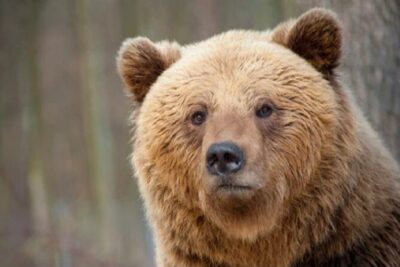 ★ 5.0From Jackson Hole: Yellowstone Old Faithful, Waterfalls and Wildlife Day TourFrom $3291,557 reviews
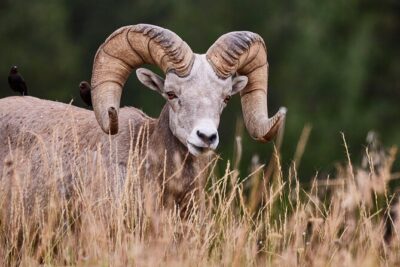 ★ 5.0Grand Teton Half Day TourFrom $1491,067 reviews
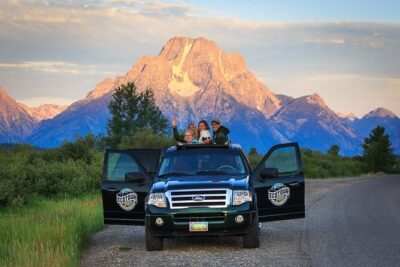 ★ 5.0Sunset 4-Hour Grand Teton Wildlife AdventureFrom $1981,020 reviews
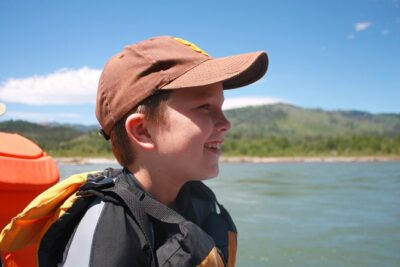 ★ 5.0Tetons and Snake River Scenic Float Trip In Jackson HoleFrom $1201,000 reviews
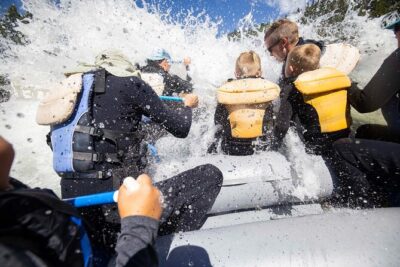 ★ 5.0Whitewater Rafting in Jackson Hole : Family Standard RaftFrom $120965 reviews
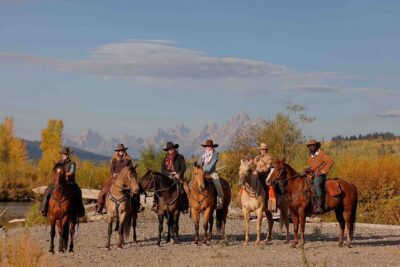 ★ 4.5Horseback Riding with Grand Teton Views in Jackson HoleFrom $135916 reviews
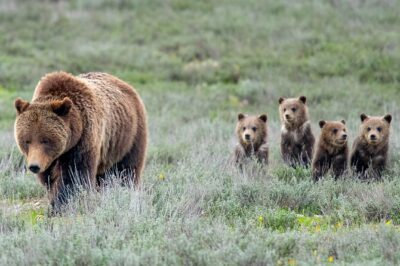 ★ 5.0Sunrise 4-Hour Grand Teton Wildlife AdventureFrom $198899 reviews
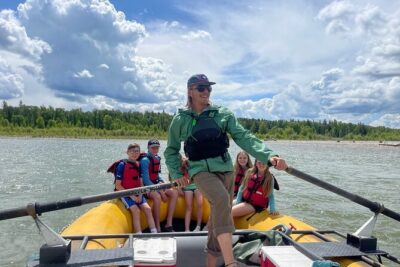 ★ 5.0Snake River Scenic Float Trip with Teton Views in Jackson HoleFrom $115864 reviews
This one is also listed in