
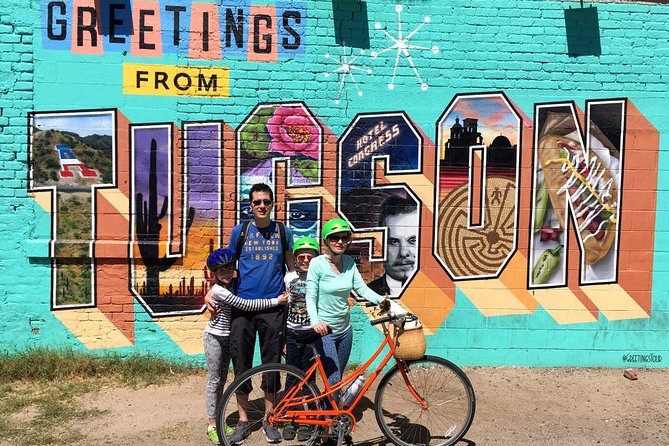
Review · PHOENIX SCOTTSDALE AND TUCSON
Historic Bike Tour in Tucson
A snake-shaped bridge and old Tucson, by bike. This Historic Bike Tour in Tucson mixes architecture, shrines, and street-level storytelling, with a relaxed pace that still gets you across town. I especially like the ride over Rattlesnake Bridge and the way the tour threads you through Barrio Viejo’s colorful adobes and landmarks, including El Tiradito Shrine.
You’ll also get a strong sense of where things are, fast. The route moves from downtown sights to university bike lanes and out toward the Santa Cruz River, so you see Tucson’s layout in a way walking just cannot match. One thing to plan for, though, is heat on an afternoon departure, since you’re biking through mostly open outdoor areas with only short breaks.
In This Review
- Key Stops and Why They Matter
- Tucson in 2 Hours 15 Minutes, Without Overthinking It
- Rattlesnake Bridge: The Ride Where Tucson Gets Silly (In a Good Way)
- Southern-Pacfic Station to El Presidio: Downtown Stops That Teach You the Map
- Southern Arizona Transportation Museum (Historic Southern-Pacific train station)
- Tucson Museum of Art and Historic Block, in El Presidio
- Pima County Courthouse
- St. Augustine Cathedral
- Barrio Viejo: Adobe Homes, Shrines, and That Old-Tucson Feel
- El Tiradito Shrine
- Mercado San Agustin
- Santa Cruz River Trail and Barrio Kroger Lane: The View Stretch
- Biking Comfort, Safety, and How the Small Group Works
- Price and Value: Is $83 Worth 2 Hours 15 Minutes?
- Morning vs Afternoon: Choose Your Weather Like a Local
- Should You Book This Historic Bike Tour of Tucson?
- FAQ
- How long is the Historic Bike Tour in Tucson?
- Is the tour offered in the morning and afternoon?
- What is included with the tour price?
- How big is the group?
- What are the height and shoe requirements?
- What if the weather is bad, or I need to cancel?
Key Stops and Why They Matter
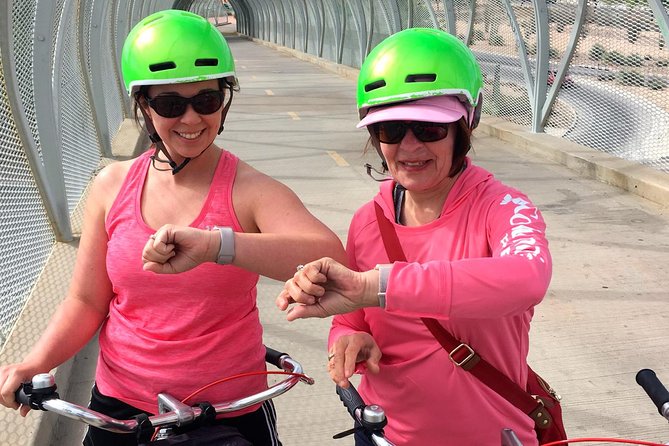
- Rattlesnake Bridge at 28 feet long, completed in 2002, built in the shape of a diamondback rattlesnake
- Barrio Viejo streets and adobe homes, plus photo stops around local shrines and corners
- El Tiradito Shrine, a Barrio Viejo landmark that’s quick to reach and easy to understand on the ride
- Santa Cruz River views from the area near Barrio Kroger Lane and the Santa Cruz River Trail
- Historic downtown photo points, including the old Southern-Pacific station and major religious and civic buildings
- Small-group size of up to 8, which keeps the pace calm and lets you ask questions
Tucson in 2 Hours 15 Minutes, Without Overthinking It
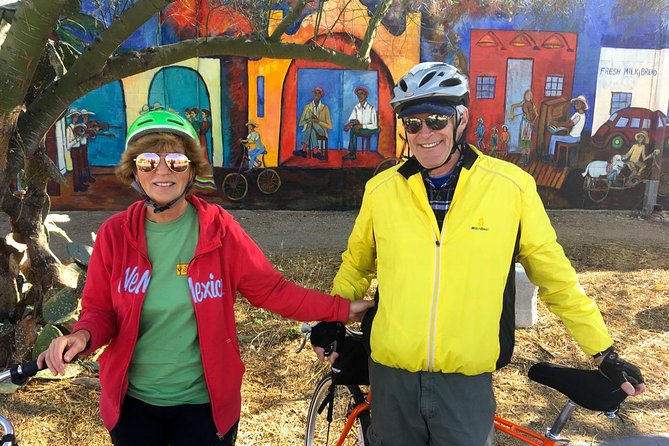
If you want Tucson to feel like a place you can navigate, not just a list of stops, this tour hits the sweet spot. At about 2 hours 15 minutes, you get a guided route that covers neighborhoods you might otherwise stitch together with a car or a lot of rideshare time.
The pace is relaxed, but the variety is real. You shift between quiet avenues, busy bike lanes near the university, and paths that bring you closer to the Santa Cruz River. That mix matters because Tucson is not one single mood. It is downtown grit, Spanish-era footprints, and modern bike culture, all within a short ride.
There’s also a practical bonus: you start and end at the same place, so you do not have to solve a logistics puzzle at the end of your outing. The meeting point is 215 N Hoff Ave, Tucson, and the activity ends back there.
Rattlesnake Bridge: The Ride Where Tucson Gets Silly (In a Good Way)
The tour begins with one of Tucson’s most unusual bike moments: Rattlesnake Bridge, a downtown bridge 28 feet long that was completed in 2002. It is shaped like a diamondback rattlesnake, so yes, you bike over the body.
What makes this stop work is how it sets the tone. The guide ties it to local stories, including tales of bank robbers and outlaws tied to the area. It is a fun history angle, not a lecture. You also get a built-in action moment that is easy to remember later, even if you forget every architectural term.
And because the bridge is part structure and part story, you get something useful beyond photos. You get a mental marker for where the downtown grid meets the biking routes. That helps later if you want to explore on your own, because you now know what connects to what.
Practical note: keep a steady grip. The tour emphasizes holding your handles as you bike through the snake-shaped form, and the goal is to keep everyone comfortable and safe.
Not settled on one yet? These are other Tucson trips our reviewers have been through.
Southern-Pacfic Station to El Presidio: Downtown Stops That Teach You the Map
After the bridge, you move into the historic downtown core with several quick, high-value pauses. These are short stops, but they are placed well so you can look up at buildings, not just glance at street corners.
Southern Arizona Transportation Museum (Historic Southern-Pacific train station)
The first downtown stop is the Southern Arizona Transportation Museum inside the Historic Southern-Pacific train station. It is a free-entry stop, and it’s a smart way to start the story of Tucson as a connected city, not just an isolated desert town. Even if you do not go deep inside at this stop, the station setting gives you context for how the region moved goods and people.
Tucson Museum of Art and Historic Block, in El Presidio
Next you pause at the Tucson Museum of Art and Historic Block, located in the heart of El Presidio. This area is one of the reasons a bike tour works so well: you can see the way the neighborhood holds its identity in the street layout and building edges. It is also a free stop, which keeps the tour easy on the wallet.
Pima County Courthouse
The route then includes the Pima County Courthouse, described as perhaps the most beautiful building in Tucson. Even with a brief look, it gives you a sense of the civic pride that shaped downtown growth. The courthouse stop is only a couple minutes, so you are not expected to study details like an architecture student. You’re getting orientation plus a few signature photo angles.
St. Augustine Cathedral
Then comes St. Augustine Cathedral, the spiritual hub of town. This stop is quick, but it matters because it rounds out the Tucson story. You get government, arts and neighborhood identity, then faith as a community anchor.
One drawback to know: because these downtown pauses are short, you have to bring your best “quick scan” mindset. If you love long museum time, you might want to add extra independent time after the tour.
Barrio Viejo: Adobe Homes, Shrines, and That Old-Tucson Feel
Once the downtown core gives you the map, the tour turns toward Barrio Viejo, where Tucson feels older and more intimate. This is where the streets narrow in character, and the landmarks feel like they belong to the neighborhood, not just to the city at large.
El Tiradito Shrine
A standout stop here is El Tiradito Shrine, a Barrio Viejo landmark. It’s a small stop, around 5 minutes, but it is one of those places you can actually process quickly with the guide’s context. On a bike, you can reach it without a long detour, and you can still keep momentum.
What you learn is not just facts. You learn how the city’s spiritual landmarks sit alongside everyday walls and alleys. That gives you a different reading of Tucson once you leave.
Mercado San Agustin
Another friendly pause is Mercado San Agustin, an outdoor space that feels casual and local. The tour’s timing works well here because it gives you a breather without turning the ride into a long stop-and-start day.
If you plan to eat before or after, this is a helpful area to know. You can use it as a starting point for your own food search later.
Santa Cruz River Trail and Barrio Kroger Lane: The View Stretch
The tour’s final movement pulls you toward the Santa Cruz River. You get a closer look through the area around Barrio Kroger Lane, and then you ride a short section of the Santa Cruz River Trail, part of the 55-mile loop system known as The Loop.
This part is valuable for a simple reason: it shows you Tucson outside the rigid downtown grid. The river area feels more like a corridor than a destination, and that is exactly why it helps to see it by bike. You get the change in atmosphere without needing hours of transit.
Another plus: in a compact tour, a river view can refresh your eyes and reset your attention. It also helps you understand why Tucson people talk about bikes and trails so much. You are not just riding on streets. You are moving along a route system that locals actually use.
A quick reality check: the ride time on the trail is short. If you want to lengthen the experience, The Loop is built for that. After your tour, you can keep going on your own if your energy holds.
Biking Comfort, Safety, and How the Small Group Works
This tour caps at 8 people, which is a big deal for how it feels on the road. Small groups move calmly. You get more time for photo moments and questions, and the guide can adjust to the group instead of forcing everyone into the same rhythm.
Equipment is included. You get a bicycle appropriate for your height and a helmet, plus equipment for the ride. The tour is conducted in English, and you’ll receive confirmation at the time of booking. It’s also run with a mobile ticket, which keeps things simple.
From the experience details, the tour is designed to fit most people, and the route is described as having varied terrain but an overall relaxed vibe. You’ll also see why Tucson’s bike lanes and paths matter. One theme from how people describe the ride is that you do not feel like you are constantly negotiating traffic.
You still need to follow the practical rules:
- No open-toed shoes
- Bring your own comfort habits for heat and water breaks, since it is still an outdoor ride
- You must be within the height range of 4’8″ to 6’6″ (142 to 198 cm), and the max weight is 260 lbs
- The tour works best with a bike that fits you well, so do not assume standard rentals will match you
Also, if your guide is Lorraine, that matters. People highlight her energy, her attention to rider needs, and her ability to slow down for details that help you see the city with your own eyes. One interesting detail: she is willing to pause if someone wants to chase a moment outdoors, like spotting wildlife.
Price and Value: Is $83 Worth 2 Hours 15 Minutes?
At $83 per person, the price sounds like a splurge until you look at what is included. You get a guided route, bike and helmet, and access to multiple free stops across downtown and neighborhoods. You also get a story thread that connects the visuals, so you leave with meaning, not just pictures.
Value is also about time. If you tried to build this on your own, you would spend more on transport and lose the in-the-streets context. You would also likely skip the smaller stops, because they take extra navigation effort.
For many people, the real win is that this tour helps you plan the rest of your Tucson day. The architecture stops show you what matters downtown. The Barrio Viejo stops show you how the city’s older character lives in alleys and shrines. The Santa Cruz River segment shows you where the trails connect.
If you like guided tours for orientation and then prefer to explore solo afterward, this is a solid way to start.
Morning vs Afternoon: Choose Your Weather Like a Local
The tour offers both morning and afternoon departures, and the practical advice here is simple: morning usually makes the most sense in Tucson. Afternoon can mean stronger sun and more heat exposure, even with short breaks and a relaxed pace.
If you are the kind of person who gets cranky when the weather turns, pick the morning ride. You’ll spend less of the outing fighting the temperature.
What to wear is equally important:
- closed-toe shoes
- sun protection
- a light layer, since conditions can shift as you move from downtown to river-adjacent areas
You are outdoors for most of the ride, so treat this like a bike outing, not a museum crawl.
Should You Book This Historic Bike Tour of Tucson?
Book it if you want a quick, friendly way to learn Tucson without complicated planning. This is especially a good match if you:
- want a small-group ride with plenty of stops
- like history told through streets, buildings, and landmarks
- want to see the major areas, then explore more on your own afterward
Skip it if you need long museum time during the tour. The stops are brief by design, so you may feel pulled away from deeper exploring unless you plan extra time later.
For most people, though, this is one of the easiest ways to start understanding Tucson. You get the snake-shaped bridge, the Barrio Viejo landmarks, and the Santa Cruz River views, all in a ride that feels manageable.
FAQ
How long is the Historic Bike Tour in Tucson?
It runs about 2 hours and 15 minutes.
Is the tour offered in the morning and afternoon?
Yes, you can choose either a morning or an afternoon departure.
What is included with the tour price?
The tour includes a bicycle appropriate for your height and a helmet, and you receive a short safety orientation from the guide.
How big is the group?
The tour has a maximum group size of 8 people.
What are the height and shoe requirements?
You must be between 4’8″ and 6’6″ tall (142 to 198 cm). The maximum weight is 260 lbs. No open-toed shoes are allowed.
What if the weather is bad, or I need to cancel?
This experience requires good weather. If it is canceled due to poor weather, you will be offered a different date or a full refund. You can cancel for a full refund up to 24 hours in advance; within 24 hours, the amount paid is not refunded.
Tours: the rest of the Tucson file
- Saguaro National Park East E-Bike Tour★ 5.0 · 316 reviews
Tour Reviews: more from our Tucson desk
- Saguaro National Park East E-Bike Tour★ 5.0 · 316 reviews
Newest Tucson reviews added to this site
- Historic Bike Tour in Tucson
★ 5.0 · 553 reviews
Phoenix Scottsdale and Tucson, side by side.
 ★ 5.0Pedal Bar Crawl of Old Town ScottsdaleFrom $694,254 reviews
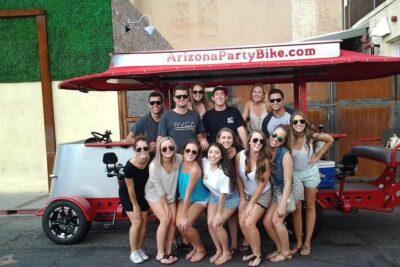 ★ 5.0Party Bike Private Party Up To 14 People in Old Town ScottsdaleFrom $5993,541 reviews
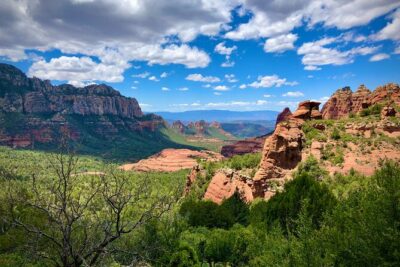 ★ 5.0Small-Group or Private Grand Canyon with Sedona Tour from PhoenixFrom $2352,405 reviews
 ★ 5.0Phoenix Morning Hot Air Balloon Ride with Bubbly + BreakfastFrom $2602,049 reviews
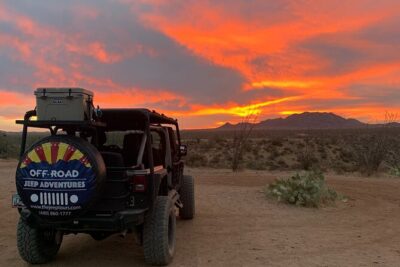 ★ 5.0Private Scottsdale Off-Road Jeep TourFrom $2191,247 reviews
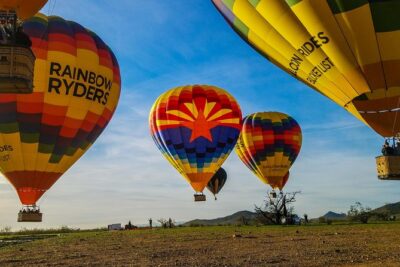 ★ 5.0Phoenix Hot Air Balloon Ride at SunriseFrom $209709 reviews
 ★ 5.0Phoenix area Hot Air Balloon Ride on the Largest Balloon in USAFrom $199702 reviews
 ★ 4.8From Phoenix: Grand Canyon with Sedona Day TourFrom $219511 reviews
This one is also listed in