
Review · ATLANTA AND BIRMINGHAM TOURS
Martin Luther King Jr. History Walking Tour
Atlanta’s Sweet Auburn tells stories you can walk.
This Martin Luther King Jr. History Walking Tour is a smart, ticketed way to see key Civil Rights sites in Sweet Auburn while your guide connects the buildings to real moments in MLK’s life. I especially like that it blends public landmarks, like Ebenezer Baptist Church and the King Center, with the kind of behind-the-scenes locations that most self-guided visits miss.
One heads-up: you’re on your feet for a 2.5-hour stroll that includes some small hills, plus you should plan for rain or shine.
In This Review
- Key takeaways before you go
- Why this MLK walking tour in Atlanta works so well
- Start at Auburn Avenue: getting oriented fast
- Stop 0: Ebenezer Baptist Church exterior, the emotional opening act
- The MLK National Historic Site stop: where the tour slows down
- Prince Hall Grand Lodge: the quieter power of organizing
- Jackson Street Bridge: the short stop that gives you the big picture
- Sweet Auburn: the heart of the walk, and the time to pay attention
- King Center: memorial space, practical timing
- International Civil Rights Walk of Fame: shoe prints you can follow
- Group size and guides: why the tour feels personal
- Price and value: what $40 buys you in real terms
- What to bring and how to plan your day
- Is this the right tour for you?
- Should you book this MLK walking tour in Atlanta?
- FAQ
- Where does the Martin Luther King Jr. History Walking Tour start and end?
- How long is the tour?
- What is included in the tour ticket?
- Is transportation provided to or from the tour?
- What happens if buildings at the National Historic Site are closed?
- Does the tour run in bad weather?
- Is the tour suitable for people who struggle with walking?
- How much walking is involved?
- Can I get a refund if I cancel?
Key takeaways before you go

- Sweet Auburn on foot: the route stays in one neighborhood so you do not waste time crisscrossing Atlanta
- Ticketed time at the main sites: you get scheduled entry time at the MLK National Historic Site and other major stops
- Jackson Street Bridge skyline payoff: a short stop with iconic views that ties the past to the city around you
- Prince Hall Grand Lodge gets attention: you see a historic space tied to MLK and Congressman John Lewis’s offices
- Walk of Fame shoe prints: you make connections between Civil Rights leaders and their lasting legacy in the neighborhood
Why this MLK walking tour in Atlanta works so well
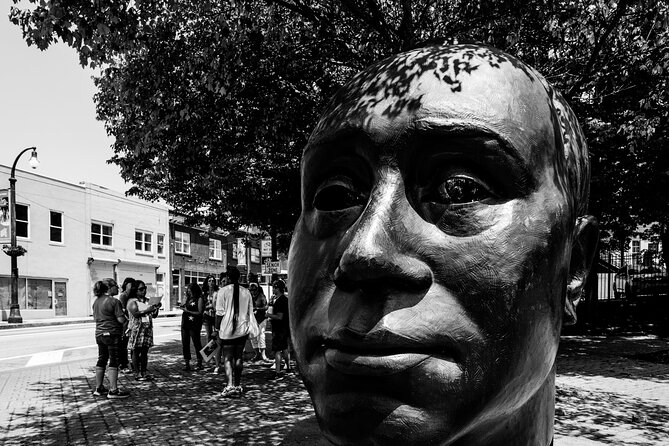
If you want to understand Atlanta’s Civil Rights story, you need more than plaques and photos. This tour is built around the idea that the neighborhood itself is part of the lesson. You move from church to institutional landmarks to memorial spaces, and the guide keeps tying it back to how organizing happened in real rooms, real streets, and real communities.
I like that the pacing is structured but not rushed. It is long enough to feel meaningful, about 2 hours 30 minutes, but the stops are broken into workable chunks. You get time at the MLK National Historic Site, then shorter visits at places like the King Center and the International Civil Rights Walk of Fame, plus a real viewpoint moment at Jackson Street Bridge.
For value, the best clue is that admission tickets are included for the key stops. At $40 per person, that makes the pricing feel less like a lecture and more like a guided, entry-based neighborhood walk. If you are already planning to visit multiple sites anyway, this format can save time, stress, and duplicate ticketing.
Start at Auburn Avenue: getting oriented fast
The tour starts at 450A Auburn Ave NE, Atlanta, and ends back at the meeting point. That matters because you are not left wandering afterward wondering where your day went.
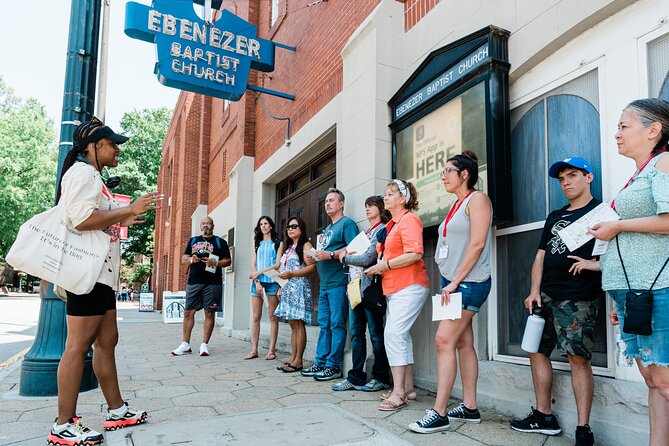
Your early focus is the Ebenezer Baptist Church area. You begin with the exterior of the historic Ebenezer Baptist Church, which sets the tone immediately. The guide uses this as a springboard into Atlanta’s Civil Rights story, then you build toward the larger MLK National Historic Site later in the walk.
This is a good setup if you like context before you hit the major memorial spaces. It also helps you notice details you might otherwise overlook, like how the neighborhood layout influences how people gathered, marched, and organized.
Not settled on one yet? These are other Atlanta trips our reviewers have been through.

Stop 0: Ebenezer Baptist Church exterior, the emotional opening act
The first stop is outside only of the Historic Ebenezer Baptist Church. You are not going inside the Heritage Sanctuary on this tour.
Even as an exterior-only stop, it can still land hard because of how central Ebenezer is to the MLK story. The guide uses it as an introduction, then keeps moving so you are not stuck waiting for the “big” stops. If you are the type who likes a quiet moment to take photos, you can do that here, but the tour energy stays active.
Practical tip: take a second here to look up and around. Churches like this are not just buildings, they are anchors for a whole community story.
The MLK National Historic Site stop: where the tour slows down

Your tour includes an overview at the MLK National Historic Site and then a more detailed walk through various areas on the site. This is the longest scheduled chunk on the route, about 25 minutes, and your admission ticket is included.
This stop is likely to be the most information-dense part of the day. You should expect the guide to connect different spaces to public leadership and private life, with emphasis on how Atlanta shaped MLK’s work.
One important consideration: National Park buildings can close at any time due to potential staffing shortages. That does not mean the tour falls apart, but it can change which indoor areas you get to see on the day you go.
What this means for you: if you hate uncertainty, aim for patience. The guide can usually adapt, and the outdoor and accessible parts still do a lot of storytelling.
Prince Hall Grand Lodge: the quieter power of organizing
Next comes a stop focused on the exterior of the Prince Hall Grand Lodge. You will see it as a location connected to Dr. Martin Luther King Jr. and Congressman John Lewis’s offices, and you also get mention of a historic Madam CJ Walker Beauty Salon nearby.
This stop is valuable because it widens your lens. It is easy to think Civil Rights leadership was only about speeches and marches. But the movement also depended on offices, networks, and everyday organizing spaces.
Even if the lodge is an exterior stop, the guide’s job is to help you “read” the building in context. Look for how these kinds of sites served as meeting points, planning hubs, and community touchstones.
If you are into Atlanta’s lesser-known Civil Rights details, this is the moment that often feels like you are getting an inside track, not just the headline version.
Jackson Street Bridge: the short stop that gives you the big picture
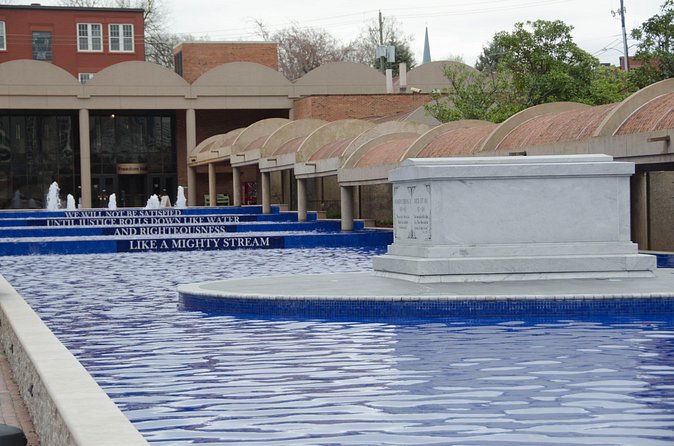
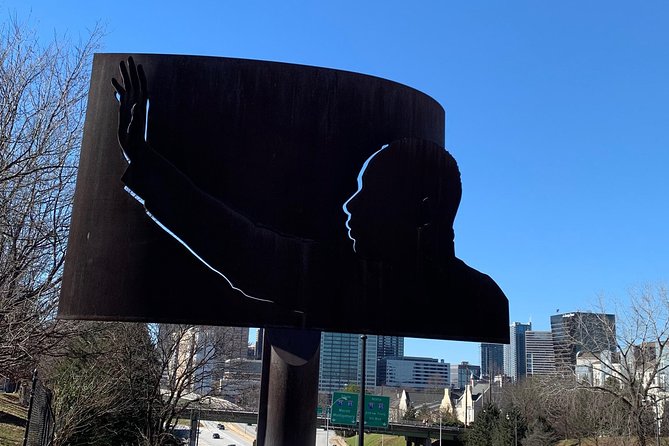
Then you hit Jackson Street Bridge for one of Atlanta’s most famous views. The stop is around 10 minutes, with a ticket included.
This part works because it switches from story mode to city mode. You see the skyline and the geography of the neighborhood, and suddenly the past feels placed in the real streets you can stand on.
Practical tip: bring a phone charge if you can. You will want pictures, but you also want to listen while you are standing there. The view is the reward, not the distraction.
If it is hot, take advantage of any shade you see. Even short stops can feel longer in the sun.
Elsewhere under Historical Tours across Atlanta



Sweet Auburn: the heart of the walk, and the time to pay attention
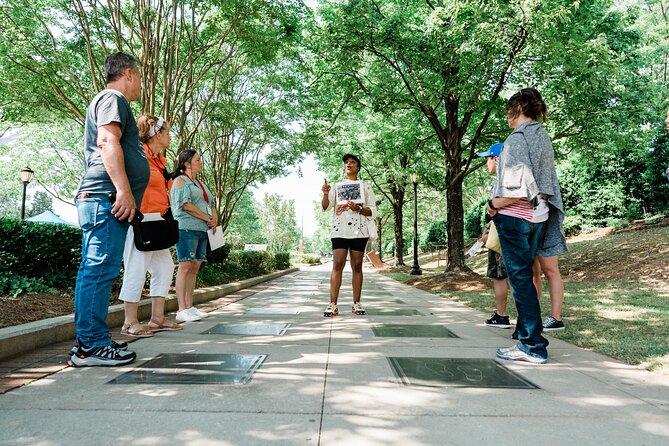
After the bridge, the tour spends about 2 hours in the Sweet Auburn neighborhood. This is where you get the most walking time and the most “there is the site, here is what it meant” storytelling.
Because this portion is neighborhood-based, the tour tends to feel like a guided version of understanding the area. Instead of only seeing one monument at a time, you get the connections between places. The guide shares facts and stories about the Civil Rights movement in Atlanta and how King and other leaders interacted with the world around them.
You should plan to keep your eyes open for small details. The movement happened in ordinary spaces, not only in the grandest memorials. This is also where the guide can tailor the experience by emphasizing themes you care about, like leadership, community organizing, or the role Atlanta played in shaping the broader Civil Rights struggle.
Wear comfortable walking shoes here. If your feet get tired, you lose the ability to focus, and the tour is about focus.
King Center: memorial space, practical timing

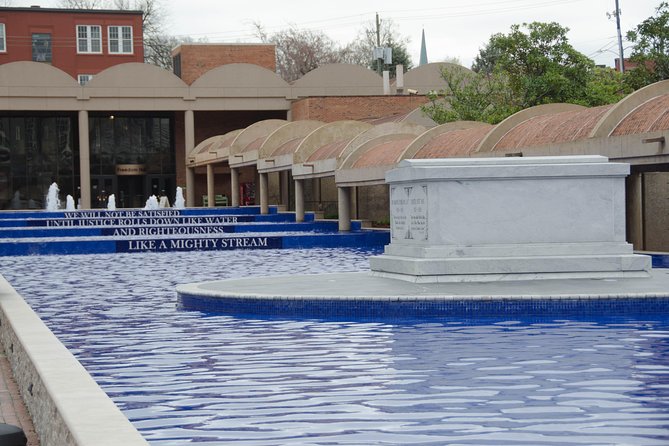
The King Center is a key stop, and your time there is about 10 minutes. It is open 7 days a week from 10 am to 5 pm, and admission is included.
This is the moment when the tour becomes more reflective. The guide connects the ideas of leadership and legacy to the physical space in front of you. Even in a short visit, the setting helps you slow down and absorb what you learned earlier.
What helps most here is the way the tour is sequenced. You go from the church introduction to the historic site details, then to a lodge and the surrounding neighborhood. By the time you reach the King Center, you have a framework in your head, so your visit feels like it has a point, not just a stop on a list.
International Civil Rights Walk of Fame: shoe prints you can follow
The final highlight is the International Civil Rights Walk of Fame, with about 10 minutes for this stop. The focus is on seeing shoe prints along the walkway and making connections from prominent Civil Rights leaders you learned about during the tour.
It sounds simple, but it can be oddly powerful. Shoe prints turn history into something physical. Instead of reading about people and staying in your head, you are walking past a visual cue that asks you to remember who those leaders were and why their footsteps mattered.
If you like interactive elements, this is one of the better “take it with you” stops. You can glance back later and realize you paid attention because you had something concrete to look for.
Group size and guides: why the tour feels personal
The tour caps at a maximum of 14 travelers. That size keeps things friendly. You are more likely to get attention if you have questions, and the guide can keep the pacing smooth.
The reviews also give you a strong hint about what the best guides bring to the table. Guides like Zoe are praised for energy and pacing, Ariel gets credit for being friendly and knowledgeable in their storytelling approach, and Joy stands out for personal touches connected to ML and Coretta and the King family story. Nic, Jay, and Jessica also show up in many positive comments, often tied to keeping people engaged and answering questions in a clear, easy way.
You do not have to chase the perfect guide, but it is worth knowing what to look for in the experience. In this tour, the best versions are not just a route, they are the way the guide links each stop to the next.
Price and value: what $40 buys you in real terms
At $40 per person, the biggest value play here is that you get a structured walk plus included admission tickets for multiple stops, not just one site. You also get a guide who handles the storytelling and the timing, which is where a lot of self-guided efforts fall short.
You also get a manageable duration. Two and a half hours is long enough to matter, but short enough that you can still plan dinner or another neighborhood activity afterward.
If you were going to pay for entry tickets anyway, this tour can feel like a bundle. Even if you had not planned on visiting every stop, it is still a practical way to see more than you would in the same time on your own.
What to bring and how to plan your day
You are on your feet for about 1 1/2 miles of walking, with some small hills. That is usually fine for most people who walk regularly, but it is not a sit-down tour.
Plan around these needs:
- Comfortable shoes, no new blisters
- A charged phone, since you will be taking photos during the bridge and memorial stops
- Sun or rain gear, the tour operates rain or shine
- A water plan, especially in warm months, because you will be outside for stretches
Also remember: there is no transportation to or from the tour. You will want to factor in how you get to Auburn Avenue and how you return afterward.
Is this the right tour for you?
This Martin Luther King Jr. History Walking Tour is a great fit if you want:
- A guided way to connect Civil Rights landmarks across Sweet Auburn
- A ticketed, time-managed experience rather than a solo scavenger hunt
- An informative walk with stories that tie public sites to personal leadership
It might be less ideal if:
- You have trouble walking and standing for long periods
- You need a fully indoor experience, since the tour runs rain or shine and includes neighborhood walking
If you are visiting Atlanta for a few days, this is also a smart “anchor” activity. It helps you understand what you will see later at other memorials and museums, because it gives you a neighborhood-based story first.
Should you book this MLK walking tour in Atlanta?
Yes, if you want your Atlanta Civil Rights day to feel organized, meaningful, and efficient. The tour hits major stops like the King Center and the MLK National Historic Site, plus it adds value with the Prince Hall Grand Lodge exterior and the International Civil Rights Walk of Fame shoe prints. At $40, it is one of the more sensible ways to do multiple ticketed stops without losing time to logistics.
Book ahead if you can. The tour is often booked about 11 days in advance on average, which tells me it is a popular slot. If your dates are flexible, you still can pick another time, but you will likely have an easier time locking in the schedule earlier.
If you do book, come ready to walk and listen. This tour is at its best when you give the guide your attention and let the neighborhood story unfold one stop at a time.
FAQ
Where does the Martin Luther King Jr. History Walking Tour start and end?
The tour starts at 450A Auburn Ave NE, Atlanta, GA 30312, and it ends back at the same meeting point.
How long is the tour?
The tour runs about 2 hours 30 minutes (approximately).
What is included in the tour ticket?
Admission tickets are included for the main stops on the route, and the tour includes exterior visits such as the Historic Ebenezer Baptist Church and other listed exterior sights.
Is transportation provided to or from the tour?
No. The tour does not provide transportation to or from the meeting point.
What happens if buildings at the National Historic Site are closed?
All National Park buildings are subject to closure at any time due to potential staffing shortages, so the specific indoor areas you can access may vary on the day.
Does the tour run in bad weather?
Yes, it operates rain or shine. If it is canceled due to poor weather, you will be offered a different date or a full refund.
Is the tour suitable for people who struggle with walking?
Most travelers can participate, but it is not recommended for travelers who have an inability to walk and stand for long periods of time.
How much walking is involved?
The tour requires about 1 1/2 miles of walking and includes some small hills.
Can I get a refund if I cancel?
No. This experience is non-refundable and cannot be changed for any reason.
Tours: the rest of the Atlanta file
- 90-Minute Narrated Sightseeing Trolley Tour in Atlanta★ 5.0 · 2,127 reviews
- Atlanta’s Black History and Civil Rights Tour★ 5.0 · 1,330 reviews
- 90-Minute Guided Sightseeing Tour★ 5.0 · 1,004 reviews
- Atlanta Sightseeing Bus Tour★ 4.5 · 837 reviews
- Atlanta: 1.5-Hour Highlight Trolley Tour★ 4.7 · 718 reviews
Tour Reviews: more from our Atlanta desk
- Atlanta: Georgia Aquarium Skip-the-Box-Office Entry Ticket★ 4.7 · 3,476 reviews
- 90-Minute Narrated Sightseeing Trolley Tour in Atlanta★ 5.0 · 2,127 reviews
- Atlanta’s Black History and Civil Rights Tour★ 5.0 · 1,330 reviews
- World of Coca-Cola General Admission Ticket★ 4.0 · 1,070 reviews
- 90-Minute Guided Sightseeing Tour★ 5.0 · 1,004 reviews
Newest Atlanta reviews added to this site
- 2.5hr Guided Segway Tour of Historic Atlanta
★ 5.0 · 311 reviews - Private Stranger Things “The Upside Down” Film Locations Tour in Atlanta
★ 5.0 · 338 reviews - Guided Bike Tour in Atlanta with Snacks
★ 5.0 · 394 reviews - Atlanta 5 Hour City Tour by Air-Conditioned Bus
★ 4.6 · 445 reviews - City Lights Atlanta Night-Time Tour with Photos & Dinner Stop
★ 5.0 · 485 reviews - Atlanta: SkyView Ferris Wheel Ticket
★ 4.4 · 547 reviews - Midtown Atlanta Food & Cocktail Tour
★ 5.0 · 681 reviews - Martin Luther King Jr. History Walking Tour
★ 5.0 · 687 reviews - 2.5 Hour Atlanta Local Food + Victorian Cemetery Tour
★ 5.0 · 693 reviews - Atlanta: 1.5-Hour Highlight Trolley Tour
★ 4.7 · 718 reviews
Atlanta and Birmingham Tours, side by side.
 ★ 4.7Atlanta: Georgia Aquarium Skip-the-Box-Office Entry TicketFrom $643,476 reviews
 ★ 5.090-Minute Narrated Sightseeing Trolley Tour in AtlantaFrom $362,127 reviews
 ★ 4.0World of Coca-Cola General Admission Ticket1,070 reviews
 ★ 4.5Atlanta Sightseeing Bus TourFrom $69837 reviews
 ★ 4.7Atlanta: 1.5-Hour Highlight Trolley TourFrom $36718 reviews
 ★ 4.5Atlanta: Zoo Atlanta General Admission TicketFrom $34712 reviews
 ★ 5.02.5 Hour Atlanta Local Food + Victorian Cemetery TourFrom $95693 reviews
 ★ 5.0Midtown Atlanta Food & Cocktail TourFrom $119681 reviews
This one is also listed in