
Review · OAHU CIRCLE ISLAND AND NORTH SHORE
Shark Cage Diving on Oahu’s North Shore
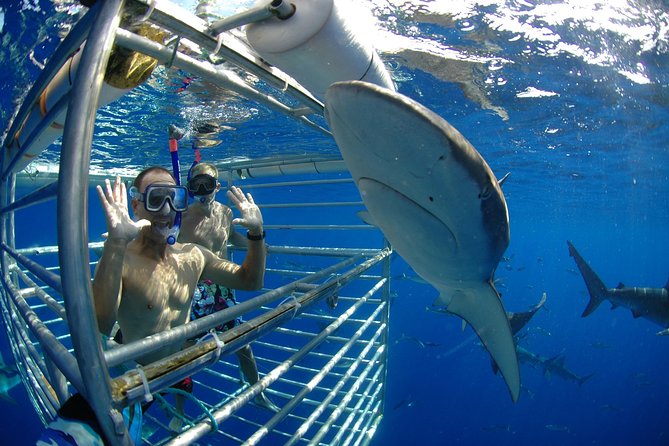
Sharks look different when you are close. I love how this small-group North Shore setup gets you near Galapagos and sandbar sharks, while the polyglass windows help you watch from a safe, floating cage. The main catch is that ocean conditions can get choppy, and you may feel it in the cage.
I also like that you do not need scuba training. The crew keeps things calm and clear, and guides like Caleb and Captain David are praised for answering questions patiently and making safety feel straightforward. If you want to stay dry, there is an observer option that lets you join the boat ride without going into the cage.
You’ll start at Haleiwa Boat Harbor and spend about two hours total, with a short ride out to the shark habitat area. Once you’re on site, you stay on the surface with a mask and snorkel, then watch the sharks cruise past the large polyglass panels.
In This Review
- Key highlights to know before you go
- Haleiwa Boat Harbor to the shark site: the 2-hour flow
- Getting in the cage and snorkeling without scuba
- What you’ll see through the polyglass windows
- Why the max 12 group size feels more personal
- Ocean comfort tips that can make or break the experience
- The guides: safety talk plus fun science
- Price and value: what $100 includes, and what it does not
- Who should book this (and who might think twice)
- Should you book it on Oahu’s North Shore?
- FAQ
- Where is the meeting point for the shark cage experience?
- How long does the experience last?
- How much does it cost, and what’s included?
- Do I need scuba certification or prior scuba experience?
- What animals will I see?
- What is the observer option?
- What are the age and group limits?
- What happens if the tour is canceled due to weather?
- What should I bring since towels and swimwear aren’t included?
Key highlights to know before you go
- Max 12 travelers means more personal attention and easier instructions
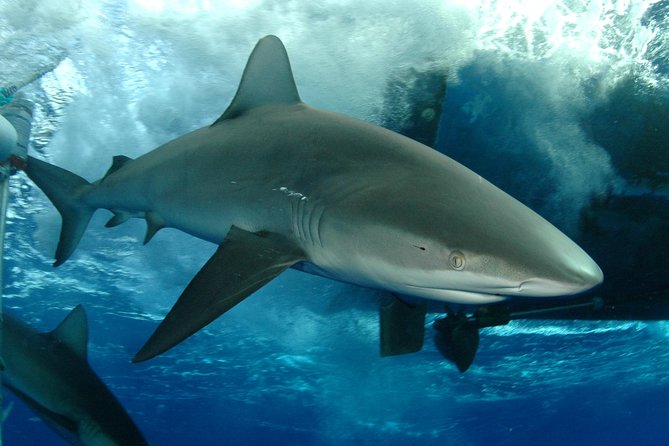
- Galapagos and sandbar sharks are the main species you’re there to see
- Snorkel on the surface, not scuba keeps this doable for most visitors
- Polyglass windows on the cage give close-up views with safety built in
- Observer ticket option works for mixed groups who have different comfort levels
Haleiwa Boat Harbor to the shark site: the 2-hour flow
This experience runs from Hale‘iwa Boat Harbor in Haleiwa, and it returns you to the same meeting point. You meet the crew, board the boat, and head out toward the North Shore shark habitat area.
You should think of the day as simple and timed. It’s listed at about 2 hours total, so you are not signing up for an all-day marathon. On the water, the ride is described as short, roughly 15 minutes to the shark area, and one outing was described as about 3 miles offshore.
There are two practical reasons this short format matters. First, it lowers fatigue if you have kids or you’re juggling jet lag. Second, it keeps the “anticipation factor” high, because you get to the cage relatively quickly instead of spending most of the time on a long boat transfer.
Getting in the cage and snorkeling without scuba
The core idea is that you stay on the surface while watching sharks up close from a floating cage. You’ll enter the cage, then use a mask and snorkel to look around and watch what’s happening in front of you.
No scuba certification is required. That is a big deal for value and comfort, because it turns a scary-sounding activity into something much more approachable. All snorkeling equipment is provided, so you can travel lighter and skip bringing gear.
Here is a detail worth planning for: the cage’s viewing panels are not everywhere. One helpful note from the experience is that the plexi glass is only on two sides, with bars on the other sides. Translation for you: you’ll get your best viewing when your position lines up with the polyglass windows, so don’t stay “stuck” in one corner the whole time.
Also, expect a bit of motion. Even if the cage system feels safe, you are still in ocean water. Several people recommend motion-sickness prep if you’re sensitive, since the cage can feel like it rocks more than the boat.
Oahu Circle Island and North Shore we have also been through in Oahu

What you’ll see through the polyglass windows
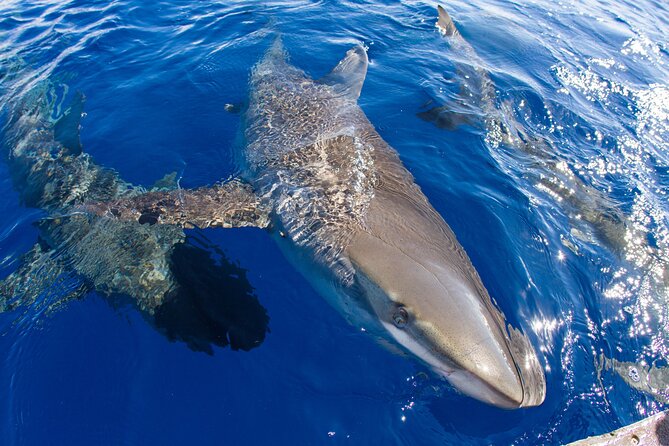
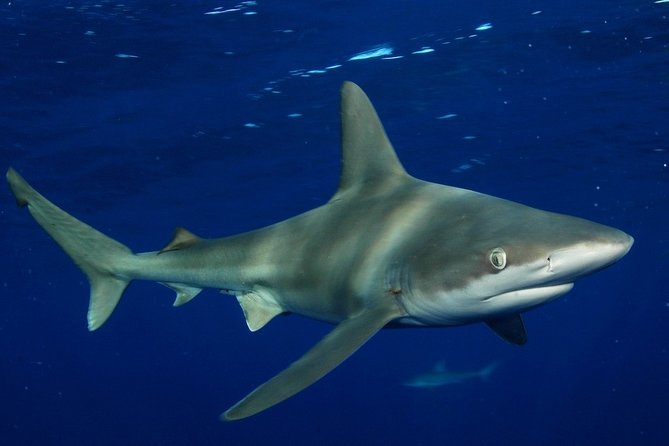
The main promise is straightforward: you go to an area where Galapagos sharks and sandbar sharks live in the wild. Your job is to watch. The crew provides commentary about shark biology and behavior, which helps you connect what you’re seeing to how the animals live day to day.
The viewing setup matters because you are not trying to swim at full effort next to animals. The sharks glide by close enough to feel real, and many people describe the sensation as calm once you’re in the cage. One description even compares the sharks’ curiosity to something like a cat, which captures the vibe you’re likely to feel: it can be intense at first, then oddly peaceful.
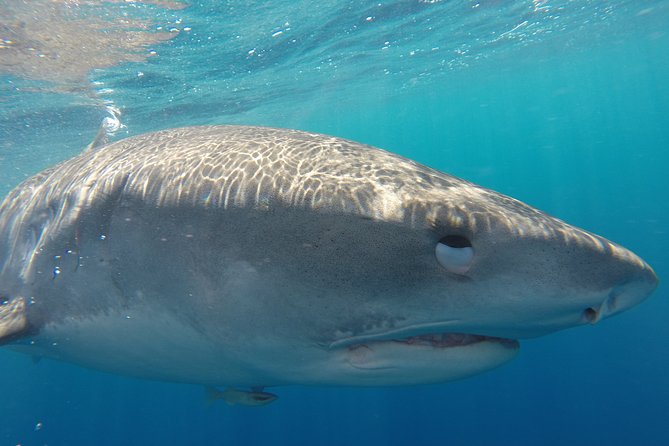
You might also get bonus sightings, but keep expectations realistic. In the information you provided, some outings mention tiger sharks, and multiple reviews mention whales on the way out or back. Those are not guaranteed elements of the core experience, but they are encouraging “nice if you get it” additions.
The best viewing trick is also simple. Keep your breathing slow, watch calmly through the windows, and let the sharks come to you instead of hunting for them.
Why the max 12 group size feels more personal
This is built as a small group experience, with a maximum of 12 travelers. That changes the whole feel of the trip, especially when you’re learning how to enter the cage, use the snorkel setup, and stay comfortable in a new environment.
In practice, smaller groups tend to mean you get clearer instructions and faster help if something feels off. People also describe the cage entry and exit as easy, and families talk about fitting comfortably in the cage even when the group includes kids.
It also affects the social side. You’re not just a face in a crowd. The crew interaction stands out, with guides described as friendly and confident, and some even include playful elements like quizzes and question time.
Ocean comfort tips that can make or break the experience
This is the part I’d plan like a pro. Ocean conditions are the one variable you cannot control, and most of the “real-life” advice from the experience is about comfort.
First, consider temperature. One note points out that in February the water can feel cooler, and bringing a body suit can help you stay comfortable inside the cage. Another practical suggestion is to bring a towel, since towels are not included.
Second, think about motion. If you are prone to seasickness, take it seriously. Multiple people recommend bringing sea-sickness medicine, with one person suggesting Dramamine the night before. If you do get queasy, there’s also a simple in-cage coping strategy mentioned: sit in a corner and focus on stabilizing your attention.
Third, plan for photos. You’ll want images, and at least one description says to consider an underwater camera or a camera in a pouch. There was also mention that GoPros may be available to rent on the boat, so if you care about video, ask ahead of time.
The guides: safety talk plus fun science
The crew experience is a huge part of why this activity earns such strong ratings. Names that show up in your info include Caleb, Jax, Captain David, and Efram/Efraim. People describe them as patient, friendly, and tuned in to first-timers, even when questions feel basic.
What you’ll likely feel from the boat ride to the cage is a blend of confidence and education. The crew explains shark behavior, and that matters because it shifts your mindset. You go from fear-of-the-unknown to understanding what sharks are doing and why they’re around the cage area.
Some practical moments show up too. Fresh-water rinsing at the end is mentioned, which is great after you’ve been in saltwater and want your gear and skin to feel better quickly. There’s also mention of music selection, which is a small thing, but it helps the vibe during the short ride out and back.
And yes, the North Shore can add surprises. Whales are mentioned in multiple accounts, plus small wildlife notes like flying fish and Iwa bird sightings from the captain. Those are not the main event, but they make the overall outing feel richer.
The rest of our Scuba Diving notes for Oahu
Price and value: what $100 includes, and what it does not
At $100 per person for about 2 hours, this can be a strong value if you want an up-close shark encounter without scuba. The “value math” here is that the price includes shark cage time, snorkeling equipment, local taxes, and an expert crew.
What you should budget separately is equally important. Towels, swimwear, and suntan lotion are not included. Food and beverages are also not included, so plan snacks or water based on your own preferences and the time you’ll be on the water.
There’s also a useful detail about the observer option. An observer ticket does not include getting in the cage or using snorkel equipment. So if you’re buying for a friend or family member, make sure they understand they are mostly joining the boat portion, not the water portion.
Who should book this (and who might think twice)
This is a great fit if you fall into one of these groups:
- First-timers who want to see sharks but do not want scuba training
- Non-swimmers who still want a guided, cage-based experience
- Families, since there is a minimum age of 5 years old
- People who want a smaller, more personal group format with a maximum of 12 travelers
It might be less ideal if you know you react badly to ocean motion and you can’t take medication or stay comfortable in choppy water. Even with a safe cage setup, the ocean can still feel rough, and several accounts mention waves and the need to plan for seasickness.
If you’re traveling with someone who wants the boat experience only, the observer option is a smart way to keep your group together without forcing anyone into the water.
Should you book it on Oahu’s North Shore?
I think you should book this if your goal is simple: close-up shark viewing from a floating cage, with easy snorkeling steps and a crew that keeps things calm. The small group size, provided gear, and on-surface approach make it one of the more accessible ways to experience sharks in Hawaii.
I’d only hesitate if motion sickness is a serious issue for you, or if you cannot handle cold water discomfort. If that’s you, plan for comfort, consider sea-sickness prevention, and choose the calmest timing you can.
If you want, tell me your travel month and whether anyone in your group gets seasick. I can suggest the best way to prepare for comfort and photo gear.
FAQ
Where is the meeting point for the shark cage experience?
You’ll meet at Hale‘iwa Boat Harbor in Haleiwa, HI 96712. The activity ends back at the same meeting point.
How long does the experience last?
The tour duration is listed as about 2 hours.
How much does it cost, and what’s included?
The price is $100 per person. Included in your ticket are shark cage diving, snorkeling equipment, local taxes, and an expert crew.
Do I need scuba certification or prior scuba experience?
No. No previous scuba diving experience is necessary, and no certification is required to participate.
What animals will I see?
The experience is designed for shark viewing where Galapagos and sandbar sharks live in the wild.
What is the observer option?
An observer ticket is for people who want to join family or friends but do not get in the water. It does not include getting in the cage or using snorkel equipment.
What are the age and group limits?
The minimum age is 5 years old. The tour has a maximum of 12 travelers.
What happens if the tour is canceled due to weather?
This experience requires good weather. If it’s canceled due to poor weather, you’ll be offered a different date or a full refund.
What should I bring since towels and swimwear aren’t included?
Plan on bringing what you need for comfort in the water, including a towel and swimwear. Suntan lotion and food or drinks are also not included, so pack those based on your preferences.
Scuba Diving reviewed right across Oahu
- Beginner Scuba Diving Experience with Video Package in Honolulu★ 5.0 · 877 reviews
Elsewhere under Oahu Circle Island and North Shore in Oahu
- Oahu Circle Island Tour with Waimea Waterfall★ 5.0 · 3,912 reviews
- Oahu’s North Shore: 8-Line Zipline Adventure★ 5.0 · 3,616 reviews
- Hidden Gems of Oahu Circle Island Tour with Byodo In Temple★ 5.0 · 3,450 reviews
- Toa Luau at Waimea Valley, Oahu★ 5.0 · 3,350 reviews
- Turtle Canyon Snorkel Adventure in Waikiki, Oahu★ 5.0 · 3,197 reviews
Tour Reviews: more from our Oahu desk
- Parasailing Experience in Waikiki, HI★ 5.0 · 7,692 reviews
- Waikiki Trolley Hop-On Hop-Off Tour of Honolulu★ 4.5 · 4,783 reviews
- Waikiki, Hawaii: Turtle Canyon Snorkel Excursion★ 5.0 · 4,656 reviews
- Paradise Cove Luau★ 4.5 · 4,498 reviews
- Waikiki Trolley Blue Line Coastline & Local Grindz Hop-on Hop-off★ 5.0 · 4,159 reviews
Newest Oahu reviews added to this site
- Go City: Oahu All-Inclusive Pass with over 45 Things To Do
★ 4.0 · 314 reviews - Waikiki Beach Glass Bottom Boat Cruise
★ 4.5 · 314 reviews - Surfing Lessons On Waikiki Beach
★ 4.5 · 317 reviews - Diamond Head Hiking and Oahu Island Experience feat. North Shore
★ 5.0 · 319 reviews - 3-Hour Honolulu Bottom Fishing Adventure
★ 4.5 · 320 reviews - West Oahu Dolphin Watch and Snorkel Sail with Lunch
★ 4.5 · 320 reviews - Premier Waikiki Sunset Party Cruise with Live DJ and Full Bar
★ 5.0 · 322 reviews - Oahu: Kualoa Ranch Hollywood Film Locations Tour
★ 4.5 · 323 reviews - Certified Diver: 2-Tank Deep Wreck and Shallow Reef Dive Off Oahu
★ 5.0 · 331 reviews - Small Group Turtle Canyon Snorkel in Waikiki (Boat Tour)
★ 5.0 · 333 reviews
Oahu Circle Island and North Shore, side by side.
 ★ 5.0Oahu Grand Circle Island and Haleiwa Tour: 9-Hr Deluxe ExperienceFrom $14017,387 reviews
 ★ 5.0Oahu: Grand Tour Around Island 16 Locations plus SnorkelingFrom $1098,669 reviews
 ★ 4.5Oahu’s Ultimate Tour: Dole, Turtle Snorkel, Pali Lookout & MoreFrom $1085,461 reviews
 ★ 5.0Oahu Circle Island Tour with Turtle Snorkeling— Small-GroupsFrom $1495,214 reviews
 ★ 5.0Oahu Circle Island Tour with Waimea WaterfallFrom $1543,912 reviews
 ★ 5.0Tour of North Shore & Waimea WaterfallFrom $1543,682 reviews
 ★ 5.0Oahu’s North Shore: 8-Line Zipline AdventureFrom $2033,616 reviews
 ★ 5.0Hidden Gems of Oahu Circle Island Tour with Byodo In TempleFrom $1463,450 reviews
This one is also listed in