
Review · BIG ISLAND VOLCANOES AND KONA
Small-Group Snorkel at Kealakekua Bay in Captain Cook, Big Island
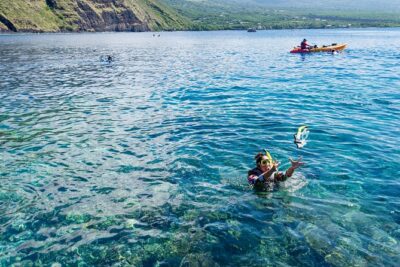
Kealakekua Bay feels like your own aquarium. This small-group snorkel at Captain Cook and Kealakekua Bay State Historical Park keeps the boat intimate, with timing built in to help you reach calmer water before the crowds. I especially like the max-12 size, because it means less waiting around and more actual time in the reef.
I also love the focus on wildlife and real local context. On this trip, you can get classic spots like spinner dolphins and, in winter, humpback whales, plus the crew points out cultural and coastal sights along the way. You might even hear the kind of stories you can picture later when you look at the shoreline.
One thing to consider: you need to be a confident swimmer. The tour requires moderate physical fitness, no floatation device support in the water, and it is not recommended if you have neck problems. Also, there is no restroom on the boat, so plan to use the facilities before you go.
In This Review
- Key highlights I’d plan around
- Kealakekua Bay Snorkeling: Why This Spot Earns the Hype
- The Small-Group Advantage at Captain Cook: Less Waiting, More Time Underwater
- Captain and Crew: Wildlife Scans Plus Local Stories
- Stop at the Captain Cook Monument: Your Easy Start in the Water
- Kealakekua Bay and the Marine Preserve: Where the Reef Life Stays Close
- Kealakekua Bay State Historical Park: Caves, Lava Tubes, and Coastal Extras
- What’s Included and What You Need to Bring for a Smooth Trip
- Swim Requirements and Health Limits: Who This Tour Fits
- Price and Value: Is $109 a Smart Spend?
- Weather, Sea Conditions, and Whale Season Reality
- Should You Book This Small-Group Kealakekua Bay Snorkel?
- FAQ
- How long is the small-group snorkel at Kealakekua Bay?
- What is the group size limit?
- Where do I meet for the tour?
- What is included in the price?
- What should I bring with me?
- Do I need to be able to swim?
- Are there weight or health restrictions?
- Does the tour run in English?
- Is there a restroom on the boat?
- What refund options are available if weather cancels the tour or I cancel?
Key highlights I’d plan around
- Max-12 small group for faster entry and exit, so snorkeling time feels longer
- Early timing to avoid crowds at Kealakekua Bay State Historical Park
- Spinner dolphins are a common sight, and humpbacks may show up in winter
- Protected marine preserve reef with lots of fish and coral life (like yellow tang)
- Culture plus ocean safety from the captain and guide during the boat ride
- Snacks and clean gear included, with bottled water and pineapple chips aboard
Kealakekua Bay Snorkeling: Why This Spot Earns the Hype
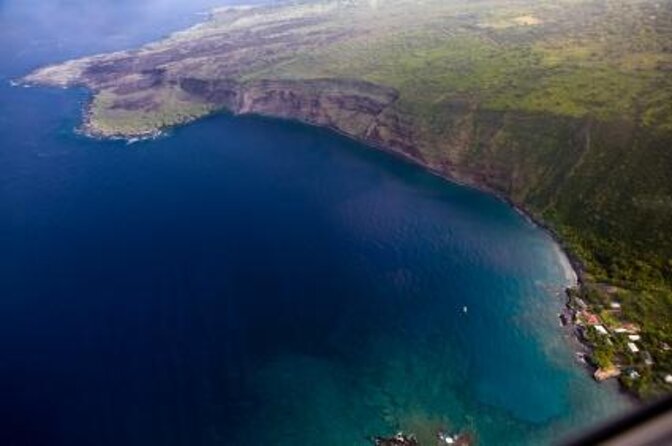
Kealakekua Bay is a protected marine area, which is a big deal for what you see underwater. In a sanctuary, fish tend to feel less pressured, and coral life has a chance to stay healthy. The result is the kind of snorkeling where you can watch fish behavior up close instead of just passing by a patch of reef.
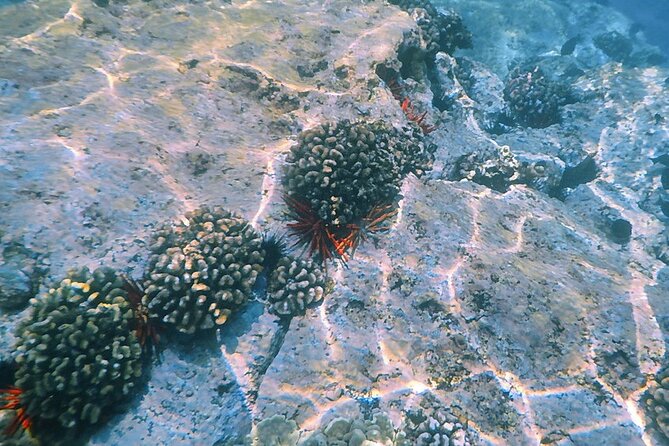
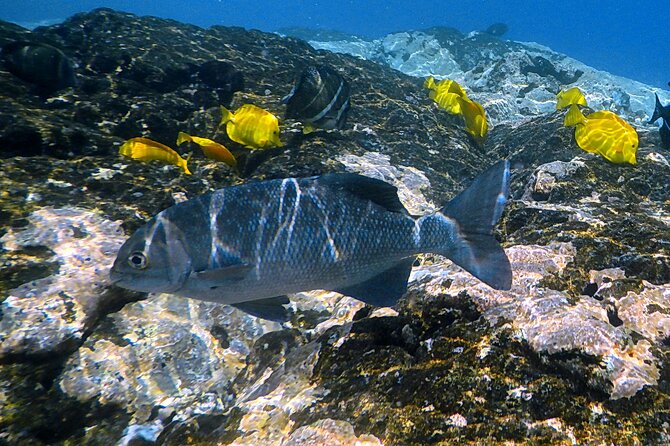
You’re also starting from a strong baseline of visibility. Many departures are timed to help you get to the bay early, and that’s when the water is often clear enough to make spotting coral features and fish easier. From what you can expect to spot, the reef scene includes coral and schooling fish, with yellow tang and pencil urchin called out as part of the bay’s “look at this” checklist.
And then there’s the top-level wildlife factor. This is one of those places where a dolphin pod is not a random bonus, it is part of the rhythm of the trip. Depending on the season, you may add humpback whales in winter too.
The Small-Group Advantage at Captain Cook: Less Waiting, More Time Underwater
This tour keeps the group tight, with a cap around 12 people. That translates into practical benefits you feel right away: faster boarding, fewer people crowding the gear area, and quicker movement in and out of the water.
On bigger boats, you often spend time waiting for your turn. Here, everyone can generally get in and back out without the feeling of being herded. That matters at Kealakekua, because the best snorkeling windows can be short when conditions change.
It also makes the guide work easier. When there are fewer people in the water, the crew can keep an eye on who is comfortable and who needs a hand, without rushing anyone. You get a more personal pace, which is exactly why a small-group setup is worth paying for on this kind of outing.
The rest of our Big Island Volcanoes and Kona notes for Big Island of Hawaii
Captain and Crew: Wildlife Scans Plus Local Stories
The boat ride is not just transport. The captain and crew combine practical safety instructions with coastal storytelling, so the time between snorkel sessions feels useful.
You may get different crew combinations depending on your date, but names that often show up include Captain Justin with guides like Kayli or Erika, and other departures with Captain Alan and Erika, or Captain Jason and Liza. The common thread is a team that keeps one eye on the ocean and one on the people on board.
On the way in and out, the crew typically points out historic and culturally significant areas along the Kona coast. It can also include stops for scenery and sea life, with bonus wildlife sightings sometimes along the route. People also mention a kind of “search and find” energy, where the boat slows down when dolphins pop up or when the conditions look ideal.
Stop at the Captain Cook Monument: Your Easy Start in the Water
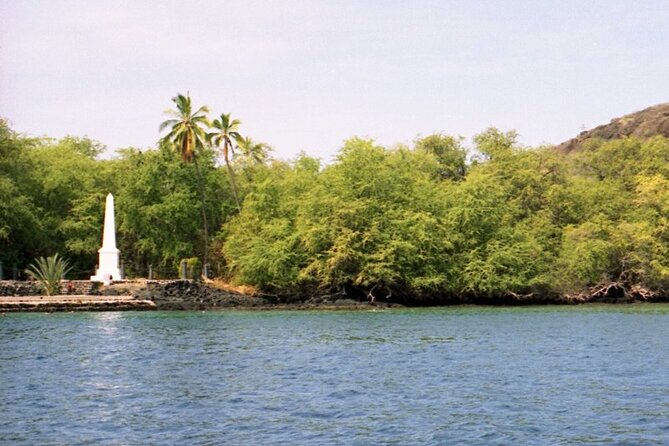
Your first snorkel area centers on the Captain Cook Monument zone. This is a strong starting point because you begin in a familiar, scenic area tied to the coastline and the historical sites you’re visiting. It also tends to be a good place to judge water conditions quickly, so you can get comfortable before you spend more time out on the reef.
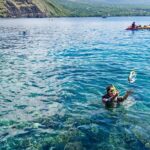
What you might see here can include colorful reef fish and occasional larger visitors. Some people mention barracuda and eels, and there are reports of a shark dorsal fin sighting while heading down. That kind of moment is a reminder that snorkeling is not only about coral. It’s also about timing and patience.
One practical note: this is where being a confident swimmer really matters. The snorkeling relies on you moving comfortably in the water without floatation device assistance, so if you tend to feel nervous in open ocean conditions, you’ll want to take that seriously before booking.
Kealakekua Bay and the Marine Preserve: Where the Reef Life Stays Close
This is the heart of the trip. Kealakekua Bay and the nearby marine preserve are protected, and that protection shows in the density of marine life. You can expect coral and fish that linger in the area instead of darting away the moment everyone splashes in.
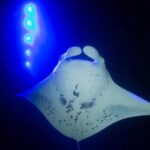
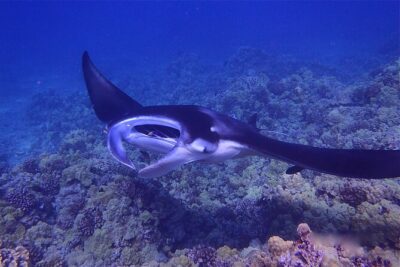
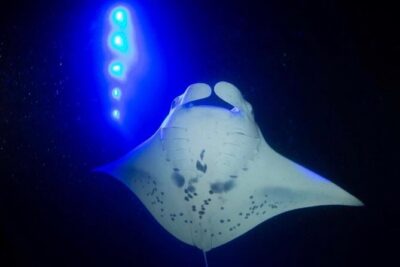
From the kinds of species people report seeing, think tropical fish like yellow tang, coral features, and urchins such as pencil urchin. You may also spot more dramatic “wow” animals. Manta rays show up for some groups, sometimes with time spent near a feeding or cleaning station. Dolphins can appear while you’re on the water too, including spinner pods that may swim near the boat.
When humpbacks enter the picture during winter, they can add a totally different scale to the experience. Even if you mainly come for fish and coral, the chance of whales changes the feel of the outing, because you’re watching the surface as much as the reef.
Small-group pacing is what makes this stop work. If you are not stuck waiting your turn, you can take longer looks when you spot something interesting. And if conditions shift, the crew can adjust without turning your snorkel into a frantic race.
Kealakekua Bay State Historical Park: Caves, Lava Tubes, and Coastal Extras
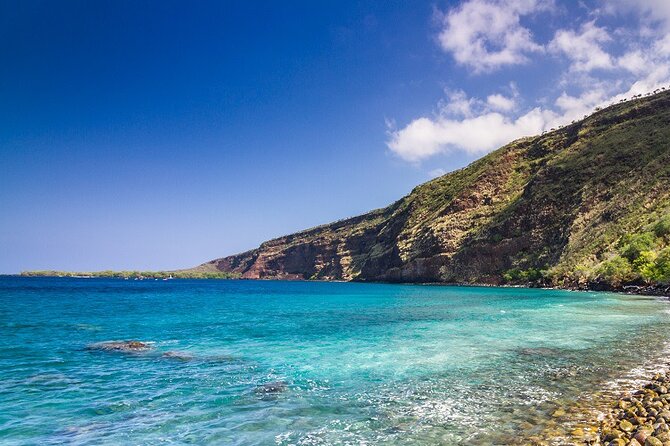
Your itinerary also includes Kealakekua Bay State Historical Park, which is where the snorkeling experience blends into the broader “this place matters” feeling. The shoreline here is tied to the Captain Cook era, and the park setting gives you context for why the area is protected.
A frequent bonus involves stops for lava tubes and caves along the way back. People mention shoreline caves and lava formations that the crew points out, and some trips include a fun extra such as a cliff jump when conditions allow. Even when you do not jump in, these coastal stops are a nice reset after time in the water.
This is also where you might see more playful dolphin moments. Spinner dolphins can show up off the route and around the return, including pods with babies reported by some groups. That’s the kind of sight that feels like it belongs in a wildlife documentary, but on a small boat it also feels personal, because you are not dealing with a wall of snorkelers.


What’s Included and What You Need to Bring for a Smooth Trip
This tour includes what you need to snorkel comfortably without dragging half your closet across the island. Expect snorkeling equipment (masks and related gear), bottled water, and nonalcoholic refreshments. Food is simple but well-liked, with pineapple (island sourced) and chips.
You should plan to bring your own towel, sunscreen, sunglasses, and a hat. A waterproof camera is also a smart idea, because the underwater fish and occasional manta moments are the kind you’ll want to capture. If you forget one of these items, you can end up adjusting your plan, especially if you are trying to keep sunscreen off the reef where possible.
One important practical thing: there is no restroom on the boat. That means you should use facilities before you meet up, and if you’re bringing kids or anyone who needs frequent breaks, plan around it.
Swim Requirements and Health Limits: Who This Tour Fits
This is not a casual “sit and float” activity. You should have moderate physical fitness, and you must be able to swim without the assistance of a floatation device. That requirement is clear for a reason: conditions change, and you want everyone to handle being in open water confidently.
There is also a health note for neck problems, and it is not recommended if you have neck issues. If you’re unsure, it’s worth thinking through how you handle choppy water, turning your head for scanning, and keeping a comfortable position while snorkeling.
Weight limit is listed as 280 pounds per traveler. That matters for safety and comfort on the boat, and it’s part of how the tour keeps the experience controlled.
If you meet these basics, this small-group format can feel very friendly even for first-timers, because the crew can help with safety pacing and getting set. If you do not meet them, you might find the tour less enjoyable than you hoped.
Price and Value: Is $109 a Smart Spend?
At $109 per person for about 3 hours, you are paying for a bundle: small-group access, early timing, real snorkeling gear, and food and drinks on board. You are also paying for the advantage of reaching the reef with fewer people around, which can directly affect how relaxed the water feels and how long you can enjoy it.
Compare that to a large-boat scenario where you might spend more time waiting and less time focused on the reef. Here, the small-group cap is not just a marketing detail, it changes the whole flow of the trip.
The value is strongest if you care about wildlife spotting and want time to look. That is where people consistently talk about memorable sightings, like spinner dolphins, mantas, eels, octopus, and ray sightings depending on conditions and the day.
If you mainly want a shallow, low-effort snorkel with minimal swimming, you might not get your best match here. But if you want a focused reef experience with a real chance at marine life, this price tends to make sense.
Weather, Sea Conditions, and Whale Season Reality
This tour requires good weather. If conditions are poor, you’ll be offered a different date or a full refund, so you are not trapped into a bad-day outing.
Kealakekua Bay can be calm at times and rough at others, which is why the early timing and crew decision-making matter. Some days are clear and glassy, and that’s when fish details show up best.
If you travel in winter, humpback whales become a real possibility. Outside winter, you’re still likely to get dolphins, but whales are more seasonal. Plan your expectations around that, and you’ll feel happier when the ocean surprises you.
Should You Book This Small-Group Kealakekua Bay Snorkel?
I’d book this if you want small-group snorkeling at Kealakekua Bay with early timing and a real chance at dolphins, plus seasonal whale odds. It’s a good fit for swimmers who can handle being in the water confidently and who like wildlife watching as much as reef snorkeling.
Skip it if you need a boat restroom, struggle with swimming without floatation help, or you have neck problems that make choppy water or turning your head uncomfortable.
If you’re going to spend time on the Big Island, this is the kind of activity where the protected reef and the dolphin potential make it feel like more than just another snorkel stop. It’s one of those tours where the details, group size, and timing all add up.
FAQ
How long is the small-group snorkel at Kealakekua Bay?
It runs for about 3 hours.
What is the group size limit?
This is a small-group tour with a maximum of 12 passengers (and additional info notes a maximum of 11 travelers).
Where do I meet for the tour?
The meeting point is 78-7138 Kaleiopapa St, Kailua-Kona, HI 96740, USA. The tour ends back at the meeting point.
What is included in the price?
The tour includes bottled water, snacks (island sourced pineapple and chips), nonalcoholic refreshments, and snorkeling equipment.
What should I bring with me?
Bring your own towel, sunscreen, sunglasses, hat, and a waterproof camera if you want underwater photos.
Do I need to be able to swim?
Yes. You must be able to swim without the assistance of a floatation device.
Are there weight or health restrictions?
There is a maximum weight of 280 pounds per traveler. It is not recommended for travelers with neck problems, and it calls for moderate physical fitness.
Does the tour run in English?
Yes, the tour is offered in English.
Is there a restroom on the boat?
No. You should go before you board.
What refund options are available if weather cancels the tour or I cancel?
If the tour is canceled due to poor weather, you’ll be offered a different date or a full refund. For cancellations by you, you can cancel up to 24 hours in advance for a full refund, and cancellations within 24 hours are not refunded.
Big Island Volcanoes and Kona reviewed right across Big Island of Hawaii
- Big Island in a Day: Volcanoes Waterfalls Sightseeing and History★ 5.0 · 6,569 reviews
- Big Island Manta Ray Night Snorkel★ 5.0 · 5,656 reviews
- Big Island: Kona Manta Ray Snorkel Tour in Keauhou Harbor★ 4.5 · 2,465 reviews
- Hilo Shore Excursion: Volcanoes National Park & Black Sand Beach★ 4.5 · 2,338 reviews
- Big Island: Captain Cook Snorkel On A Power Catamaran With Lunch★ 5.0 · 2,232 reviews
Tour Reviews: more from our Big Island of Hawaii desk
- Big Island in a Day: Volcanoes Waterfalls Sightseeing and History★ 5.0 · 6,569 reviews
- Big Island Manta Ray Night Snorkel★ 5.0 · 5,656 reviews
- Big Island: Kona Manta Ray Snorkel Tour in Keauhou Harbor★ 4.5 · 2,465 reviews
- Hilo Shore Excursion: Volcanoes National Park & Black Sand Beach★ 4.5 · 2,338 reviews
- Big Island: Captain Cook Snorkel On A Power Catamaran With Lunch★ 5.0 · 2,232 reviews
Newest Big Island of Hawaii reviews added to this site
- Luxury Kona Coast Snorkel Tour Including Lunch
★ 5.0 · 309 reviews - Kona Cloud Forest Sanctuary Montane Jungle Tour (2.5 hrs)
★ 5.0 · 322 reviews - Kona Shore Excursion: Sea Turtles, Historic Kona & Coffee
★ 4.5 · 324 reviews - Deluxe Morning Snorkeling Adventure
★ 5.0 · 325 reviews - Kohala Waterfalls Small Group Adventure Tour
★ 5.0 · 335 reviews - Volcano National Park Adventure From Kona
★ 5.0 · 339 reviews - Small-Group Big Island Tour: Hawaii Volcanoes National Park and Kona Coffee Farm
★ 5.0 · 343 reviews - Two Reef Snorkel Trip-See Captain Cook Monument & Sea Caves
★ 5.0 · 347 reviews - Big Island Parasailing Experience
★ 5.0 · 353 reviews - Hilo Shore Excursion: Volcano Safari Lava Caves & Black Sand
★ 4.5 · 363 reviews
Big Island Volcanoes and Kona, side by side.
 ★ 5.0Big Island in a Day: Volcanoes Waterfalls Sightseeing and HistoryFrom $2646,569 reviews
 ★ 5.0Big Island Manta Ray Night SnorkelFrom $845,656 reviews
 ★ 4.5Big Island: Kona Manta Ray Snorkel Tour in Keauhou HarborFrom $252,465 reviews
 ★ 4.5Hilo Shore Excursion: Volcanoes National Park & Black Sand BeachFrom $1592,338 reviews
 ★ 5.0Big Island: Captain Cook Snorkel On A Power Catamaran With LunchFrom $852,232 reviews
 ★ 5.0KONA Manta Ray Night Snorkel – FREE re-ride if no SightingsFrom $492,212 reviews
 ★ 5.0Manta Ray Night Snorkel at Kona, Big IslandFrom $441,758 reviews
 ★ 5.0Big Island GOAT Experience: Mauna Kea Summit, Sunset & StarsFrom $2891,706 reviews
This one is also listed in