
Review · UNITED STATES
Snorkel with Manta Rays Guaranteed
Night swimming with mantas is a shock.
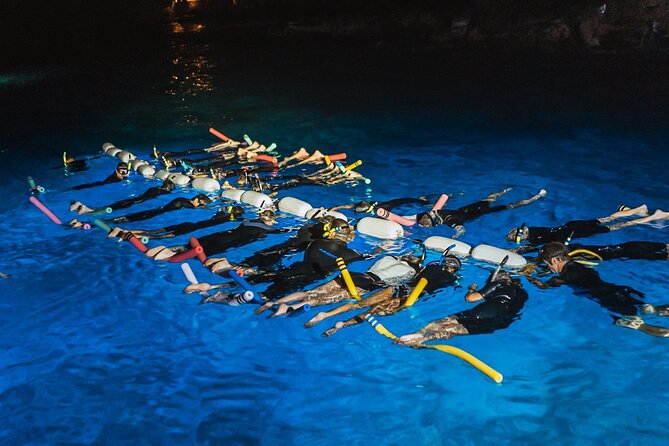
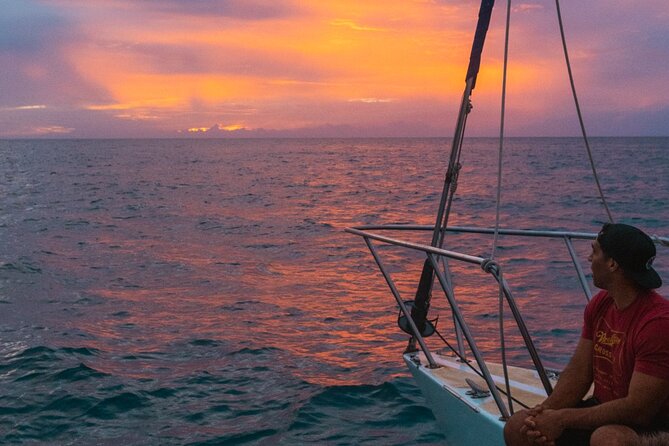
This is an evening sunset sail on the trimaran Hokulani, then a guided snorkel at the World Famous Manta Ray Village. I like that you do not just drift in open water, you float on a lit manta flotation device that brings the manta feeding zone right under you.
One thing to keep in mind is the physical style of the experience. You hold onto the float the whole time, and if the water is choppy your shoulders and arms will feel it.
In This Review
- Key things that make this tour work
- Keauhou Bay start: the calm way to begin a nighttime ocean plan
- Sunset sail to Manta Ray Village: why the trimaran stage is more than scenery
- Safety briefing and gear: what keeps first-timers confident
- The lit manta flotation device: how you actually snorkel at night
- What the manta rays do when they feed (and how close you can get)
- Choppy water, seasickness, and the real comfort check
- Drinks, snacks, and the little comforts that add up
- Price and value: what you pay for, and what you get back
- Who this tour fits best, and who should think twice
- The booking confidence factor: weather and that manta-rhythm matters
- Should you book the snorkel with manta rays guaranteed?
- FAQ
- How long is the tour?
- Where does the tour start?
- Do I need to bring snorkeling gear?
- What should I wear for night snorkeling?
- Are full face masks allowed?
- How many people are on the tour?
- What level of fitness is required?
- What drinks are included?
Key things that make this tour work
- Hokulani sunset cruise with drinks and snacks before the snorkel
- Short ride to the action so you spend less time in the dark boat rocking
- Lit flotation device that attracts plankton, bringing manta rays to your level
- Guided safety setup with wetsuits, masks, snorkels, and hands-on help entering the water
- Close manta encounters that can happen within inches, with strict no-touch rules
Keauhou Bay start: the calm way to begin a nighttime ocean plan
This tour starts from Keauhou Bay, Kahaluu-Keauhou on the Big Island. The vibe here is built for people who do not want a complicated day of logistics, because your whole experience is compressed into about 1 hour 30 minutes total.
You board the trimaran Hokulani for the sunset cruise first. That early part matters more than you might think. Getting settled on deck, drinking something cold, and watching the light change gives your brain time to switch from land mode to ocean mode.
If you have ever been nervous about night snorkeling, you will probably appreciate this approach. The process is staged: sail first, gear and rules second, then the water time.
Sunset sail to Manta Ray Village: why the trimaran stage is more than scenery
You sail to Manta Ray Village on Hokulani and arrive before you enter the water. The boat gives you a comfortable buffer, especially because conditions at sea can vary by night.
Onboard, you get drinks and snacks, plus filtered water and soda or varied juices. That is a simple comfort perk, but it also helps if you are prone to getting nauseous at sea. A full hour and change is short for this type of wildlife experience, yet long enough that food and hydration can make the night feel easier.
The best part of the sail is the practical one. You are not traveling far in the dark and you spend less time with that lingering seasickness risk. Many people on this kind of trip do better when the snorkel spot is close.
Not settled on one yet? These are other Big Island of Hawaii trips our reviewers have been through.
Safety briefing and gear: what keeps first-timers confident
Once you reach Manta Ray Village, you get an expert-led safety briefing. After that, staff help you into the water setup. You wear wetsuits, and you are provided with masks and snorkels.
A useful detail for your comfort: you do not need fins. The tour provides what you need for snorkeling gear, and the design of the manta float means you are not kicking around like a typical reef swim.
Also note the face-mask rule. Due to safety concerns, full face masks are not allowed on these tours. If you rely on one for any reason, bring a standard snorkel mask instead.
And yes, night snorkeling feels intense at first. The staff’s job is to get you oriented fast, then keep you supported while you learn how to hold the float and stay steady.
The lit manta flotation device: how you actually snorkel at night
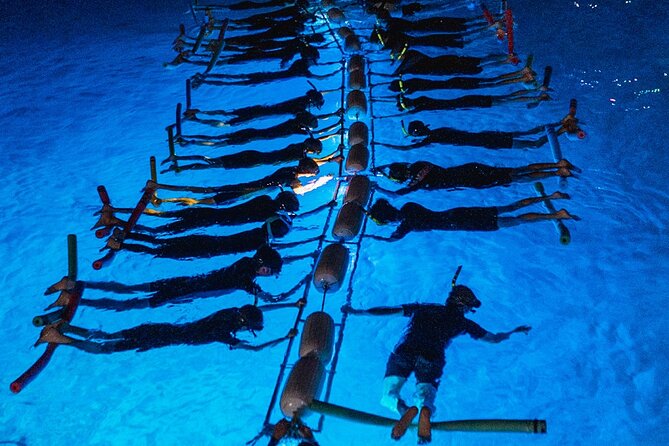
This is where the experience gets different from normal snorkeling. Instead of free-swimming through a reef, you float on the surface using a state-of-the-art “manta flotation device” with an attached light source.
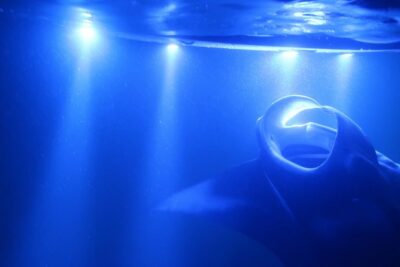
Here is the key idea you should understand before you get in the water. At night, plankton rises from deeper water. The light attached to the float attracts that plankton upward, and manta rays come to feed.
Your job is simple but important: you float and observe. Your face stays in the water’s world, with the manta feeding zone below you. Snorkel time is about 45 minutes.
You will likely feel the tradeoff right away. It does not require much swimming skill, but it does require steady holding. If you have shoulder problems, plan for the possibility that holding the flotation platform for the full time might feel tiring.
What the manta rays do when they feed (and how close you can get)
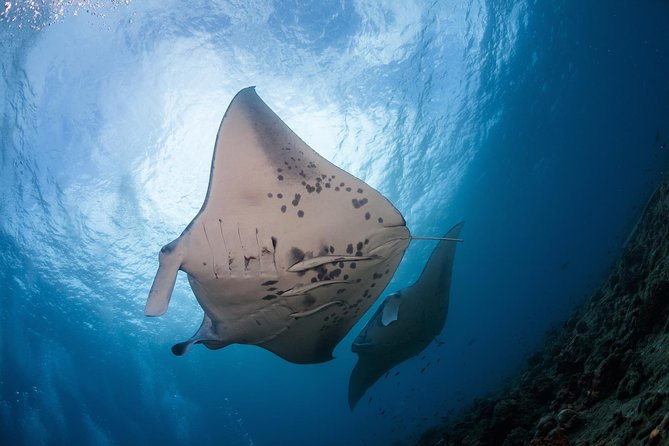
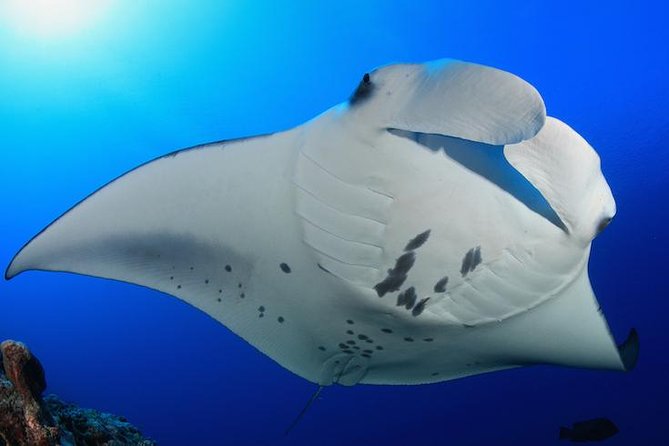
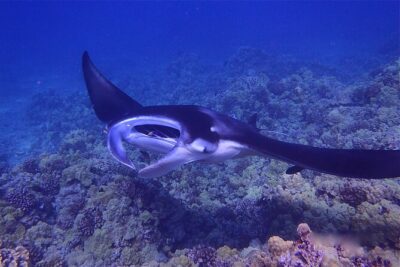
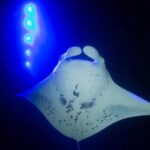
The point of the night light is feeding behavior. When things go well, manta rays gather and circle beneath the float, often with repeated passes. The experience can become face-to-face in a way that feels unreal.
Expect the mantas to be very close. The tour style is intentionally controlled, and guides enforce a strict no-touch approach. You may see mantas come so near you can pick out their size and smooth movement, and in some situations it feels like they’re almost brushing you.
The staff also takes steps to prevent accidental harm. One practical example that stands out is how they help manage foot and fin positioning so snorkel fins do not accidentally strike the manta rays. It is a small detail, but it is exactly the kind of thing that protects both you and the animals.
A calm mindset helps. The closeness can be thrilling, and it can also feel a little intimidating when you realize how big these animals are. If you keep your breathing steady and focus on watching rather than rushing, the night usually clicks into place fast.
Choppy water, seasickness, and the real comfort check
Even with a good boat and good staff, this is still an ocean night. Water conditions can be choppy, especially during some seasons. One common pattern is that people feel fine on the boat until they stop moving or until the sea gets rougher.
This is why the short ride to the snorkel zone is a quiet advantage. Less time on the water means less time for nausea to build. Still, if you are seasick easily, you should plan for it. Bring whatever you normally use for motion sickness, and consider eating light before you board.
The tour also includes a wetsuit, which helps with chilly water. People do mention that the water can be cold, even when the air feels fine. The wetsuit helps, but you should still prepare for a bit of chill, especially after you get back onboard.
And again, the physical style is holding the float. So think about this as a “stand-steady” challenge more than a “swim-a-lot” challenge. If you want a gentle ocean swim, this fits. If you expect long free swims, you may feel different about the experience.


Drinks, snacks, and the little comforts that add up
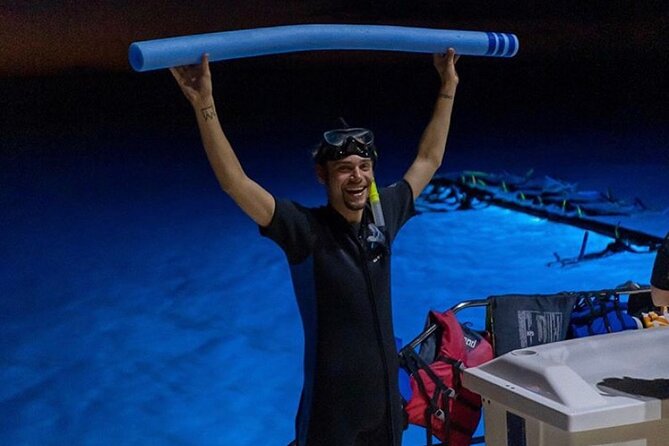
On the Hokulani, you get drinks and snacks as part of the sailing portion. After you board, having soda or varied juices and filtered water makes it easier to stay relaxed while you wait for the manta lights to do their work.
Also, this tour is run with an organized flow. You go from briefing to gear to water without a long delay. That matters at night, because waiting in the dark can make nerves rise.
There is also a comfort factor in the boat itself. The Hokulani setup is built for a group and feels spacious enough for people to get their bearings. Some people also point out that the boat has a bathroom, which is a nice sanity saver when you are out at night for a short stretch.
Price and value: what you pay for, and what you get back
At $141.57 per person, this is not a budget activity. But you are paying for a high-touch wildlife experience with specific equipment and controlled conditions.
Here is what that price buys in real life:
- You get wetsuits, masks, and snorkels provided, so you are not spending extra to kit up
- You get guided safety support from the boat to the water and back
- You get the lit float setup that changes the manta behavior you are likely to see
- You get a structured time window, with snorkel time around 45 minutes
For me, the value comes from the combination. A generic snorkel trip does not give you this manta-feeding setup. And a manta tour that requires a long boat ride often increases seasickness risk. This one is designed to keep the time and stress down while maximizing your chance at close encounters.
One more value note: the tour is limited to a maximum of 49 travelers. A smaller cap usually improves your comfort and how quickly staff can help you if you feel unsure.
Who this tour fits best, and who should think twice
I think this tour is best if you want a close wildlife experience without needing advanced snorkeling skills. You float. You watch. You follow staff direction.
It also fits families who want an adventure that feels different from a beach day. People often appreciate that the staff keeps things organized and safety-forward, especially when kids are involved. The experience can be exciting enough that it turns nervous energy into awe.
Who should think twice:
- If you cannot hold onto equipment comfortably for about 45 minutes, the float position might be tough
- If you have major mobility limits, you should read your comfort level with moderate physical fitness requirements
- If you strongly dislike night ocean conditions, even with a wetsuit and support, the darkness and movement might not feel worth it
The booking confidence factor: weather and that manta-rhythm matters
This experience requires good weather. That is not just legal language, it is reality. Since you are entering the water at night, rough conditions can change the experience and safety margin.
The good news is that if weather cancels the trip, you are offered a different date or a full refund. That gives you some flexibility, which matters on the Big Island where conditions can shift.
Should you book the snorkel with manta rays guaranteed?
If you want a truly close manta encounter with a guided, structured format, I would book this. The lit manta float setup turns the water into a feeding stage, and the staff approach makes it less scary than most people expect.
If you want a long free-swim snorkel where you roam independently, you might feel like you are mostly holding steady and watching from a set platform. Also, if rough seas are a big concern for you, plan for that. The short ride helps, but it still is an ocean night.
My practical takeaway: book it if you can handle a chilly, guided night snorkel where you hold onto the float for about 45 minutes. Skip it if you need total freedom of movement or you know you cannot tolerate nighttime water conditions.
FAQ
How long is the tour?
The tour runs about 1 hour 30 minutes total, and snorkel time is approximately 45 minutes.
Where does the tour start?
It starts at Keauhou Bay, Kahaluu-Keauhou, HI 96740, USA, and ends back at the meeting point.
Do I need to bring snorkeling gear?
No. Wetsuits, masks, and snorkels are provided. Fins are not needed.
What should I wear for night snorkeling?
You will be given a wetsuit. Bring whatever you normally use for warm comfort after you get back onboard, since the water can feel chilly.
Are full face masks allowed?
No. Due to safety concerns, full face masks are not allowed on these tours.
How many people are on the tour?
The tour has a maximum of 49 travelers.
What level of fitness is required?
You should have a moderate physical fitness level for this activity.
What drinks are included?
Filtered water and soda or varied juices are included, and drinks and snacks are offered onboard during the sunset cruise.
Tour Reviews: more from our Big Island of Hawaii desk
- Big Island in a Day: Volcanoes Waterfalls Sightseeing and History★ 5.0 · 6,569 reviews
- Big Island Manta Ray Night Snorkel★ 5.0 · 5,656 reviews
- Big Island: Kona Manta Ray Snorkel Tour in Keauhou Harbor★ 4.5 · 2,465 reviews
- Hilo Shore Excursion: Volcanoes National Park & Black Sand Beach★ 4.5 · 2,338 reviews
- Big Island: Captain Cook Snorkel On A Power Catamaran With Lunch★ 5.0 · 2,232 reviews
Newest Big Island of Hawaii reviews added to this site
- Luxury Kona Coast Snorkel Tour Including Lunch
★ 5.0 · 309 reviews - Kona Cloud Forest Sanctuary Montane Jungle Tour (2.5 hrs)
★ 5.0 · 322 reviews - Kona Shore Excursion: Sea Turtles, Historic Kona & Coffee
★ 4.5 · 324 reviews - Deluxe Morning Snorkeling Adventure
★ 5.0 · 325 reviews - Kohala Waterfalls Small Group Adventure Tour
★ 5.0 · 335 reviews - Volcano National Park Adventure From Kona
★ 5.0 · 339 reviews - Small-Group Big Island Tour: Hawaii Volcanoes National Park and Kona Coffee Farm
★ 5.0 · 343 reviews - Two Reef Snorkel Trip-See Captain Cook Monument & Sea Caves
★ 5.0 · 347 reviews - Big Island Parasailing Experience
★ 5.0 · 353 reviews - Hilo Shore Excursion: Volcano Safari Lava Caves & Black Sand
★ 4.5 · 363 reviews