
Review · UNITED STATES
Wreck and Bridge Span Dive for Certified Divers
Two wreck sites, one solid underwater plan. You’ll take a certified scuba trip from the shop at 106 Navy Blvd in Panama City Beach, heading to two underwater structures at about 50-75 feet, usually with around 30 feet visibility and little current. I love the safety-first coaching from DM Ben and the captain, plus the crackers, Snickers, fresh fruit, water, and Gatorade on board. Your main variable is water clarity, which can drop to roughly 15-25 feet after recent storms.
For the price of $115.36 per person, you get a real charter experience with taxes and fees handled, and lead weights are included. The trip runs about 4 hours, and the group stays small, max 14. If you’re hoping to fly the same day, plan on skipping it, since flying within 18 hours after the water session is not recommended.
In This Review
- Key Highlights You’ll Actually Care About
- Why This $115.36 Charter Feels Like Good Value in Panama City Beach
- Meet DM Ben, Then Get Your Setup Sorted Before Entry
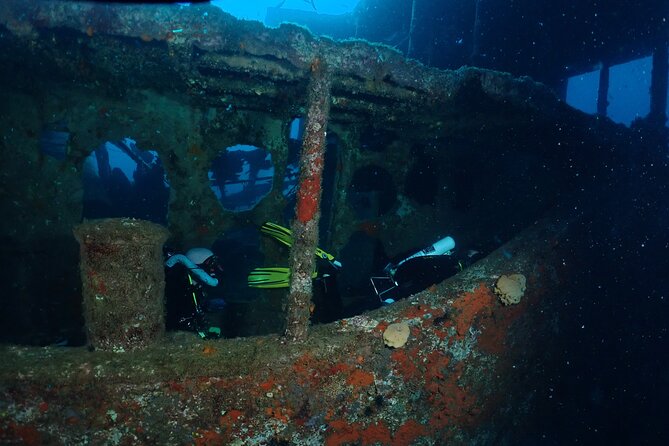
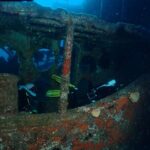
- Stop One: The Shipwreck Side, Where Wildlife and Structure Do the Talking
- Stop Two: Bridge Span and Artificial Reef, the Part That Can Feel Better or Just Fine
- Water Conditions: Visibility, Current, and the Simple Plan for Not Being Disappointed
- Snacks, Lead Weights, and Gear Choices That Keep You from Overpacking
- Timing, Group Size, and Why the Charter Runs Better When It’s Not Too Crowded
- Certification Rules and Fitness Reality Checks
- Who This Trip Fits Best, and Who Might Want a Different Plan
- FAQ
- FAQ
- How much does the wreck and bridge span experience cost?
- About how long is the experience?
- Where do we meet?
- What underwater sites will you visit?
- Do I need proof of certification?
- What’s included, and what’s not?
- What depth and visibility should I expect?
- Is flying after the experience recommended?
- What if my plans change, can I cancel?
- Should You Book This Wreck and Bridge Span Charter?
Key Highlights You’ll Actually Care About
- DM Ben’s hands-on setup help for both rental gear and personal gear you might not have dialed in yet
- Two underwater structures that include a shipwreck plus the bridge span/artificial reef area
- Snacks and drinks are built in (crackers, Snickers, fresh fruit, water, Gatorade)
- Typical visibility and current are set up for comfort, about 30 feet visibility and minimal current
- Lead weights are included, so you only worry about the rest of your kit
Why This $115.36 Charter Feels Like Good Value in Panama City Beach
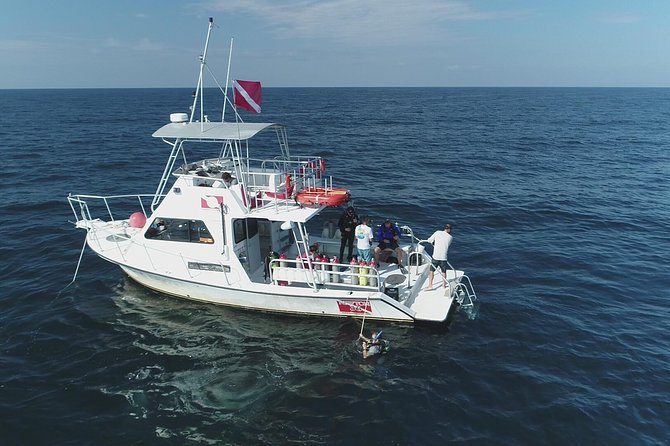
This isn’t just a boat ride with “good luck” vibes. You’re paying for a focused half-day plan: two underwater sites, a trained crew, and a smooth start at the marina. The cost includes all taxes, fees, and handling charges, which matters because a lot of tours nickel-and-dime you later.
On the comfort side, the onboard snack spread is unusually specific. You get crackers, Snickers bars, fresh fruit, plus water and Gatorade. That little bundle does two things for you: it keeps energy steady between check-in and the first water moment, and it saves you from hunting down food once the boat day has your schedule hostage.
Also, lead weights are included. Even if you’re bringing your own gear, weights can be one of those annoying extras that catches you off guard. If you do need rentals, scuba equipment is not included, but the tour at least makes it clear where that line is.
Meet DM Ben, Then Get Your Setup Sorted Before Entry
Safety here is not a slogan. It’s a process, and it starts early, with DM Ben and the boat captain. What I like is how practical the help is for real humans, not just people who already know every knob and hose.
If you’re using rental gear, Ben makes sure you know how to use it. If you’re bringing your own setup but you’re missing confidence on something, the crew still helps you get it right. That’s a big deal at sites with real structure, because you want your gear to behave before you’re staring at a wreck or bridge span and trying to troubleshoot.
You can also expect a site plan that fits the typical conditions. Depths are from 50-75 feet, and the usual setup runs with minimal current and visibility around 30 feet. Translation: you’re not being thrown into a white-knuckle situation. It’s still scuba, so you’ll follow instructions and stay within your training, but the crew is set up to keep things calm.
Not settled on one yet? These are other Panama City Beach trips our reviewers have been through.


Stop One: The Shipwreck Side, Where Wildlife and Structure Do the Talking
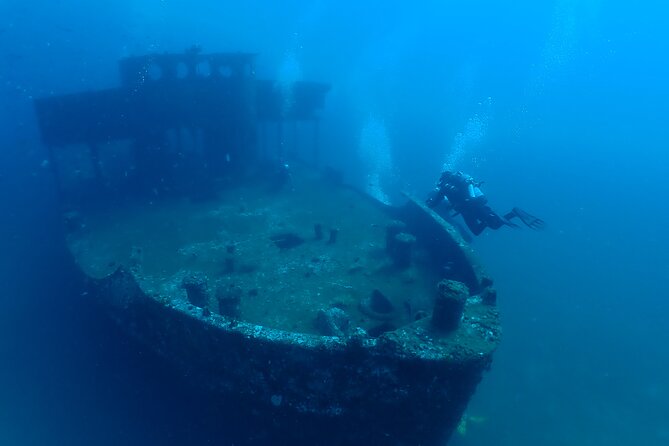
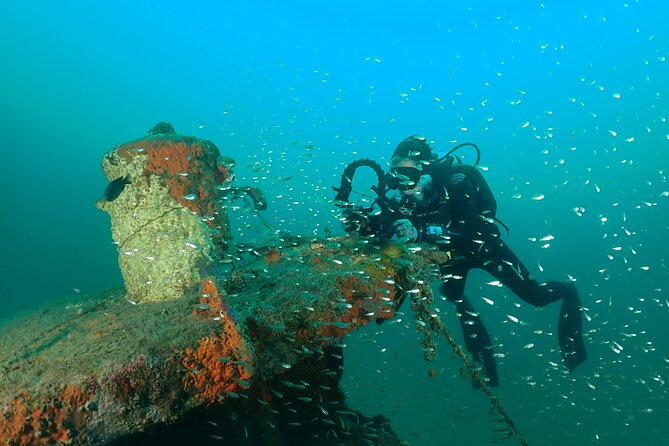
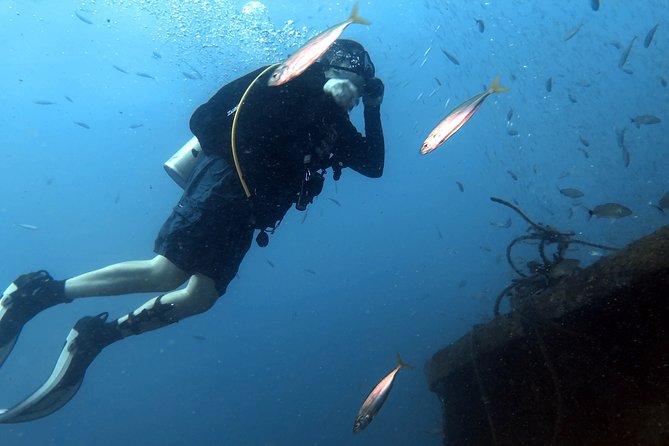
The first underwater stop is built around wreck structure off Panama City Beach. This is where the trip earns its name. You’ll explore a shipwreck and take in how fish and other sea life use the broken geometry for shelter and feeding.
At the stated depths, you’re usually in that “scuba sweet spot” where you can actually enjoy the shapes instead of just surviving the profile. Expect to spend time looking at the way the structure changes the water flow around it, and how the seabed and nearby surfaces create zones different species like.
The practical win is that wrecks give you visual anchors. When you’re getting your bearings, it’s easier to check cues against something solid and man-made. You’ll also get chances for your own slow look, because shipwrecks tend to reward careful observation more than rushing from spot to spot.
One balanced note: while the whole trip is designed as an exciting two-site outing, the wreck side is the one that gets the most consistent praise. If you’re the type who wants maximum “wow per minute,” this first structure is the one to be fully present for.
Stop Two: Bridge Span and Artificial Reef, the Part That Can Feel Better or Just Fine
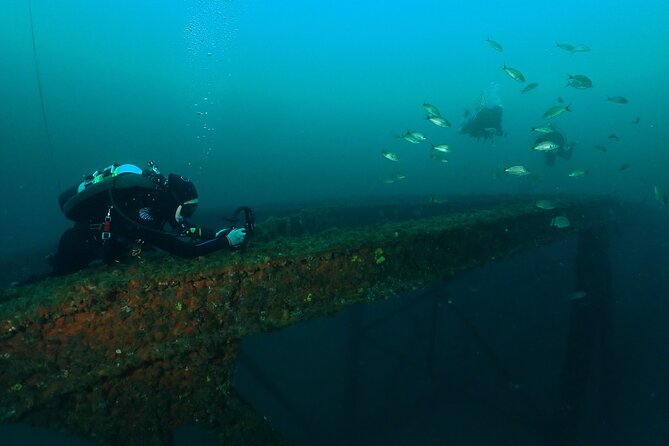
The second site focuses on a bridge span and nearby artificial reef structure. In theory, it sounds like you’ll see lots of vertical and horizontal surfaces, plus plenty of places for sea life to hang out. In practice, what you’ll experience depends on the conditions that day, especially visibility.
The bridge span side can be fun, but it may not always match the shipwreck’s impact. Some days the structure looks crisp and full of life. Other days, if visibility is reduced, you may feel like you’re seeing “the idea” of the site more than every detail.
Still, it’s a smart pairing with the wreck. You go from one kind of structure to another, and that keeps the trip from feeling repetitive. If you’re already comfortable with your buoyancy and you like taking your time, you’ll likely enjoy the chance to explore a different shape of underwater habitat.
Water Conditions: Visibility, Current, and the Simple Plan for Not Being Disappointed
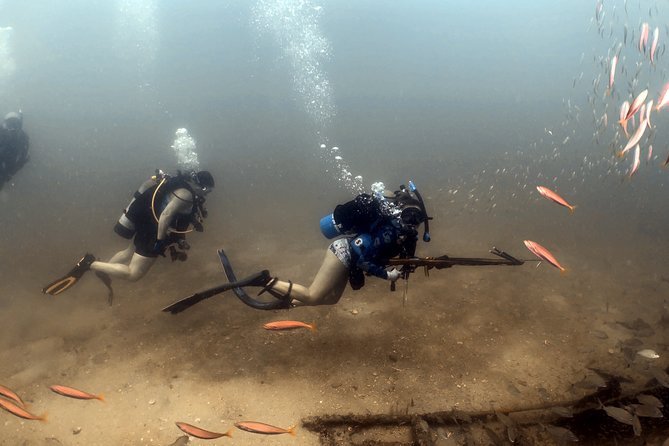
The typical conditions are in your favor: visibility is usually around 30 feet with minimal current. Depths are 50-75 feet, which is enough to feel like you’re doing real scuba and not just a swim, but it’s not pitched as extreme.
Here’s the part to plan mentally, based on what the crew has had to handle after weather. Visibility can drop, for example to about 15-25 feet after recent storms. That doesn’t mean the day is ruined. It means your expectations should shift from “crystal-clear photo clarity” to “solid structure viewing and wildlife time.”
If you’re the type who gets impatient when you can’t see as far, mentally prepare for shorter sightlines. The good news: wrecks and bridge structures still work well as focal points, even when visibility isn’t perfect. You just spend more time watching movement close to the structure and less time scanning into the distance.
Snacks, Lead Weights, and Gear Choices That Keep You from Overpacking
This trip is built with a few small decisions that help you pack smarter.
What’s included
- Snacks: crackers, Snickers bars, and fresh fruit
- Drinks: water and Gatorade
- Lead weights
What’s not included
- Use of scuba equipment
Rental gear is available if you need it, but it’s an additional cost. That means if you’re traveling and counting weight in your suitcase, you can likely travel lighter. If you’re bringing your own gear, you still benefit because the crew will help you work through setup questions.
Also, because lead weights are included, you might not have to bring your whole weight system. Still, don’t assume. Check what you personally need based on your buoyancy needs and training. The tour includes lead weights, but your specific weighting setup can vary by tank, suit, and your buoyancy baseline.
Timing, Group Size, and Why the Charter Runs Better When It’s Not Too Crowded
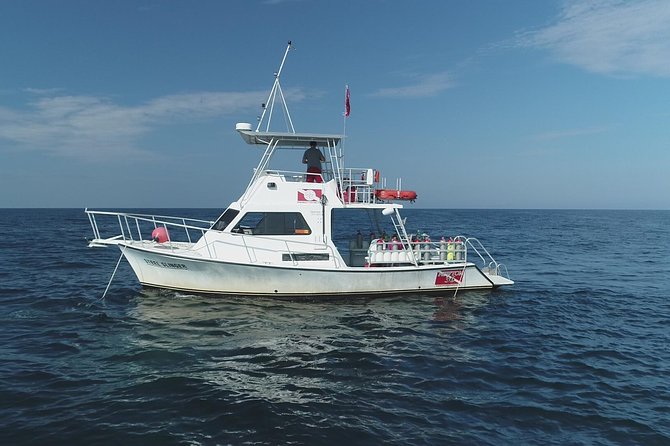
This is a practical half-day format. Duration is about 4 hours, and the activity starts and ends back at the meeting point at 106 Navy Blvd.
There’s also a meaningful crew-to-people ratio factor. The maximum group size is 14, and there’s a minimum of 4 people required for the charter to run. In real terms, that’s a sweet spot: enough people to keep the boat day organized, not so many that you feel like you’re part of a factory line.
If you want to match your schedule, note that the average booking happens about 19 days in advance. That’s a clue that you should reserve ahead, especially if you’re traveling in peak season or have a tight itinerary.
Certification Rules and Fitness Reality Checks
This trip is for certified scuba participants. Evidence of certification is required for everyone who wants to join, so have your proof ready.
The physical fitness level needs to be moderate. That doesn’t mean you need to be an athlete. It means you should be comfortable with the basics of a boat day, getting geared up, and handling the physical demands of being underwater and returning to the surface safely.
One more important planning note: flying within 18 hours after the water session is not recommended. If your plan includes an airport the same day, you’ll want to adjust. Think of it as part of doing scuba responsibly, not as an optional “maybe.”
Who This Trip Fits Best, and Who Might Want a Different Plan
This is a great fit if you:
- Are already scuba certified and want a structured outing to a shipwreck plus bridge span area
- Like crew support and want help with rental setup or personal gear tweaks
- Prefer a half-day schedule that’s long enough to feel like a real experience, but short enough to keep your day flexible
It’s less ideal if you:
- Are very sensitive to reduced visibility, since conditions can shift, especially after storms
- Want a more leisurely, no-pressure style. This is still guided scuba, with the crew managing safety and pacing
If you’re a newer certified participant, you’ll likely appreciate the hands-on attention DM Ben and the captain provide. If you’re experienced, you’ll still benefit from the structured site plan and clear expectations.
FAQ
FAQ
How much does the wreck and bridge span experience cost?
It’s $115.36 per person.
About how long is the experience?
It runs for approximately 4 hours.
Where do we meet?
The meeting point is at 106 Navy Blvd, Panama City Beach, FL 32408, USA.
What underwater sites will you visit?
You’ll head to two underwater sites, including a shipwreck and another site connected to the bridge span/artificial reef area.
Do I need proof of certification?
Yes. Evidence of scuba certification is required for all participants.
What’s included, and what’s not?
Snacks and drinks are included, and lead weights are included. Use of scuba equipment is not included, though rental gear is available at additional cost.
What depth and visibility should I expect?
Depths are from 50-75 feet. Visibility is typically between 30 feet with minimal current.
Is flying after the experience recommended?
Flying within 18 hours after the underwater portion is not recommended.
What if my plans change, can I cancel?
Free cancellation is available up to 24 hours in advance for a full refund.
Should You Book This Wreck and Bridge Span Charter?
Yes, if you want a well-run, safety-forward charter focused on two different kinds of underwater structure. The big draw for me is the crew approach: DM Ben and the captain help with gear setup, including rental gear and personal gear if you’re not 100% sure on something.
It’s also a good value because you’re not paying extra for basic extras like snacks, drinks, and lead weights, and the price includes taxes and fees. Just be smart about conditions. If you’re booking around bad weather patterns, accept that visibility may be reduced, and plan to enjoy the structures and close-up wildlife anyway.
If your schedule includes possible same-day flying, give yourself a buffer. Then book it and focus on the simple goal: controlled, confident scuba time at a wreck and a bridge span that’s different enough to keep the day interesting.
Tour Reviews: more from our Panama City Beach desk
- Shell Island Snorkel and Dolphin Catamaran Cruise with Island Time★ 5.0 · 4,362 reviews
- Sunset & Dolphin Catamaran Cruise with Island Time★ 5.0 · 1,867 reviews
- Sunset Dolphin Sail Aboard the Privateer Catamaran★ 5.0 · 709 reviews
- Shell Island Inflatable Adventure Park & Dolphin Sightseeing Tour★ 4.5 · 523 reviews
- Cypress Springs Eco Adventure★ 5.0 · 483 reviews
Newest Panama City Beach reviews added to this site
- Snorkel & Dolphin Sightseeing Tour Aboard the Footloose
★ 5.0 · 441 reviews - Sunset Dolphin Sail Aboard the Footloose Catamaran
★ 5.0 · 442 reviews - Cypress Springs Eco Adventure
★ 5.0 · 483 reviews - Wreck and Bridge Span Dive for Certified Divers
★ 5.0 · 521 reviews - Shell Island Inflatable Adventure Park & Dolphin Sightseeing Tour
★ 4.5 · 523 reviews - Sunset Dolphin Sail Aboard the Privateer Catamaran
★ 5.0 · 709 reviews - Sunset & Dolphin Catamaran Cruise with Island Time
★ 5.0 · 1,867 reviews - Shell Island Snorkel and Dolphin Catamaran Cruise with Island Time
★ 5.0 · 4,362 reviews