
Review · BIG ISLAND VOLCANOES AND KONA
Manta Ray Night Snorkel in Kona
Moonlight mantas are not for the timid. On this Kona night snorkel, you cruise out after sunset and look for manta rays near Garden Eel Cove, using lights designed to bring them in close. I love the included warm fresh-water shower rinse after you get out, and I also like how the crew runs the whole thing with clear safety rules that make night water feel manageable. One possible drawback: the boat can feel tight at full capacity, since the max group is 24.
You’ll either gear up and snorkel, or you can stay aboard and watch from a safe viewing spot. Either way, it has that rare, quiet feeling of being on the water after dark, with the ocean lit up and the whole goal simple: mantas, up close.
At $125 per person for about 3 hours 30 minutes, it’s not the cheapest snorkel in Kona. But the value comes from the combination of a purpose-built boat, included thermal gear, and the real chance at a true once-in-a-lifetime show if the mantas cooperate.
In This Review
- Key things that make this manta night snorkel worth your time
- Your 4:00 pm plan on the Kona coast
- The Maheli-Heli boat setup, and why it matters at night
- Garden Eel Cove, gear up, then decide: snorkel or stay dry
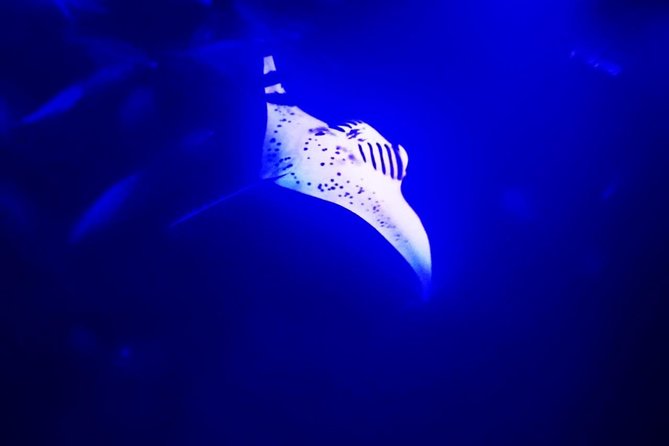
- The manta ray part: lights, patience, and what you might actually see
- Comfort, what to pack, and how to not freeze mid-show
- Safety rules and the small details that make the night feel organized
- Price and value: what $125 buys you in Kona
- Should you book this manta ray night snorkel in Kona?
- FAQ
- How long is the Manta Ray Night Snorkel in Kona?
- What time does the tour start?
- Do I have to snorkel, or can I stay on the boat?
- What snorkeling gear is included?
- Are wet suits provided?
- Is a warm shower or rinse included?
- Is there a bathroom on the boat?
- How many people are allowed on this tour?
- Do you need to sign a waiver before getting in the water?
- What if the weather is poor?
Key things that make this manta night snorkel worth your time
- Purpose-built boat for easy entry and recovery (step ladder with submerged steps, no transom crawl-over, cabin and head onboard)
- Warm shower rinse after you snorkel, so you do not end the night feeling chilled
- Included float support plus wet suits, which helps a lot if you are not a confident swimmer
- Lights and setup aimed at getting mantas into your viewing zone, so you are not just guessing in the dark
- A smaller night experience with a max of 24 people, and a more unhurried pace than “in and out” tours
Your 4:00 pm plan on the Kona coast
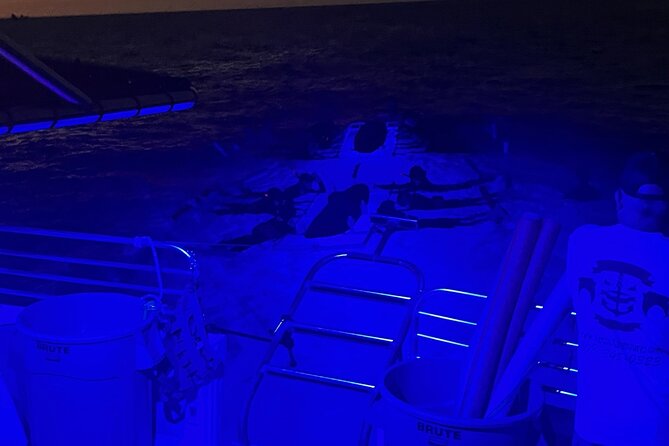
This tour starts at 4:00 pm and runs about 3 hours 30 minutes, with the boat returning to the same meeting point. The day part matters: you get a sunset cruise out along the Kona coast, then the experience shifts into full night snorkeling when the lights are on and the mantas are most likely to show up.
The route heads toward Garden Eel Cove, which sets expectations. You are not just floating around in open water, you are going to a known hotspot where manta activity is expected. If you are the type who hates feeling rushed on tours, you’ll like the pacing. Many nights are set up for one focused trip, not multiple back-to-back groups trying to cycle through a location.
What can spoil any night snorkel plan is also simple: weather, sea conditions, and whether the mantas move through the area when you are there. Sometimes you get a long, constant feeding show. Other times they show up late, or not at all. When they do appear, though, the closeness is the whole reason people pay.
The Maheli-Heli boat setup, and why it matters at night
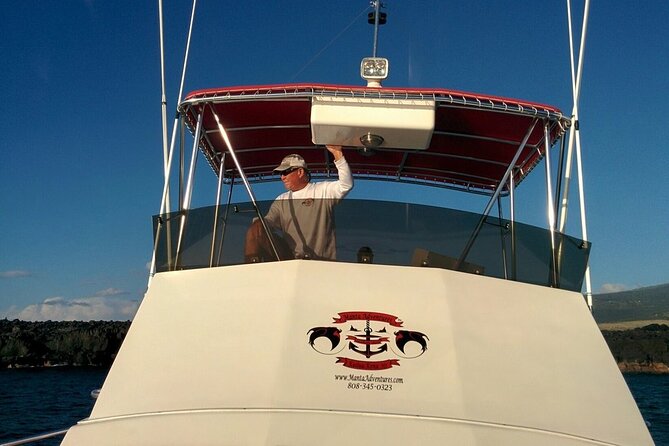
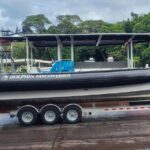
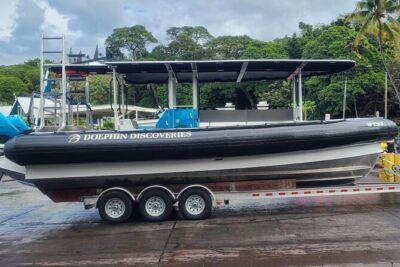
The boat used for this adventure, the Maheli-Heli (a custom build from 2016), is built for comfort and safer water entry at dusk. The ride is described as smooth, and the boat has a cabin where items can stay safe and dry while you gear up.
One of the biggest practical differences is the way you get in. There is no awkward transom crawl-over. Instead, there’s a heavy-duty ladder with four submerged steps, and the entry and exit feel more controlled, even when the water is dark and you are doing this for the first time.
Inside, you get a head (toilet) with a sink, which sounds minor until you are out on the water and want to feel normal. You’ll also have an easy place to warm up and dry off between snorkeling intervals, helped by the included wet suits and the fact that you are not constantly shuttling between rough deck setups.
They also use eco-friendly engines, which you may not notice during the ride, but you will appreciate the smoother, more comfortable feel when everyone is waiting for the manta moment.
Evening Experiences we have also been through in Big Island of Hawaii
Garden Eel Cove, gear up, then decide: snorkel or stay dry
Once you arrive at the dock location (Manta Adventures Inc on Kealakehe Pkwy in Kailua-Kona), the crew gets you organized and makes sure you understand the rhythm of the night. Before you get in, every participant is required to fill out and sign an in-water snorkel waiver.
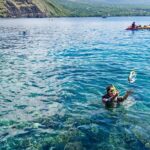
From there, the experience gives you a choice. You can snorkel with included gear, or you can stay dry on board and watch from a safer position. If you are coming with kids or someone who does not want to get in, the stay-dry option is a big deal for keeping the whole group comfortable.
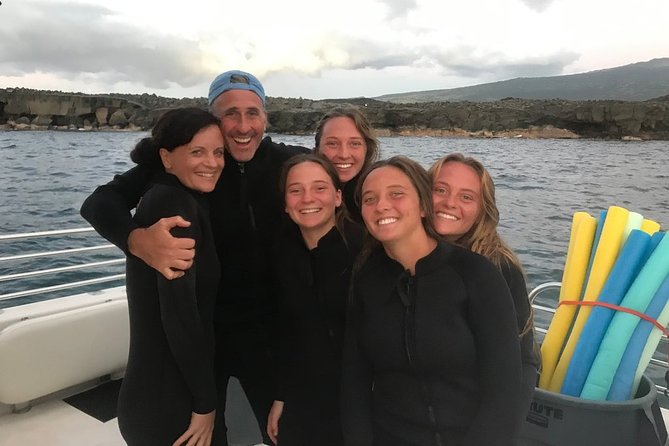
If you do snorkel, here’s what is included: snorkel gear, fins, a mask, floatation devices, and wet suits. That means your “equipment anxiety” should be low. One of the common themes in real stories is that floatation support helps people who are not strong swimmers feel steady and safe while they position themselves near the board.
Expect at least one moment of learning the routine. At night, it is not hard physically, but it is mentally different. You will want to follow the crew’s instructions exactly, especially on where to hold yourself and how to stay clear of others in the water.
And yes, plan for a practical comfort moment after the snorkeling. The tour includes a fresh-water warm shower rinse, so you are not left rubbing sunscreen and salt into your skin for the rest of the evening.
The manta ray part: lights, patience, and what you might actually see
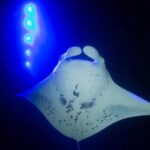
Here’s the core idea of this tour: manta rays are pulled into a viewing zone using specialized lighting and a setup designed to make them comfortable enough to stay near the surface. The captain and crew control the lights, timing, and positions so you spend less time staring into darkness and more time watching the real event.
In multiple experiences, people describe getting manta rays close, sometimes so close they are basically gliding inches under or in front of the snorkelers. You may see them as a steady stream feeding at the lights for a long stretch. Other nights are more variable, and you might see fewer mantas or have a lull where everyone thinks the show is over. That uncertainty is normal in open-ocean wildlife.
A useful detail from the stories: the setup is not just generic. Captains like Bill, and crew members such as Drew, Sam, Kevin, and Cal, are repeatedly praised for running the process with confidence. Many people specifically mention the lights as a key reason other boats might not get the same results. The logic is simple: brighter, better positioned lights help mantas decide to stick around near the surface feeding zone.
You should also know what to expect around the edges of the manta show. You might see small fish like tuna and needlefish in the mix. And because this is night snorkeling, you are likely to spend more time watching behavior than doing “ocean exploration.” That’s the bargain you’re making for the chance at manta magic.
One thing I like about this tour’s approach is the focus on safety for both people and mantas. In clear terms, the crew keeps rules tight, because mantas are wild animals and the ocean is not a theme park. If the captain sounds stern, that is usually a sign they are protecting the experience for everyone.
Comfort, what to pack, and how to not freeze mid-show
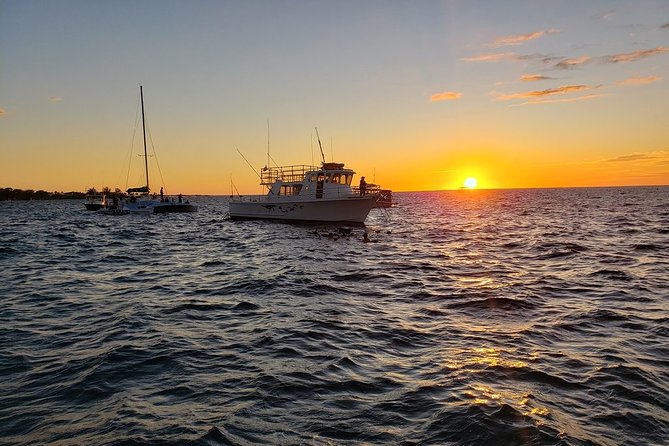
This is a nighttime ocean outing, so comfort is not a side issue. It is the whole game, because cold water changes how long you want to stay in the water and how confidently you handle your position on the board.
Good news: wet suits are included and the boat provides warm fresh-water shower rinse after. People do still mention that when you are holding on and waiting your turn, you can get chilly as it gets darker and the air cools down. If you run cold easily, bring a light layer for after you get back on board.
Here’s what to bring:
- A towel (not optional)
- Swim wear plus a cover up
- A light jacket or sweater for the ride home
- Underwater camera or GoPro if you want photos and video
- Any special snacks or drinks you personally want
One important reality check: the crew is there to run the tour, not to be a camera team. If you want footage of mantas under the lights, bring your own waterproof or underwater housing.
Also consider motion and your personal “night comfort level.” Rough conditions can happen, and people sometimes feel sea sick when the water is choppy. If you are sensitive, you might want to plan accordingly.
Safety rules and the small details that make the night feel organized
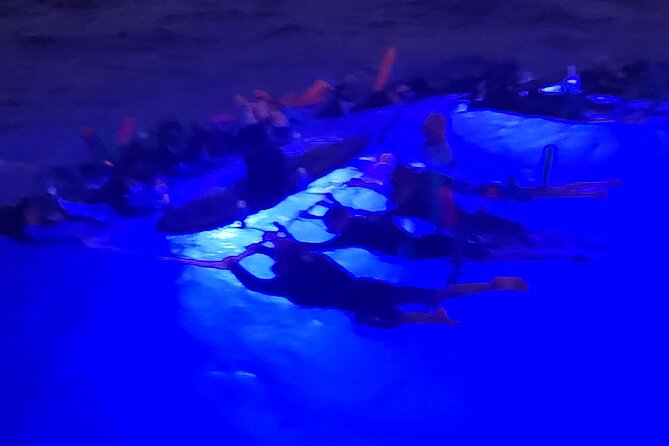
This tour is built around a simple sequence: briefings, careful entry, controlled snorkeling time, then rinse and back on board. The reason people keep praising the crew is that they treat the process like safety first, fun second, but without killing the mood.
In practice, you get structure:
- You follow the crew’s directions for where and how to get in.
- You wear your floatation device if you need it.
- You keep your space and avoid crowding.
- You listen when the captain makes calls based on the animals and water conditions.
You might notice that some captains are described as firm. I take that as a good sign. At night in open water, lax rules are the fast track to chaos. When the crew is calm and strict, it helps you relax enough to actually watch the mantas do their thing.
Group size also affects your experience. With a max of 24, the vibe can be friendly. But if you really dislike tight spaces, plan for it. A few people mention feeling crowded on the boat at full capacity. The upside is that the snorkeling portion can still feel spacious because you are in the water, and the crew manages spacing on the boards.
Wildlife timing adds another variable you can’t control. If mantas do not show up, no tour can promise they will. Some stories describe manta-free nights, even when the crew was doing everything right. The best you can do is show up ready to be flexible with nature.
The rest of our Big Island Volcanoes and Kona notes for Big Island of Hawaii
Price and value: what $125 buys you in Kona
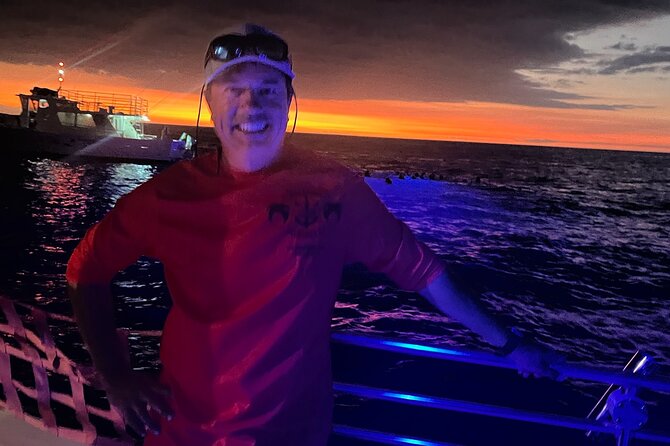
At $125 per person, you are paying for more than “a boat and a chance.” You are paying for:
- A custom-built night snorkel boat with easy ladder entry and onboard facilities
- Included wet suits and floatation support
- Warm fresh-water rinse plus snacks and beverages
- A lighting setup focused on manta viewing
Some people compare value to cheaper tours and decide the difference is worth it. Their reasons are consistent: better lights, better equipment, and a smoother overall experience. You also do not have to think about bringing gear like fins, masks, or floatation devices.
It is still wise to be realistic about the one thing you cannot buy: manta reliability. Wildlife is unpredictable. If your priority is a guaranteed manta sighting, this is not the right category of activity. If your priority is a well-run night snorkel with strong odds, this is exactly where your money goes.
And if you see mantas, the payoff is huge. People describe rays gliding close for long moments, sometimes as multiple mantas feeding near the lights for much of the snorkel time.
Should you book this manta ray night snorkel in Kona?
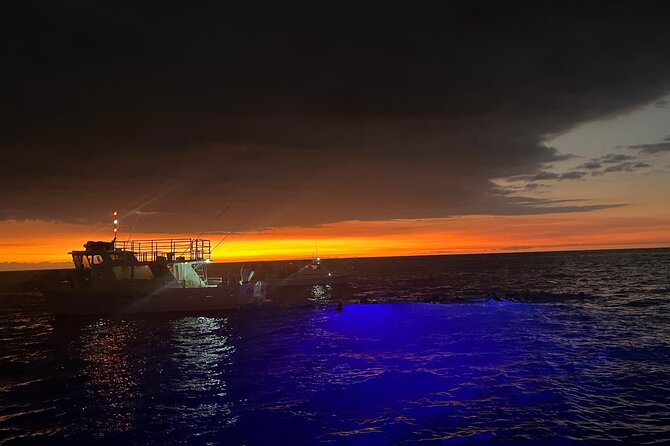
If you want a night adventure where your odds are improved by a boat built for easy entry, included thermal comfort, and a crew that runs the rules, I think you should seriously consider booking. This is especially appealing if you are traveling as a mixed group, since you can snorkel or stay dry and still enjoy the show.
Skip it only if tight spaces really stress you out, or if you absolutely need a fixed, guaranteed wildlife outcome. On the ocean, “no manta night” is possible, and sea conditions can add discomfort.
If you do book, do two things that help your experience immediately: bring an underwater camera so you capture the lights and manta passes, and bring layers for after you’re out. The tour gives you a lot, but the night is still Hawaii ocean night, and being comfortable makes you enjoy the show longer.
FAQ
How long is the Manta Ray Night Snorkel in Kona?
It runs for about 3 hours 30 minutes (approx.), and it ends back at the meeting point.
What time does the tour start?
The start time is 4:00 pm.
Do I have to snorkel, or can I stay on the boat?
You can choose to snorkel with the included gear or stay dry on board to watch.
What snorkeling gear is included?
Snorkel gear including fins, mask, and floatation devices is included.
Are wet suits provided?
Yes, wet suits are included.
Is a warm shower or rinse included?
Yes. You get a warm fresh water shower rinse after your snorkeling.
Is there a bathroom on the boat?
Yes. The boat includes a head (toilet) with a sink.
How many people are allowed on this tour?
The tour has a maximum of 24 travelers.
Do you need to sign a waiver before getting in the water?
Yes. All participants must fill out and sign an in-water snorkel waiver.
What if the weather is poor?
If the tour is canceled due to poor weather, you can choose an alternative date or receive a full refund.
Big Island Volcanoes and Kona reviewed right across Big Island of Hawaii
- Big Island in a Day: Volcanoes Waterfalls Sightseeing and History★ 5.0 · 6,569 reviews
- Big Island Manta Ray Night Snorkel★ 5.0 · 5,656 reviews
- Big Island: Kona Manta Ray Snorkel Tour in Keauhou Harbor★ 4.5 · 2,465 reviews
- Hilo Shore Excursion: Volcanoes National Park & Black Sand Beach★ 4.5 · 2,338 reviews
- Big Island: Captain Cook Snorkel On A Power Catamaran With Lunch★ 5.0 · 2,232 reviews
Elsewhere under Evening Experiences in Big Island of Hawaii
- Big Island Manta Ray Night Snorkel★ 5.0 · 5,656 reviews
- KONA Manta Ray Night Snorkel – FREE re-ride if no Sightings★ 5.0 · 2,212 reviews
- Manta Ray Night Snorkel at Kona, Big Island★ 5.0 · 1,758 reviews
- Big Island GOAT Experience: Mauna Kea Summit, Sunset & Stars★ 5.0 · 1,706 reviews
- Big Island: Mauna Kea Summit Tour with Free Night Star Photo★ 5.0 · 1,449 reviews
Tour Reviews: more from our Big Island of Hawaii desk
- Big Island in a Day: Volcanoes Waterfalls Sightseeing and History★ 5.0 · 6,569 reviews
- Big Island Manta Ray Night Snorkel★ 5.0 · 5,656 reviews
- Big Island: Kona Manta Ray Snorkel Tour in Keauhou Harbor★ 4.5 · 2,465 reviews
- Hilo Shore Excursion: Volcanoes National Park & Black Sand Beach★ 4.5 · 2,338 reviews
- Big Island: Captain Cook Snorkel On A Power Catamaran With Lunch★ 5.0 · 2,232 reviews
Newest Big Island of Hawaii reviews added to this site
- Luxury Kona Coast Snorkel Tour Including Lunch
★ 5.0 · 309 reviews - Kona Cloud Forest Sanctuary Montane Jungle Tour (2.5 hrs)
★ 5.0 · 322 reviews - Kona Shore Excursion: Sea Turtles, Historic Kona & Coffee
★ 4.5 · 324 reviews - Deluxe Morning Snorkeling Adventure
★ 5.0 · 325 reviews - Kohala Waterfalls Small Group Adventure Tour
★ 5.0 · 335 reviews - Volcano National Park Adventure From Kona
★ 5.0 · 339 reviews - Small-Group Big Island Tour: Hawaii Volcanoes National Park and Kona Coffee Farm
★ 5.0 · 343 reviews - Two Reef Snorkel Trip-See Captain Cook Monument & Sea Caves
★ 5.0 · 347 reviews - Big Island Parasailing Experience
★ 5.0 · 353 reviews - Hilo Shore Excursion: Volcano Safari Lava Caves & Black Sand
★ 4.5 · 363 reviews
Big Island Volcanoes and Kona, side by side.
 ★ 5.0Big Island in a Day: Volcanoes Waterfalls Sightseeing and HistoryFrom $2646,569 reviews
 ★ 5.0Big Island Manta Ray Night SnorkelFrom $845,656 reviews
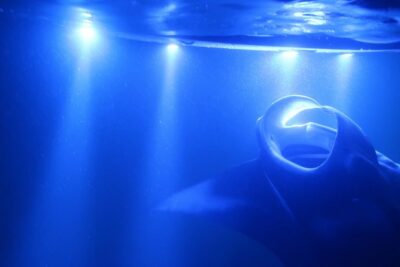 ★ 4.5Big Island: Kona Manta Ray Snorkel Tour in Keauhou HarborFrom $252,465 reviews
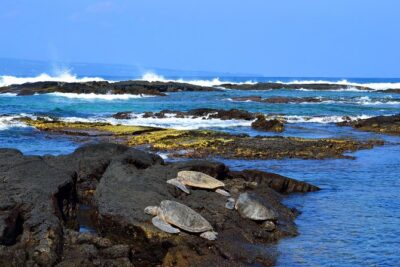 ★ 4.5Hilo Shore Excursion: Volcanoes National Park & Black Sand BeachFrom $1592,338 reviews
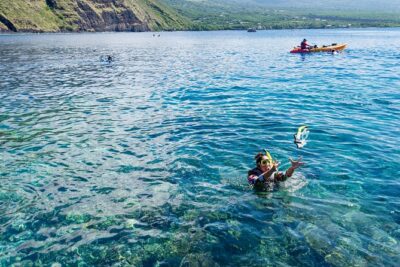 ★ 5.0Big Island: Captain Cook Snorkel On A Power Catamaran With LunchFrom $852,232 reviews
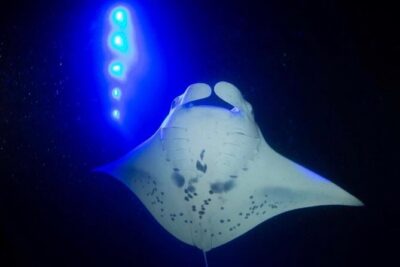 ★ 5.0KONA Manta Ray Night Snorkel – FREE re-ride if no SightingsFrom $492,212 reviews
 ★ 5.0Manta Ray Night Snorkel at Kona, Big IslandFrom $441,758 reviews
 ★ 5.0Big Island GOAT Experience: Mauna Kea Summit, Sunset & StarsFrom $2891,706 reviews
This one is also listed in