
Review · MAUI ISLAND TRIPS
Maui Eco-Raft Tour: Eye-Level Whale or Dolphin Watching – Lahaina
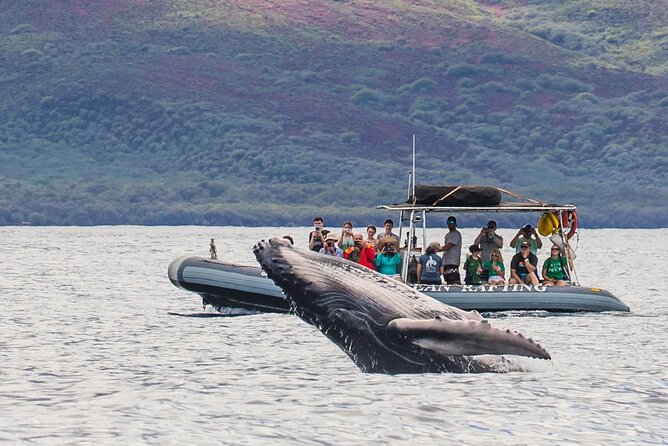
Whales feel close on this small raft tour. You cruise eye-level in a low-water zodiac for clear views, then hear real whale sounds through a hydrophone in season. I love the small group feel and the hands-on marine-naturalist talk, but the big drawback is simple: up-close sightings are never guaranteed.
This one runs from Lahaina and returns the same way, with the crew working hard to find where the action is. I also like the practical touch that the raft can stop when whales show up, so you get a real chance at photos instead of just speeding past. Still, plan for damp conditions, and note the limits: no kids under 3, and no pregnant guests.
In This Review
- Key highlights to know before you go
- Why This Lahaina Raft Feels Personal
- Season Matters: Whales (Dec-Apr) or Dolphins (Summer)
- Meet at 1223 Front Street, Then Board Fast
- Stop 1 Lahaina and Stop 2 Maui Waters: How the Hunt Works
- Eye-Level Views That Actually Help You Spot Action
- Hydrophone Whale Songs: The Moment I’d Plan Around
- Marine-Naturalist Narration That Makes the Water Make Sense
- Dolphin Season Includes Snacks, Plus Coastal Time
- What to Pack So You Don’t Get Miserable
- Safety Rules and Who Should Skip This One
- Price and Value: Is $85.16 Worth It?
- Who This Tour Is Perfect For
- Should You Book the Maui Eco-Raft Whale or Dolphin Tour?
- FAQ
- When can I see whales on this tour?
- When is the dolphin option available?
- How long is the tour?
- Where does the tour start?
- Are children allowed?
- Is this tour suitable for pregnant people?
- What is included on the tour?
- Are up-close wildlife encounters guaranteed?
- What is the cancellation policy?
Key highlights to know before you go
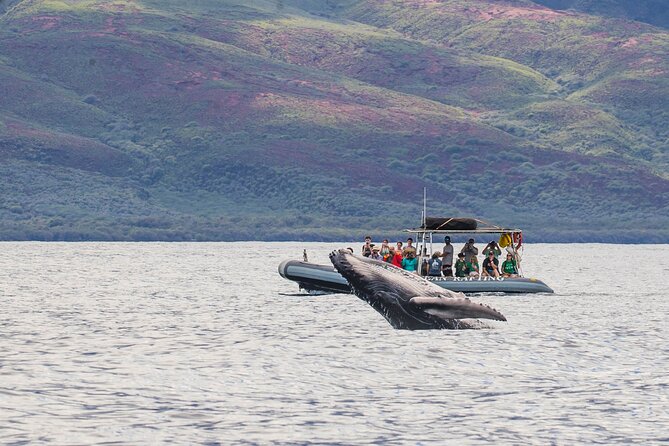
- Eye-level zodiac viewing for better sight lines across the water
- Marine naturalist narration that explains what you are seeing
- Hydrophone whale songs during whale season (December to April)
- Small group size capped at 25, often feeling much smaller
- Raft stops at sightings for photo time once whales are spotted
- Wet-weather ready setup including ponchos and life jackets provided
Why This Lahaina Raft Feels Personal
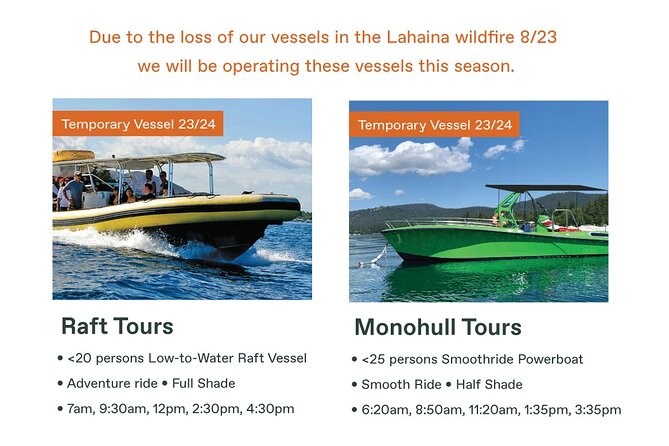
This is not one of those big-boat “stand in a crowd and hope” whale trips. You’re in a small zodiac raft, and the whole point is to keep you at water level so you are not fighting railings or camera-unfriendly angles.
What really makes it feel personal is the guide setup: you get marine narration plus active spotting and repositioning when whales show up. In multiple recent trips, I kept seeing the same theme in the guide feedback, with people praising Captain Jack and biologists like Jess, plus other crew names like Olivia, Shay, and Meredith for keeping the hunt focused and the mood friendly.
One more plus: because the vessel is small, you end up sharing space like a family-style outing. You’ll still follow crew instructions, but it’s not the same experience as boarding a party-sized catamaran.
Season Matters: Whales (Dec-Apr) or Dolphins (Summer)
The tour changes with the season, and that affects what you should expect out on the water.
- Whale season (December to April): you are looking for migrating humpback whales. This is also when you can listen for whale songs through the hydrophone.
- Summer months: the focus shifts to dolphin watching and coastal sightseeing.
This matters for planning your Maui dates. If whale songs are high on your list, target the winter window. If you just want a lively ocean cruise with dolphins and scenery, the summer option can be a great fit.
Also remember that this is wildlife viewing in the wild. Even when the crew is doing everything right, encounters vary. Your best strategy is to book with the right mindset, not with a guarantee expectation.
Additional Dolphin Watching on the review pile in Maui
Meet at 1223 Front Street, Then Board Fast
Your tour starts at 1223 Front St, Lahaina. There is no hotel pickup, so you’ll want to treat this like a walk-to-the-boat kind of plan.
Arrive early. The tour leaves promptly, and the operator requires you to be there 30 minutes prior to boarding. In real life, that timing helps you handle small issues like limited parking or finding the exact meeting spot.
One thing I appreciate from the on-the-ground flow: once you check in, you get a boarding pass, and the crew keeps the process moving. That matters because when you are trying to get out on Maui ocean time, wasting minutes on shore cuts into your spotting window.
Finally, boarding does require some physical mobility since it’s at a boarding location, so plan for a bit of effort getting on and off the raft.
Stop 1 Lahaina and Stop 2 Maui Waters: How the Hunt Works
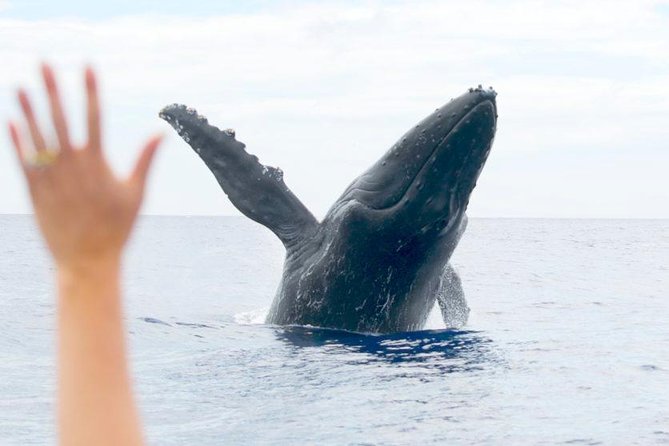
The experience is described in two stops, Lahaina first and then Maui waters. In practice, that means you’re launching out of Lahaina, cruising to where whales or dolphins are likely to be, and then returning back to the same meeting point.
Here is what makes the “hunt” feel worthwhile:
- When whales are spotted, the raft can stop for better viewing and photo opportunities.
- You cruise in a low raft that keeps your eyes near the waterline, so spotting is easier than it is on higher decks.
The key drawback is that there is no fixed route where you simply arrive and the animals appear on cue. Up-close encounters are not guaranteed, and your sightings depend on where the animals are that day.
The good news is that people repeatedly mention the crew being aggressive about finding activity and staying with it once it’s located. That is exactly what you want from a small-boat operation.
Eye-Level Views That Actually Help You Spot Action
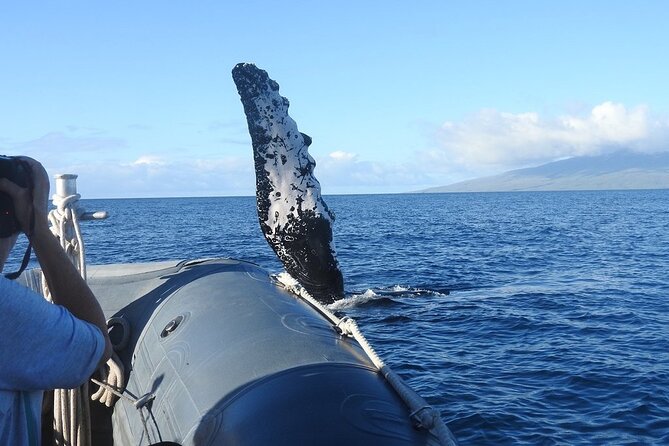
Eye-level viewing sounds like marketing until you try it. Here, you are positioned so you can see behaviors like surface blows, tail fin activity, and the small tell-tale movements that happen before a bigger breach.
Several guide-focused comments kept coming up, especially around the crew finding whales that stayed active near the top. When whales are near the surface, the raft’s positioning makes a real difference for both sightlines and photography.
Also, the “keep it moving, then pause” style helps you catch the moment. The raft stops at sightings, so you aren’t just watching from one spot while the animals drift away.
One small consideration: if you’re seated further back (which can happen if your timing slips), you might get a slightly less perfect view. That said, people also describe that the experience can still feel interactive, so it’s not a deal breaker.
Hydrophone Whale Songs: The Moment I’d Plan Around
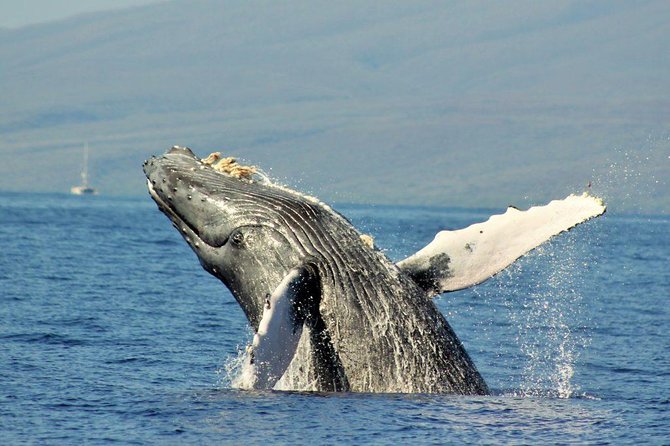
If you are going in during December to April, the hydrophone is a major reason to choose this tour.
Humpback whales communicate with complex sounds, and the hydrophone is designed to let you listen to whale songs while you’re out on the water. That turns the trip from only visual watching into something more memorable: you’re not just spotting animals, you’re hearing them.
It also changes the pacing. The crew can shift the vibe from searching mode into listening mode. Even when sightings are slower at the start, being able to hear sounds keeps the trip feeling alive.
In feedback, the hydrophone moment comes up as a highlight, with people specifically calling out whale song as a top memory.
Our remaining Maui Island Trips write-ups for Maui





Marine-Naturalist Narration That Makes the Water Make Sense
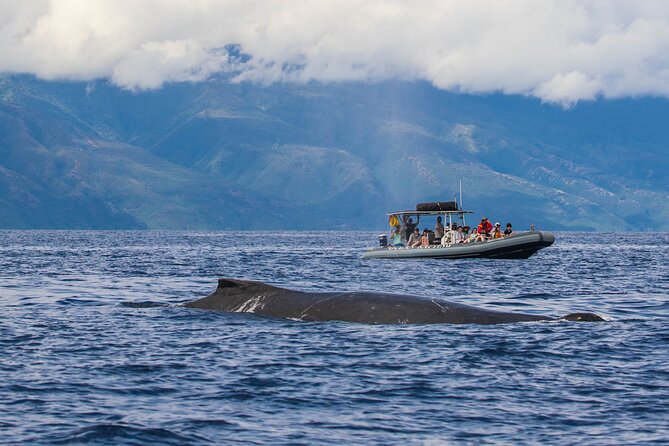
You’re not out there to guess. The tour includes marine naturalist narration, and it’s aimed at helping you understand what you are seeing in Maui’s ecosystem.
This is where the best tours earn their money. A good whale guide doesn’t just point. They explain behavior: why whales are surfacing where they are, what different movements can mean, and what you should look for next.
Crew names show up often in praise, including Jess (as a marine biologist), and multiple captains and first mates. That tells me the operator invests in staff who keep the experience informative while staying relaxed and friendly.
Practical tip: bring a little patience. When the narration is doing its job, you start seeing patterns instead of random movement. It’s a different kind of viewing.
Dolphin Season Includes Snacks, Plus Coastal Time
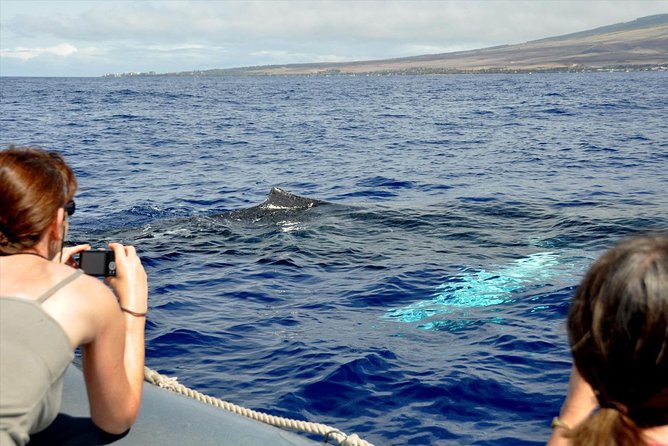
If you book the dolphin option in summer, you’re also doing coastal sightseeing, not only chasing fast dolphin blows and quick turns.
Snacks are included on the dolphin tour, along with beverages. One note to keep you from getting surprised: people have shared that the beverage setup can feel lighter than expected, with water often being the sure thing. If you care about specific drinks, it’s smart to ask what is available onboard before you get thirsty.
Still, the dolphin season format can be a great choice if you’re traveling with kids age 3 and up, or if you want ocean time even if whales are not in season.
What to Pack So You Don’t Get Miserable
Plan to get wet. The tour is described as a low-water boat, with ocean spray and light rain possible.
Here’s what I’d pack in Maui terms:
- Sun protection: hat, sunglasses, and reef-safe sunscreen
- A warm layer for cool spray, especially if the wind picks up
- Shoes that grip well, since boarding can be physical
- Reef-safe sunscreen rule matters: no spray sunscreen is permitted. Only reef-safe rub-on is allowed.
You may also be provided ponchos. Even with ponchos, you should expect dampness. If you are the type who hates wet hair or damp socks, bring a spare small bag so you can change after.
Shade varies on the boat, so even if it looks sunny at check-in, expect to spend time in mixed conditions.
Safety Rules and Who Should Skip This One
This tour is built for safety and wildlife distance, and the operator is clear about who should not join.
Do not book if you are:
- Pregnant (not suited for pregnant individuals)
- Dealing with back or neck injuries
- Traveling with children under 3 (no babies allowed on the raft)
The tour is also active enough that boarding requires physical mobility due to the boarding location. That doesn’t mean it’s extreme, but you should be ready to move and step up and down safely.
Life jackets are provided for emergencies but are not required to be worn during the tour, so you can focus on comfort while still staying prepared.
Finally, the boat is capped at 25 travelers, which helps keep it manageable, but you should still dress and behave like an outdoor activity. Wet gear and sunscreen are not optional in Maui sun and salt air.
Price and Value: Is $85.16 Worth It?
At $85.16 per person for about 2.5 hours, this sits in the “good deal if the whale gods cooperate” category. The reason it can be worth it is that you are paying for a tight package:
- small zodiac access that supports eye-level viewing
- marine narration
- hydrophone listening in whale season
- crew effort to find activity and pause for sightings
Also, bookings average about 37 days in advance. That’s usually a sign demand is real, which often correlates with operational momentum and a consistent crew.
The honest drawback is the same one every wildlife tour has: encounters are not guaranteed, and conditions matter. If weather forces adjustments, you might get rescheduled. If that would break your trip timing, plan a second option on your itinerary.
Still, when people praise this tour, they frequently do it for the same practical reasons: small raft, close sightings, and the hydrophone experience. If those are your must-haves, this price looks fair.
Who This Tour Is Perfect For
This is a strong match if:
- you want eye-level whale watching instead of balcony-level guessing
- you enjoy learning while you watch, especially whale behavior and Hawaiian marine life
- you prefer a smaller group vibe
- you want a 2.5-hour activity that doesn’t eat your whole day
It may not be your best choice if:
- you need a very gentle, seated-only experience with no physical boarding demands
- you are pregnant or have back or neck limitations
- you absolutely cannot handle getting wet and dealing with spray
Should You Book the Maui Eco-Raft Whale or Dolphin Tour?
I’d book it if your dates align with whale season and you care about hearing whale songs, not just seeing whales. The combination of a small zodiac raft, marine-naturalist narration, and the hydrophone is a rare mix that feels purpose-built.
I’d pause if you’re traveling with someone who cannot meet the age or health rules, or if your schedule is so tight that a weather-dependent change would ruin the day. Also, go in with the right expectation: you are buying a guided search and the best chance at great sightings, not a guaranteed animal encounter.
If you want the classic Maui experience of watching humpbacks from a low, water-level raft off Lahaina, this is a very practical bet.
FAQ
When can I see whales on this tour?
The tour offers whale watching from December to April.
When is the dolphin option available?
The dolphin watching option runs during the summer months, along with coastal sightseeing.
How long is the tour?
The tour is approximately 2 hours 30 minutes.
Where does the tour start?
The meeting point is 1223 Front St, Lahaina, HI 96761, USA.
Are children allowed?
No children under 3 are permitted. Guests must be three years of age or older, and no babies are allowed on the raft.
Is this tour suitable for pregnant people?
No. It is not suited for pregnant individuals.
What is included on the tour?
It includes marine naturalist narration and hydrophone whale-song listening. Life jackets are provided for emergencies but are not required to be worn during the tour. Snacks and beverages are included on the dolphin option.
Are up-close wildlife encounters guaranteed?
No. Up-close sightings are not guaranteed since the animals are in the wild.
What is the cancellation policy?
You can cancel for a full refund if you cancel at least 24 hours in advance. If the tour is canceled due to poor weather, you will be offered a different date or a full refund.
Still working through Dolphin Watching in Maui
- Ultimate 4 Hour Lanai Snorkel and Dolphin Encounter★ 5.0 · 927 reviews
Tours: the rest of the Maui file
- Maui Pineapple Farm Tour in Haliimaile★ 5.0 · 2,855 reviews
- Road to Hana Adventure Maui Tour with Lunch★ 5.0 · 1,832 reviews
- From Maalaea: Whale Watching Tour Aboard the Quicksilver★ 4.5 · 1,461 reviews
- Lahaina: Maui Ku’ia Estate Guided Cacao Farm Tour and Tasting★ 5.0 · 1,103 reviews
- Maui: VIP Private Road to Hana Tour with Pick Up★ 5.0 · 1,068 reviews
Tour Reviews: more from our Maui desk
- Maui Pineapple Farm Tour in Haliimaile★ 5.0 · 2,855 reviews
- Maui Snorkeling Adventure to Molokini and Turtle Town★ 4.5 · 2,221 reviews
- Maui: Haleakala Sunrise Spectacular with Local Breakfast★ 4.5 · 2,155 reviews
- Maui Snorkeling Adventure From Ma’alaea Harbor to Molokini★ 4.5 · 1,997 reviews
- Maui: Turtle Town Snorkel with Photo and Video★ 5.0 · 1,916 reviews
Newest Maui reviews added to this site
- Deluxe Helicopter Tour of Molokai and Maui
★ 5.0 · 324 reviews - Turtle Reef Kayak Tour of Makena, Maui
★ 4.5 · 328 reviews - Maui Family and Couple Beach Photo Session
★ 5.0 · 333 reviews - Maui by Storm: Epic Private Luxury Road to Hana Adventure Tour
★ 5.0 · 337 reviews - Maui: Turtle Town Kayak and Snorkel Tour
★ 4.7 · 345 reviews - From Ma’alaea: ‘Alihilani Sunset Sail Catamaran Tour
★ 4.8 · 348 reviews - Small Group Coral Gardens Snorkel & Waterslide Adventure
★ 4.5 · 351 reviews - Water Bike Tour in South Maui
★ 5.0 · 372 reviews - Maui Premium Dinner Cruise: Four Course Dining Experience
★ 4.5 · 373 reviews - Cycle to the Sea with Maui Bombers
★ 5.0 · 406 reviews
Maui Island Trips, side by side.
 ★ 5.0Maui Pineapple Farm Tour in HaliimaileFrom $992,855 reviews
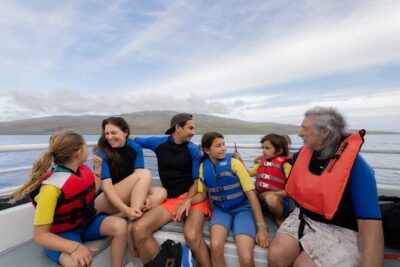 ★ 4.5Maui Snorkeling Adventure to Molokini and Turtle TownFrom $1592,221 reviews
 ★ 4.5Maui: Haleakala Sunrise Spectacular with Local BreakfastFrom $2542,155 reviews
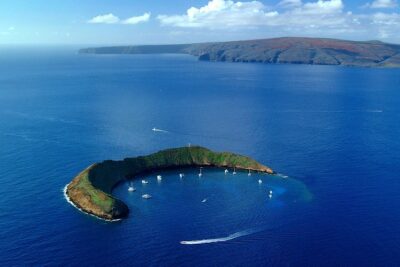 ★ 4.5Maui Snorkeling Adventure From Ma’alaea Harbor to MolokiniFrom $1851,997 reviews
 ★ 5.0Maui: Turtle Town Snorkel with Photo and VideoFrom $1291,916 reviews
 ★ 5.0Road to Hana Adventure Maui Tour with LunchFrom $2761,832 reviews
 ★ 4.57-Line Maui Zipline on the North ShoreFrom $1551,648 reviews
 ★ 4.5Maui Nui Luau at the Sheraton Maui Resort & SpaFrom $2181,622 reviews
This one is also listed in