
Review · MEMPHIS MUSIC AND CIVIL RIGHTS HISTORY
Memphis Mojo Bus Tour
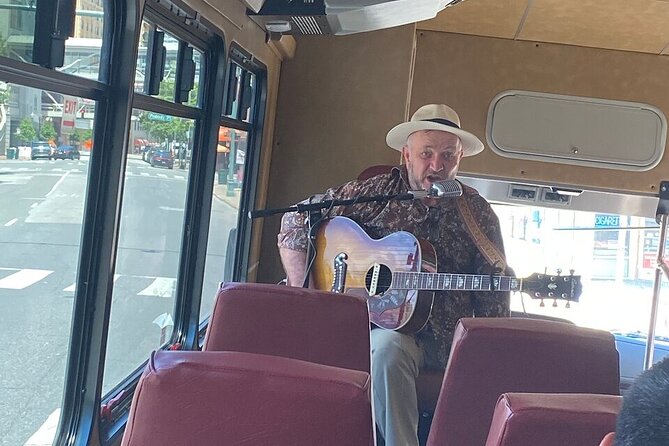
Memphis music comes to life on one bus. This is a musician-led ride through the places where blues, rock ‘n’ roll, and Southern soul took shape, with live songs, jokes, and story time as you pass the landmarks.
I love two things most: the guide keeps the narration moving with real musical performance, not just facts, and you get a fast, efficient sweep of the sights that matter, from Beale Street to key studio corners like Sun and Stax. I also like that the experience is built for an “on your feet” mindset, so even a short day in Memphis still feels like you landed the basics. A possible drawback is that some stops are quick from the bus, and optional admissions like Sun Studio or the Stax Museum cost extra unless you select them.
If you want a big, comfy history lecture, pick another plan. But if you want high-energy storytelling and songs rolling past the city, this tour makes a strong case for your time.
In This Review
- Key highlights to know before you go
- The big idea: a Memphis music tour built around performance
- Price and what you actually get for $43.90
- Meeting at Alfred’s on Beale: start point and easy arrival
- Beale Street stops: WC Handy, cotton and river power, and early legends
- Stop 1 on Beale Street: Alfred’s on Beale and the blues origin thread
- Rock ‘n’ roll origin vibes, including the optional studio admission
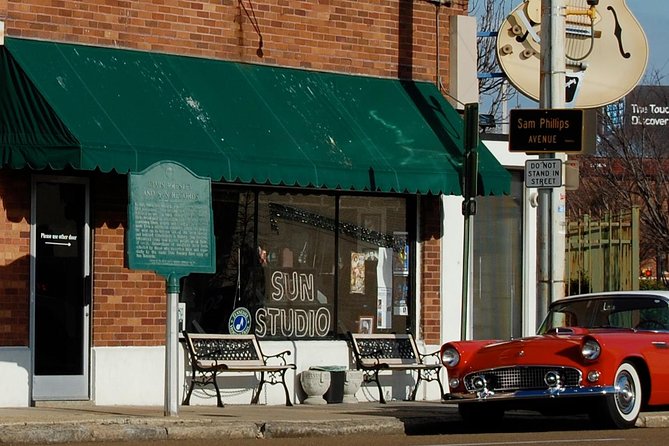
- The Sun era connection: Sam Phillips’ second recording studio
- Overton Park and downtown chapters: Stax soul, Elvis first concert, and civil rights moments
- Overton Park Shell: a short stop shaped by weather and access
- Overton Square and Lafayette’s: the Memphis hangout angle
- Stax Records and the Southern soul chapter
- 1968 Sanitation Strike and the MLK assassination story
- Optional admissions: when Sun Studio or Stax Museum are worth paying extra
- What to expect onboard: singing, comedy, and a fast rhythm
- A fair heads-up: what can disappoint, and how to plan around it
- Who this tour suits best (and who should choose something else)
- Should you book the Memphis Mojo Bus Tour?
- FAQ
- How long is the Memphis Mojo Bus Tour?
- Where does the tour start and end?
- Is the tour offered in English?
- Is live music included?
- Is Sun Studio admission included in the ticket price?
- Is Stax Museum admission included?
- What sightseeing stops are part of the tour?
- How big is the group?
- Is the tour weather dependent?
- What is the cancellation policy?
Key highlights to know before you go
- Live music on the bus: You’ll hear representative songs as the guide connects them to what you see outside.
- Beale Street kickoff at Alfred’s on Beale: The tour starts right in the thick of Memphis’ music world.
- Studio-sightseeing without the self-planning headache: You’ll hit multiple major landmarks in one go.
- Two main areas, one storyline arc: Beale Street first, then Overton Park and the Stax soul chapter.
- Short outdoor viewing depends on weather: Some time at Overton Park Shell can be limited.
The big idea: a Memphis music tour built around performance
The Memphis Mojo Bus Tour is made for people who want more than a map. You’re moving through the city on a dedicated bus, but the “show” is the guide, often a working musician who turns the ride into live storytelling with songs and stage-style energy.
The value comes from how much you cover per hour. At $43.90 per person for roughly 1.5 to 3 hours, you’re buying guided sightseeing plus entertainment that keeps your eyes up and your brain switched on. It’s especially useful when you only have one day and you still want to understand what made Memphis such a magnet for talent.
And yes, it is high energy. That’s a plus if you like your history with rhythm. It can feel like a lot if you’re hoping for calm, quiet sightseeing.
Price and what you actually get for $43.90
The headline price is $43.90, and the essentials included are a guided sightseeing tour and local taxes. You also get admission included only if you select the options: Sun Studio admission can be added, and the Stax Museum admission can be added.
Here’s the practical way to think about value. If you’re the type who likes context and wants to walk into at least one studio museum, selecting one or both options can make the ticket feel more complete. If you’re okay just seeing the exteriors and hearing the stories from the bus, you can keep it simple and stick to the base tour.
Timing matters too. Because the tour length is listed as about 1 hour 30 minutes to 3 hours, it gives you flexibility to fit into a day that also includes dining and one or two optional stops. But if your schedule is tight, give yourself a buffer. Quick stops happen, and you don’t control how fast the bus moves through traffic.
Additional Memphis Music and Civil Rights History on the review pile in Memphis

Meeting at Alfred’s on Beale: start point and easy arrival
You’ll meet at Alfred’s on Beale, 197 Beale St, Memphis, TN 38103, and the tour ends back at the same spot. That’s genuinely helpful, because you’re not stranded across town at the end of a musical whirlwind.
A few practical notes for the day-of experience:
- The group is capped at 36 travelers, so you’re not swallowed by a crowd.
- You’ll use a mobile ticket.
- The meeting area sits in a dense part of Beale Street, with several parking garages and open-air lots within a few blocks.
- Service animals are allowed, and the tour is offered in English.
If you’re planning to drive, pick a garage ahead of time. The area has multiple options close by, but it’s still a nightlife zone, so aim for a plan that doesn’t rely on perfect luck.
Beale Street stops: WC Handy, cotton and river power, and early legends
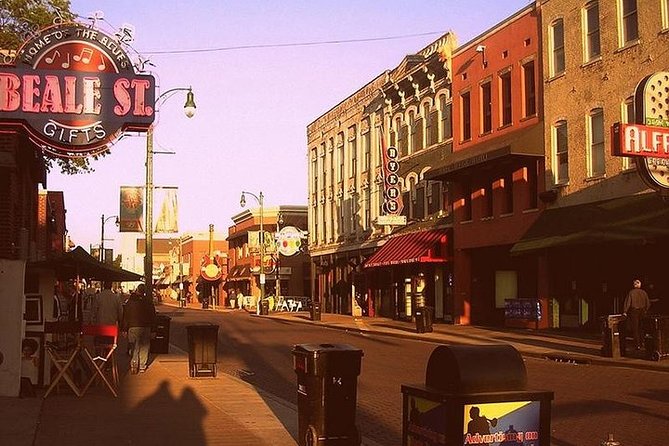
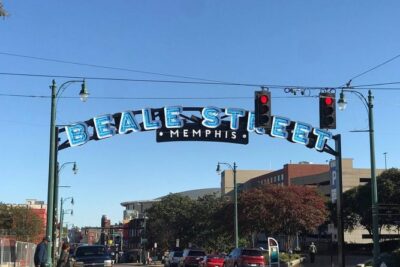
Beale Street is where this whole experience starts, and it’s the right place to begin. You get the vibe instantly, then the guide turns that atmosphere into specific stories about how musicians built careers in a city that helped define American popular music.
Stop 1 on Beale Street: Alfred’s on Beale and the blues origin thread
The tour begins and ends around Alfred’s on Beale, giving you a familiar anchor before and after. From there, the narration moves through several big Memphis building blocks, including:
- How W.C. Handy became known as the Father of the Blues
- The story of the South’s grand hotel, a nod to Memphis’ role as a hub where music, travelers, and business life overlapped
- The history of the Cotton Exchange and Cotton Row, which helps explain why the Mississippi River economy mattered to the city’s momentum
- The importance of the Mississippi River, tied to why Memphis became a crossroads for people and ideas
- The Presley family’s early home in Memphis, which connects the music scene to the families who lived here before superstardom
Even if you’re not obsessed with early infrastructure history, these points help the tour make sense. Memphis didn’t just produce talent. It produced opportunity, with money, migration, and networks flowing through the city.
Rock ‘n’ roll origin vibes, including the optional studio admission
This tour also includes a stop tied to the birthplace of rock ‘n’ roll, with optional admission. In plain terms, it’s the kind of location where you might want the extra ticket if you enjoy seeing how famous recordings were made.
One more practical point: a review suggestion I found especially useful is to know that the day can move quickly. If you’re bringing anything like a drink from Alfred’s, plan to keep it handy and follow staff cues so you’re not scrambling when you board.



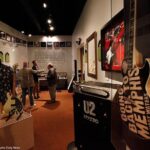

The Sun era connection: Sam Phillips’ second recording studio
The bus tour also covers Sam Phillips’ second recording studio, described as the successor to Sun Studio. That matters because Memphis studio legends are not just “a room.” They’re linked to how recording culture evolved, and Phillips’ role is central to the story.
I like that this part doesn’t just drop names. It gives you a sense of how recording space and momentum changed over time.
Overton Park and downtown chapters: Stax soul, Elvis first concert, and civil rights moments
After the Beale Street run, the tour shifts gears toward Overton Park. This is where the Memphis story expands beyond blues and rock ‘n’ roll into Southern soul and the civil rights era.
Overton Park Shell: a short stop shaped by weather and access
You’ll spend time at the Overton Park Shell, with a story about Elvis’ first concert. The time there is short and subject to availability and weather.
That “subject to” wording is important. If it’s cold, raining, or the venue area isn’t usable, the stop may be limited. I’d plan as if you’ll get a quick look, not a long photo walk.
Still, even a brief viewing works because the guide connects the physical place to a milestone moment. It’s one of those experiences where the story makes the spot feel more meaningful.
Overton Square and Lafayette’s: the Memphis hangout angle
Next comes the history of Overton Square and Lafayette’s. These are the kinds of names that matter if you want to understand how artists and fans moved through the city. Even if you don’t walk around long, hearing the context makes the area feel lived-in, not just scenic.
Stax Records and the Southern soul chapter
Then the tour leans into Stax Records, with stories about artists and groups tied to Southern soul, including Otis Redding and acts connected to the era. The point is to show you a different engine from the Sun-era storyline, one built around soul, rhythm, and a whole community of performers.
If you love the sound of Memphis soul, this part is often the “oh, that’s why” section. It helps you hear the music through the lens of place.
1968 Sanitation Strike and the MLK assassination story
The tour also includes the 1968 Sanitation Strike and the assassination of Rev. Dr. Martin Luther King Jr. This is serious material, and the guide’s job is to connect it to Memphis itself, not treat it like a sidebar.
One of the more striking details I saw tied to this tour is the story about Martin Luther King Jr.’s last words to a musician friend, asking for Take My Hand, Precious Lord. It’s a reminder that music, faith, and civic life were intertwined, not separated into different worlds.
Also, as the bus goes through the downtown corridors, you may pass or reference other famous sites such as the Lorraine Motel and the civil rights area around it. That’s part of what makes this route feel like a guided “story drive” instead of random sightseeing.
Optional admissions: when Sun Studio or Stax Museum are worth paying extra
Both Sun Studio and the Stax Museum can be added to your experience, and admission to each is only included if you select the option ahead of time. If you skip those add-ons, you’ll still hear the songs and stories, but you won’t get the museum entry time.
Here’s when I think the add-ons are worth it:
- If you like seeing how recording studios and museum exhibits translate into the sound you hear on records.
- If you want a slower pace inside at least one site, not just a bus-window overview.
- If you’re a fan of rock ‘n’ roll roots and want the Sun connection in a more hands-on way.
- If you’re a fan of soul and want Stax context beyond the exterior landmarks.
If your budget is tight or you’re short on time, you can still get a lot from the base bus tour. The key is to decide what you want most: more museum time or more “cover the city in one day” value.
What to expect onboard: singing, comedy, and a fast rhythm
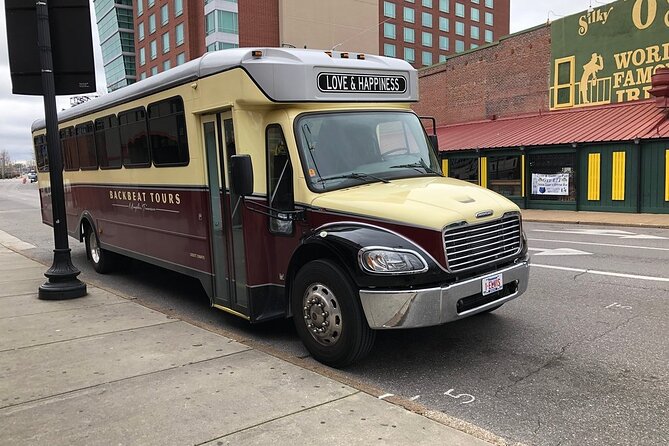
The Mojo Bus Tour is not quiet, and it’s not passive. Your guide typically uses a mix of history, storytelling, and live performance. Names I noticed linked with recent departures include Cecil, Taylor, Andrew, and Tyler, and I also saw references to the driver as part of the fun, with people calling out Sean and Princess.
What that means for you: you’re likely to get a showy guide who adds humor and interaction, not just a calm, single-tone explanation. In multiple write-ups, that performance element is credited with making the tour feel memorable and easy to follow.
Also, the guide often uses music to make comparisons between artists tied to the Memphis sound. One example mentioned alongside the tour style included representative songs connected to Elvis, B.B. King, Jerry Lee Lewis, and Carl Perkins. Even if you don’t know every name, that music approach helps you connect the dots fast.
A fair heads-up: what can disappoint, and how to plan around it
No tour is perfect, and there are a few considerations worth taking seriously.
First, this is mainly a sightseeing ride. If you’re expecting lots of walking, this may feel light on foot time. Some stops are brief, and the schedule can move quickly.
Second, the tone can tilt. One complaint I saw was that the narration can lean heavily toward Elvis. If you’re looking for a perfectly balanced, equal-time survey of every artist, know that the story often uses Elvis as a major thread. You’ll still get blues and Southern soul context, but the weight may not be evenly distributed.
Third, bathroom planning deserves thought. One suggestion tied to the tour mentioned that a restroom stop at a park did not happen as expected. I’d treat restroom breaks as limited and plan to use facilities near Alfred’s before you go, and once you return to the meeting point at the end.
And finally, this tour is focused on major Memphis music landmarks, not a trip out to Graceland. If Graceland is your top goal, you’ll want a separate plan.
Who this tour suits best (and who should choose something else)
This tour is a strong fit if:
- You want an entertaining first look at Memphis’ music story in a short window
- You like guides who perform live, sing, and connect the city to sound
- You’d rather do one organized route than piece together several studio visits alone
- You’re traveling with people who enjoy a lively atmosphere and don’t want a lecture vibe
It’s less ideal if:
- You want quiet, reflective pacing with lots of time at each landmark
- You prefer museum exhibits and deep reading over bus-window storytelling
- You’re specifically planning your day around Graceland and need that included
Should you book the Memphis Mojo Bus Tour?
If you’re spending limited time in Memphis and you want your money to buy both sightseeing and entertainment, I think this is a smart booking. The biggest reason is simple: the live musical performance turns the tour into something you remember, not just something you “did.”
Book it if you like a guide who tells stories with songs, and if you’re open to hearing about Memphis through blues roots, rock ‘n’ roll origins, and the Stax soul era. If you’re the type who loves one specific lane, like pure rock ‘n’ roll or pure soul, consider adding the matching museum option so your interest gets extra time.
Skip the Mojo Bus Tour only if you want a slow, museum-first day or you’re hunting for a Graceland-focused plan. For everyone else, it’s a fun way to get your bearings fast and understand why Memphis made so much noise for so long.
FAQ
How long is the Memphis Mojo Bus Tour?
The tour is listed at about 1 hour 30 minutes to 3 hours, approximate.
Where does the tour start and end?
It starts at Alfred’s On Beale, 197 Beale St, Memphis, TN 38103, and it ends back at the same meeting point.
Is the tour offered in English?
Yes, the tour is offered in English.
Is live music included?
The experience is described as featuring live music led by professional Beale Street musicians.
Is Sun Studio admission included in the ticket price?
Sun Studio admission is included only if you select that option. Otherwise, it is not included.
Is Stax Museum admission included?
Stax Museum admission is included only if you select that option. Otherwise, it is not included.
What sightseeing stops are part of the tour?
The tour includes stops connected to Beale Street, Overton Park, Sun and rock ‘n’ roll origins, Stax Records and Southern soul, and the Lorraine Motel area, plus other nearby historic sites passed along the route.
How big is the group?
The maximum group size is 36 travelers.
Is the tour weather dependent?
Yes. It requires good weather, and if it is canceled due to poor weather, you’ll be offered a different date or a full refund.
What is the cancellation policy?
You can cancel for a full refund up to 24 hours in advance. If you cancel less than 24 hours before the start time, the amount paid is not refunded.
More logged under Memphis Music and Civil Rights History in Memphis
- Memphis City Tour with Optional Riverboat Cruise & Sun Studio Add-On Options★ 4.5 · 1,804 reviews
- Taste of Downtown Memphis Food Tour★ 5.0 · 909 reviews
- Haunted Memphis Walking Ghost Tour★ 4.5 · 764 reviews
- Memphis Discovery Tour★ 5.0 · 721 reviews
- Memphis City Tour with Sun Studio Admission★ 5.0 · 691 reviews
Tours: the rest of the Memphis file
- Memphis City Tour with Optional Riverboat Cruise & Sun Studio Add-On Options★ 4.5 · 1,804 reviews
- Taste of Downtown Memphis Food Tour★ 5.0 · 909 reviews
- Haunted Memphis Walking Ghost Tour★ 4.5 · 764 reviews
- Memphis Discovery Tour★ 5.0 · 721 reviews
- Memphis City Tour with Sun Studio Admission★ 5.0 · 691 reviews
Tour Reviews: more from our Memphis desk
- Memphis City Tour with Optional Riverboat Cruise & Sun Studio Add-On Options★ 4.5 · 1,804 reviews
- Taste of Downtown Memphis Food Tour★ 5.0 · 909 reviews
- Haunted Memphis Walking Ghost Tour★ 4.5 · 764 reviews
- Memphis Discovery Tour★ 5.0 · 721 reviews
- Memphis City Tour with Sun Studio Admission★ 5.0 · 691 reviews
Newest Memphis reviews added to this site
- Memphis: City Tour with Optional Sun Studios & Riverboat
★ 4.5 · 346 reviews - Memphis Discovery Tour with Riverboat Cruise on Mississippi River
★ 4.5 · 365 reviews - Historic Memphis Guided Walking Tour: Memphis Beyond Beale
★ 5.0 · 394 reviews - Guided Memphis City Tour that includes Riverboat Cruise
★ 4.5 · 575 reviews - Memphis City Tour with Sun Studio Admission
★ 5.0 · 691 reviews - Memphis Discovery Tour
★ 5.0 · 721 reviews - Haunted Memphis Walking Ghost Tour
★ 4.5 · 764 reviews - Taste of Downtown Memphis Food Tour
★ 5.0 · 909 reviews - Memphis Mojo Bus Tour
★ 5.0 · 1,476 reviews - Memphis City Tour with Optional Riverboat Cruise & Sun Studio Add-On Options
★ 4.5 · 1,804 reviews
Memphis Music and Civil Rights History
 ★ 4.5Memphis City Tour with Optional Riverboat Cruise & Sun Studio Add-On OptionsFrom $451,804 reviews
 ★ 5.0Atlanta’s Black History and Civil Rights TourFrom $741,330 reviews
 ★ 5.0Taste of Downtown Memphis Food TourFrom $85909 reviews
 ★ 5.0Birmingham Civil Rights Tour- Riding & Walking804 reviews
 ★ 4.5Haunted Memphis Walking Ghost TourFrom $29764 reviews
 ★ 5.0Memphis Discovery TourFrom $49721 reviews
 ★ 5.0Memphis City Tour with Sun Studio AdmissionFrom $92691 reviews
 ★ 4.5Guided Memphis City Tour that includes Riverboat CruiseFrom $95575 reviews
This one is also listed in