
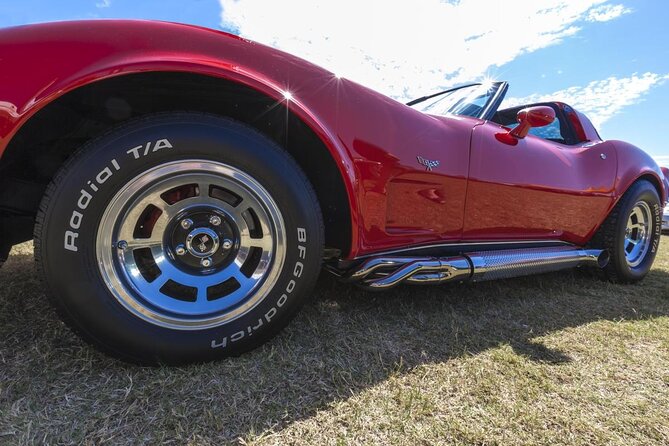
Review · MUSEUMS
National Corvette Museum
A Corvette story hits different in Bowling Green. The National Corvette Museum turns one car brand into a full-on timeline, with 80+ Corvettes, changing displays, and hands-on moments that keep the visit moving. I particularly love the way the exhibits are staged like real places, from a mid-century barbershop to a service station and dealership, so you do not just read plaques, you walk through eras.
Two things I also like a lot: the museum includes a short film to set context, then you can keep your momentum with interactive trivia kiosks and kid-friendly hands-on areas. One possible drawback to plan for, though, is that some exhibits can be under renovation, so certain sections can be temporarily closed.
In This Review
- Key Highlights Worth Planning Around
- A classic car museum that tells a real American story
- Your walk-through plan: film, time-period sets, and 80+ Corvettes
- The Corvette Cave In exhibit, and the comeback behind it
- Interactive kiosks, KidZone, and the simulator-style fun
- Guided tour add-ons and hearing stories from Greg or Roger
- Plan your visit: how to use the 1-2 hour window
- Stingray Grill and the Corvette Store, small wins after the museum
- Price and value of $25 admission in Bowling Green
- Who this museum fits best (and who might want another plan)
- Should you book the National Corvette Museum visit?
- FAQ
- What is included in the National Corvette Museum ticket?
- How long should I plan to spend at the museum?
- Where is the National Corvette Museum located?
- What are the museum opening hours?
- Can I go any time during business hours?
- Is food included with admission?
- Is there free cancellation, and how far in advance do I need to cancel?
Key Highlights Worth Planning Around
- 80+ Corvettes in rotating, period-style displays that help you compare eras fast
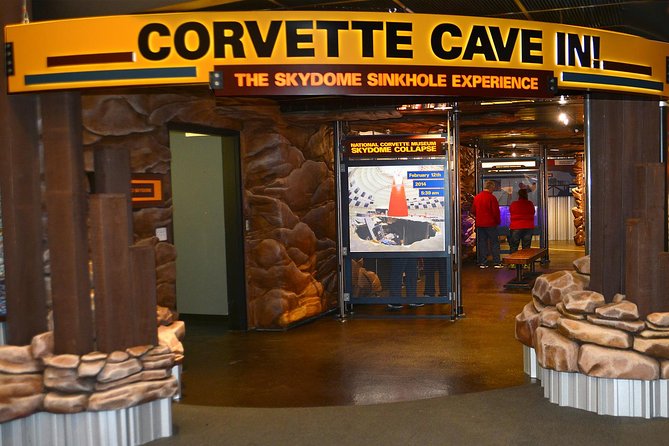
- Corvette Cave In exhibit, centered on the Feb 12, 2014 Skydome incident and the cars’ rescue and repair
- KidZone and interactive trivia kiosks, so adults and kids both have something to do
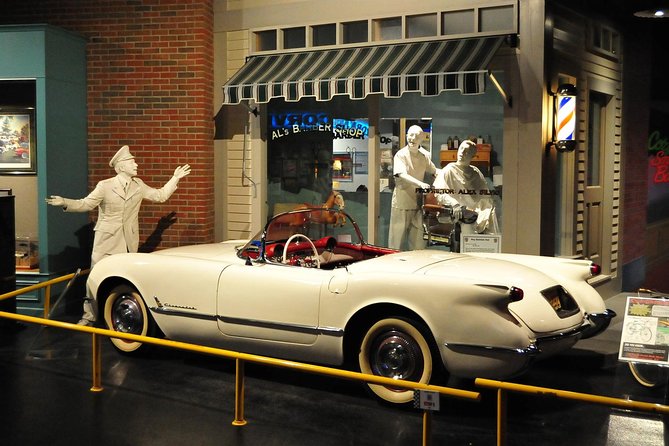
- Period sets like a mid-century barbershop, service station, and dealership to make history feel real
- Optional add-ons like a DVD and souvenir photos you can purchase on site
- A Corvette-themed restaurant and store for an easy end to your visit
A classic car museum that tells a real American story
The National Corvette Museum is built for people who love design, engineering, and the culture around one iconic sports car. If you care about how America’s “everyday cool” turned into high-performance legend, this museum gives you a clear through-line without turning into a dry lecture. Even if your Corvette knowledge is casual, the museum format helps you catch up quickly.
I like the pacing here. You start with a short film that frames what you are about to see. Then the galleries pull you forward with staged scenes, prototypes, racing history, and modern-day design, so you are not stuck in a single “era bubble” for too long.
It also feels very approachable for a place with serious car credibility. There are exhibits that reward careful looking, but there are also practical, low-effort ways to engage, like trivia kiosks and hands-on areas. That balance is a big part of why it works for mixed groups: older car fans, younger families, and anyone who just wants something fun and different for a few hours.
Your walk-through plan: film, time-period sets, and 80+ Corvettes
Think of your visit as a guided flow, even if you go at your own pace. You begin with that short introductory film about the Corvette and the museum, which is useful because it gives you the “why” before the “what.” From there, you walk through exhibits featuring over 70 Corvettes in periodic settings.
Those periodic settings are one of the best parts. Instead of lining up cars in a uniform row, the museum places them into themed environments, including a mid-century barbershop, service station, and dealership. For me, that setup matters because it makes the vehicles feel connected to lifestyle, not just specs.
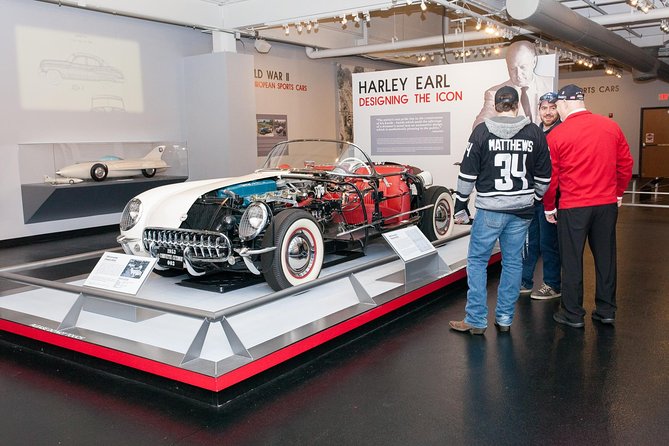
You will also see prototypes, one-of-a-kind cars, and racing champions. That mix is smart. It tells you the Corvette story is not only about final production models, it is also about experimentation, risk-taking, and turning racing and technology into something street-ready.
If you enjoy the details, watch for the subtle context in the displays. Some cars are described as on loan to the museum, while others are donated. That little piece of information helps you understand why the collection feels so broad, and why the museum keeps evolving.
The Corvette Cave In exhibit, and the comeback behind it
The most emotionally gripping stop is the Corvette Cave In exhibit. The museum takes you back to the early morning hours of Feb 12, 2014, when the earth opened up inside the Museum’s Skydome and swallowed classic Corvettes. That story is hard to forget because it is both dramatic and real, not just another showroom exhibit.
What makes this section stand out, beyond the incident itself, is how the museum uses it to explain the recovery process and the long effort behind restoration. You are not just looking at a “tragic moment.” You are seeing the outcome of repair, rebuilding, and preservation.
This is also the kind of exhibit that tends to pull in people who are not even hardcore Corvette fans. In the reviews, the sinkhole story is frequently called the most memorable part, and it makes sense. The museum turns a disaster into a lesson about resilience, craftsmanship, and why the Corvette community cares so much about saving what can be saved.
Practical tip: since some displays can be affected by renovations, do not assume every section will be open every day. If the Cave In exhibit is your top priority, I would treat it as a “go early, not last” stop. That way, if anything is closed, you still get enough of the museum to make the trip worthwhile.
Interactive kiosks, KidZone, and the simulator-style fun
This museum does not rely only on visuals and reading. It adds interactive elements that make the visit feel more like an experience than a walkthrough.
KidZone is a big part of that family-friendly appeal. If you are traveling with children, you will appreciate that the museum gives them a place to do hands-on activities instead of just waiting while adults stare at body lines. It helps everyone stay engaged without you needing to entertain kids with constant explanations.
You will also find interactive trivia kiosks. These are great because they work whether you are in the mood to chat or you just want something quick and fun while you move down the hall. They also help you remember details you might otherwise gloss over, especially the little bits about different generations and design changes.
One more engaging element is a simulator-style moment mentioned by visitors. I cannot promise what it will feature on any given day, but if your trip includes it, it is a nice break from standing and reading. It also fits the museum’s overall approach: make Corvette history feel active, not passive.
If you like taking breaks, plan a short pause around the interactive areas. Sitting for a few minutes before you continue helps you keep your energy for the more detailed displays later.
Guided tour add-ons and hearing stories from Greg or Roger
You might see guided tours offered, and if you can, it can seriously upgrade the visit. The guided experience is often praised for making the Corvette story feel personal, not just chronological. In reviews, guides like Greg and Roger are highlighted for sharing the history and the behind-the-scenes stories of what happened to the cars over time.
That kind of commentary matters. Corvette museums can get technical, but great guides translate that into human stories: why certain design choices happened, what racing or production pressures shaped the brand, and how the collection came to be. One visitor noted how the guide discussed which cars are on loan versus donated, which is the sort of context that gives you a more complete picture of the museum itself.
Another helpful detail from visitor accounts is the presence of an assembly-line style video as part of the experience. Whether you watch it as part of your initial orientation or catch it while you are moving through the displays, it adds a different angle to the cars. You get both the final look and the manufacturing story that got you there.
If your group has mixed interests, a guided option can help keep everyone on the same page. The museum already has strong self-guided flow, but guided storytelling gives you the connective tissue.
Plan your visit: how to use the 1-2 hour window
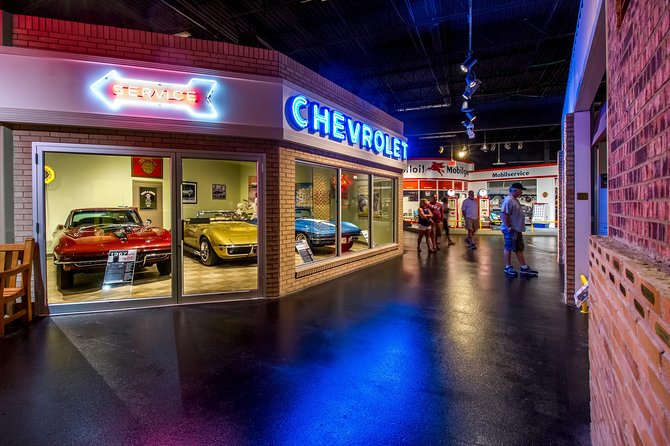
Most visits fall around 1 to 2 hours, and that is a realistic time window if you focus on the major galleries and interactive stops. If you move quickly, you might cover most of the main displays. If you slow down for reading, photos, and hands-on areas, 2 hours can disappear faster than you think.
Because admission is valid any time during normal business hours, you have flexibility. I like planning this like a “choose your energy” stop. If you are arriving early in Bowling Green, do a first pass on the main floors, then come back to your favorite eras or areas for a second look.
Timing also helps with the Cave In exhibit. Since it draws a lot of attention, go early so you can spend time there without feeling rushed. And if renovations are happening on your day, starting with your top priority reduces the risk of finishing with disappointment.
Dress for comfortable walking. Even though this is not a huge multi-day attraction, you will likely be on your feet. Shoes you can stand in for a while make it easier to enjoy the displays instead of counting minutes.
Food and shopping can take time too. If you want Stingray Grill and the Corvette Store, build in enough room at the end that you are not sprinting between meals and checkouts. The museum experience is best when you do not treat it like a checklist.
Stingray Grill and the Corvette Store, small wins after the museum
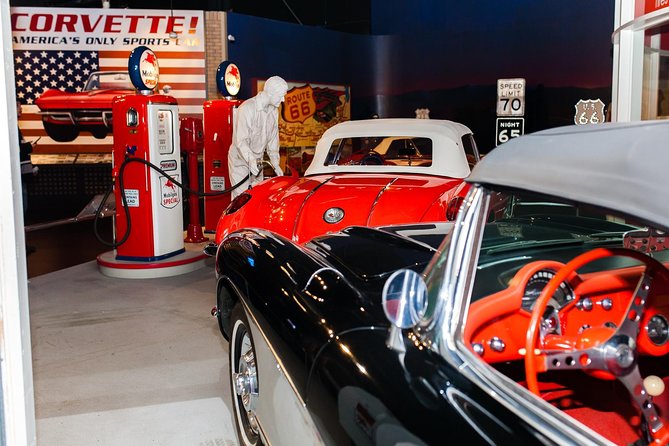
One of the easiest advantages of this museum is that you do not need to plan a separate activity to make your day feel complete. There is a Corvette Store for souvenirs, and a Corvette-themed Stingray Grill where you can grab a bite.
The store is a natural stop right after you have seen the cars, because you will actually know what you are buying. It is one thing to buy a Corvette shirt. It is another when you have just spent an hour learning the differences between generations and seeing prototypes and racing champs.
For food, Stingray Grill can be a practical add-on if you are hungry near the end of your visit. Even if you do not turn it into a full meal, a quick lunch or snack makes the trip feel like a complete outing rather than a tight squeeze.
From what I have seen in feedback, the staff experience can be a highlight too, with visitors praising the restaurant servers and the overall helpful vibe inside the museum. That matters when you are traveling with family or trying to keep a smooth schedule.
If you want to maximize value, you can treat food and souvenirs as your “flex time.” If the museum is faster than expected, enjoy more time at the Grill and store. If the museum is slower, at least you are not racing across town for dinner.
Price and value of $25 admission in Bowling Green
The admission price listed here is $25.00 per person, with visits typically lasting 1 to 2 hours. That is not a bargain price, but it can be strong value for a museum experience, especially if you care about cars and you like interactive elements.
Where the value comes from is the mix. You are paying for access to a large collection of Corvettes, staged displays that cover multiple eras, a major dramatic exhibit centered on real events, and hands-on areas like KidZone plus trivia kiosks. You also get a built-in orientation via the short film. That is a lot packed into a relatively short time.
It is also good value if you want a stop that works on your schedule. Admission is good any time during normal business hours, which makes it easier to fit into a road trip or add on between other plans.
What is not included matters too. Food and drinks are not included, and the GM Corvette Assembly Plant is not included. If factory tours are part of what you wanted, you will need to plan that separately. Also, a DVD and souvenir photos are available to purchase, but they are not part of the base admission.
My advice on value: if you are a casual car fan, plan for one focused visit. If you are a serious Corvette person, plan to slow down. The museum is designed for people who enjoy detail, and the right pace turns a “quick look” into a real experience.
Who this museum fits best (and who might want another plan)
This is an excellent match for anyone who thinks in car generations. If you want to see how design and engineering evolved across decades, the periodic settings and mix of prototypes, one-of-a-kind cars, and racing champs help you make sense of the timeline quickly.
It is also a smart choice for families. KidZone and the interactive kiosks keep kids and adults from competing for attention. You can spend time learning without turning the trip into a long sit-and-read exercise.
Car lovers who enjoy stories will get extra value from the Cave In exhibit. It is the kind of display that connects emotion with restoration and community pride. And if you can catch a guided add-on, guides like Greg or Roger are mentioned as passionate storytellers who help the history land.
Who might not love it as much? If you only want a fast, minimal stop and you are not interested in museums, you could find the experience more time-based than you like. Also, if you are planning your trip for a specific exhibit that might be affected by renovations, have a Plan B mindset.
Should you book the National Corvette Museum visit?
If you are in or near Bowling Green, I would book. This is one of those museums that works even when you have only a couple of hours, and it pays you back fast with variety: cars, period sets, interactive areas, and the memorable Cave In story.
Before you go, decide what matters most to you. If you care about the dramatic restoration story, make that your first stop. If you are traveling with kids, plan your time around KidZone and trivia kiosks so everyone stays engaged. And if you are budgeting, remember that the $25 admission does not include food, so plan for Stingray Grill or bring snack money.
Do it right and this becomes more than a car collection. It turns Corvette history into something you can actually feel and remember.
FAQ
What is included in the National Corvette Museum ticket?
Your ticket includes admission to the National Corvette Museum.
How long should I plan to spend at the museum?
Plan for about 1 to 2 hours.
Where is the National Corvette Museum located?
The museum is in Bowling Green, USA.
What are the museum opening hours?
From March 1 to October 31, it is open 9:00 AM to 4:30 PM. From November 1 to February 28 (or February 29 in leap years), it is open 10:00 AM to 4:30 PM. Hours are seasonal.
Can I go any time during business hours?
Yes, admission is good any time during normal business hours.
Is food included with admission?
No. Food and drinks are not included.
Is there free cancellation, and how far in advance do I need to cancel?
Yes, you can cancel for a full refund up to 24 hours in advance.
Museums, side by side.
 ★ 4.7NYC: Empire State Building Tickets – Observatory & MuseumFrom $4725,757 reviews
 ★ 4.5New York City: American Museum of Natural History TicketFrom $3715,447 reviews
 ★ 4.6NYC: Museum of Modern Art (MoMA) Entry TicketFrom $3012,540 reviews
 ★ 4.7NYC: Intrepid Museum Entry TicketFrom $384,687 reviews
 ★ 4.9San Diego: USS Midway Museum Entry TicketFrom $413,896 reviews
 ★ 4.3NYC: Museum of Ice Cream Entry TicketFrom $402,619 reviews
 ★ 4.5Boston Tea Party Ships and Museum AdmissionFrom $352,512 reviews
 ★ 5.0JFK Assassination and Museum Tour with Lee Harvey Oswald Rooming HouseFrom $792,480 reviews
This one is also listed in