
Review · HISTORICAL TOURS
New York City: American Museum of Natural History Ticket
Dinosaurs and space in the same building is hard to beat. I love the sheer scale of the 40+ exhibition halls and the way the museum mixes big-name fossils with hands-on, family-friendly science. I also really like the new Richard Gilder Center for Science, Education, and Innovation, which makes the whole day feel modern, not dusty. The one downside to plan around is that general admission does not automatically include the blockbuster ticketed shows, so you may feel rushed if you try to see everything at once.
This ticket gets you all-day entry and access to a huge chunk of the museum’s permanent collections, plus the Rose Center for Earth and Space and the Gilder Center. That is great value if you want flexibility, especially on a cold or rainy day. Just know the museum is big enough that a “quick visit” is basically a myth.
In This Review
- Key highlights at a glance
- Why This NYC Museum Ticket Feels Like a Full-Day Plan
- Entry, Timing, and Getting Through the Maze
- The Permanent Exhibitions: Your Best Use of the Ticket
- Dinosaurs and the fossil collection that anchors the day
- Diamonds, nature specimens, and the “everything in between” effect
- The Rose Center for Earth and Space: A Way to Change Gears
- Richard Gilder Center: Modern Science in a Big Museum
- Optional Ticketed Exhibitions: Where You Decide How Big Your Day Gets
- Impact: The End of the Age of Dinosaurs
- Invisible Worlds in the 360-degree theater
- Encounters in the Milky Way narrated by Pedro Pascal
- Life at the Limits: Nature’s Superheroes
- Davis Family Butterfly Vivarium
- Giant-Screen Film at LeFrak Theater
- Hayden Planetarium and Giant-Screen Films: Know What’s Included vs Ticketed
- How Long Should You Plan For, and How to Pace It
- Facilities, WiFi, and Practical Comfort Tips
- Who This Ticket Is Best For
- Should You Book This American Museum of Natural History Ticket?
Key highlights at a glance
- All-day entry across 40+ museum halls and the Rose Center
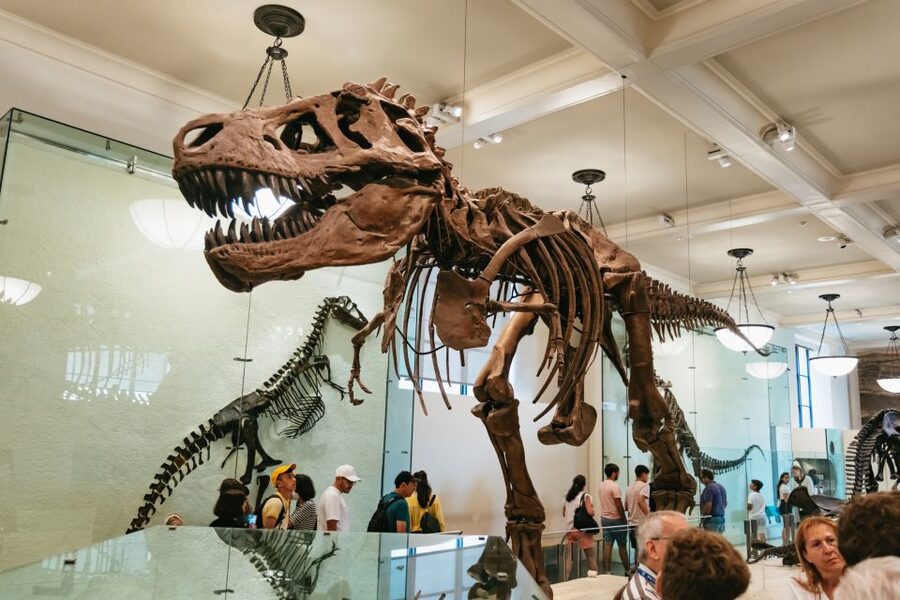
- T. rex skeleton and iconic artifacts that tie into Night at the Museum
- World-class dinosaur fossil collection that rewards slow looking
- Richard Gilder Center with planetarium and major science galleries
- Optional timed access to special exhibitions based on the ticket type
- Free Explorer App on museum WiFi for navigation and extra context
Why This NYC Museum Ticket Feels Like a Full-Day Plan
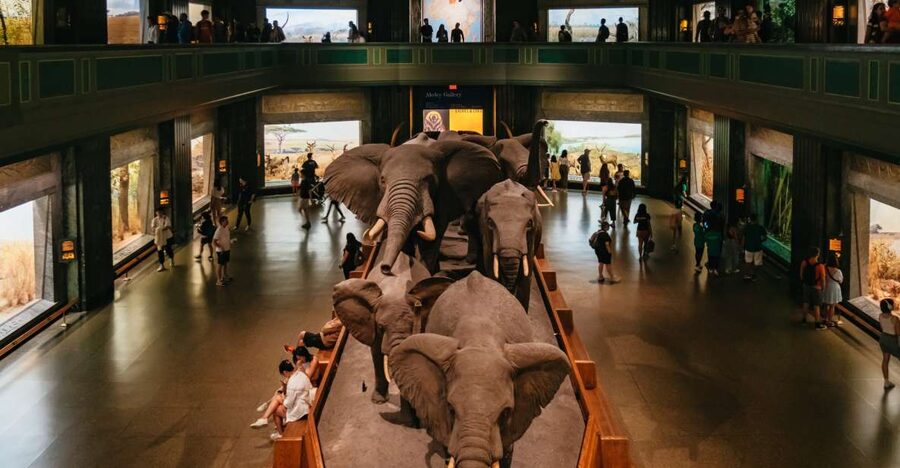
The American Museum of Natural History is not a “hit one room and go” kind of place. It is a whole day of museum-going, and that is the magic. With this ticket, you get all-day entry and permission to roam through the permanent exhibitions and major sections like the Rose Center and the Richard Gilder Center.
The location also helps. It sits just across from Central Park, so if your NYC day has you near midtown, this becomes a natural anchor. Even if you are not a hardcore science person, the museum is built to keep families moving. There are plenty of eye-catching big objects, and plenty of places where you can stop and actually learn.
One practical note: this is a self-guided experience. There is no guide included. You will get the most out of the ticket if you use the museum tools, like the free Explorer app and your own plan for where to start.
Entry, Timing, and Getting Through the Maze
Your ticket includes admission, but the museum still uses timed entry for the optional ticketed exhibitions you add. If you choose an option that includes special exhibitions, you will have a scheduled entry for those specific shows.
For the main museum time, you can just show up within your booked entry window and go from there. The key to enjoying it is to treat it like a route, not a list.
Here is a tip based on what tends to work in real life: if you are trying to see a lot, start around the middle floors and work your way down. One visitor strategy that makes sense for a big museum like this is starting at the 4th floor and then moving downward through your day. That keeps you from backtracking like you are stuck in a science lab.
Also, have a plan for bags. Oversize luggage is not allowed, and large bags are not the move either. Lockers are available on-site for an additional charge, so if you are arriving with backpacks, coats, or extra items, plan to store them rather than drag them into every gallery.
And yes, it helps to download the museum’s Explorer app while you have WiFi. The museum provides onsite WiFi, and the app includes turn-by-turn navigation, behind-the-scenes stories about exhibits, quizzes, and more. It is available in English, Spanish, French, and Portuguese, so it is useful even if your group has mixed languages.
What else we logged under City Tours in New York City


The Permanent Exhibitions: Your Best Use of the Ticket
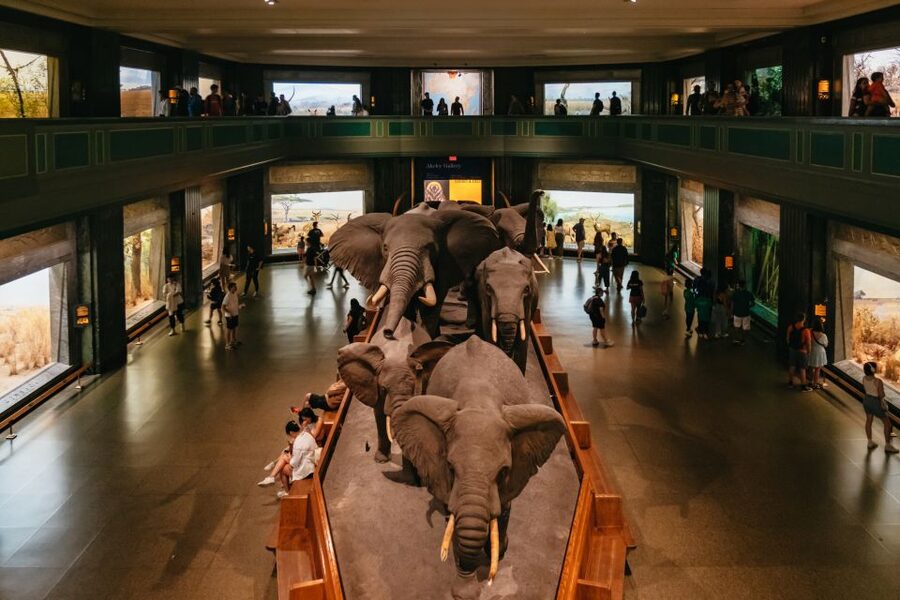
This is where the real value lands. The ticket covers permanent exhibits across over 40 halls plus the Rose Center and access to the Gilder Center. That means you are not paying just for one star room. You are buying time in a whole museum world.
Dinosaurs and the fossil collection that anchors the day
The museum’s dinosaur collection is the headline for many people, and for good reason. If you only have one day, you can still spend real time here without feeling like you missed the main act. Look for the iconic Tyrannosaurus Rex skeleton. It is one of those objects that changes how you walk through everything else, because suddenly the museum feels alive, not like static displays.
What I like about the dinosaur exhibits is how they act like a gateway. Dinosaurs are a hook. Once you are standing in front of fossils, it is easier to notice the surrounding details, like how the museum explains time, evolution, and how scientists interpret evidence.
Diamonds, nature specimens, and the “everything in between” effect
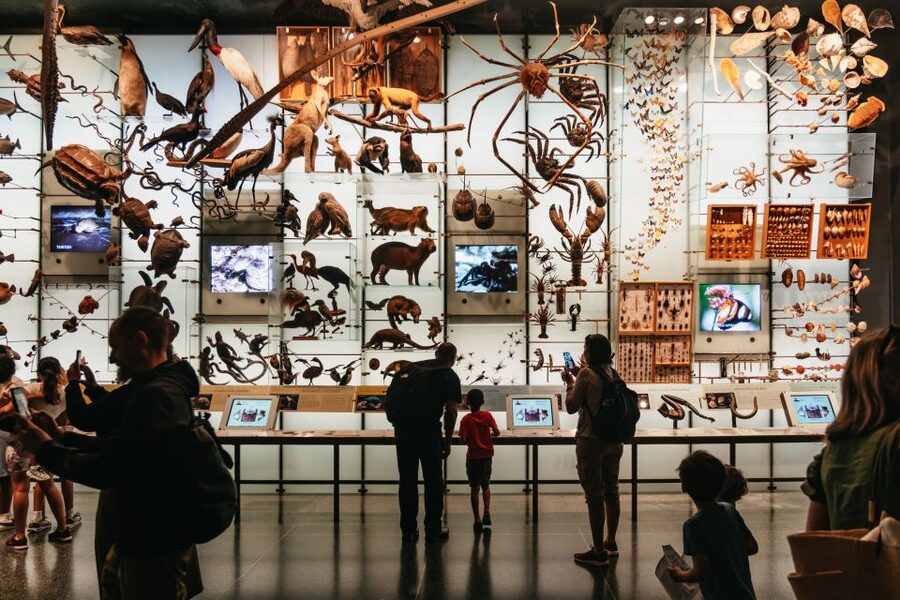
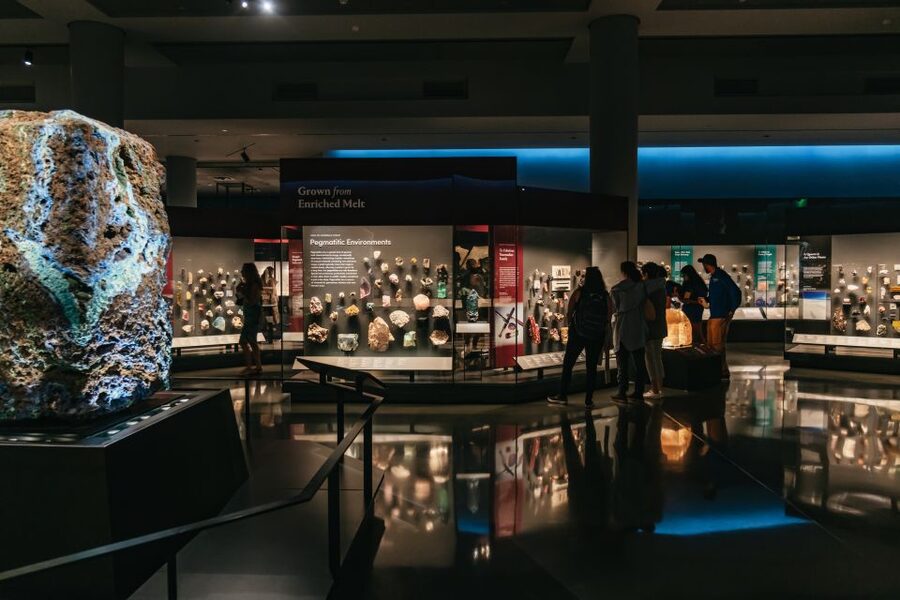
The halls cover more than dinosaurs. You will find topics like diamonds and cultures from around the globe, plus lots of ways to connect science to everyday life. Even if you are not deep into natural history, the displays help you make comparisons: what humans value, what nature produces, and how the same planet can look wildly different depending on where you stand.
This broad range is also why the museum works for mixed-age groups. Kids often latch onto the biggest creatures and dramatic visuals. Adults tend to wander longer, reading labels and comparing collections. Everyone stays engaged if you keep moving at a smart pace.
The Rose Center for Earth and Space: A Way to Change Gears
The Rose Center for Earth and Space is included with your general admission. So you can shift from fossils and wildlife into planets and Earth systems without paying extra for that transition.
This matters because a full-day ticket has to break up momentum. The museum does that for you. The science theme stays consistent, but the subject matter changes. That reduces fatigue, especially for families who need variety to keep energy up.
If you want a strategy for the day, think of it like this: start where your group is most curious, then use included major sections like the Rose Center to reset. You will go longer without feeling like you are forcing it.
More from our Tickets coverage in New York City






Richard Gilder Center: Modern Science in a Big Museum

The Richard Gilder Center for Science, Education, and Innovation is one of the biggest reasons this ticket feels current. Included in your admission, it is designed for all ages, and it brings a more hands-on, state-of-the-art vibe to the museum.
Inside, you can explore key features like:
- a planetarium experience
- the Hall of Biodiversity, which helps you look at how life changes over time
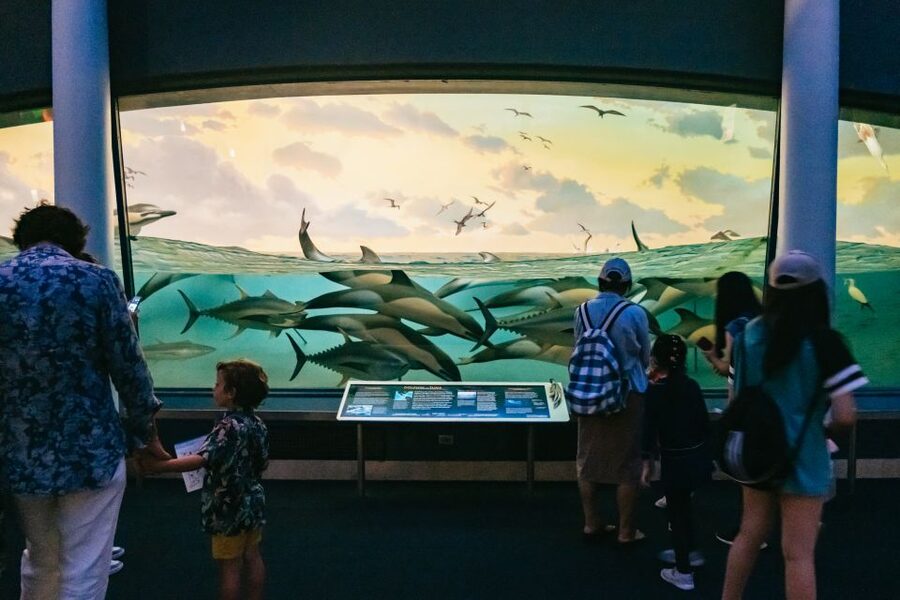
- the Milstein Hall of Ocean Life, where you can come face-to-face with major creatures
Even if you think you are not an “ocean person,” the Milstein Hall can surprise you. Big animals have a way of stopping people mid-sentence. Once that happens, the facts stick better. That is part of why this section feels like more than just another gallery stop.
It also connects nicely to the museum’s pop-culture footprint. The Tyrannosaurus Rex skeleton and an Easter Island head that inspired Night at the Museum are worth catching too, especially if you want your day to feel like a real storyline, not just a walking tour of rooms.
Optional Ticketed Exhibitions: Where You Decide How Big Your Day Gets
General admission gives you the permanent collections, but it does not automatically include the special ticketed exhibitions. If you want the extra shows, you choose the option that includes timed entry to one or to all ticketed exhibitions.
If you only add one or two, you will likely enjoy them more. Big museums can eat your attention span fast. The ticketed exhibitions are usually where you get higher production values and stronger “wow” moments, so picking just the ones you care about makes sense.
Here are the special exhibition options you might see, depending on what you selected:
Impact: The End of the Age of Dinosaurs
This show explains what happened around 66 million years ago and connects the asteroid collision to the explosion of life afterward. It is a strong pick if you want the dinosaur story to have a clear turning point. You leave with a better sense of cause and effect, not just a list of prehistoric animals.
Invisible Worlds in the 360-degree theater
This one focuses on nature’s hidden realms, from ocean depths to DNA strands in living organisms. It is a good choice if you like science ideas that sound futuristic but are still grounded in reality. The 360-degree format helps make small, invisible things feel tangible.
Encounters in the Milky Way narrated by Pedro Pascal
A space-focused experience about cosmic movements that shape the galactic neighborhood. If you want a narrator and a time-travel vibe for your one-day schedule, this is the option to consider. It is also a smart way to keep space momentum after the Rose Center.
Life at the Limits: Nature’s Superheroes
This show looks at how organisms survive under extreme conditions. It is perfect if your group likes survival stories, and it gives you another way to connect the museum’s collections to real-world questions about adaptation.
Davis Family Butterfly Vivarium
This year-round exhibit lets you experience up to 1,000 free-flying butterflies. If you have young kids, or anyone who loves close-up nature moments, this is a tough one to skip. Just remember butterflies move, so you are chasing moments rather than standing in a fixed viewpoint.
Giant-Screen Film at LeFrak Theater
The LeFrak Theater has a large screen and state-of-the-art digital sound system. Films tend to focus on nature, and the theater includes accessibility features such as wheelchair accessibility, plus devices for captioning and audio description are available.
If you are building your day, think of the giant-screen film as a reset. It gives you a break from reading and looking up close at specimens, while still feeling like you are doing something “special.”
Hayden Planetarium and Giant-Screen Films: Know What’s Included vs Ticketed
One key planning point: general admission does not include ticketed exhibitions like Invisible Worlds, the butterfly vivarium, the giant-screen film, or the Hayden Planetarium space show. So if you add those experiences, you need to choose the matching ticket option during booking.
This matters because people often assume the planetarium show is automatically included. It is not, at least based on what is clearly listed here. If space is a top priority, pick your ticketed options early so you do not end up regretting the one thing your group asked for.
If your group is on the fence, I suggest starting with what your group is most excited about, then adding one high-impact show. That keeps your day from turning into frantic schedule math.
How Long Should You Plan For, and How to Pace It
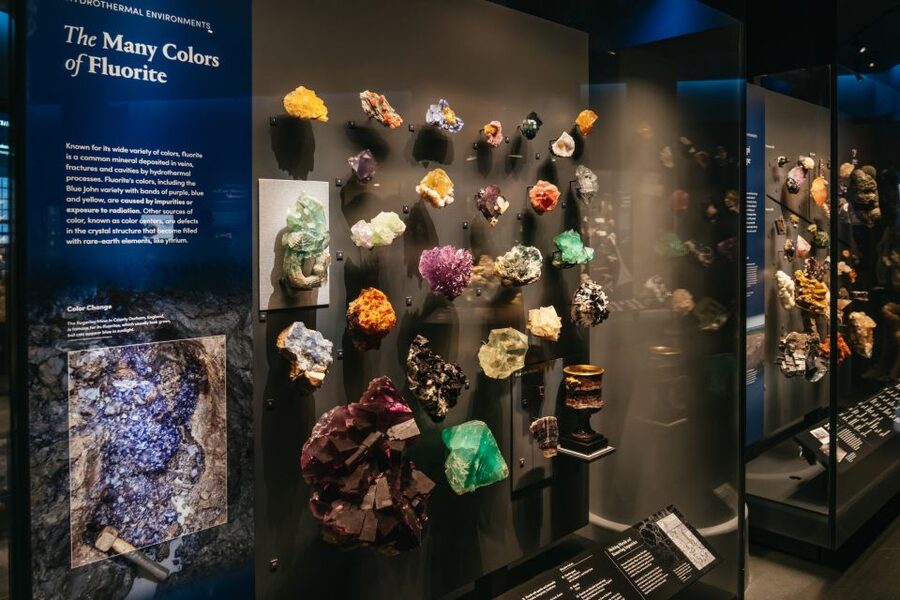
This museum can easily stretch into a full-day outing. One visitor tip was to plan at least 4 to 5 hours if you genuinely want to see a lot. Another reality check: even spending only a few hours can still be satisfying, but you will not see everything.
Here is how I would pace it for best enjoyment:
- Start with a must-see section (often dinosaurs, then branch out)
- Add one big science anchor (Gilder Center and/or Rose Center)
- Save the ticketed show for a later chunk of your day if you add one
- Build in time for reading labels, because that is where the museum turns from pretty to meaningful
If it helps, treat lunch and breaks as part of the plan, not wasted time. There are cafeterias onsite, and taking a moment to refuel makes the difference between a day of learning and a day of surviving.
Facilities, WiFi, and Practical Comfort Tips
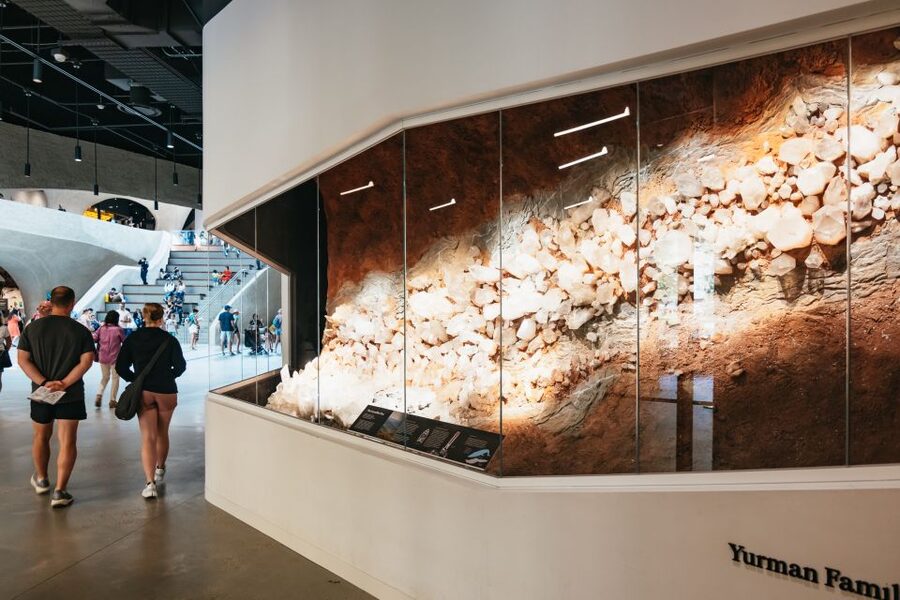
The museum gives you several small tools that matter more than you think.
First, onsite WiFi and the Explorer app can save time. Turn-by-turn navigation means you spend less time wandering. Behind-the-scenes stories and quizzes make it easier to keep kids engaged without you acting as tour guide all day.
Second, lockers exist if you need them. Since oversize luggage and large bags are not allowed, you will want to use lockers rather than carry bulky items around. Plan for the fact that lockers cost extra.
Third, think about wheelchair and accessibility needs. The giant-screen film theater specifically notes wheelchair accessibility, plus captioning devices and audio description devices are available. For anyone who needs that kind of support, that is valuable information to have on your planning checklist.
Who This Ticket Is Best For
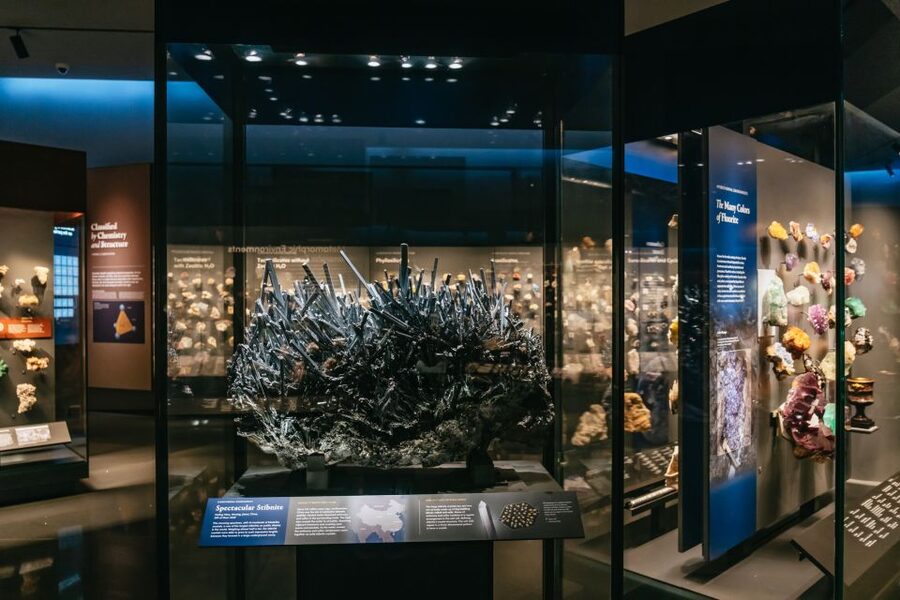
This American Museum of Natural History ticket is ideal for families who want a mix of big visual attractions and learning. Kids get the dinosaur energy, the butterfly experience, and the “wow” factor of large format shows if you add them. Adults get context on evolution, Earth and space, and global culture topics.
It is also a good pick for solo travelers who prefer self-guided museums. There is no guide included, but you do not need one if you use the Explorer app and pick your own route.
You might be less happy with this ticket if you hate long days of walking, because the included areas are big and you will naturally keep going if you are enjoying yourself. If you want a shorter, more focused experience, you would still need to narrow what you aim to see, especially regarding ticketed exhibitions.
Should You Book This American Museum of Natural History Ticket?
Book it if you want all-day entry and you plan to roam beyond just one or two rooms. The combination of permanent halls, the Rose Center, and the Richard Gilder Center gives you enough variety to keep different interests happy, and the Explorer app helps you manage the scale.
Skip or reconsider if your priority is only the ticketed exhibitions, since general admission does not include them. In that case, you should choose the option that adds the specific special shows you care about, so you do not feel like you paid for the museum and still missed the main event.
If you want one simple call: this is an excellent ticket for a full-day museum plan in NYC, especially when you pair it with carefully chosen ticketed highlights rather than trying to do everything.
Tickets: further reviews from New York City
- NYC: SUMMIT One Vanderbilt Tickets★ 4.7 · 51,195 reviews
- NYC: Empire State Building Tickets – Observatory & Museum★ 4.7 · 25,757 reviews
- NYC: Museum of Modern Art (MoMA) Entry Ticket★ 4.6 · 12,540 reviews
- NYC: One World Observatory Skip-the-Line Ticket★ 4.7 · 12,329 reviews
- NYC Empire State Building Observation Deck Ticket★ 4.5 · 6,916 reviews
City Tours: what else we logged in New York City
- New York City: Statue of Liberty & Ellis Island with Ferry★ 4.6 · 18,683 reviews
- New York City: Manhattan Helicopter Tour★ 4.7 · 7,076 reviews
- Top of the Rock Observation Deck New York City Ticket★ 4.5 · 4,556 reviews
- From New York City: Washington and Philadelphia 1-Day Tour★ 4.5 · 2,877 reviews
- Circle Line: 2hr – New York City Harbor Lights Cruise★ 4.5 · 2,859 reviews
Tour Reviews: more from our New York City desk
- NYC: SUMMIT One Vanderbilt Tickets★ 4.7 · 51,195 reviews
- NYC: Empire State Building Tickets – Observatory & Museum★ 4.7 · 25,757 reviews
- New York City: Statue of Liberty & Ellis Island with Ferry★ 4.6 · 18,683 reviews
- Statue of Liberty and Ellis Island Tour: All Options★ 5.0 · 13,571 reviews
- New York in One Day Guided Sightseeing Tour★ 5.0 · 13,166 reviews
Newest New York City reviews added to this site
- NYC: Whitney Museum Ticket
★ 4.2 · 315 reviews - NYC: Manhattan & Statue of Liberty Cruise with Shuttle Bus
★ 4.6 · 316 reviews - 60-Minute Statue of Liberty Sightseeing Cruise
★ 3.0 · 317 reviews - True Crime New York: NYPD-Guided Mafia Walking Tour w/ Food
★ 4.6 · 318 reviews - New York City Cocoa and Carols Holiday Cruise
★ 4.5 · 318 reviews - Harlem Wednesday Morning Gospel Tour
★ 4.5 · 320 reviews - Central Park Bike Rental: Quality Bikes with Map, Helmet, Lock
★ 4.0 · 324 reviews - New York City Harlem Highlights w/ Gospel Concert & Transfer
★ 4.5 · 326 reviews - 9/11 Memorial Tour with Optional Museum and One World Access
★ 5.0 · 330 reviews - New York City Sunset Cruise on a Yacht
★ 5.0 · 331 reviews
Historical Tours, side by side.
 ★ 5.0History and Hauntings of Salem Guided Walking TourFrom $3614,564 reviews
 ★ 5.0Charleston’s Old South Carriage Historic Horse & Carriage TourFrom $5010,023 reviews
 ★ 4.5Beneath The Streets Underground History TourFrom $298,006 reviews
 ★ 5.0Big Island in a Day: Volcanoes Waterfalls Sightseeing and HistoryFrom $2646,569 reviews
 ★ 5.0Boston: Freedom Trail History Small Group Walking TourFrom $356,450 reviews
 ★ 5.0Historic Charleston Guided Sightseeing Walking TourFrom $306,216 reviews
 ★ 4.6NYC: Starship Landmark 90 Minute Sightseeing CruiseFrom $343,666 reviews
 ★ 5.0Charleston Horse-Drawn Carriage Tour: Explore Historic CharlestonFrom $493,561 reviews
This one is also listed in