
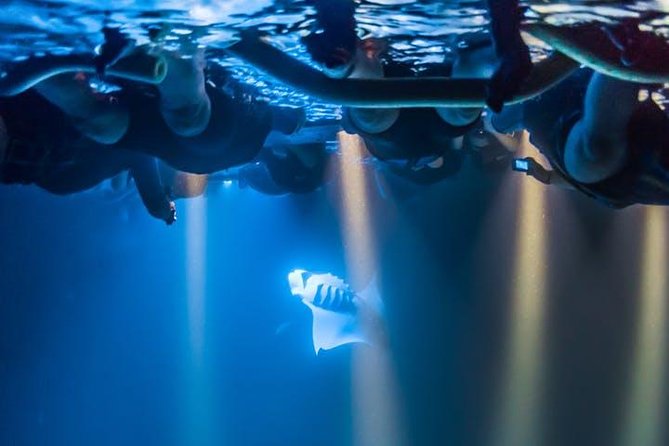
Review · BIG ISLAND VOLCANOES AND KONA
Night Manta Ray Experience
Kona at night turns the ocean into a stage. This 1.5-hour experience puts you in warm water alongside giant manta rays while they feed on plankton, so you get that rare, stomach-flutter close-up. I love how much is handled for you, from wetsuits to snorkel gear, and I love that guides get people set up fast. The main thing to consider is the water can get rough at times, so if you are prone to motion sickness, plan ahead.
What I especially like is the small-group feel, with a maximum of 27 people, and the way the crew keeps you safe in the dark water. Guides such as Em and Sage in the lineup are part of why people feel looked after, and I also like that Captain John, Kim, and Skyler show up by name in guest stories. The tradeoff: you need a moderate fitness level, and you should be comfortable snorkeling and climbing a short ladder back onto the boat.
If you want the real Kona magic, this is it. You’re not just watching from a distance, you’re in the water with the mantas, often close enough that rays may brush you as they circle. One possible drawback is logistics, there’s no transportation provided, so you’ll want to sort your ride and bring what you need for after, like a towel and a dry layer.
In This Review
- Quick Hits Before You Go
- Why a Night Manta Ray Feeding Frenzy Feels Different in Kona
- Sea Quest Hawaii Check-In, Gear, and What the Meeting Feels Like
- The 90 Minutes of Manta Ray Ballet: What Happens After Dark
- Safety, Wetsuits, Rough Water, and Motion Sickness Reality Checks
- The Manta Guarantee: What It Really Means for Your Vacation
- Price and Value: Is $146.41 Worth It?
- Who This Tour Fits Best, and Who Might Want a Different Option
- Small Details That Improve Your Odds and Your Comfort
- Should You Book Night Manta Rays With Sea Quest Hawaii?
- FAQ
- How long is the Night Manta Ray Experience?
- Where does the tour start?
- What snorkeling gear is included?
- Is transportation included?
- What if we see no manta rays?
- Is hot chocolate included?
- Do we need to bring a towel?
- Does everyone need snorkeling experience?
- Can I climb back onto the boat if I’m wet?
Quick Hits Before You Go
- Manta Guarantee: if zero manta rays are seen, you can return another night during the same vacation, or switch to an afternoon snorkeling option, at no extra charge (based on availability).
- Gear Included: snorkel gear, wetsuit, and flotation devices are part of the price.
- Short, focused outing: plan for about 1 hour 30 minutes, not an all-day production.
- In-water guidance: your guides help you stay oriented and safe in the dark water.
- Hot chocolate finish: warm drink after you’re out, plus hot beverages are a big comfort on a night snorkel.
Why a Night Manta Ray Feeding Frenzy Feels Different in Kona
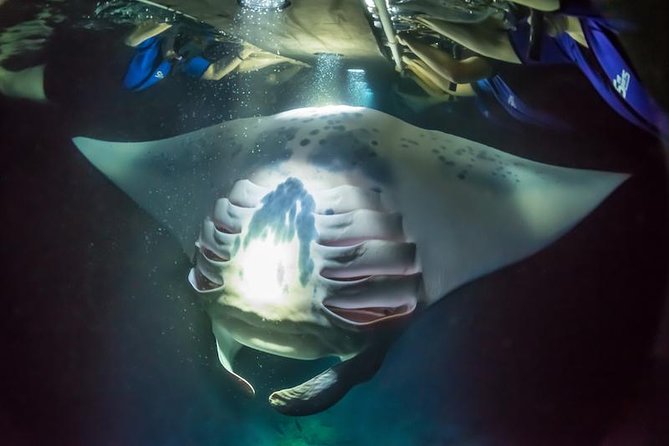
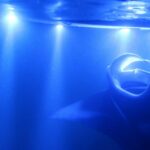
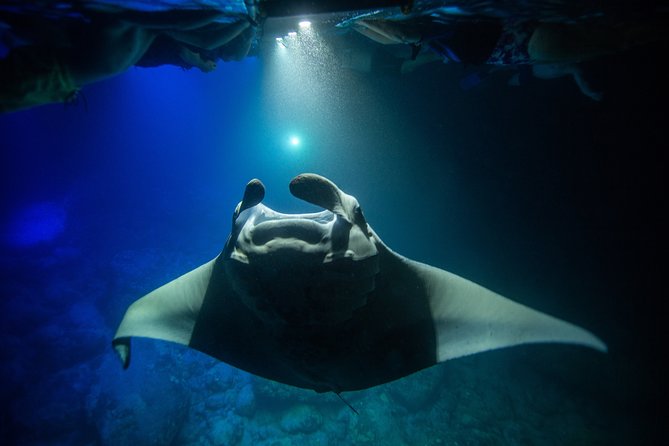
Daytime manta snorkeling is cool, but night changes your whole sense of scale. In Kona’s warm waters, the mantas come in for plankton attracted to the feeding area. When the lights go down and you’re floating with your snorkel mask on, you stop thinking of it as a “tour” and start thinking of it as something you’re allowed to watch up close.
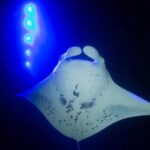
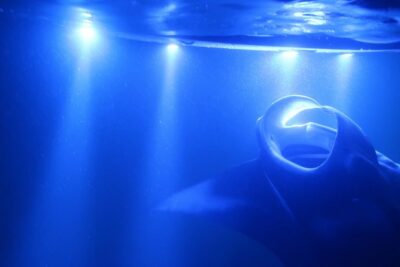
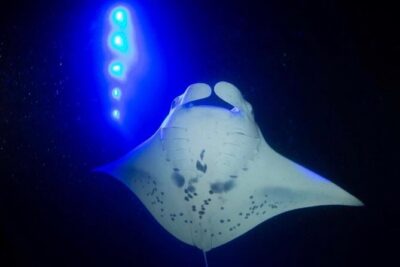
The mantas you’re looking for are big enough to be intimidating on paper, up to about 1,000 pounds and roughly 16 feet across. Yet the vibe is usually calm and gentle. In the water, they tend to glide, flip, and sweep through the feeding zone like an underwater ballet. Many guests report multiple rays at once, and the best nights are the ones where you can feel the action happening just under the surface.
And yes, the chills are real, even with a wetsuit. Darkness makes everything feel more intense, including the sound of your own breathing and the way you anticipate movement. That’s part of the point. If you like animals, but you also like a little suspense, this is a strong match.
Sea Quest Hawaii Check-In, Gear, and What the Meeting Feels Like
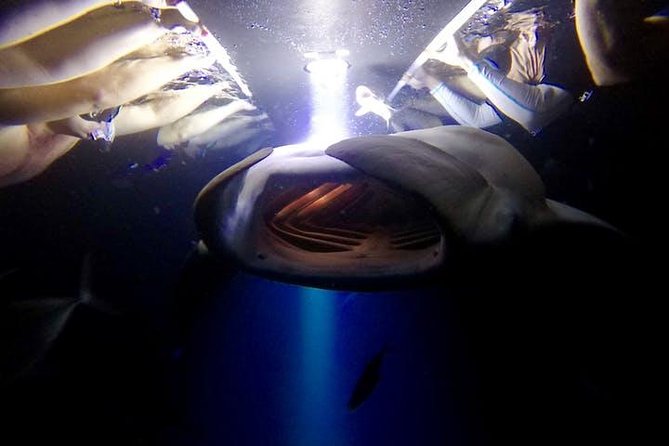
Your outing starts at Sea Quest Hawaii at 78-7138 Kaleiopapa St, Kailua-Kona. It’s close to the dock and easy to reach from town, and guests note the staging area feels organized and ready for action. You’ll also use a mobile ticket, and confirmation comes at booking time.
Once you arrive, the flow is built around getting you comfortable and capable quickly:
- Snorkel gear fitting and distribution
- Wetsuit setup so you’re not freezing in the night air
- Flotation devices so you can focus on spotting movement instead of treading water
- A safety and technique briefing so you know what to do once you’re in the water
One detail I think matters a lot is the short ladder back onto the boat. The experience requires that you can climb it, so you should be confident with that step before you go. If you are not sure, it’s worth asking your provider ahead of time, because “short” can still feel steep when you’re wet, tired, and in the dark.
Finally, towels are not included. You’ll want your own towel and dry clothes for after, especially if you plan to drive anywhere afterward. People also mention the parking can be tight, so I recommend arriving with buffer time.
Evening Experiences we have also been through in Big Island of Hawaii
The 90 Minutes of Manta Ray Ballet: What Happens After Dark
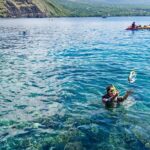
The core of this experience is simple: you go into the water at night, and you stay close to the feeding zone long enough for the mantas to show up repeatedly. Because your crew actively guides the swim, you’re not just “waiting in the dark.” You’re scanning, repositioning, and learning how the animals move as they feed.
Here’s what you can reasonably expect in order:
- Warm-up and setup on shore, with your wetsuit and gear on so you’re not rushing later.
- A short ride out to the manta area, with guides keeping everyone oriented.
- In-water instructions that help you float safely and maintain your breathing rhythm.
- Time in the water with guides helping you spot mantas as they glide in.
- When the session ends, you re-board via the ladder and warm up on the boat.
Guests often describe seeing mantas soon after getting in, sometimes with several rays circling at once. When it’s going well, you can get that moment where a manta’s movements feel like they’re happening inches away. Some stories mention rays “touching” them as the mantas pass, and others describe flip-like movements while feeding. That closeness is the main reason this trip is so popular.
You’ll also get a hot chocolate at the end, which is a small thing until you’re wet, cold, and laughing at yourself for thinking you’d be fine without it. The end of the tour feels like the “reset,” so you leave warm instead of chilled.
Safety, Wetsuits, Rough Water, and Motion Sickness Reality Checks
Night ocean time has a few variables you can’t control. That’s why safety practices matter here. People consistently praise the crew for keeping them calm and safe, even when the water is rough. That’s a real consideration, because rough conditions can make snorkeling feel harder, especially if you’re already concentrating on staying afloat and seeing movement.
Here’s the practical checklist I’d use:
- You should already have snorkeling experience, because the tour setup assumes you can snorkel comfortably.
- You need moderate physical fitness, and you should be able to climb the re-boarding ladder.
- If you’re prone to motion sickness, take it seriously. Some guests specifically mention rougher water and recommend taking medication beforehand. If you know your body, you’ll probably want to prepare before you’re out on the water.
Wetsuits and flotation devices are included for a reason. Even in Kona, night can feel cooler than you expect, and the wetsuit helps you stay comfortable enough to enjoy the experience rather than focus on shivering.
Also, the crew uses in-water guidance to help you stay positioned. If you’ve ever struggled to stay face-forward in open water at night, you’ll appreciate having someone helping you get your bearings fast.
The Manta Guarantee: What It Really Means for Your Vacation
This is one of the biggest “peace of mind” parts of the tour. The Manta Guarantee says that if you see zero manta rays, you can come back out again during the same vacation at no additional cost. Sea Quest also notes that this is rare, but they offer a no-cost return. The same guarantee can apply as a switch to an afternoon snorkeling adventure if that’s the easiest fit, based on availability.
Two practical notes matter here:
- You need to act fast if you don’t see mantas, calling right away so your reschedule can happen smoothly.
- Non-refundable and non-transferable rules still apply, but the guarantee is designed to protect your time and money on this specific animal encounter.
In other words, you’re not gambling your whole vacation on a single night. You still can have a great time even if it’s not perfect, but the guarantee makes the “what if” less stressful.
Price and Value: Is $146.41 Worth It?
At $146.41 per person for about 1.5 hours, this sits in the mid to higher range for Kona snorkeling. The value comes from what’s included, the small group size, and the fact you’re paying for a high-probability animal encounter setup rather than basic snorkeling access.
What you get for your money:
- Snorkel gear included
- Wetsuit included
- Flotation devices included
- Hot chocolate included
- A crew that helps you safely manage dark-water snorkeling
Add in the manta guarantee, and the price feels more like you’re paying for an organized encounter with an experienced team, not just a boat ride. A “cheap” tour that makes you bring your own gear and offers no safety coaching usually costs less because you do more work, take more risk, and spend more time fiddling before you even see anything.
The downside is also tied to value: no transportation is provided. So if you’re planning to Uber or drive, include that cost and time in your math. Still, for many people, it’s a bucket list activity they’re happy to pay for because it’s hard to recreate on your own.
The rest of our Big Island Volcanoes and Kona notes for Big Island of Hawaii
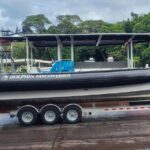
Who This Tour Fits Best, and Who Might Want a Different Option
This experience is best for people who can handle the basics without panic. That means:
- You can swim and you have snorkeling experience.
- You’re comfortable with a short ladder climb back onto the boat.
- You can keep a calm, steady breathing pattern and float while watching for movement.
It also helps if you’re excited by night nature. If you want bright daylight views and easy visibility, this won’t feel like that. You’re trading daylight clarity for animal behavior up close, often in repeated passes.
Who might struggle:
- People with limited snorkeling comfort or who dislike open-water setup.
- Anyone who cannot climb the ladder re-entry.
- People who are very motion-sickness prone and do not want to use medication or coping strategies.
On the flip side, family groups have found it doable when everyone meets the swimming and re-entry requirements. If your group matches those conditions, you’re likely to have an easier time.
Small Details That Improve Your Odds and Your Comfort
A few details can make a big difference between an average night and a great one.
First, arrive a little early. Guests note the parking can be tight, and getting checked in without stress helps you start relaxed. Second, bring a towel and dry clothes. Even with hot chocolate after, you still want comfort on the drive back.
Third, if you wear glasses, ask about the option for a prescription facemask. One guest specifically mentioned Sea Quest having a prescription mask setup, which is a big deal at night when you need to see clearly.
Fourth, plan for temperature swings. Wetsuits help a lot, but you’ll still feel the night air once you’re out of the water. I like to bring a warm layer for the boat area and a change of clothes for after.
Should You Book Night Manta Rays With Sea Quest Hawaii?
I’d book this if you want the closest realistic manta encounter in Kona, and you’re ready for night snorkeling. The combination of gear included, small-group pacing, and the crew’s focus on safety makes it feel like a well-run bucket list night, not a chaotic gamble.
Book with confidence if you:
- Have snorkeling experience and can climb back onto the boat.
- Can handle dark water and are excited by close-up wildlife.
- Want a plan that includes a manta guarantee if sightings are zero.
Consider skipping or switching plans if:
- You are not comfortable in rougher water or you know motion sickness hits hard.
- You cannot swim or aren’t able to climb the ladder to re-board.
- You do not want the added logistics of providing your own towels and arranging transportation.
If you check those boxes, this is the kind of Kona night you will remember for a long time.
FAQ
How long is the Night Manta Ray Experience?
The tour is about 1 hour 30 minutes.
Where does the tour start?
It starts at 78-7138 Kaleiopapa St, Kailua-Kona, HI 96740, USA at Sea Quest Hawaii.
What snorkeling gear is included?
Snorkel gear is included, along with wetsuits and flotation devices.
Is transportation included?
No. Transportation is not provided, so you’ll need to arrange your own way to the meeting point.
What if we see no manta rays?
If zero manta rays are seen, you can return during the same vacation based on availability at no additional cost. You should call right away to reschedule. There are no refunds for this situation.
Is hot chocolate included?
Yes, hot chocolate is included.
Do we need to bring a towel?
Towels are not included, but it is recommended that you bring one.
Does everyone need snorkeling experience?
The activity is listed with snorkeling experience as a requirement.
Can I climb back onto the boat if I’m wet?
Yes, the experience requires that participants can climb a short ladder to re-board the boat.
Big Island Volcanoes and Kona reviewed right across Big Island of Hawaii
- Big Island in a Day: Volcanoes Waterfalls Sightseeing and History★ 5.0 · 6,569 reviews
- Big Island Manta Ray Night Snorkel★ 5.0 · 5,656 reviews
- Big Island: Kona Manta Ray Snorkel Tour in Keauhou Harbor★ 4.5 · 2,465 reviews
- Hilo Shore Excursion: Volcanoes National Park & Black Sand Beach★ 4.5 · 2,338 reviews
- Big Island: Captain Cook Snorkel On A Power Catamaran With Lunch★ 5.0 · 2,232 reviews
Elsewhere under Evening Experiences in Big Island of Hawaii
- Big Island Manta Ray Night Snorkel★ 5.0 · 5,656 reviews
- KONA Manta Ray Night Snorkel – FREE re-ride if no Sightings★ 5.0 · 2,212 reviews
- Manta Ray Night Snorkel at Kona, Big Island★ 5.0 · 1,758 reviews
- Big Island GOAT Experience: Mauna Kea Summit, Sunset & Stars★ 5.0 · 1,706 reviews
- Big Island: Mauna Kea Summit Tour with Free Night Star Photo★ 5.0 · 1,449 reviews
Tour Reviews: more from our Big Island of Hawaii desk
- Big Island in a Day: Volcanoes Waterfalls Sightseeing and History★ 5.0 · 6,569 reviews
- Big Island Manta Ray Night Snorkel★ 5.0 · 5,656 reviews
- Big Island: Kona Manta Ray Snorkel Tour in Keauhou Harbor★ 4.5 · 2,465 reviews
- Hilo Shore Excursion: Volcanoes National Park & Black Sand Beach★ 4.5 · 2,338 reviews
- Big Island: Captain Cook Snorkel On A Power Catamaran With Lunch★ 5.0 · 2,232 reviews
Newest Big Island of Hawaii reviews added to this site
- Luxury Kona Coast Snorkel Tour Including Lunch
★ 5.0 · 309 reviews - Kona Cloud Forest Sanctuary Montane Jungle Tour (2.5 hrs)
★ 5.0 · 322 reviews - Kona Shore Excursion: Sea Turtles, Historic Kona & Coffee
★ 4.5 · 324 reviews - Deluxe Morning Snorkeling Adventure
★ 5.0 · 325 reviews - Kohala Waterfalls Small Group Adventure Tour
★ 5.0 · 335 reviews - Volcano National Park Adventure From Kona
★ 5.0 · 339 reviews - Small-Group Big Island Tour: Hawaii Volcanoes National Park and Kona Coffee Farm
★ 5.0 · 343 reviews - Two Reef Snorkel Trip-See Captain Cook Monument & Sea Caves
★ 5.0 · 347 reviews - Big Island Parasailing Experience
★ 5.0 · 353 reviews - Hilo Shore Excursion: Volcano Safari Lava Caves & Black Sand
★ 4.5 · 363 reviews
Big Island Volcanoes and Kona, side by side.
 ★ 5.0Big Island in a Day: Volcanoes Waterfalls Sightseeing and HistoryFrom $2646,569 reviews
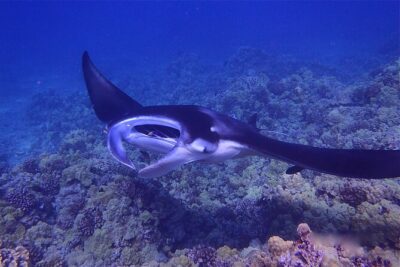 ★ 5.0Big Island Manta Ray Night SnorkelFrom $845,656 reviews
 ★ 4.5Big Island: Kona Manta Ray Snorkel Tour in Keauhou HarborFrom $252,465 reviews
 ★ 4.5Hilo Shore Excursion: Volcanoes National Park & Black Sand BeachFrom $1592,338 reviews
 ★ 5.0Big Island: Captain Cook Snorkel On A Power Catamaran With LunchFrom $852,232 reviews
 ★ 5.0KONA Manta Ray Night Snorkel – FREE re-ride if no SightingsFrom $492,212 reviews
 ★ 5.0Manta Ray Night Snorkel at Kona, Big IslandFrom $441,758 reviews
 ★ 5.0Big Island GOAT Experience: Mauna Kea Summit, Sunset & StarsFrom $2891,706 reviews
This one is also listed in