
Review · MUSEUMS
Plimoth Patuxet Museums
Time travel in Plymouth, without the wires.
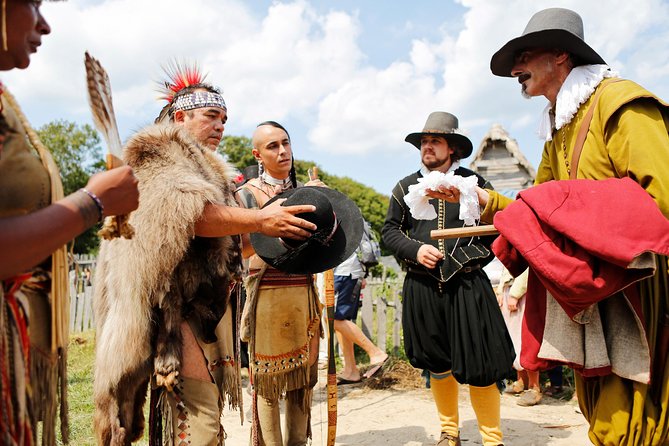
Plimoth Patuxet Museums lets you walk through a 17th-century English village and the Historic Patuxet Homesite, guided by in-character interpreters. It is one of those rare Boston-area history stops where the setting does most of the work, and the stories add the spark. I especially like the way the museum connects early events to later ideas like self-government, using today’s interpreters to bring the past into focus.
My favorite part is the Wampanoag-focused Historic Patuxet Homesite, which makes the Northeast Indigenous story feel present, not distant. I also like that the Mayflower II option gives you a hands-on look at the 1620 crossing from a floating museum at Plymouth Harbor, so your day is not just one reenactment. A solid extra is the choice to add the Plimoth Grist Mill, where water power and hands-on milling fit right into the day’s theme of survival and daily work.
One thing to plan for: you will be on outdoor paths, and some areas can feel uneven. If you struggle with walking, the good news is there is free golf cart help at Plimoth Patuxet, but you should still keep a moderate fitness level in mind, especially if you’re doing multiple sites in one day.
In This Review
- Key points before you go
- Plimoth Patuxet: the “walk-in” living history setup
- The Wampanoag homesite is the anchor for many visitors
- Outdoor footing: plan your comfort first
- Timing that actually works: 4 to 5 hours, or longer
- A smart tip for quieter, calmer visiting
- The 17th-Century English Village: ask better questions
- Food and crafts: small things that keep your day happy
- Add Plimoth Grist Mill: water power you can see
- What millers do day to day
- Watch the “same-day” logistics
- Mayflower II: a short ship visit that hits hard
- Plan for a quick but concentrated visit
- Price and value: what you get for $35 and when it grows
- Getting there from Boston: train, bus, and local rides
- Meeting point you should not miss
- Who should book this experience
- Should you book Plimoth Patuxet Museums?
- FAQ
- Is admission included for Plimoth Patuxet?
- Does the ticket include Mayflower II?
- Does the ticket include Plimoth Grist Mill?
- How long should I plan for the experience?
- Where do I redeem my ticket?
- Are food and drinks included?
- Do I need a car for Mayflower II?
- Is the museum open in bad weather?
- Is there help for mobility concerns?
- What is the cancellation policy?
Key points before you go
- Pick the combo that fits your pace, Plimoth Patuxet alone or with Mayflower II and the Plimoth Grist Mill
- Living history is the main show, not just exhibits, with interpreters in character at the English village and Patuxet homesite
- Mayflower II adds a different angle, a docked ship experience tied to 1620 and the Mayflower Compact
- Grist Mill is practical STEM plus history, including how the water-fed mill works and what millers do on different days
- Use the free golf carts at Plimoth Patuxet if mobility is an issue, and ask guest services on arrival
- Expect school crowds at peak times, which can make the open-air walking louder and harder to enjoy at a slow pace
Plimoth Patuxet: the “walk-in” living history setup

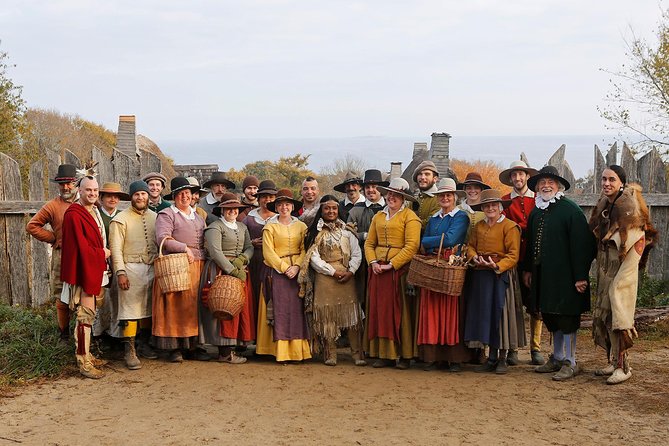
If your idea of history is mostly glass cases and labels, Plimoth Patuxet will surprise you. The big draw is the Historic Patuxet Homesite plus the 17th-Century English Village. You are not watching from a distance. You are moving through spaces where people are actively doing the kinds of tasks that would have filled daily life.
At Plimoth Patuxet, the experience is built around multiple sections, including a Craft Center and an included exhibit about Thanksgiving, the making of an American holiday. There is also a visitor center cafe that serves both 17th-century and modern favorites. That matters more than it sounds. When you are on your feet for hours, having food on site can keep your day from turning into a rushed scramble.
The museum’s interpretation also connects time periods on purpose. If you visit during the current 250th-anniversary focus theme, you will see the story tied to the roots of the late 18th-century and ideas like self-government, including the Mayflower Compact. The payoff is that the museum is not only about 1620. It is about why those early choices and structures mattered later.
The Wampanoag homesite is the anchor for many visitors
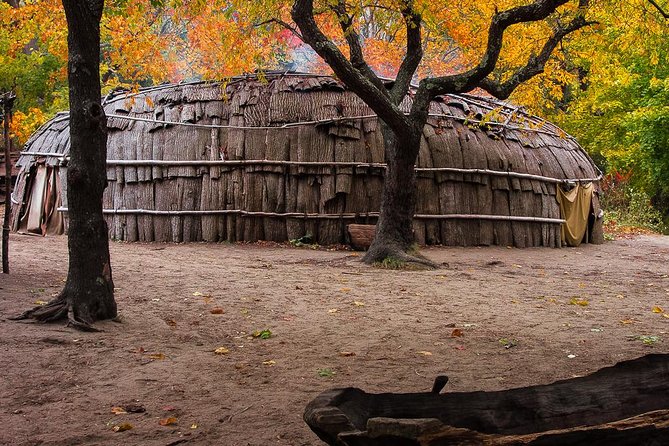
A recurring theme in people’s comments is that the Historic Patuxet Homesite can be the most meaningful part of the day. The interpreters represent Indigenous heritage of the Northeast, with people living here for over 12,000 years. In practical terms, that means you can spend more time asking questions and letting the interpretive style do the teaching.
You should know the difference between “walk-through” and “lecture.” Some areas of the English village can feel like a set of lived-in spaces rather than a wall of printed facts. If you want a heavy, structured explanation of every English leader and every household decision, plan to ask interpreters directly, and be ready to supplement with your own reading after you go.
Outdoor footing: plan your comfort first
Most of the experience happens outdoors. The museum is open in all weather conditions, so dress for rain, wind, or chilly ocean air. Comfortable shoes matter. Also remember that you may be walking on older-style surfaces as you move between homes, paths, and activity areas. If mobility is a concern, staff provide free golf cart service at Plimoth Patuxet for guests who need it, so ask guest services when you arrive.
Timing that actually works: 4 to 5 hours, or longer
This experience is designed around a half-day commitment. The tour summary says about 4 to 5 hours, and it is usually 2.5 hours for Plimoth Patuxet itself plus shorter add-ons if you choose them.
Here is the practical reality: if you truly want to talk to interpreters, linger over gardens and houses, and keep a calm pace, you might stretch the day. Some people finish closer to 5 hours, while others take longer when they add multiple sites and factor in meals and breaks.
A smart tip for quieter, calmer visiting
The biggest scheduling lesson is to avoid the loudest windows if you want a peaceful experience. During certain school field trip periods, the open-air village can get crowded with children who are excited and energetic. That does not ruin the museum, but it changes the vibe. If your goal is conversation and slower walking, aim for a time when you are less likely to be surrounded by big groups.
The 17th-Century English Village: ask better questions
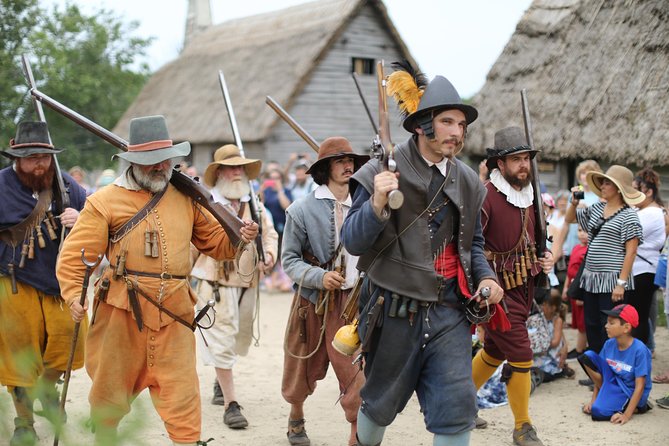
The English village component is a walk through a recreated early English Pilgrim settlement, with period-costumed interpreters portraying daily life. The strongest moments tend to happen when you treat it like a conversation, not like a photo stop.
What to do:
- Ask how a task gets done, not just what it is
- Ask what people did when weather changed
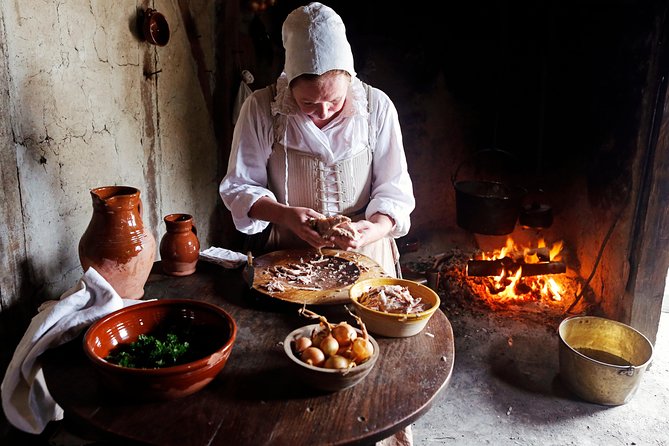
- Ask about food preparation and seasonal routines
What to expect if you are information-hungry:
Some visitors want more printed detail about specific leaders or town development. The village is built for lived-in storytelling. You can still get a lot out of it, but your experience depends on how interactive you make it.
Also, interpreters are human. Some people run into actors who feel more talkative, others meet actors who seem more focused on their role and less chatty. If one person is tight-lipped, move on and try another interpreter. You will often get different angles.
Food and crafts: small things that keep your day happy
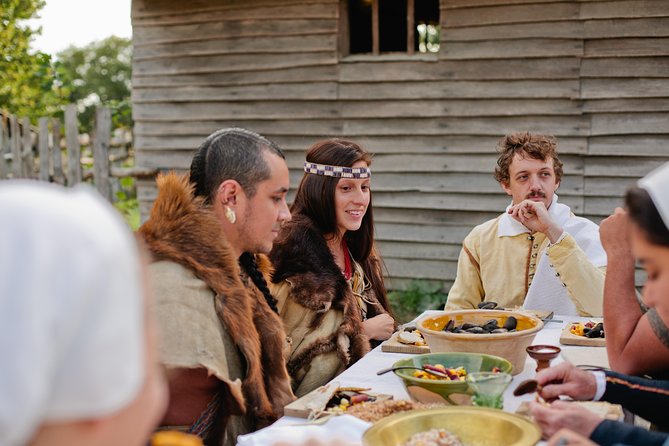
The cafe in the visitor center serves both 17th-century and modern favorites. Based on comments, the cafe can be a highlight, with people singling out specific dishes like succotash soup. That kind of meal is not just lunch, it is part of the theme.
Then there are the retail options. There are four shops, including Plimoth artisan-made and local New England items. It is a nice way to turn the day’s stories into something tangible.
Add Plimoth Grist Mill: water power you can see
If you like history that has gears and practical work, the Plimoth Grist Mill is a great match. It is located in historic downtown Plymouth, a short walk from the waterfront through Brewster Gardens. The mill is a working reproduction of the mill built by Pilgrim John Jenney, built at the original location along Town Brook.
What makes it worth your time is that you are not only looking at a building. You are learning how a water-fed, powered mill operates, and how the ecology of Town Brook connects to the whole system. The museum frames it as a STEM and history program for all ages, so it works for families and for adults who want more than costumes.
What millers do day to day
The mill’s operations can vary. On Saturday afternoons, the mill stones are operational. On other days, millers are preparing the cornmeal by sifting, willowing, and preparing the stones for the next run. The lower exhibit is set up so you can try milling with immersive, hands-on style displays.
If you have baking plans, swing by the retail store. You can buy freshly stone-ground cornmeal and sample items like grits. Even if you do not bake, it is a fun edible souvenir tied directly to the mill’s purpose.
Watch the “same-day” logistics
You can select to visit the mill on the same day as Plimoth Patuxet, or on a different day during the 2025 season. If you are trying to connect the mill area with other Plymouth Harbor spots, allow extra time for walking routes, because ongoing work and construction can change how easy it is to move between points.
Mayflower II: a short ship visit that hits hard

Mayflower II is different from the villages on purpose. It is a floating museum docked at Plymouth Harbor, and it is designed to give you a sense of the 1620 crossing.
This is also where the “big idea” connection shows up. If you are visiting during the Revolutionary Ideas theme, you will connect the late 18th-century story back to earlier roots, including the Mayflower Compact and the idea of self-government. The ship itself is where the stories become physical.
Plan for a quick but concentrated visit
The time block for Mayflower II in the tour plan is about 30 minutes. That is short. You’ll want to use the time well by talking to guides and asking practical questions, like what daily life onboard felt like and how passengers lived in confined space.
One more detail you should plan for: Mayflower II is about 3 miles north from Plimoth Patuxet, and you will need a car to get between those areas on your own. If you are not renting, look into local transportation options ahead of time. The area also has a recommended ride service via seeplymouth, using the Ridecircuit app for free livery service, as long as you check schedules for connections between sites.
Price and value: what you get for $35 and when it grows
The listed price is $35.00 per person, and the experience runs about 4 to 5 hours. For most people, that base ticket is mainly about Plimoth Patuxet. The add-ons are where your total day value grows.
Here is how to judge whether this is a good deal for you:
- If you mainly want the living history of the Indigenous-present Patuxet homesite and the English village, the base price can feel like strong value because it is the core attraction.
- If you also want the Mayflower II angle plus the grist mill, you should think of your day as three different teaching styles: lived-in settlement, working water-powered milling, and ship history.
Some people find it is worth prebooking because it avoids ticket-line stress. You can also reduce your risk by reserving early, since the tour is often booked about 17 days in advance on average.
Getting there from Boston: train, bus, and local rides
Plymouth is doable from Boston, but the key is planning your final leg. The experience does not include hotel pickup or drop-off, so you will handle local transit.
You have a few options mentioned:
- Amtrak: Kingston/Plymouth line from South Station
- Bus: Plymouth & Brockton from South Station
From there, plan for a livery service ahead of time if you can. You can also use seeplymouth and the Ridecircuit app for free livery service, checking schedules so you can move between Plimoth Patuxet, the Grist Mill, and Mayflower II.
Meeting point you should not miss
Your ticket redemption point is 137 Warren Ave, Plymouth, MA 02360. That matters because you can lose time if you arrive at the wrong site.
Who should book this experience
This is a strong fit if you:
- Love history that is told through people doing real work
- Want a calmer, conversation-friendly day in a small museum town setting
- Are traveling with teens or mixed ages, since the mill adds a hands-on component
- Like the idea of connecting early Plymouth to later American political ideas
It is less ideal if you:
- Want a purely lecture-style history experience with lots of printed detail at every stop
- Need fully flat, easy walking surfaces, because the museum is outdoors and you should expect uneven footing
- Are trying to pack too much into one tight schedule, since multiple sites can require transport time
Should you book Plimoth Patuxet Museums?
If your goal is a meaningful, walk-through Plymouth day with living history at the center, I think booking is a smart move. The value is strongest when Plimoth Patuxet is the priority, and you add Mayflower II or the Grist Mill if you want a broader set of perspectives.
Book it if you care about atmosphere and people in character, and if you are willing to ask questions instead of just reading labels. If you prefer quiet and highly structured indoor explanations, consider timing carefully, and plan your route so you are not stuck in peak school crowd windows.
FAQ
Is admission included for Plimoth Patuxet?
Yes. The package includes the Plimoth Patuxet ticket, covering the Historic Patuxet Homesite, the 17th-Century English Village, and the Craft Center, plus an exhibit called We Gather Together, Thanksgiving, the making of an American holiday.
Does the ticket include Mayflower II?
Mayflower II is listed as an add-on. Your itinerary notes you can choose to visit Mayflower II as part of a combination or heritage ticket, depending on what you select.
Does the ticket include Plimoth Grist Mill?
Yes, Plimoth Grist Mill is listed as an add-on to Plimoth Patuxet, and it is at 6 Spring Lane in Brewster Gardens. You can choose to visit it on the same day or a different day during the 2025 season.
How long should I plan for the experience?
Plan for about 4 to 5 hours total. Plimoth Patuxet is listed at about 2 hours 30 minutes, and the add-on stops are shorter time blocks.
Where do I redeem my ticket?
The ticket redemption point is 137 Warren Ave, Plymouth, MA 02360, USA.
Are food and drinks included?
No. Food and drinks are not included. There is a cafe at Plimoth Patuxet where you can buy meals.
Do I need a car for Mayflower II?
Mayflower II is about 3 miles north of Plimoth Patuxet, and the information notes you will need a car to get there.
Is the museum open in bad weather?
Yes. The museum is open in all weather conditions, so dress appropriately and wear comfortable shoes.
Is there help for mobility concerns?
At Plimoth Patuxet there is free golf cart service operated by staff to assist those with mobility concerns. Ask guest services when you arrive.
What is the cancellation policy?
You can cancel for a full refund if you cancel up to 24 hours in advance. If you cancel less than 24 hours before the start time, the amount paid will not be refunded.
Museums, side by side.
 ★ 4.7NYC: Empire State Building Tickets – Observatory & MuseumFrom $4725,757 reviews
 ★ 4.5New York City: American Museum of Natural History TicketFrom $3715,447 reviews
 ★ 4.6NYC: Museum of Modern Art (MoMA) Entry TicketFrom $3012,540 reviews
 ★ 4.7NYC: Intrepid Museum Entry TicketFrom $384,687 reviews
 ★ 4.9San Diego: USS Midway Museum Entry TicketFrom $413,896 reviews
 ★ 4.3NYC: Museum of Ice Cream Entry TicketFrom $402,619 reviews
 ★ 4.5Boston Tea Party Ships and Museum AdmissionFrom $352,512 reviews
 ★ 5.0JFK Assassination and Museum Tour with Lee Harvey Oswald Rooming HouseFrom $792,480 reviews
This one is also listed in