
Review · MONUMENT VALLEY AND NAVAJO COUNTRY
Sunset Tour of Monument Valley
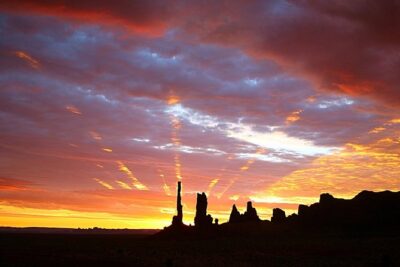
Sunset turns Monument Valley into living sculpture. This tour is interesting because a Navajo guide leads you off the standard routes, then times the stops so the views land at their best, plus you get real cultural moments like a rug weaving demonstration and live performances. My favorite parts are the backcountry access and the way the tour connects the scenery to Navajo life. One thing to consider up front: the ride is bumpy and dusty, so plan for an uncomfortable few stretches, not a smooth drive.
You’re paying for more than viewpoints. Yes, you can see a lot from the road, but this experience gets you to spots you would not be able to reach on your own, and it slows down just enough for photos at each stop. It runs about 3 hours and caps at 45 travelers, so you get a real guide conversation rather than a fast pass through the park.
In This Review
- Key Things You’ll Remember
- Sunset Tour Value: What You’re Really Buying for $85
- Where You Start, and Why Those Pickup Details Matter
- The 3-Hour Flow: How the Ride and Stops Usually Work
- Stop 1 at Monument Valley Navajo Tribal Park and Mitten View
- John Ford’s Point and Three Sister’s Monument
- Hogan Visit and Navajo Rug Weaving Demonstration
- Moccasin Arch, Big Hogan Arch, and Live Performance
- Sun’s Eye and Anasazi Petroglyphs or Ruins
- Totem Pole Monument and North Window or Artist’s Point
- What the Ride Feels Like, and What to Pack
- Music, Meaning, and the Role of the Guide
- Price and Extras: The Real Cost After Fees
- Who This Tour Suits Best (And Who Might Skip It)
- Should You Book the Sunset Tour?
- FAQ
- How long is the Sunset Tour of Monument Valley?
- What is the price per person?
- What does the tour include?
- Is the Tribal Park admission fee included?
- Is bottled water included?
- Where does the tour start and end?
- What should I know about weather and cancellations?
Key Things You’ll Remember
- Backcountry access with a Navajo guide to places most people do not reach on their own
- Rug weaving demonstration and hands-on cultural storytelling
- Live music and blessings at scenic stops, often with flute and drum
- Photo-friendly timing at key viewpoints for dramatic sunset light
- Multiple photo stops with short exploration windows (about 5 to 10 minutes each)
Sunset Tour Value: What You’re Really Buying for $85
At $85 per person, this tour costs more than a self-drive. The best way to think about the price is that you are paying for three things you cannot easily replicate: access, interpretation, and timing.
First is access. The tour heads into the backcountry, and that matters because Monument Valley is not just big scenery, it is a set of formations, viewpoints, and cultural landmarks that you see differently depending on where you stand and how close you get. A guide knows which areas are possible, and you do not waste time second-guessing roads or guessing which pullouts are worth the effort.
Second is interpretation. The guide brings cultural context, and the stops are paired with demonstrations and performances, not just landmark names. In several guide-led experiences described here, music shows up more than once, including flute and drum, plus blessings sung or played during stops at hogan and arch areas.
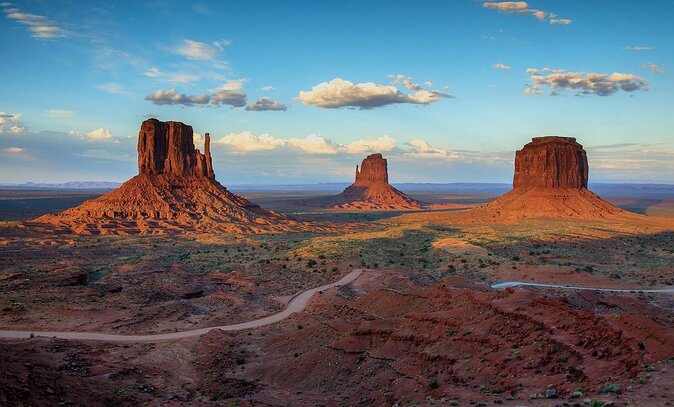
Third is timing. Sunset is the headline, but the tour also uses the light to create shape and shadow. In mid September and March, one guide example highlights the chance to catch the shadows playing between the west mitten and east mitten. You cannot guarantee perfect timing on every date, but a guided route focused on sunset makes the odds better than wandering randomly.
Where You Start, and Why Those Pickup Details Matter
This tour starts and ends at The View Hotel at Indian Route 42 in Oljato-Monument Valley. If you are staying near there, that is simple, because you meet at the guide loading area outside the front.
If you are an overnight guest at KOA, pickup can apply, but it is only for KOA customers, and you must call for the departure time. That is the kind of small detail that can wreck a trip if you miss it, so if you are at KOA, confirm your timing before you assume anything.
The tour uses a mobile ticket, and you get confirmation at booking. It is offered in English, and service animals are allowed. Group size is capped at a maximum of 45 travelers, which keeps things manageable for a sunset schedule.
Evening Experiences we have also been through in Monument Valley
The 3-Hour Flow: How the Ride and Stops Usually Work
Expect about 3 hours total, and plan around the sunset window. The day is paced with multiple scenic stops, and at each one you get roughly 5 to 10 minutes to look around and take photos.
That short exploration time is actually part of the value. Monument Valley changes quickly as light fades. If you spend too long at one viewpoint, you miss the next angle. This tour keeps you moving, but not so fast that you feel rushed through everything.
One practical reality: there are bumpy roads and dust, and you will be outside at points. Several people specifically call out that the ride can feel rough at first. If you hate jostling or you are sensitive to dust, it helps to approach this as an off-road adventure, not a comfort tour.
Stop 1 at Monument Valley Navajo Tribal Park and Mitten View
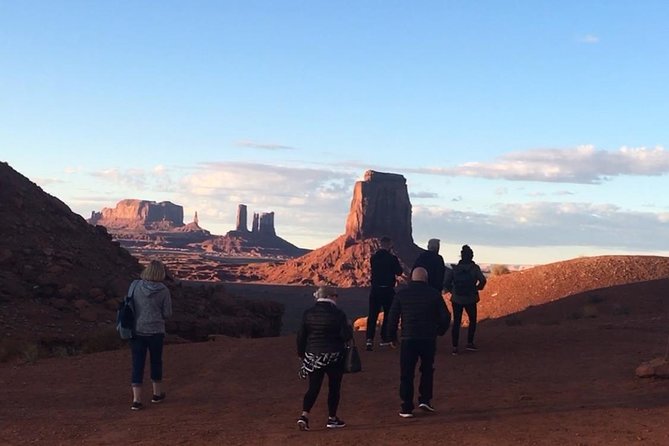
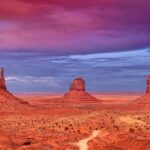
Your first stop is at Monument Valley Navajo Tribal Park, followed by West and East Mitten View. This is where you get oriented fast. The mittens are iconic for a reason: the forms read well even from a distance, and at sunset they gain texture as the light shifts.
What I like about starting here is that it sets expectations for the rest of the route. Once you understand how the mittens silhouette against the sky, the later arches and windows make more sense. You also get early photo practice, which helps because the rest of the tour keeps your schedule tight.
The main consideration at this stage is comfort. Some days start warmer and end cooler, and you are often sitting while the vehicle moves between stops. Bring a layer for temperature swing, and think about wind and sun exposure when choosing what to wear.
John Ford’s Point and Three Sister’s Monument
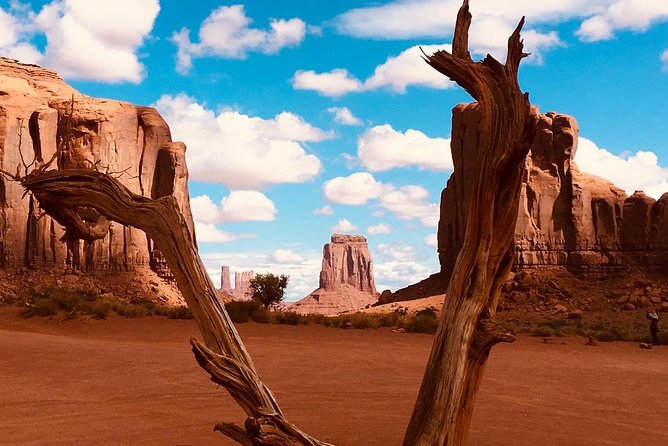
Next up is John Ford’s Point and Three Sisters’ Monument. If you have seen Monument Valley in films or photos, this area probably looks familiar. John Ford’s Point is famous for how the formations frame the horizon, and the Three Sisters add another layer of symmetry and depth.
This is one of those stops where a good guide makes a difference because you are aiming for specific sightlines. In examples shared from this tour, guides are also active about photo setups, helping passengers get panoramic angles without you struggling to figure out the best spot while everyone else crowds behind you.
The drawback is the same as elsewhere in the tour: you need to step out, look, and shoot quickly. With only about 5 to 10 minutes, you cannot treat each stop like a long hike.
Hogan Visit and Navajo Rug Weaving Demonstration
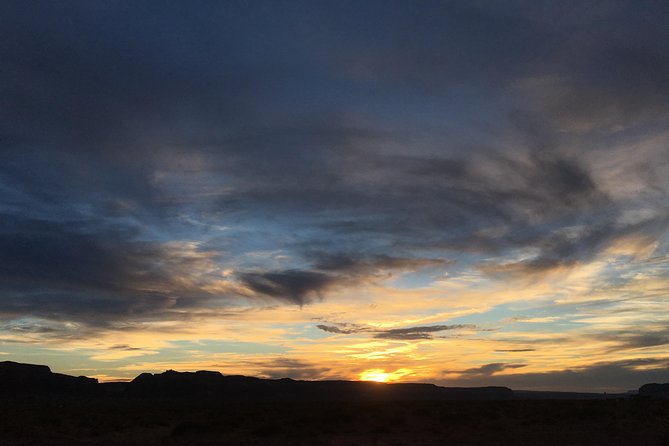
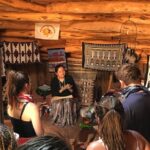
One of the most meaningful stops is the Navajo Hogan visit plus a Navajo rug weaving demonstration. This is not just a show. It is a way to connect the land to daily life, creativity, and family tradition.
Why I value this stop: it shifts the tour from scenery appreciation to human context. You are not only learning what to look at, you are learning how people live with and interpret their environment. In the examples here, guides also layer in music, including flute, and sometimes blessings that add an emotional tone to the moment.
If you care about culture, this is the portion you should pay the most attention to. Even if you are not a craft person, the weaving demonstration helps you understand why certain designs and materials matter. It also gives your eyes a break from the constant red rock glare.
Other Monument Valley and Navajo Country we have written up across Monument Valley

Moccasin Arch, Big Hogan Arch, and Live Performance
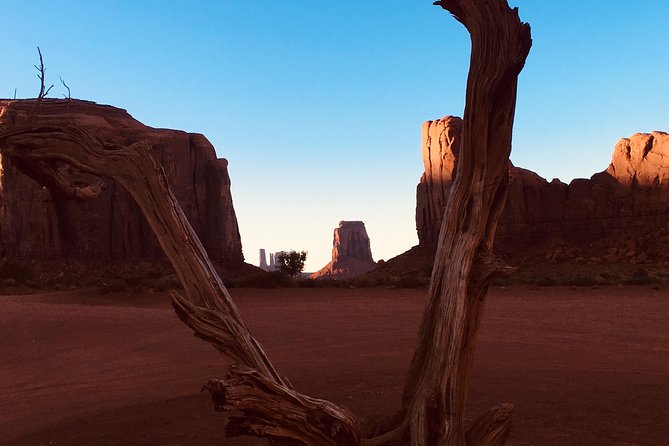
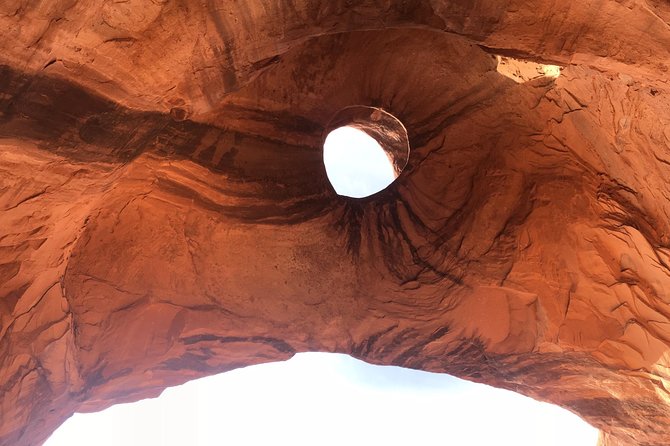
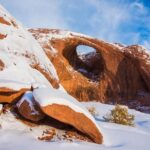
After the hogan, the tour heads to Moccasin Arch and Big Hogan Arch, followed by a live performance. Arches in Monument Valley can look like just another rock formation until the light and shadows hit them. Then you see why they are meaningful and why guides keep returning to these angles.
This stop is also where music tends to peak. In guide-led experiences described, the flute and hand drum show up here, with singing or blessing-style performances that fit the canyon acoustics.
A practical note: this part can be the most visually dramatic, but it is also the place where you might feel the dust and uneven ground. Wear footwear you trust and bring a head covering if you tend to get bothered by grit in your eyes.
Sun’s Eye and Anasazi Petroglyphs or Ruins
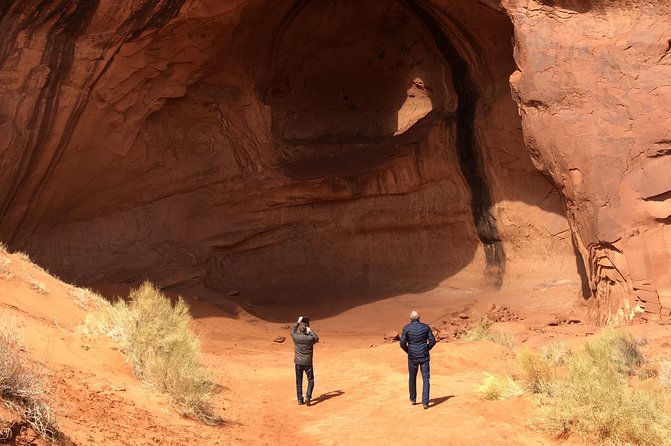
Next comes Sun’s Eye plus Anasazi petroglyphs and ruins. This is where the tour moves from Monument Valley’s famous modern shape to older evidence of human presence. Petroglyphs and ruin areas can be very sensitive to how they are approached, so having a guide matters for both access and respectful viewing.
Why this stop is worth it: it adds time depth. You see that the land is not just a stage for sunset photos, it is a long-term home and storytelling place. If you like geology and also like human history, this is the point where both interests meet.
The downside is simple: the light can be harsh, and you will need to keep an eye on where you place your feet. Use your minutes well, and if you struggle to hear, get closer to the guide during explanations.
Totem Pole Monument and North Window or Artist’s Point
Your later stops include Totem Pole Monument and then North Window or Artist’s Point. Totem Pole Monument delivers tall, narrow silhouette energy, a different look from the broader mittens. Then North Window or Artist’s Point is your closer. This is typically where you want the final light to do its best work.
The benefit of ending with these viewpoints is that you get a clean visual climax. As the sun drops, the rock edges sharpen. The longer you wait into deep sunset without a plan, the more likely you are to end up with weak light for photos. A guided route helps keep the last stops aligned with fading daylight.
From a photo standpoint, this is the moment to slow down. You might want a second round of pictures, especially if the first round got crowded or if you changed your settings earlier.
What the Ride Feels Like, and What to Pack
Here’s the honest part of planning: the ride can be rough. People specifically note the bumpy nature of the trails and recommend coming prepared for dust. If you do not love being shaken around, plan for that.
Practical items that repeatedly help:
- Bring plenty of water, since bottled water is not included
- Wear sun glasses and a head cover for glare and wind
- Use a scarf, bandana, or mask if dust bothers you
- Dress in layers for temperature changes as the sun drops
- If you are sensitive to comfort, consider bringing a small cushion or pillow for the ride
Also, a camera is worth it. The tour is built around short stops and changing light, so you will want to capture quick compositions, not just one long view from a single spot.
Music, Meaning, and the Role of the Guide
A huge reason this tour earns such strong ratings is the guide factor. Several named guides show up in experiences tied to this company, including Travis (sometimes described as Dark Sky), Larry, Jameson, and Jamieson. Across those experiences, the common thread is combining geology and place facts with Navajo culture, plus music at select stops.
In some described moments, guides play flute and drum, and you might hear blessing-style performances timed to being in or near canyon spaces. That is not just entertainment. It changes the pace of how you look at the formations. When the sound echoes and the light shifts, the land feels less like a photo backdrop and more like a living place people understand through story.
If you want your trip to feel personal, this kind of guide-led structure helps. You also tend to get better photo angles because the guide can point out where to stand.
Price and Extras: The Real Cost After Fees
The base price is $85 per person, and then there are add-ons you should budget for.
The biggest one is Tribal Park admission, which is $8 per person. Payment can be by check or credit card, and it is not included in the tour price. That means your all-in number is higher than the headline, but you should see it as part of keeping the tour inside an organized area.
Bottled water is also not included. You may be fine if you bring your own, but if you rely on buying water last minute, you could get stressed.
So is it worth it? If you want simple sunset photos from the public road, a self-drive can be enough. But if you want backcountry access, short, well-timed photo stops, and culture moments with music and demonstrations, the value starts to make sense. This tour is priced for people who want a guided story, not just a view.
Who This Tour Suits Best (And Who Might Skip It)
This is a great fit if you:
- Care about learning what you are seeing, not just where the viewpoints are
- Want backcountry access and don’t want to figure out roads alone
- Enjoy cultural moments like weaving demonstrations and live performances
- Can handle bumpy rides and short stops
You might consider a different option if you:
- Want maximum comfort and smooth driving
- Are very sensitive to dust or shaky vehicles
- Prefer to spend longer at just one viewpoint rather than moving through many stops
This tour works especially well for first-time Monument Valley visitors who want a complete arc: iconic mittens, arches and windows, and then a cultural component that gives the scenery context.
Should You Book the Sunset Tour?
If your ideal Monument Valley day is sunset light plus a guided route that reaches beyond the standard viewpoints, I’d book this. The best reason is the blend of access and culture, especially the Navajo guide-led stops with weaving and performances.
If you are the type who hates rough roads, go in with eyes open and pack for dust and comfort. Also budget for the $8 tribal park admission and bring water, because those small costs are part of the real picture.
In short, book it when you want the story behind the scenery, not just the scenery.
FAQ
How long is the Sunset Tour of Monument Valley?
The tour runs for about 3 hours.
What is the price per person?
The price is $85.00 per person.
What does the tour include?
It includes a certified Navajo guide and pick-up and drop-off at View Hotel (outside in front of the hotel at the guide loading area). KOA campground pick-up and drop-off is available for overnight guests only.
Is the Tribal Park admission fee included?
No. Tribal Park admission is $8 per person and is paid on site (check or credit card).
Is bottled water included?
No, bottled water is not included.
Where does the tour start and end?
It starts at The View Hotel (Indian Rte 42, Oljato-Monument Valley, UT 84536) and ends back at the same meeting point.
What should I know about weather and cancellations?
The tour requires good weather. If it is canceled due to poor weather, you are offered a different date or a full refund. Free cancellation is available up to 24 hours in advance for a full refund.
Elsewhere under Evening Experiences in Monument Valley
- 3.0 Hours of Monument Valley’s Sunrise or Sunset 4×4 Tour★ 5.0 · 811 reviews
Tours: the rest of the Monument Valley file
- 3 Hour Monument Valley Tour★ 5.0 · 1,616 reviews
- 2.5 Hours of Monument Valley’s Backcountry 4×4 Tour★ 5.0 · 1,550 reviews
- 3.0 Hours of Monument Valley’s Sunrise or Sunset 4×4 Tour★ 5.0 · 811 reviews
- Monument Valley Extended Backcountry Tour★ 5.0 · 720 reviews
- Monument Valley Backcountry Tour★ 5.0 · 645 reviews
Tour Reviews: more from our Monument Valley desk
- 3 Hour Monument Valley Tour★ 5.0 · 1,616 reviews
- 2.5 Hours of Monument Valley’s Backcountry 4×4 Tour★ 5.0 · 1,550 reviews
- 3.0 Hours of Monument Valley’s Sunrise or Sunset 4×4 Tour★ 5.0 · 811 reviews
- Monument Valley Extended Backcountry Tour★ 5.0 · 720 reviews
- Monument Valley Backcountry Tour★ 5.0 · 645 reviews
Newest Monument Valley reviews added to this site
- 1.5 Hour Tour of Monument Valley’s Loop Drive
★ 5.0 · 400 reviews - 2 Hour Monument Valley Horseback Tour
★ 4.5 · 458 reviews - Monument Valley Group Tour – 3 Hours – Navajo Spirit Tours
★ 5.0 · 636 reviews - Monument Valley Backcountry Tour
★ 5.0 · 645 reviews - Monument Valley Extended Backcountry Tour
★ 5.0 · 720 reviews - Sunset Tour of Monument Valley
★ 5.0 · 742 reviews - 3.0 Hours of Monument Valley’s Sunrise or Sunset 4×4 Tour
★ 5.0 · 811 reviews - 3 Hour Monument Valley Tour
★ 5.0 · 1,616 reviews
Monument Valley and Navajo Country, side by side.
 ★ 4.7Page: Lower Antelope Canyon Entry and Navajo Guided TourFrom $787,801 reviews
 ★ 4.7Page: Lower Antelope Canyon Tour with Trained Navajo GuideFrom $752,552 reviews
 ★ 4.8Monument Valley: Backcountry Jeep Tour with Navajo GuideFrom $801,794 reviews
 ★ 5.03 Hour Monument Valley TourFrom $601,616 reviews
 ★ 5.02.5 Hours of Monument Valley’s Backcountry 4×4 TourFrom $751,550 reviews
 ★ 4.8Monument Valley: Sunset Tour with Navajo GuideFrom $921,467 reviews
 ★ 4.7Page: Lower Antelope Canyon Walking Tour with Navajo GuideFrom $761,289 reviews
 ★ 5.03.0 Hours of Monument Valley’s Sunrise or Sunset 4×4 TourFrom $85811 reviews
This one is also listed in