

Review · WASHINGTON DC MONUMENTS AND MEMORIALS
Washington DC: Monuments and Memorials Bike Tour
Two wheels make the Mall feel closer. This guided Washington DC monuments bike tour moves you efficiently between major memorials while your guide adds the stories behind what you’re seeing. I like that it’s family-friendly and designed for a flat, easy ride, and I also like that you get a mix of photos, short guided stops, and time to walk around each memorial.
The only real drawback is simple: in just 3 hours, you’ll cover a lot of ground. If you want long, slow hangs at each site, you may need to plan extra time on your own after the tour.
In This Review
- Key points
- Why This 3-Hour Monuments and Memorials Bike Tour Feels Like the Right DC First Move
- Meeting at the Wharf DC, Getting Setup, and Rolling With Confidence
- Cannondale Comfort Bikes: What the Ride Feels Like on the National Mall
- Jefferson Memorial Stop: A Photo Moment That Actually Has Context
- Martin Luther King Jr. Memorial and the Korean War Veterans Memorial: Two Different Kinds of Meaning
- Lincoln Memorial: Where the Guide Helps You See More Than the Postcard
- Vietnam Veterans Memorial and World War II Memorial: Two Stops That Deserve Your Full Attention
- Washington Monument Area and the Smithsonian Castle Finish: A Strong Sense of DC Scale
- The Real Value of $65: What You’re Paying For (and What You’re Not)
- Guides and Pacing: Why This Tour Gets Such Strong Ratings
- Who This Tour Fits Best, and Who Might Skip It
- Should You Book the Washington DC Monuments and Memorials Bike Tour?
Key points
- Flat, easy route: about 4 miles, rated easy, with mostly simple terrain
- Big-name memorials, not a bus loop: you roll past presidential and war memorials up close
- Guide-led stops with time to wander: quick history then a chance to look around
- Cannondale comfort bikes plus mandatory helmets: comfort focus and clear safety rules
- Works well for families: toddler trailers and tag-a-longs are available for rent
Why This 3-Hour Monuments and Memorials Bike Tour Feels Like the Right DC First Move

Washington DC can be great and exhausting at the same time. This tour is built for the sweet spot where you want big sights, real context, and not a whole day on foot. You cover the National Mall area and the Potomac Tidal Basin area, with stops centered on presidential and war memorials.
I love that it’s structured but not rushed in your face. The stops include photo moments and guided explanations, but you’re also given time to get off the bike and explore. That balance shows up again and again in how guests describe the tour, especially when guides are praised for pacing and making sure everyone stays safe.
One more reason I like it: you’re on a bike, so “walking time between stops” stops being the whole story. Reviews repeatedly point out that a bike gets you to monuments you would otherwise spend too long just trying to reach.
Meeting at the Wharf DC, Getting Setup, and Rolling With Confidence
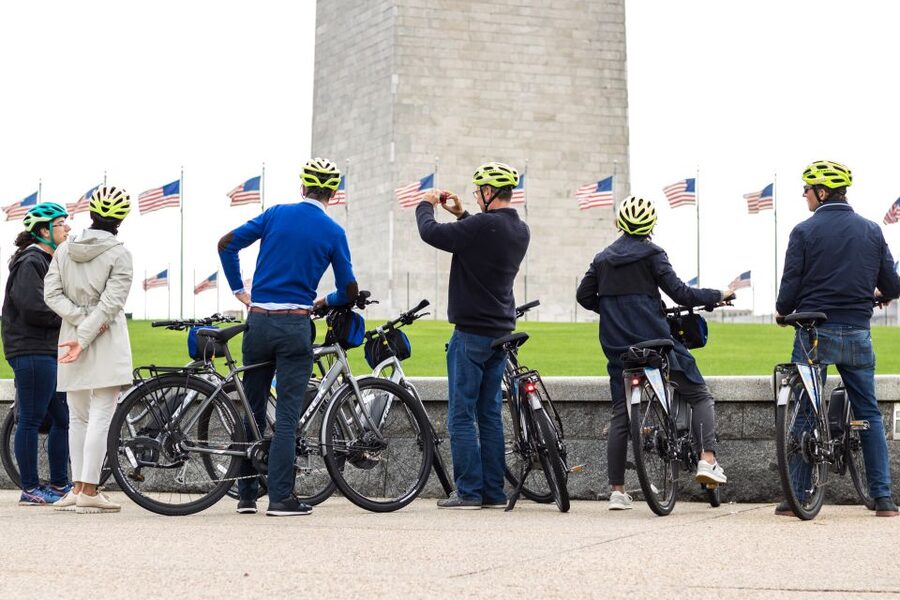
You meet at 801 D St NW, right by the US Navy Memorial Plaza. That location is convenient because it puts you close to the action without having to fight for parking or coordinate a complicated pickup. From there, your experience is straightforward: you check in, get fitted with a bike and helmet, then you roll.
Helmets are mandatory, so if you’re traveling with kids, this is one less thing for you to manage on the spot. Bikes are described as Cannondale comfort bikes, and multiple reviews mention that the bikes are ready for the ride and generally comfortable for a short DC tour.
Before you start, do a quick personal check like you would anywhere you rent a bike. A couple of reviews note minor brake or shifting issues on some bikes, so a fast pre-ride test (brakes, gears, handlebar feel) helps you enjoy the ride without surprises.
Not settled on one yet? These are other Washington Dc trips our reviewers have been through.


Cannondale Comfort Bikes: What the Ride Feels Like on the National Mall
This is rated easy and covers approximately 4 miles of flat terrain. That matters more than it sounds. The National Mall and the Tidal Basin area can feel huge when you’re walking, but flat routes make biking feel manageable, even for families.
I also like that you don’t need to think too hard about fitness. The route is designed for easy rolling, and several reviews specifically say there’s no need for e-bikes because of the flat, largely traffic-free feel.
If you’re traveling with kids, plan around the bike fit first. Toddler trailers and tag-a-longs are available for rent, which is a big deal if your child isn’t ready for full pedaling. And since sandals or flip flops are not allowed, you’ll want normal closed shoes for everyone.
Jefferson Memorial Stop: A Photo Moment That Actually Has Context

The tour’s route is structured like a flowing walk through themes. You begin at major memorials along the way, starting with the Thomas Jefferson Memorial. Expect a photo stop plus a short guided explanation, then a chance to look around at your own pace.
What makes this stop work on a bike tour is timing. A memorial like Jefferson’s is visually impressive, but it also benefits from a guide who can connect what you’re seeing to why it matters. Guests mention guides pointing out details and keeping the ride moving at a steady, comfortable pace, which turns this from a quick “look and go” moment into something you actually remember.
If you want to take photos, this is a good place to set your strategy. After the guided talk, you’ll have a little window to move around and frame shots without the stress of everyone needing to sprint to the next stop.
Martin Luther King Jr. Memorial and the Korean War Veterans Memorial: Two Different Kinds of Meaning

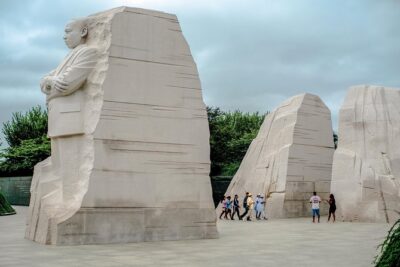
Next you ride to the Martin Luther King Jr. Memorial for a photo stop and guided walk, then you move onward to the Korean War Veterans Memorial. These stops share a similar structure in the experience, but they carry very different emotional weight.
On a bike tour, it’s easy to feel like you’re collecting stops. The guide structure helps prevent that. People praise guides for being clear and fun while still sharing solid background, and that combination matters here. You want your head in the stories, not just your legs on the pedals.
The Korean War Veterans Memorial also benefits from the guided approach because it’s the kind of place where details matter. You’ll get that nudge from the guide, and then you can slow down enough to notice what’s around you.
If you’re visiting as a family, this stretch is often where kids start asking questions. MLK’s memorial is well known, and the Korean War memorial gives a chance to connect big-world events to real commemorations you can stand in front of.
Lincoln Memorial: Where the Guide Helps You See More Than the Postcard

The Lincoln Memorial is one of those DC landmarks people think they know already. On this tour, it’s handled as a real stop, with a guided explanation and a chance to walk around and explore.
Here’s what I think makes this stop a smart bike tour inclusion: you can stay more present. On foot, you might rush because you’re trying to beat distances. By bike, you arrive with energy left for looking, and you’re not stuck staring at your phone while you search for the best angle.
Reviews also mention guides making sure they take photos and giving enough time to explore. That matters at Lincoln, where people naturally want pictures but also want a moment of quiet before moving on.
Additional Washington DC Monuments and Memorials on the review pile in Washington Dc




Vietnam Veterans Memorial and World War II Memorial: Two Stops That Deserve Your Full Attention
Then the route heads to the Vietnam Veterans Memorial and on to the World War II Memorial. This part of the ride is where the tour turns from sightseeing into something more reflective.
The key is pacing. The tour is designed so you don’t just roll by monuments with no connection. You’ll have guided context, then time to walk around. That combination helps you slow down enough to absorb the memorials without feeling like you’re stuck for hours.
A practical tip for this stretch: bring a small calm mindset. Even if you’re traveling with kids, you might find this is where the group energy shifts from photo mode to listening mode. If you plan for that, it’s a better experience for everyone.
Also keep in mind how families handle sensitive history. Some kids will be curious and ask questions, while others might get tired fast. The bike format lets you move on efficiently once the time at each stop is done, which can be easier than trying to manage long walking-only segments.
Washington Monument Area and the Smithsonian Castle Finish: A Strong Sense of DC Scale

After the war memorials, you ride toward the Washington Monument area. You’ll get another photo stop with guidance, then you continue toward the Smithsonian Castle area to round out the experience before returning to the start point.
This ending is satisfying because it gives you scale. You’ve been reading the stories of presidents and wars, and then you reach the monument that often becomes the visual shorthand for DC itself. Finishing near the Smithsonian area also makes sense if you want to keep exploring after the tour, because it keeps you in the heart of the action.
Some riders love the tour because it hits the biggest “I need to see that” moments without turning the day into a long slog. Finishing with Washington Monument and Smithsonian Castle gives you a clear launching pad for whatever you choose next, whether that’s more museum time or a simple coffee and rest.
The Real Value of $65: What You’re Paying For (and What You’re Not)

At $65 per person for a 3-hour guided ride, the price is mostly about three things: the guide, the bike, and the helmet. Since bike rental and helmet are included, you’re not paying separately for basic gear, and you’re getting a plan for when to stop, look, and move on.
I think this is strong value because the tour covers multiple major memorials in a way that’s hard to replicate on your own in the same time window. You’re not just moving between stops; you’re also getting guided explanations that help make each site more than a photo.
If you’re comparing alternatives, the main question is energy. A bike tour can cost more than a simple walk, but it also reduces the time you spend moving instead of seeing. Reviews repeatedly highlight that biking saves time between monuments, while still giving enough stop time to explore.
One more value point: you’re riding comfort bikes with a route designed for easy terrain. That lowers the mental load of figuring out logistics, bike fitness, and “how far is too far.”
Guides and Pacing: Why This Tour Gets Such Strong Ratings
What really lifts this tour above a basic sightseeing ride is the guide experience. Across many named guides, the common themes are safety, clear info, and a fun tone that keeps the group moving.
You’ll see praise for guides like Jose, Mark, Bianca, Greg, Marcus, Mackenzie, Wally, Noah, Benham, Joe, Claire, Eric, Kirby, Paula, and Tujon. While each guide has their own style, the consistent message is that they manage the ride well and add useful details at the stops.
If you want a practical takeaway, it’s this: the best part of a guided tour is not the big facts. It’s the small decisions, like where the guide times stops, how they handle the group, and how they make sure you can take photos without losing track of the story.
Some reviews mention the bikes are in good shape but may be used, and a few note minor mechanical issues. That’s the kind of thing you can handle by doing a quick bike check before you roll. Most praise still points to safety and good equipment for a short DC route.
Who This Tour Fits Best, and Who Might Skip It
This is family-friendly, and reviews mention it working well for a range of ages. If you have kids old enough to bike, this is a fun way to keep everyone engaged. If you’re traveling with younger kids, toddler trailers and tag-a-longs are available for rent, which can make the whole experience doable instead of frustrating.
It’s also a good choice if you want an efficient introduction to the National Mall and major memorials without spending your whole day walking. The flat terrain and easy rating help a lot.
Not everything fits everyone. The tour is listed as not suitable for pregnant women. Also, if you’re someone who needs long, quiet time at each memorial, the 3-hour format may feel a bit tight. In that case, you might treat this as your “orientation tour” and then go back later on your own for deeper lingering.
Should You Book the Washington DC Monuments and Memorials Bike Tour?
Book it if you want to get your bearings fast in Washington DC and see major memorials without burning your legs on distances. The combination of guided context, a flat route of about 4 miles, and included bike rental and helmet makes this a practical, value-heavy way to do the National Mall.
I’d also recommend it if you’re traveling as a family and want a structured activity that doesn’t feel like a long lecture. Multiple named guides are praised for being clear, helpful, and fun, which is exactly what you want when kids are part of the group.
Skip it if you know you need long time at each site or you’re looking for a slower, more museum-like pace. And if your travel situation falls under the not-suitable-for-pregnancy note, choose another plan that fits your needs better.
If the weather looks rough, keep an eye on conditions, since tours may be canceled if riding is unsafe. If rescheduling isn’t possible, you should expect a full credit or refund based on the tour rules.
Overall, this is one of those tours where the format actually helps the sights land. You move through DC efficiently, you get real stories at the memorials, and you end with the Mall still feeling big in your mind, not just on your feet.
Tours: the rest of the Washington Dc file
- DC Memorials Night Tour: Glass-Roof Convertible Upgrade Option★ 4.5 · 6,933 reviews
- National Mall Monuments Night Tour with 10+ Stops, Entry Tickets★ 4.5 · 4,863 reviews
- Washington DC Monuments by Moonlight Tour by Trolley★ 4.5 · 3,956 reviews
- Hop-on Hop-off Sightseeing Tour by Open-top Bus with 18 Stops★ 3.5 · 3,848 reviews
- Washington DC in One Day: Guided Sightseeing Tour★ 4.5 · 3,360 reviews
Tour Reviews: more from our Washington Dc desk
- DC Memorials Night Tour: Glass-Roof Convertible Upgrade Option★ 4.5 · 6,933 reviews
- National Mall Monuments Night Tour with 10+ Stops, Entry Tickets★ 4.5 · 4,863 reviews
- Washington DC Monuments by Moonlight Tour by Trolley★ 4.5 · 3,956 reviews
- Hop-on Hop-off Sightseeing Tour by Open-top Bus with 18 Stops★ 3.5 · 3,848 reviews
- Washington DC in One Day: Guided Sightseeing Tour★ 4.5 · 3,360 reviews
Newest Washington Dc reviews added to this site
- Washington DC: Sightseeing Tour with Potomac River Cruise
★ 4.7 · 311 reviews - Washington, DC: African American History Tour & Museum Entry
★ 4.9 · 312 reviews - Washington DC: National Mall Night Bus Tour
★ 4.6 · 313 reviews - Historic Georgetown: History, Gossip, & Architecture Walking Tour
★ 5.0 · 321 reviews - Private Night-Time Monuments Tour of DC for up to 10 Guests
★ 5.0 · 326 reviews - National Mall Tour with 10 Stops & U.S. Capitol or Museum Entry
★ 4.5 · 331 reviews - George Washington’s Mount Vernon Gardens & Grounds Admission
★ 4.5 · 340 reviews - Ghosts of D.C. – Walking Tour
★ 4.5 · 344 reviews - Hop-On Hop-Off 21 Stop Trolley Tour + Arlington Cemetery Tour
★ 4.0 · 369 reviews - Gastronomic Georgetown Walking Food Tour
★ 4.5 · 373 reviews
Washington DC Monuments and Memorials
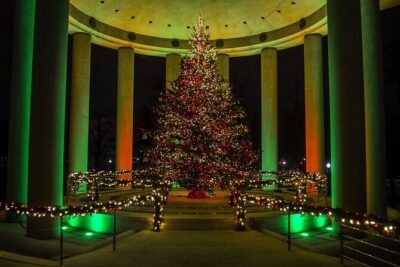 ★ 4.5National Mall Monuments Night Tour with 10+ Stops, Entry TicketsFrom $654,863 reviews
 ★ 4.5Washington DC Monuments by Moonlight Tour by TrolleyFrom $483,956 reviews
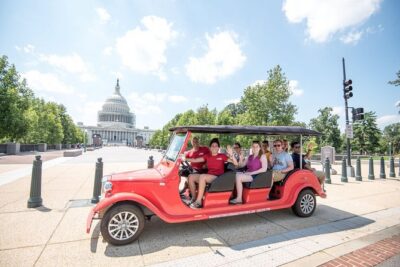 ★ 5.0DC Monuments and Capitol Hill Tour by Electric CartFrom $552,841 reviews
 ★ 5.0Arlington National Cemetery Walking Tour & Changing of the GuardsFrom $552,566 reviews
 ★ 4.5VIP Best of DC with US Capitol + National Archives Reserved EntryFrom $1292,491 reviews
 ★ 4.5National Mall Night Tour with 10+ Monuments (Public or Private)From $682,207 reviews
 ★ 5.0Small-Group Guided Tour inside US Capitol & Library of CongressFrom $671,869 reviews
 ★ 5.0Small Group National Mall Night Tour with 10 Top AttractionsFrom $991,658 reviews
This one is also listed in