
Review · BIG ISLAND VOLCANOES AND KONA
Big Island: Pelagic Whale Watch Tour
Whales show up when you chase smarter, not longer. This Kona pelagic whale watch mixes near-shore and offshore searching, with a naturalist on board and open water views.
Honokohau Harbor is the launch point, and the crew can push into the pelagic zone when conditions allow.
What I love about this outing is the mix of marine-wildlife potential and how much you learn while you scan the water. You are not just sitting there hoping, you are getting guided spotting help, plus the chance at both common dolphins and rarer deep-water species. I also like that the boat is set up for viewing, with lots of seating and a layout that keeps sightlines open.
One thing to plan for: wildlife watching is not a vending machine. Some days you may get dolphins without whales, or whales without dolphins, and the ocean can be choppy enough to matter if you are prone to motion sickness.
In This Review
- Key things that make this tour work
- Why Kona’s pelagic search beats the usual whale hunt
- From Honokohau Harbor to your first wildlife scan
- Pelagic zone expansion: the deep-water surprises
- Naturalist spotting and names you’ll hear on board
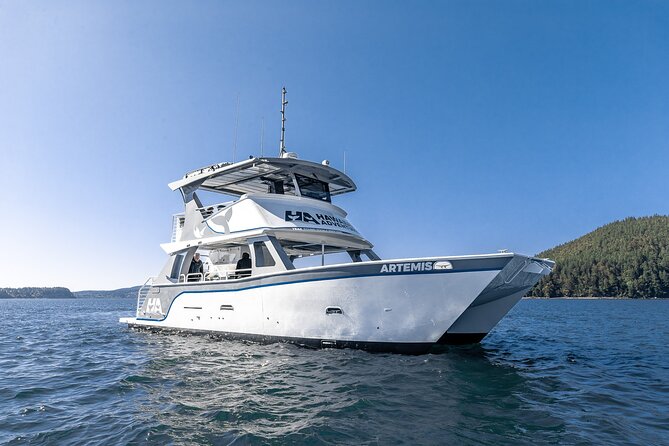
- Boat comfort: the 46-foot Artemis and motion reality
- Value at $129: what you’re paying for
- Who should book, and when should you go
- Should you book this Pelagic Whale Watch Tour?
- FAQ
- Where is the meeting point, and what time does the tour start?
- How long is the Pelagic Whale Watch Tour?
- Is hotel pickup included?
- Is it guaranteed that you will see whales and dolphins?
- Is this tour suitable for children?
- What if the weather is bad, or I need to cancel?
Key things that make this tour work
- Offshore-capable searching: US Coast Guard offshore certification means they can reach deeper pelagic waters, not just stay near the coast
- Naturalist-led spotting: you’ll hear behavior explanations and ID help from guides like Dennis, Olivia, and Andrew
- Comfort-focused boat design: the 46-foot catamaran Artemis is built for stability and whale viewing from more angles
- Fresh-water breaks, not dry cruising: soft drinks and bottled water are included
- A strong track record: 4.9 overall rating with 97% recommending, based on 557 reviews
Why Kona’s pelagic search beats the usual whale hunt
Kona is famous for marine life, but not all whale tours hunt the same way. What makes this one stand out is the option to go beyond near-shore waters and into the pelagic zone, which expands the odds for species that live farther offshore.
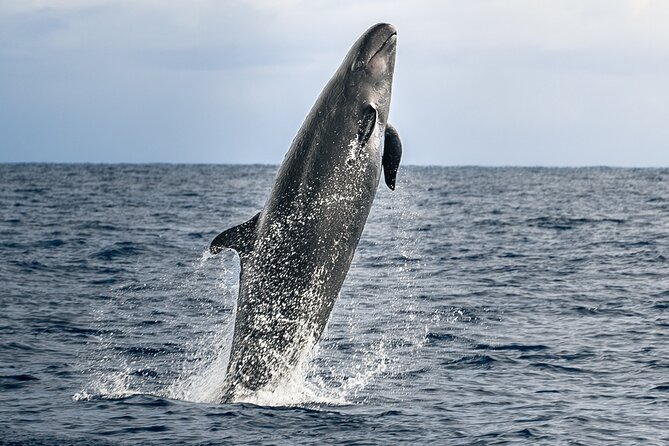
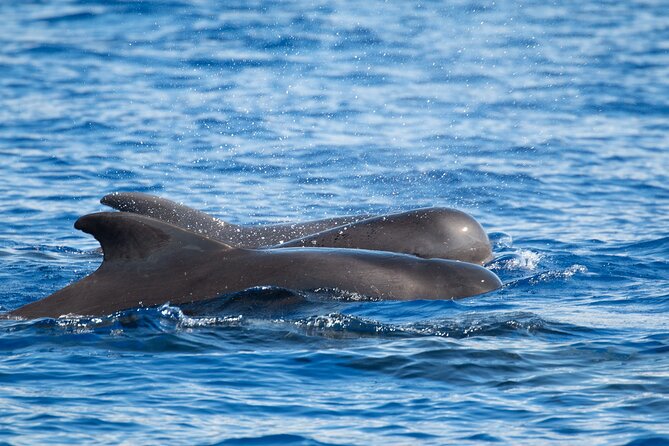
In plain terms, your trip has more “search time” and more water to cover. When the crew can range thousands of feet down into open ocean territory, you get a shot at animals you do not usually hear about on simple coastal tours. That can mean everything from pilot whales and beaked whales to sperm whales, plus spotted dolphins and whale sharks when conditions line up.
This is also a good value pattern for a half-day-ish activity. At $129 per person for a 3 to 4 hour trip, you are paying for more than boat time. You are paying for a captain and naturalist team who actively look, actively explain, and actively reposition when they find sign.
One more practical note: this tour tends to book up. It is booked on average about 37 days in advance, so if you are traveling in winter humpback season or on a tight schedule, I would plan earlier rather than later.
From Honokohau Harbor to your first wildlife scan
Your morning starts at 275 Kealakehe Pkwy in Kailua-Kona, with a start time of 8:30 am and the tour ending back at the meeting point. The departure happens out of Honokohau Harbor, which matters because it gives access to both near-shore and pelagic areas.
From there, your first phase is basically a “hunt with eyes.” The near-shore zone is where you have a real shot at the year-round cast that keeps many people coming back: spinner dolphins, bottlenose dolphins, and manta rays. You can also see flying fish and a wider mix of marine life depending on the day.
Seasonality still matters. In winter months, humpback whales are a key possibility in the near-shore region. If humpbacks are your big target, this is one of the reasons I like this format, because it keeps you in the right general area for both seasonal and year-round sightings.
A small drawback to accept up front: the morning can be busy with wildlife, or it can be quiet. One of the most honest pieces of advice I can give is to treat this as a guided wildlife search, not a guaranteed whale show. The crew can work hard and still get a rare “off day,” and they are upfront about the fact that the ocean does what it wants.
The rest of our Big Island Volcanoes and Kona notes for Big Island of Hawaii
Pelagic zone expansion: the deep-water surprises
Here is the best part of the pitch, and it is not just marketing words. The operator has US Coast Guard offshore certification, so they can reach the pelagic zone, where the search expands into deep open-ocean waters.
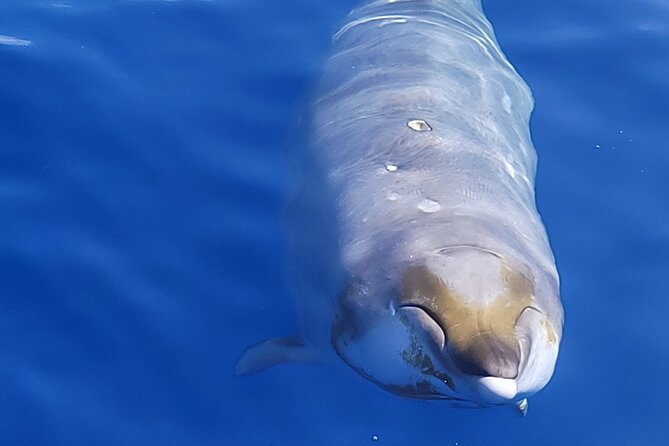
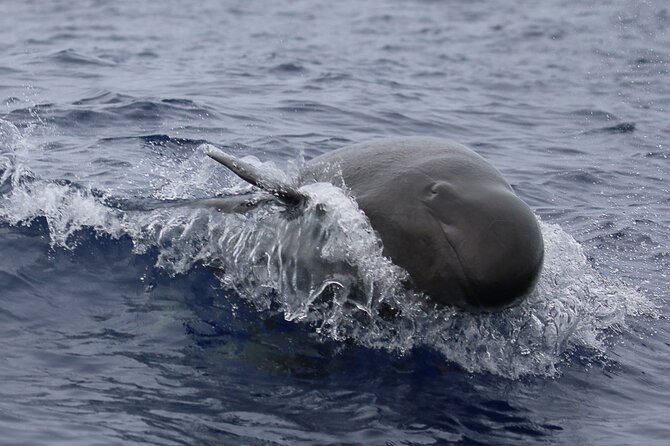
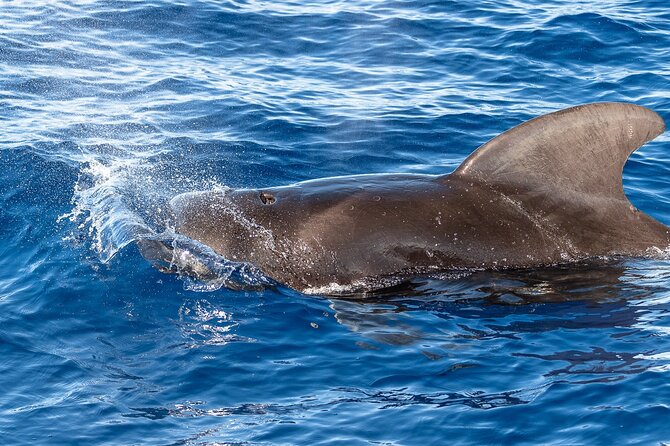
That matters because different animals use different water. When the crew can go offshore, you widen the menu of whales and dolphins they can encounter. Depending on the day and conditions, the pelagic search can include short-finned pilot whales, beaked whales, sperm whales, spotted dolphins, and even whale sharks.
Some of the most memorable moments in Kona tours come from unexpected species. In this case, you might hear the naturalist point out rare sightings and explain why a deep-water animal might show up. The onboard commentary is a big deal because it turns a distant silhouette into something you can actually understand: what you’re seeing, how it behaves, and how it fits into the ecosystem.
Also, the longer search range and extra time in this offshore-capable format are practical advantages. They mean you are not limited to one narrow coastal window. You get the sense that the day is actively managed based on what the sea is offering.
Downside to remember: offshore searching can also increase the chance of motion. Most mornings are calm compared to other destinations, but no one controls swell, and this type of trip still requires a realistic attitude about sea conditions.
Naturalist spotting and names you’ll hear on board
A whale watch is more fun when you can name what you are seeing. That is where this tour really hits. The best experiences center on the naturalist on board, the way they scan, and the way they explain what the animals are doing.
I like that multiple guides get singled out for making the learning stick. You may hear from people like Dennis, or you might be guided by Olivia and Andrew. The common theme is clear: they share behavior details and ID help, and they also keep safety and comfort in mind.
If you are the kind of person who wants more than just, “There it is,” you will appreciate how the crew talks about whale behavior and why certain actions happen. For example, you may learn specific terms and behaviors like breaching and chin slaps, and you’ll also get explanations tied to where the whales are relative to you and the coastline.
The guides also make the tour smarter when dolphins steal the show. Spinner dolphins can become the highlight thanks to bow-riding and active surface behavior, and the naturalist can help you understand why you are seeing those tight pods doing their own thing. In other words, even if whales are the headline, you are not stuck waiting for the headline act.
One more good detail: the crew is careful about wildlife viewing etiquette. There can be the occasional problem with people standing in ways that block sightlines, but the vessel’s open style and 360-degree viewing setup helps a lot.
Boat comfort: the 46-foot Artemis and motion reality
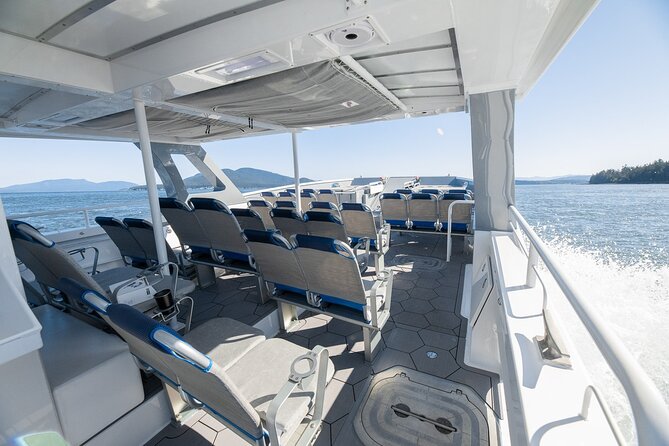
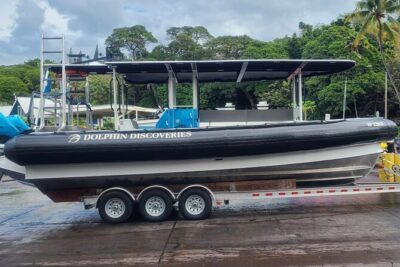
Let’s talk boat. This tour runs on a 46-foot catamaran called Artemis, and that matters for comfort. Catamarans tend to handle swell with less roll than single-hull boats, and the Artemis design is built for wildlife viewing from many angles.
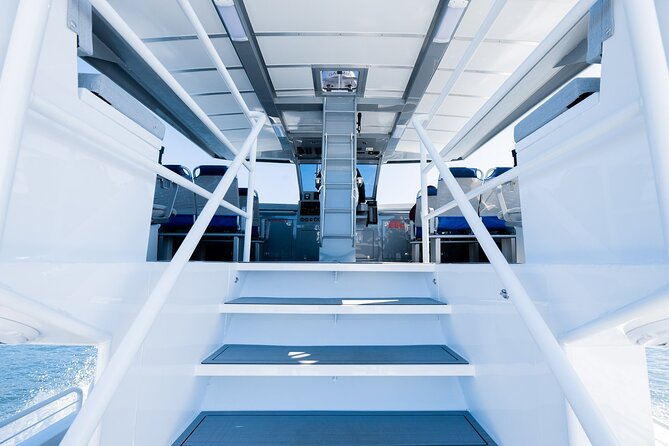
Onboard, you get padded seating and soft foam flooring, plus surround railings and hand holds. That is not just for comfort, it also helps when you are moving around to get your best view as wildlife changes position.
You also get shaded and full-sun areas, which is handy in Kona mornings when the sky can swing from mild to blazing. And the included drinks help you settle in without breaking the day budget. Soft drinks and bottled water are served, and if you want a no-fuss experience, that’s a win.
Now, the motion reality. Even with Kona’s generally calm reputation, some swells still happen. One of the clearest pieces of practical advice from past guests is to bring something for motion sickness if you are prone to it. If you hate rough water, this is the one variable you should respect.
If you want the cleanest experience, arrive early enough to get settled before you start scanning. And if you are sensitive to movement, plan for it rather than fighting it.
Value at $129: what you’re paying for
At $129 per person for a 3 to 4 hour trip, this is not the cheapest whale watch in Hawaii. So the question is value, and value here comes from three areas.
First, the searching style. Near-shore wildlife plus the option to go pelagic with offshore certification gives you more chances at more species. Second, the naturalist component. Paying for a guide who explains behavior and ID help makes a whale sighting feel bigger, not just rarer. Third, the comfort setup on the Artemis, plus the inclusion of cold drinks, keeps you from feeling like a spectator on a bare-bones ferry.
The proof point is the outcome pattern. The tour has an average rating of 4.9 with 97% recommending it, based on 557 ratings. That does not guarantee your personal sightings, but it does suggest the experience quality and crew performance are consistently strong.
Parking is another quiet value detail. One guest specifically mentioned free parking, which is the kind of practical thing that helps if you are renting a car and want an easy start.
If you are comparing tours, do not just compare the headline animals. Compare the search strategy, the interpretation on board, and the comfort setup. Those are the difference-makers when you are spending a half-day at sea.
The rest of our Whale Watching notes for Big Island of Hawaii
Who should book, and when should you go
This tour is a strong fit for adults and older kids, but it is not appropriate for children under age 10. Service animals are allowed, and the tour also lists near public transportation access, which can help if you are not driving.
Who should book it? If you want a morning activity that mixes whales with other marine life and you care about learning what you are seeing, you will likely enjoy this format. People also like it when they want variety, because dolphins, sharks, and rays can show up alongside whales depending on the day’s conditions.
If humpback whales are a priority, winter months are the time to aim for near-shore humpback opportunities. If you’re more of a “surprise me” traveler, Kona’s year-round diversity means you can get an exciting mix even outside humpback peak season.
Finally, book with a flexible mindset. The ocean does not sign contracts. But the crew does bring a plan: near-shore scouting first, then an offshore-capable push if conditions and opportunities line up.
Should you book this Pelagic Whale Watch Tour?
If you want a guided Kona whale watch that can go beyond the coast, this is a solid booking. The offshore-capable searching, the naturalist-led spotting, and the comfort setup on the Artemis are the reasons I would choose it over a basic near-shore only option.
I would only skip if your priority is 100% certainty of seeing whales and dolphins, or if you know you react badly to boat motion and you are not willing to take preventative steps. Otherwise, this is a great way to spend the morning on Big Island, learning the ecosystem as you scan for wildlife.
FAQ
Where is the meeting point, and what time does the tour start?
You meet at 275 Kealakehe Pkwy, Kailua-Kona, HI 96740, USA. The start time listed is 8:30 am, and the tour ends back at the meeting point.
How long is the Pelagic Whale Watch Tour?
The tour duration is about 3 to 4 hours.
Is hotel pickup included?
No. Hotel pickup and drop off are not included.
Is it guaranteed that you will see whales and dolphins?
No. Wildlife sightings are not guaranteed. The operator states that their guarantee invites you to join again for 50% off if you do not see whales or dolphins on your tour.
Is this tour suitable for children?
This tour is not appropriate for children under age 10.
What if the weather is bad, or I need to cancel?
The tour requires good weather. If it is canceled due to poor weather, you will be offered a different date or a full refund. You can cancel for a full refund up to 24 hours before the experience start time.
Big Island Volcanoes and Kona reviewed right across Big Island of Hawaii
- Big Island in a Day: Volcanoes Waterfalls Sightseeing and History★ 5.0 · 6,569 reviews
- Big Island Manta Ray Night Snorkel★ 5.0 · 5,656 reviews
- Big Island: Kona Manta Ray Snorkel Tour in Keauhou Harbor★ 4.5 · 2,465 reviews
- Hilo Shore Excursion: Volcanoes National Park & Black Sand Beach★ 4.5 · 2,338 reviews
- Big Island: Captain Cook Snorkel On A Power Catamaran With Lunch★ 5.0 · 2,232 reviews
Tours: the rest of the Big Island of Hawaii file
- Big Island: Kona Manta Ray Snorkel Tour in Keauhou Harbor★ 4.5 · 2,465 reviews
- Hilo Shore Excursion: Volcanoes National Park & Black Sand Beach★ 4.5 · 2,338 reviews
- Small Group Big Island Twilight Volcano and Stargazing Tour★ 5.0 · 1,619 reviews
- Big Island: Mauna Kea Summit and Stars Small-Group Adventure Tour★ 5.0 · 1,545 reviews
- Big Island: Mauna Kea Summit Tour with Free Night Star Photo★ 5.0 · 1,449 reviews
Tour Reviews: more from our Big Island of Hawaii desk
- Big Island in a Day: Volcanoes Waterfalls Sightseeing and History★ 5.0 · 6,569 reviews
- Big Island Manta Ray Night Snorkel★ 5.0 · 5,656 reviews
- Big Island: Kona Manta Ray Snorkel Tour in Keauhou Harbor★ 4.5 · 2,465 reviews
- Hilo Shore Excursion: Volcanoes National Park & Black Sand Beach★ 4.5 · 2,338 reviews
- Big Island: Captain Cook Snorkel On A Power Catamaran With Lunch★ 5.0 · 2,232 reviews
Newest Big Island of Hawaii reviews added to this site
- Luxury Kona Coast Snorkel Tour Including Lunch
★ 5.0 · 309 reviews - Kona Cloud Forest Sanctuary Montane Jungle Tour (2.5 hrs)
★ 5.0 · 322 reviews - Kona Shore Excursion: Sea Turtles, Historic Kona & Coffee
★ 4.5 · 324 reviews - Deluxe Morning Snorkeling Adventure
★ 5.0 · 325 reviews - Kohala Waterfalls Small Group Adventure Tour
★ 5.0 · 335 reviews - Volcano National Park Adventure From Kona
★ 5.0 · 339 reviews - Small-Group Big Island Tour: Hawaii Volcanoes National Park and Kona Coffee Farm
★ 5.0 · 343 reviews - Two Reef Snorkel Trip-See Captain Cook Monument & Sea Caves
★ 5.0 · 347 reviews - Big Island Parasailing Experience
★ 5.0 · 353 reviews - Hilo Shore Excursion: Volcano Safari Lava Caves & Black Sand
★ 4.5 · 363 reviews
Big Island Volcanoes and Kona, side by side.
 ★ 5.0Big Island in a Day: Volcanoes Waterfalls Sightseeing and HistoryFrom $2646,569 reviews
 ★ 5.0Big Island Manta Ray Night SnorkelFrom $845,656 reviews
 ★ 4.5Big Island: Kona Manta Ray Snorkel Tour in Keauhou HarborFrom $252,465 reviews
 ★ 4.5Hilo Shore Excursion: Volcanoes National Park & Black Sand BeachFrom $1592,338 reviews
 ★ 5.0Big Island: Captain Cook Snorkel On A Power Catamaran With LunchFrom $852,232 reviews
 ★ 5.0KONA Manta Ray Night Snorkel – FREE re-ride if no SightingsFrom $492,212 reviews
 ★ 5.0Manta Ray Night Snorkel at Kona, Big IslandFrom $441,758 reviews
 ★ 5.0Big Island GOAT Experience: Mauna Kea Summit, Sunset & StarsFrom $2891,706 reviews
This one is also listed in