
Review · COOKING CLASSES
Hands-on Cajun Roux Cooking Class in New Orleans
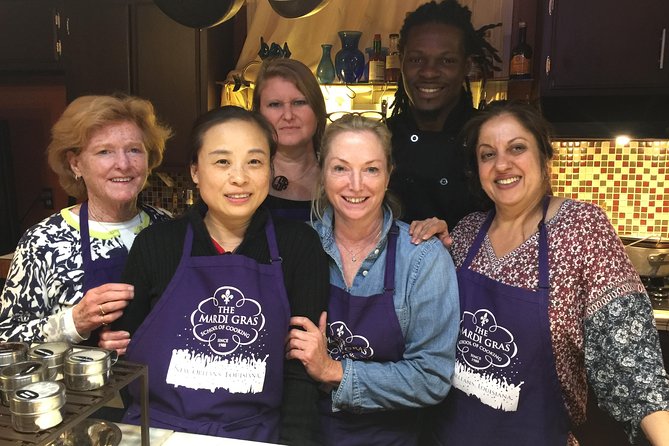
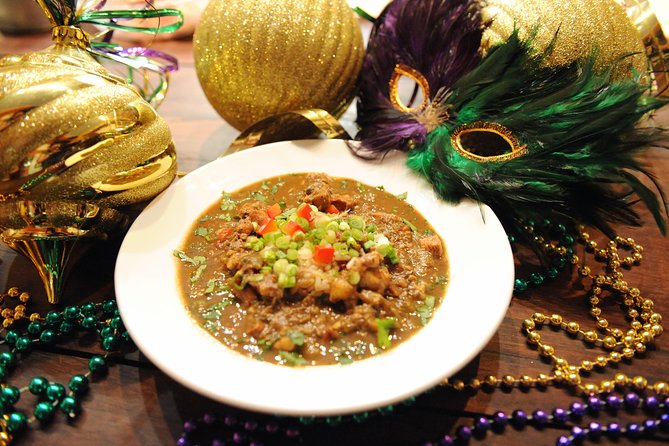
Roux rules in New Orleans, and this class teaches why. You get hands-on coaching to make gumbo with dark roux, shrimp étouffée with light roux, plus a show-stopping bananas foster. I love that it is not a sit-and-watch demo, you chop, stir, and cook. I also like that wine or soda pop is included while you learn. One thing to consider: the menu is tightly focused, so if you want a wide Cajun buffet of dishes, this is not that.
The whole experience runs about 3 hours and keeps the group small, up to 10 people. You start at 519 Wilkinson St and end right back there, so it feels like a neat, self-contained evening in the city. I appreciate the small-group vibe because it means you can actually ask questions while the roux is doing its thing.
If you are a foodie who wants a practical win, this class delivers. You’ll learn the Cajun Holy Trinity prep method and the roux process step by step, and then you eat what you make. If you’re very sensitive to smells or smoke, keep in mind roux cooking creates strong aromas in the room.
In This Review
- Quick Takeaways
- Roux First: Why This Class Feels Like Real New Orleans Cooking
- Where You Start: 519 Wilkinson St and the Easy Come-and-Go Plan
- First Steps: Cajun Holy Trinity Prep That Builds Better Flavor
- Gumbo Time: Dark Roux and Chicken and Andouille Magic
- Shrimp Étouffée: Light Roux With a Brighter Finish
- Sit Down and Eat What You Cook
- Bananas Foster: The Dessert Finale That Feels Like a Party
- Who Teaches Here, and Why That Coaching Style Matters
- Price and Value: Is $163.85 for Three Hours Fair?
- Logistics That Matter in Real Life: Group Size, Pace, and Timing
- Best Fit: Who Should Book This Cajun Roux Class
- Should You Book This Cajun Roux Class in New Orleans?
- FAQ
- What do you cook in the Cajun Roux class?
- How long is the class?
- Where does the class start?
- Does the class include food to eat afterward?
- Is wine included?
- Is this a hands-on class or a demonstration?
- How many people are in the class?
- Is the class offered in English?
- Is the location near public transportation?
- What is the cancellation policy?
Quick Takeaways
- Hands-on roux practice so you learn the difference between dark and light roux, not just the final dish
- Cajun Holy Trinity chopping and prep before you touch the stove, so flavor starts early
- Wine or soda pop included during the class break, which makes the pacing feel more relaxed
- Small group size, up to 10 so you actually get coaching while you cook
- Bananas Foster for dessert gives you a fun finale that is easy to show off later
Roux First: Why This Class Feels Like Real New Orleans Cooking
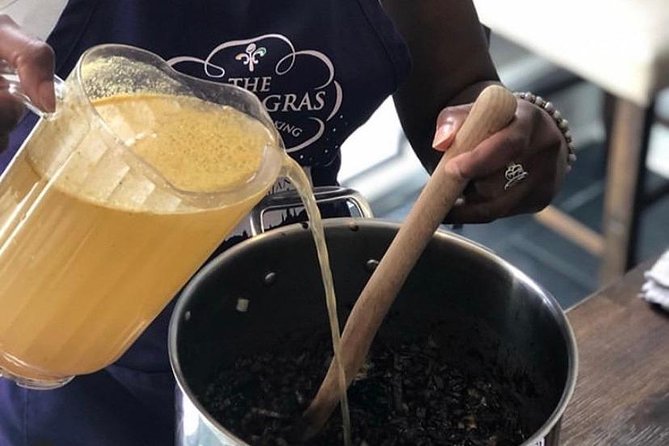
In New Orleans cooking, roux is not just a thickener. It is flavor, color, and personality, and it is also a little intimidating the first time you make it. This class is built around that idea, so you start learning the technique early instead of getting tossed into a kitchen chaos moment.
I like how the experience is structured around two roux styles. You’ll make a dark roux for gumbo, then a light roux for shrimp étouffée. That gives you a real mental model: darker roux typically leans deeper and more toasted, lighter roux tends to keep a brighter, more delicate base. You do not have to memorize a textbook. You watch the process, you stir, and you see how it affects what comes next.
Then you end with bananas foster, which is a clever way to close the loop. You go from savory, slow-cooked complexity to dessert sauce swagger. And because dessert feels more forgiving than roux, you finish the class with that confidence boost that makes people want to cook again at home.
Where You Start: 519 Wilkinson St and the Easy Come-and-Go Plan
You meet at 519 Wilkinson St, New Orleans, LA 70130. The format is simple: you start there, and the activity ends back at the meeting point. That matters in a city where a lot of food experiences turn into a scavenger hunt across neighborhoods.
The class is offered in English and runs about 3 hours. It is also capped at a maximum of 10 travelers. In practical terms, that usually translates to more one-on-one time with the chef and less waiting your turn. Several instructors have taught different groups over time, including Connor, Raymond, Mark, Jason, Ray, Erika, Cam, and Cam again is mentioned as lots of fun by another group, so you can expect a professional kitchen rhythm even when the instructor changes.
One more small plus: it is near public transportation. If you plan to pair this with a stroll around the French Quarter area afterward, you are not locking yourself into a car schedule.
What else we logged under Workshops in New Orleans
First Steps: Cajun Holy Trinity Prep That Builds Better Flavor
Before any roux gets hot, you learn the best kept secrets of authentic New Orleans cooking. The class begins with the importance of the Cajun Holy Trinity, then you cut and prep.
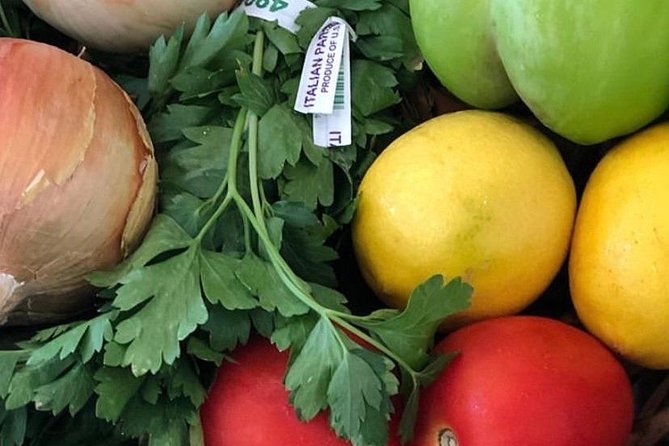
That matters more than it sounds. The Holy Trinity is the foundation, and when your onion, bell pepper, and celery are prepped with intention, the flavors build in a more predictable way. You will get a sense of why the order and the chopping basics affect the outcome.
In a lot of kitchens, people try to fix flavor later with extra seasoning. Here, the idea is almost the opposite. Start by setting up the base. If you get that right, gumbo and étouffée feel more cohesive.
Then you get a break and your first glass of wine. The class keeps you moving, but it also knows you are about to deal with roux, which is both technical and mentally tiring. The included wine or soda pop makes the pacing feel more like a relaxed meal outing, not just a cooking workout.
Gumbo Time: Dark Roux and Chicken and Andouille Magic
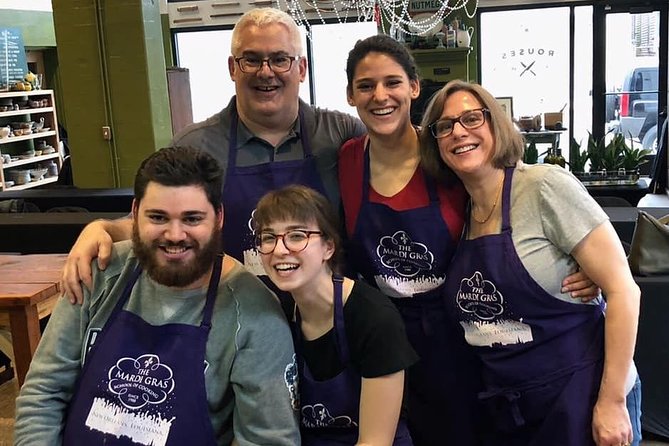
Once the Cajun Holy Trinity is chopped, the next step is making the dark roux for your gumbo. This is the moment where the class earns its name. Roux has a reputation because it takes attention. The goal is not to rush it, it is to develop flavor while avoiding a burned outcome.
Your starter is chicken and andouille sausage gumbo. That combo is classic for a reason. Andouille brings smoky heat, chicken adds body, and the gumbo framework is where the roux earns its keep.
What you are really learning here is timing plus technique. As the roux deepens, the smell and color shift, and your patience matters. The best part of a hands-on class is that you are not just learning what it should look like on a screen. You’re learning how it feels when you stir, how it thickens, and when it is ready to move into the next step.
A subtle benefit for your future cooking: gumbo is the kind of dish people order out and never fully replicate. When you learn the roux start and you understand the base, gumbo stops being a mystery meal and becomes an achievable project.
Shrimp Étouffée: Light Roux With a Brighter Finish
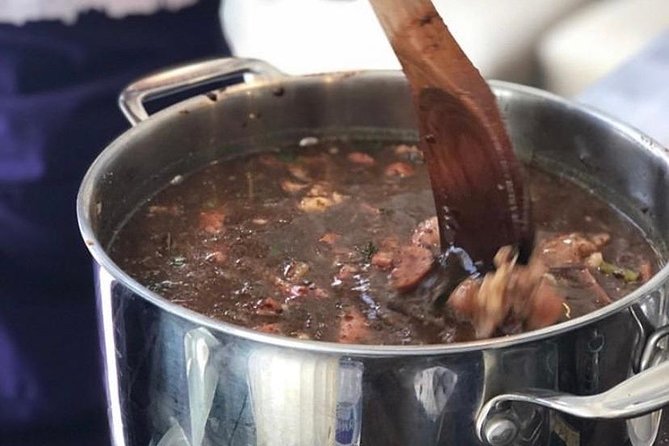
After gumbo, you switch gears and start the light roux for shrimp étouffée. This contrast is smart. If you only learned dark roux, you might wonder how to adjust for dishes that want a different flavor profile.
Étouffée uses that lighter roux idea to keep the sauce from getting overly heavy. You still get depth, but it is not the same heavy, toasted personality you chased for gumbo. By making both in one class, you train your palate to understand what changes when the roux changes.
The main course is shrimp étouffée. The class experience focuses on steps and coaching, so you are not standing there wondering what you are supposed to do next. You get a rhythm: prep, roux, assembly, plating.
This is also where the small group size earns its keep. When there are fewer students, the chef can correct tiny issues in real time, like consistency, pacing, or how to hold back and build slowly.
Sit Down and Eat What You Cook
After properly plating your meal, it is time to dine. This is one of the biggest value points. A lot of cooking classes end with a taste, or they send you away with a story. Here, the format is built for you to eat the meal you made.
That is important for two reasons.
First, it closes the learning loop. You cook a process, then you experience the results immediately. Second, it feels like a real New Orleans meal rather than a kitchen classroom that happens to end with food.
And yes, you also get that sense of bragging rights. Gumbo and étouffée are dishes people care about. When you make them yourself, you get to talk about roux and flavor like it is normal, not like you studied for a culinary exam.





Bananas Foster: The Dessert Finale That Feels Like a Party
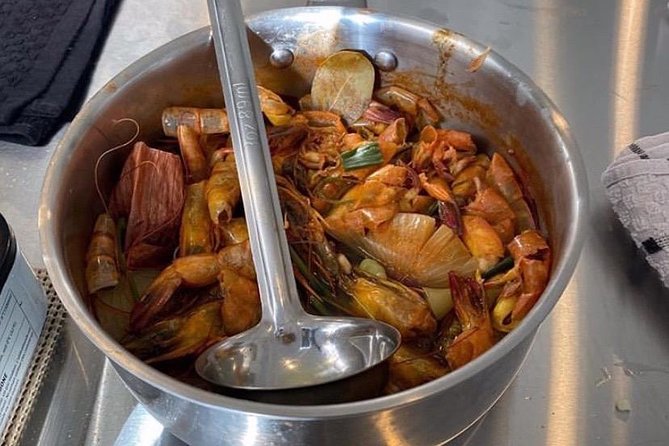
The last part of the class, and possibly your favorite, is bananas foster. The chefs teach a fool-proof way to make this dessert, and it is designed to impress.
Bananas foster has a reputation for being showy, but this class approach focuses on technique rather than intimidation. That is the key. You are not left to guess when the sauce hits the right texture or how to pair it with bananas.
Dessert also changes the mental tone of the evening. Roux cooking is focused and a bit demanding. Dessert brings back the fun. It’s also a great way to bring home something that feels special enough for guests, but not so complicated that you will never attempt it again.
If you care about taking the experience back home, dessert is often the dish that makes it easiest. People are more willing to try it because it is sweet, forgiving, and a crowd pleaser.
Who Teaches Here, and Why That Coaching Style Matters
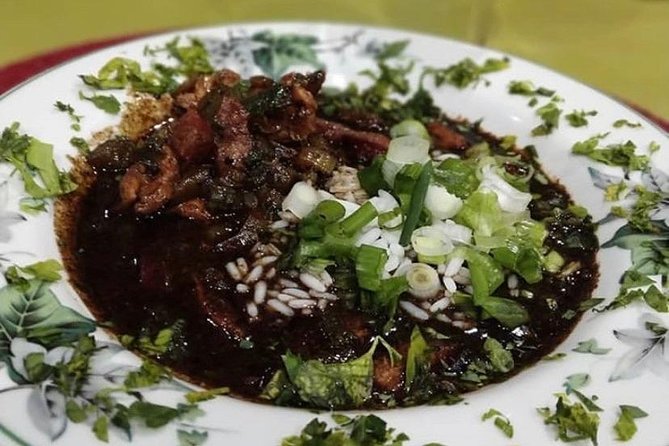
One thing I really like about this class is that the instruction seems consistent in approach even as instructors vary. Over time, different chefs are listed by name, including Connor, Raymond, Mark, Jason, Erika, and Cam. That variety matters because it hints at a stable program with clear methods.
Across the class stories, the teaching style comes through in practical ways: patient step-by-step coaching, a focus on breaking down each move, and humor that keeps the room comfortable. It is the sort of environment where you can ask a question without feeling silly, which is huge if you’re not a confident cook.
There is also a repeated emphasis on interaction. This is not a demonstration only setup. You do a lot of the actual cooking tasks yourself, which is exactly what makes the price feel justified.
Price and Value: Is $163.85 for Three Hours Fair?
At $163.85 per person for about 3 hours, you are paying for three things: instruction, ingredients, and a full meal experience.
You are not just learning one recipe. In one session you tackle gumbo, shrimp étouffée, and bananas foster. That is a lot of kitchen work in a short time, especially because roux takes attention. Most classes that are cheaper either cut down the scope or leave you with less time cooking.
Then factor in the included wine (or soda pop) during the break. Even if you only sip, it makes the experience feel like an actual evening out. You’re also eating the meal afterward. That pushes this from a pure activity into a real dinner.
One potential value snag to watch for: if you specifically want a printed recipe card or a take-home recipe packet, it is smart to ask ahead. Some people have mentioned wanting the recipe, while others talked about take-home food. The class experience likely focuses on technique first, but confirming what you receive in terms of materials can save you disappointment.
Logistics That Matter in Real Life: Group Size, Pace, and Timing
This is a small group experience, maximum 10 travelers. That detail influences everything. It affects how quickly you get answers, how much time you spend actually cooking, and how comfortable it feels to ask questions while the roux is cooking.
The class runs about 3 hours. That is long enough to learn multiple steps and eat, but short enough to fit into a travel schedule. If you are the type who likes planning by blocks, this works well.
Also, because you start and end back at the meeting point, it is easier to pair with other activities without long transport breaks. Near public transportation helps too, especially if you do not want to depend on rideshare every time.
Finally, the class is in English. If you’re traveling with someone who reads English comfortably, you’ll be fine. If you speak limited English, you might still follow cooking steps through visuals and demonstration, but the safest bet is having someone who can track instructions.
Best Fit: Who Should Book This Cajun Roux Class
This is ideal if you want authentic flavor plus real hands-on skills.
You’ll especially enjoy it if:
- You like the idea of learning roux technique you can repeat at home
- You’re coming to New Orleans for food, not just sightseeing
- You want a group-friendly activity. Reviews point to families and groups of friends having a great time.
- You’d rather cook alongside a chef than watch from the sidelines
It is also a strong choice for couples. The pacing is social, the kitchen is structured, and the meal afterward feels like a shared reward.
If you are traveling with kids, you might find it works well. At least one family mentioned a 12-year-old enjoying it and feeling encouraged. Still, any kid who is easily overwhelmed by heat or constant movement might need a quick chat with the provider before booking.
If you are strictly vegetarian or have major dietary restrictions, the menu listed here includes chicken, andouille sausage, shrimp, and bananas foster. Since those ingredients are specifically named, you should verify options before you book.
Should You Book This Cajun Roux Class in New Orleans?
If you want one experience that gives you technique, confidence, and a meal you can brag about, I think this is a very good bet. The focus on both dark roux gumbo and light roux shrimp étouffée is the kind of smart structure that turns cooking from random effort into something you understand. Then the bananas foster finale makes the whole thing feel like a full New Orleans-style food night, not just a cooking lesson.
Book it if you want hands-on learning, a small group, and a clear payoff at the table. Skip it only if you are looking for lots of different dishes beyond this menu, or if you need guaranteed take-home recipe materials and have not confirmed what is provided.
FAQ
What do you cook in the Cajun Roux class?
You make chicken and andouille sausage gumbo, shrimp étouffée, and bananas foster dessert.
How long is the class?
The experience runs about 3 hours.
Where does the class start?
The meeting point is 519 Wilkinson St, New Orleans, LA 70130, USA.
Does the class include food to eat afterward?
Yes. After plating, you dine on the meal you prepared.
Is wine included?
Yes. You get included wine during the class break, with soda pop as an alternative.
Is this a hands-on class or a demonstration?
It is hands-on. You cut and prep, make roux, and participate in the cooking steps.
How many people are in the class?
The class has a maximum of 10 travelers.
Is the class offered in English?
Yes, it is offered in English.
Is the location near public transportation?
Yes, it is near public transportation.
What is the cancellation policy?
Free cancellation is available. You can cancel up to 24 hours in advance for a full refund.
Cooking Classes: further reviews from New Orleans
- New Orleans Demonstration Cooking Class with Meal★ 5.0 · 3,000 reviews
- New Orleans Hands-On Cooking Class with Meal★ 5.0 · 1,183 reviews
- New Orleans: Cajun and Creole Cooking Class★ 4.9 · 730 reviews
Workshops: what else we logged in New Orleans
- New Orleans Demonstration Cooking Class with Meal★ 5.0 · 3,000 reviews
- New Orleans Hands-On Cooking Class with Meal★ 5.0 · 1,183 reviews
- New Orleans: Cajun and Creole Cooking Class★ 4.9 · 730 reviews
Tour Reviews: more from our New Orleans desk
- New Orleans Premier Ghost, Voodoo and Vampire Walking Tour★ 4.5 · 12,856 reviews
- New Orleans Steamboat Natchez Jazz Cruise with Dinner Option★ 4.0 · 7,533 reviews
- Adults-Only New Orleans Ghost, Crime, Voodoo, and Vampire Tour★ 5.0 · 6,545 reviews
- New Orleans Food Walking Tour of the French Quarter with Small-Group Option★ 5.0 · 6,118 reviews
- New Orleans Swamp and Bayou Boat Tour with Transportation★ 5.0 · 5,399 reviews
Newest New Orleans reviews added to this site
- Adults-Only Uncensored Ghost, Vampire, and Voodoo Walking Tour
★ 4.5 · 311 reviews - Seven Three Distilling Tour and Tasting
★ 5.0 · 319 reviews - Private Transfer in New Orleans MSY/Home/Hotel/Work
★ 5.0 · 325 reviews - New Orleans: 2-Hour 15-Minute City and Cemetery Tour by Bus
★ 4.7 · 326 reviews - French Quarter True Crime Walking Tour
★ 5.0 · 327 reviews - New Orleans Combo Tour: Voodoo, Vampire, and Ghost Tour
★ 4.5 · 327 reviews - New Orleans Spirits & Spells: Witchcraft, Voodoo, and Ghost Tour
★ 5.0 · 329 reviews - Private Arrival Transfer from Louis Armstrong New Orleans Airport
★ 4.5 · 334 reviews - Hands-on Cajun Roux Cooking Class in New Orleans
★ 5.0 · 356 reviews - Honey Island Swamp Boat Tour with Transportation from New Orleans
★ 5.0 · 361 reviews
Cooking Classes, side by side.
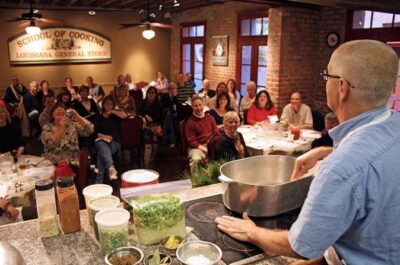 ★ 5.0New Orleans Demonstration Cooking Class with MealFrom $433,000 reviews
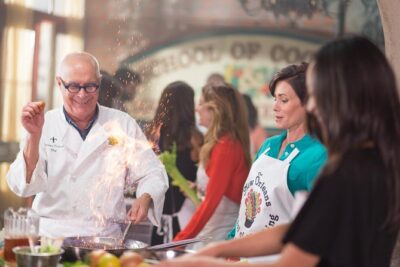 ★ 5.0New Orleans Hands-On Cooking Class with MealFrom $1621,183 reviews
 ★ 5.0Undiscovered Charleston: Half Day Food, Wine & History Tour with Cooking Class948 reviews
 ★ 4.9New Orleans: Cajun and Creole Cooking ClassFrom $40730 reviews
This one is also listed in