
Review · HISTORIC PLANTATION TOURS
Laura Creole Plantation Guided Tour
Creole history has real walls here. At Laura Plantation, a guided visit across the Maison Principale, slave cabins, and gardens turns Louisiana’s past into something you can actually see and question.
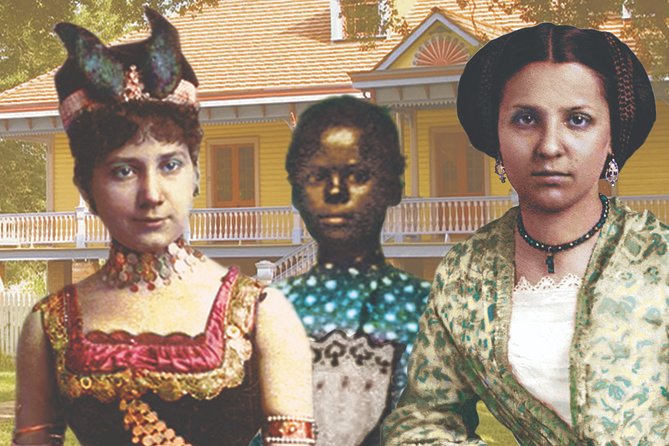
I especially liked two things. First, the tour leans on surviving family records across four generations, including the memoir of Laura Locoul, plus material found in French National Archives. Second, I like how the storytelling connects French colonial roots to American Louisiana, not just as names in a textbook, but through the people who lived and worked on the estate.
One consideration before you go: the visit is a guided circuit. You get a lot of important stops, but you do not have time to wander back for long after you move on, so keep your questions ready.
In This Review
- Key highlights worth marking on your map
- Why this Creole plantation tour works for first-timers
- Getting to Laura Plantation from New Orleans, realistically
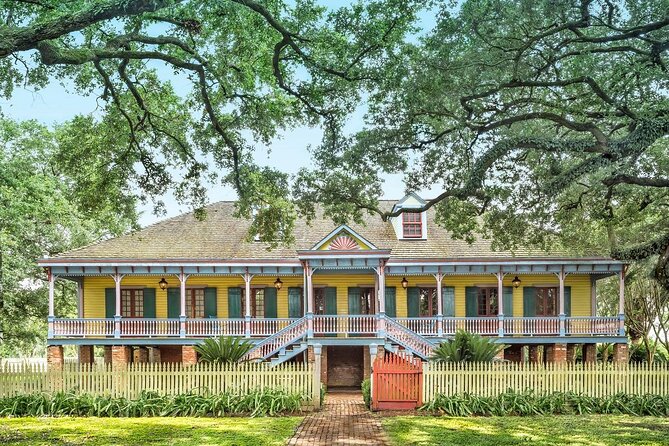
- Maison Principale: four generations in a 24,000-square-foot setting
- Slave quarters and original 1840s cabins, without softening the truth
- Gardens and sugar fields: the outdoors part you should plan for
- Your guide makes the story feel human
- Group size, pacing, and what to wear on site
- Price and value: what $32.06 buys you here
- Pair it with the rest of the Great River Road
- Should you book the Laura Creole Plantation Guided Tour?
- FAQ
- How long is the Laura Plantation guided tour?
- What does the tour include?
- Is the tour offered in English?
- Does Laura Plantation provide transportation from New Orleans?
- Is the tour mostly indoors?
- Can I cancel and get a refund?
Key highlights worth marking on your map
- A strong four-generation story tied to preserved records, including Laura Locoul’s memoir
- Maison Principale plus original 1840s slave cabins, not just a quick house look
- Clear context on Creole life in Louisiana for more than 200 years
- Small-group feel (max 28) with time to ask questions
- Outdoor time built into the tour, so plan for sun and shade
- A well-preserved National Register site on the Louisiana African American Heritage Trail
Why this Creole plantation tour works for first-timers
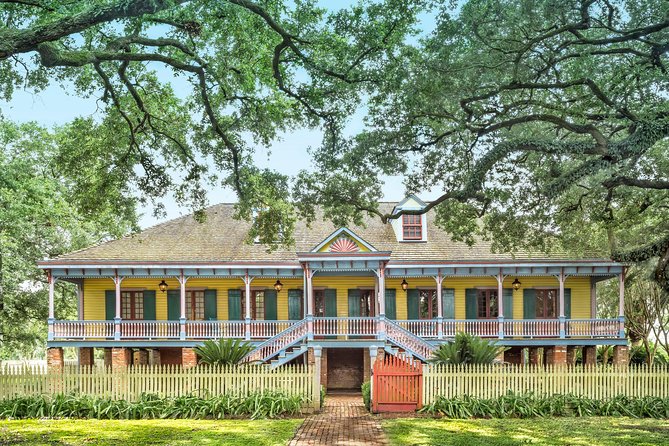
This tour is built for people who want more than a photo stop. Laura Plantation gives you a guided walkthrough of the furnished main house, the slave quarters, and the gardens, so you can connect the everyday layout of the place to the people tied to it.
The other big win is tone and structure. The experience does not pretend slavery was a side note. It addresses the difficult history of slavery in French colonial and American Louisiana through the end of the 19th century, while still explaining how Creole culture shaped life for free and enslaved people over a long stretch of time.
If you like history that feels grounded in place, you will probably like this. The estate is well maintained, and the tour pace feels designed for learning, not for speed-running.
Getting to Laura Plantation from New Orleans, realistically
Laura Plantation sits about an hour from New Orleans along the Great River Road, in the Vacherie area. That drive is part of the experience, because you are literally following the Mississippi corridor that shaped plantation life.
Practical note: Laura Plantation does not provide hotel pickup. If you do not want to drive yourself, they partner with operators who can bring you to the site, but transportation pricing can vary depending on which operator you use. If you are price-sensitive, this is worth checking early so the day stays predictable.
The meeting point is at 2247 LA-18, Vacherie, LA 70090. Plan to arrive with a little buffer so you do not feel rushed before the tour starts.
The rest of our Guided notes for New Orleans




Maison Principale: four generations in a 24,000-square-foot setting
The tour centers on the Maison Principale, a 24,000-square-foot main house (ground floor only is ADA accessible). This matters because it changes how you experience the estate. You are not just seeing rooms, you are hearing why the rooms matter to the family and how the estate functioned.
The Duparc family connection is a key thread. The plantation was founded in 1804 by the French-descended Duparc family, and the guide uses that timeline to show how one Creole family’s position and choices shifted across generations.
What I liked most here is the source base. The tour is not only opinions and generalities. It leans on surviving family documents held by the family across four generations. It also incorporates information tied to Laura Locoul, a fourth-generation family member, plus records uncovered in French National Archives.
If you care about accuracy, that approach helps. You are hearing a story that is tied to what people documented, not just what someone guessed later.
Slave quarters and original 1840s cabins, without softening the truth
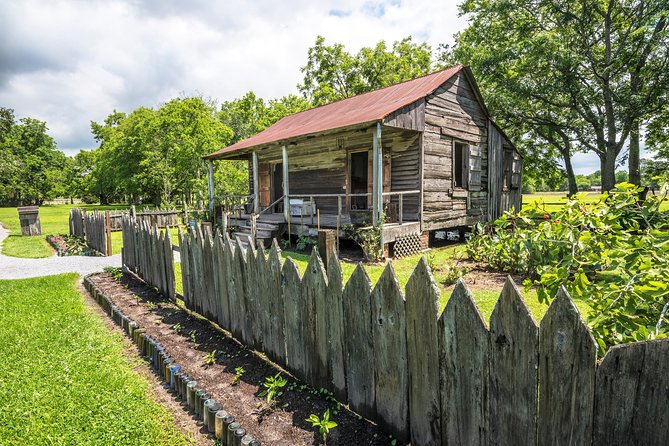
After the main house, you move into the areas connected to enslaved life, including the slave quarters and original 1840s slave cabins. Seeing this side of the property is what prevents the visit from feeling like generic plantation sightseeing.
The tour’s framing is important. It honestly discusses the reality of slavery as it existed in French colonial and American Louisiana, running through the end of the 19th century. You also get a sense that the estate was both a home and a workplace, with people forced into roles that served the plantation economy.
There is one nuance to keep in mind. Some people want more day-to-day detail about what life was like for the enslaved people at this specific plantation. That kind of detail can vary by guide and by what is emphasized during your tour. My advice: treat this as a guided overview with room for questions, not as a fully exhaustive account of every daily routine.
You will probably leave thinking more deeply than you expected, because the contrast between the owners’ world and the enslaved people’s world is part of how the tour is designed.
Gardens and sugar fields: the outdoors part you should plan for
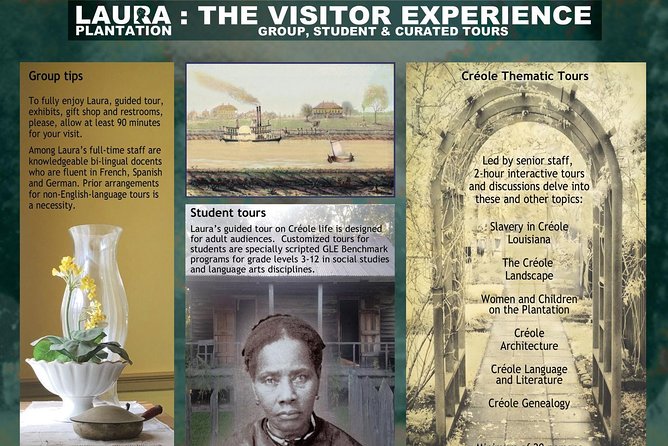
The tour includes intricate gardens and sugar fields, so it is not only indoors. That outdoor portion is one of the reasons the experience feels vivid, because you see the estate’s working spaces in the same flow as the family’s home spaces.
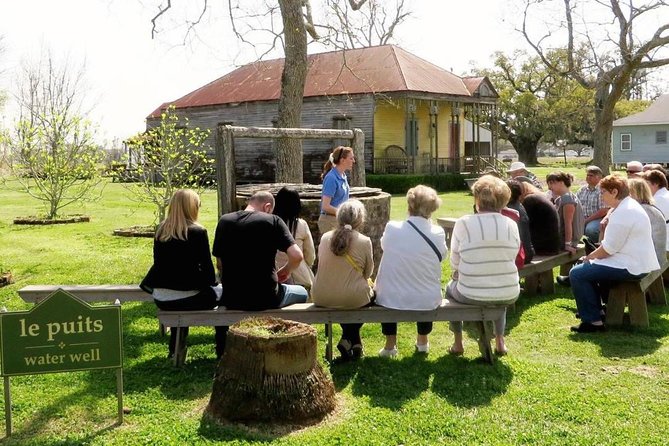
Timing matters here. You have about 1 hour 10 minutes for the full guided experience, and a portion of that is outside. Wear good walking shoes, and dress for the weather, because the tour operates in all weather conditions.
Also, give yourself permission to look closely. One lesson from firsthand accounts is simple: you do not get endless chances to go back and re-check small details. If you notice something, ask about it while you are there.
Your guide makes the story feel human
This is a guided tour with a local guide, and the guide quality shows. The best tours I have heard about focus on both the business side of the plantation and the human stories, so you get a balanced view instead of only atmosphere.
I saw repeated praise for guides who connect the Creole culture thread across time. For example, Amelia was described as taking a scholarly approach to the period when the plantation was built and the years that followed. Cameron was praised for bringing the people and culture to life, not just listing facts. Joseph, Caroline, and Lindie were also singled out for being engaging, clear, and willing to explain.
One more thing that stood out: the tour invites questions. If you care about a specific topic, ask. Whether it is about Creole culture, how the family operated, or the contrast between free and enslaved life, your guide is there to help you connect the dots.
Additional Historic Plantation Tours on the review pile in New Orleans





Group size, pacing, and what to wear on site
The group is capped at 28 travelers. That is small enough that your guide can usually manage questions, but big enough that the tour still runs like a real operation.
Pacing is an honest part of the experience. Several accounts praise how much the tour covers, but one consistent caution is that it can feel time tight in certain moments, especially if your guide moves quickly. If you prefer slow and calm, tell your guide you want a moment to look and ask questions, right at the start.
Comfort tips that help you enjoy the tour more:
- Bring water if you want it for before or after. Snacks and drinks are available for purchase onsite, but it is not built into the tour price.
- Wear shoes suited for walking on uneven outdoor ground.
- If you need ADA access, know that only the ground floor of the main house is ADA accessible. You may still want to bring a little extra planning for the outdoor segments.
Also, service animals are allowed, and the tour works in all weather.
Price and value: what $32.06 buys you here
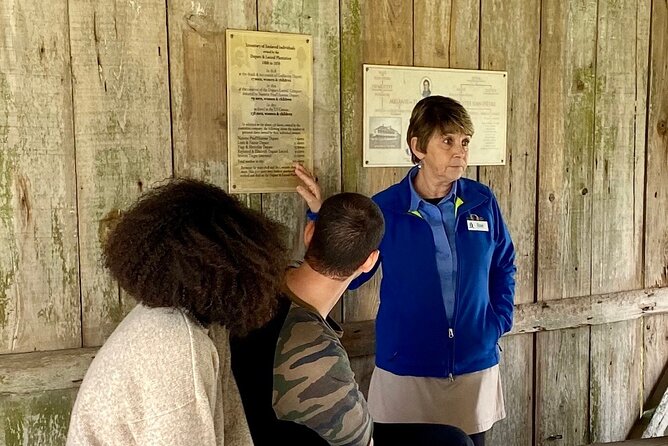
The price is $32.06 per person for about 1 hour 10 minutes. That sounds like a short visit, but here is why it can still be good value: you are paying for a guided interpretation of multiple parts of the estate, including the main house and slave cabins, plus a story anchored to documented records.
There is no hotel pickup included, and you are responsible for getting yourself to the plantation. So your total cost depends on how you handle transportation. If you drive, you keep it straightforward. If you need partner transportation, check the operator pricing ahead of time, because that can become the biggest variable in your budget.
Where this feels like a best buy is for visitors who want a guided framework fast. You get a structured, place-based understanding of Creole life and slavery at a single site, without needing to plan multiple stops just to get context.
Pair it with the rest of the Great River Road
One smart way to plan your day: do the Laura Plantation tour, then keep going along the Great River Road. After the tour ends back at the meeting point, you can continue independently and choose other nearby plantation experiences.
This is useful because different sites often emphasize different angles. Laura Plantation’s strength is how it connects Creole culture, family records, and enslaved life across generations. Pairing it with another stop helps you broaden the view without repeating the same story in the same way.
If you are short on time, you could also make Laura Plantation your centerpiece and simply plan a relaxed dinner afterward. The emotional weight of the material can make a quiet evening feel like the right landing.
Should you book the Laura Creole Plantation Guided Tour?
Book it if you want a guided, record-based look at Creole Louisiana in a preserved setting, with both the Maison Principale and the original slave structures included. If you appreciate asking questions and you want context that does not dodge slavery, this tour is likely to give you more than a surface-level stop.
Consider booking with a small mindset adjustment if you are expecting a minute-by-minute description of daily routines for enslaved people at this exact plantation. The experience aims for a balanced, big-picture guided framework, and your questions can help steer it toward what you most want to know.
For me, the decision comes down to this: you are paying for a tight, well-run tour that connects documented family history, Creole cultural identity, and the hard realities of slavery at the same address. If that blend is what you are after, this is a strong stop in your New Orleans area plan.
FAQ
How long is the Laura Plantation guided tour?
The tour is approximately 1 hour 10 minutes.
What does the tour include?
It includes a local guide, and the visit covers the Maison Principale, gardens, and original 1840s slave cabins.
Is the tour offered in English?
Yes. The tour is offered in English.
Does Laura Plantation provide transportation from New Orleans?
No hotel pickup or drop-off is included. Laura Plantation partners with operators that may provide transportation if you do not have self-drive options.
Is the tour mostly indoors?
No. A portion of the tour takes place outdoors, so you should wear good walking shoes and dress appropriately for the weather.
Can I cancel and get a refund?
Yes. There is free cancellation up to 24 hours in advance for a full refund. If you cancel less than 24 hours before the experience’s start time, the amount paid is not refunded. The tour can also be canceled due to poor weather, with a different date offered or a full refund.
Guided reviewed right across New Orleans
- Guided Boat Tour of New Orleans Bayou★ 4.5 · 1,452 reviews
- Houmas House Estate and Gardens Guided Tour★ 4.5 · 632 reviews
- New Orleans: Guided Swamp Cruise by Tour Boat★ 4.7 · 570 reviews
- New Orleans: Garden District Guided Walking Tour★ 4.9 · 514 reviews
- Small-Group Manchac Swamp Kayak Tour with Local Guide★ 5.0 · 480 reviews
Tours: the rest of the New Orleans file
- New Orleans Premier Ghost, Voodoo and Vampire Walking Tour★ 4.5 · 12,856 reviews
- Adults-Only New Orleans Ghost, Crime, Voodoo, and Vampire Tour★ 5.0 · 6,545 reviews
- New Orleans Food Walking Tour of the French Quarter with Small-Group Option★ 5.0 · 6,118 reviews
- New Orleans Swamp and Bayou Boat Tour with Transportation★ 5.0 · 5,399 reviews
- New Orleans City Sightseeing Hop-On Hop-Off Bus Tour★ 4.5 · 4,943 reviews
Tour Reviews: more from our New Orleans desk
- New Orleans Premier Ghost, Voodoo and Vampire Walking Tour★ 4.5 · 12,856 reviews
- New Orleans Steamboat Natchez Jazz Cruise with Dinner Option★ 4.0 · 7,533 reviews
- Adults-Only New Orleans Ghost, Crime, Voodoo, and Vampire Tour★ 5.0 · 6,545 reviews
- New Orleans Food Walking Tour of the French Quarter with Small-Group Option★ 5.0 · 6,118 reviews
- New Orleans Swamp and Bayou Boat Tour with Transportation★ 5.0 · 5,399 reviews
Newest New Orleans reviews added to this site
- Adults-Only Uncensored Ghost, Vampire, and Voodoo Walking Tour
★ 4.5 · 311 reviews - Seven Three Distilling Tour and Tasting
★ 5.0 · 319 reviews - Private Transfer in New Orleans MSY/Home/Hotel/Work
★ 5.0 · 325 reviews - New Orleans: 2-Hour 15-Minute City and Cemetery Tour by Bus
★ 4.7 · 326 reviews - French Quarter True Crime Walking Tour
★ 5.0 · 327 reviews - New Orleans Combo Tour: Voodoo, Vampire, and Ghost Tour
★ 4.5 · 327 reviews - New Orleans Spirits & Spells: Witchcraft, Voodoo, and Ghost Tour
★ 5.0 · 329 reviews - Private Arrival Transfer from Louis Armstrong New Orleans Airport
★ 4.5 · 334 reviews - Hands-on Cajun Roux Cooking Class in New Orleans
★ 5.0 · 356 reviews - Honey Island Swamp Boat Tour with Transportation from New Orleans
★ 5.0 · 361 reviews
Historic Plantation Tours
 ★ 5.0Swamp Boat Ride and Oak Alley Plantation Tour from New OrleansFrom $1313,303 reviews
 ★ 4.5Oak Alley Plantation Tour with Transportation from New OrleansFrom $891,747 reviews
 ★ 4.5Boone Hall Plantation All-Access Admission TicketFrom $361,736 reviews
 ★ 4.5Whitney Plantation Tour with Transportation from New OrleansFrom $891,351 reviews
 ★ 4.7New Orleans: Bayou Swamp Tour and Oak Alley Plantation TourFrom $1251,147 reviews
 ★ 4.7New Orleans: Oak Alley Plantation & Airboat Swamp Combo TourFrom $160906 reviews
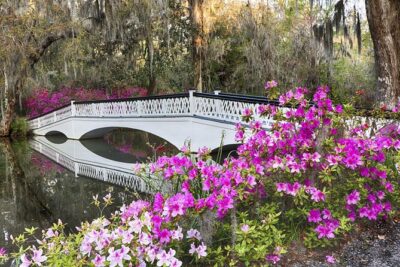 ★ 4.5Magnolia Plantation Admission & Tour with Transportation from CharlestonFrom $90836 reviews
 ★ 4.5Oak Alley Plantation and Large Airboat Swamp Tour from New OrleansFrom $160712 reviews
This one is also listed in