
Review · HISTORIC PLANTATION TOURS
Boone Hall Plantation All-Access Admission Ticket
Oaks, cabins, and a Gullah talk in one pass. Boone Hall Plantation gives you a full, structured visit through South Carolina plantation life, with time in the Avenue of Oaks and the spaces tied to the enslaved community. Your ticket is designed as an all-in-one experience, so you are not piecing together multiple entries.
I especially like the way the Black History in America exhibit is placed in the original-feeling setting of cabins where enslaved people lived. I also love that the all-access plan includes a live Gullah culture presentation, which helps you connect the story to living cultural traditions rather than only dates and facts.
One possible drawback: the main house tour is not the original 17th-century Boone Hall mansion. The experience still teaches a lot, but if you expect a fully authentic, oldest-possible plantation home, you may find the house tour shorter and more modern than you imagined.
In This Review
- Key Highlights Worth Planning For
- Boone Hall All-Access Pass: What You Are Really Buying
- First Stop Energy: The Avenue of Oaks and Your House Tour Expectations
- Slave Cabins and the Black History in America Exhibit
- The Gullah Culture Talk: Why It’s the Ticket’s Best Hook
- Garden Tour, Color Showcase, and Wildlife Viewing Breaks
- Tractor Tour Across the Property: The Smart Time Saver
- Gin House Museum and the Stable Tour: Extra Working Plantation Context
- Timing and Pacing: Getting the Most From 2 to 4 Hours
- Price Value: Is $36.50 Worth It?
- Who This Works Best For
- Practical Tips: How to Make the Day Easier
- Should You Book Boone Hall’s All-Access Admission?
- FAQ
- What does the all-access ticket include at Boone Hall Plantation?
- How long should I plan for the visit?
- What is the price per person?
- Is the tractor tour guaranteed?
- What are the opening hours?
- Can I use the mobile ticket to enter?
- Are service animals allowed?
- Is the experience limited to a certain language?
- Are there any tickets or admissions that are not included?
- What happens if the experience is canceled due to weather?
Key Highlights Worth Planning For
- All-in-one admission covers the house first-floor tour, exhibits, and multiple activity stops for one price
- Cabins exhibit layout brings the Black History in America content into the lived-in spaces where enslaved people resided
- Live Gullah culture presentation adds a strong cultural layer to the plantation story
- A tractor or grounds tour lets you see more of the property without walking every inch
- Garden and color showcase gives you a break from the heavier topics while keeping the visit grounded in place
- Stable tour and Gin House Museum add extra on-site, working-plantation context
Boone Hall All-Access Pass: What You Are Really Buying

For $36.50 per person, you are not just paying to walk around a historic property. You are paying for a guided flow: multiple scheduled pieces, with one admission price meant to cover the main tours and attractions. In real life, that matters because plantation sites can sprawl, and unstructured visits often mean you miss the best talks and the most meaningful stops.
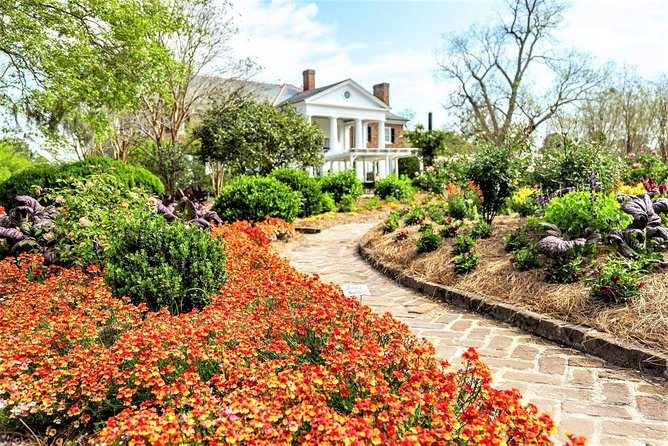
Your all-access ticket includes guided tours of the first floor of the plantation home, access to the Black History in America exhibit, and a live history presentation. It also rolls in a tractor tour across the property weather permitting, a garden tour called Showcase of Color, plus beauty and wildlife viewing around the estate.
The big “value check” for me is that the ticket supports both emotions and context. You get the heavier, direct history tied to slavery, and you also get cultural education through the Gullah presentation. That combination makes the day feel complete instead of one-note.
First Stop Energy: The Avenue of Oaks and Your House Tour Expectations
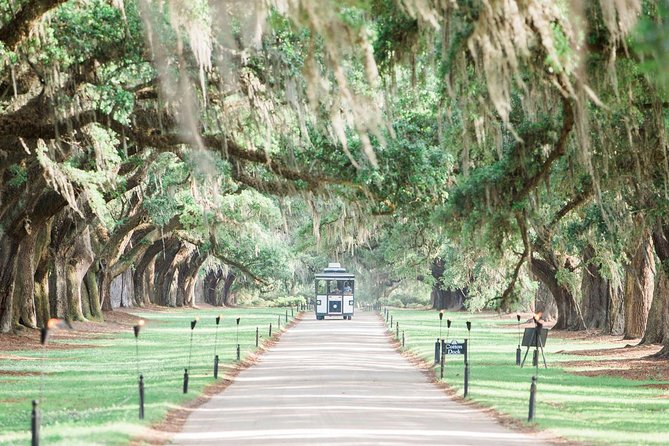
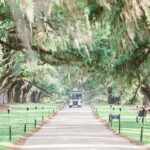
Boone Hall Plantation is famous for its approach, and the Avenue of Oaks sets the tone fast. Even before you reach the first major indoor stop, you can feel why people come here: the property is designed to be seen in motion, not just photographed at one corner.
Once you are on the guided house portion, expect a tour focused on the first floor. The tour content is structured, and your guide keeps you moving through a set number of rooms rather than an open-ended wandering session. From what you can see and how the program is described, it is best to think of this as a guided introduction to how the home functioned, with the rest of your time spent learning around the property.
One caution from the on-the-ground experience: the plantation home you see is not the oldest original Boone Hall mansion. Some visitors feel disappointed that the house dates to the 1930s era, and the tour may cover only a few rooms. If your priority is the oldest surviving house, set that expectation early so the rest of the ticket can carry the day.
Also keep in mind that house interiors often come with house-specific photo rules. If you enjoy photos inside historic homes, plan to treat the tour more like listening and noticing details than taking lots of shots.
Not settled on one yet? These are other Charleston trips our reviewers have been through.


Slave Cabins and the Black History in America Exhibit
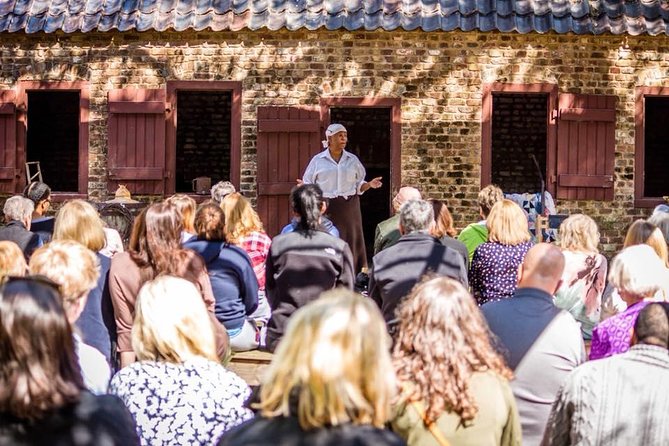
This is the part of Boone Hall that turns the whole visit serious in a good way. The ticket includes access to the Black History in America exhibit, located in cabins where enslaved people lived. That placement matters. It is one thing to read labels, and another to see those story elements within the architectural and environmental context of the people who lived there.
You should expect the guides to frame the plantation story as lived reality, including the horrors of slavery. The tone is not softened. Guides also give on-site explanations at different locations, and the cabin stop is one of the clearest places where you can feel the educational focus.
There is also a practical reason to care about this section: it changes how you interpret everything else on the property. After you have seen the exhibit, the buildings, layouts, and estate structure start to make deeper sense, including the way the plantation worked as a system. You will likely walk away with less romantic thinking and more grounded understanding.
If you are sensitive to heavy topics, pace yourself. Give yourself a minute to breathe between indoor and outdoor segments. The site is well-run, but the subject matter is intense.
The Gullah Culture Talk: Why It’s the Ticket’s Best Hook
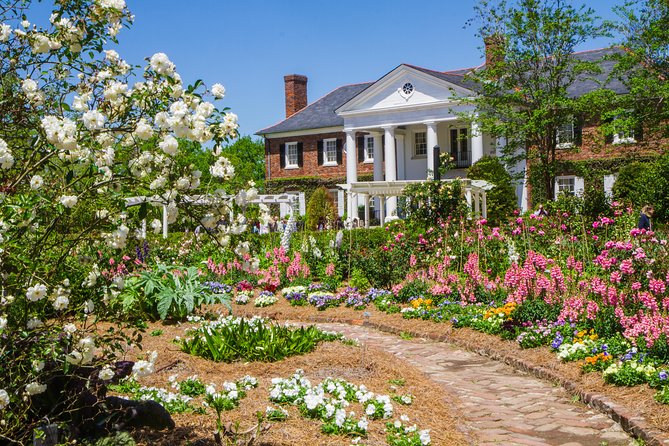
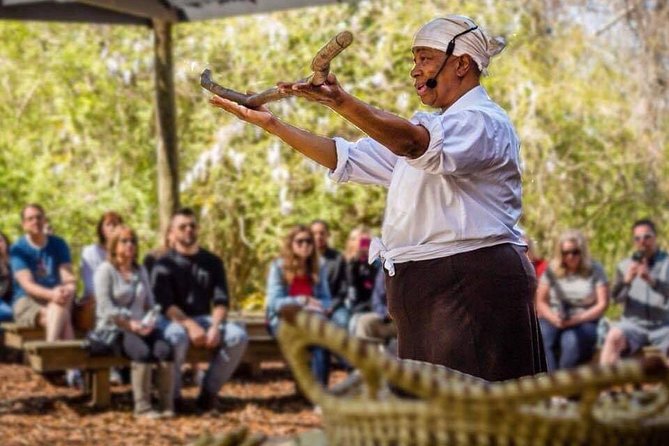
If you ask me what makes this all-access ticket different from a standard plantation walk, it is the live Exploring the Gullah Culture presentation. This part is more than entertainment. It adds cultural meaning to the enslaved community story, connecting the past to traditions that survived and evolved.
Gullah culture is a specific focus tied to the region, and the presentation is built into the ticket so you do not have to hunt for it separately. Many visitors describe this talk as a highlight, and for good reason. It gives you a lens for understanding resilience, language, foodways, and identity, not just the plantation economy and architecture.
If you like history that includes people, not only places, you will appreciate how this presentation gives voices and continuity. It is also a smart use of time because it anchors the rest of the day. After the Gullah talk, the plantation cabins and the museum spaces feel less like separate stops and more like one connected story.
Garden Tour, Color Showcase, and Wildlife Viewing Breaks
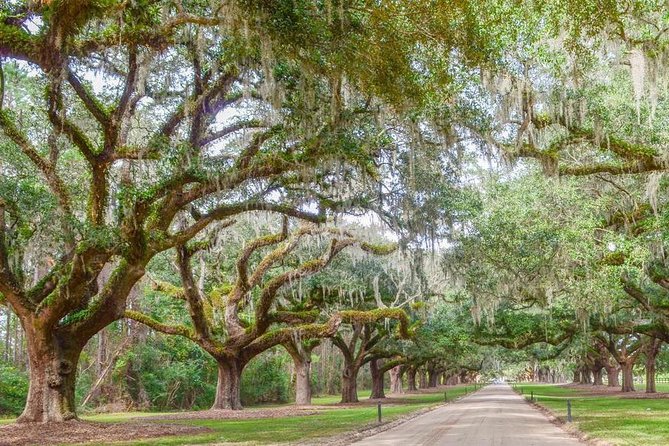
Plantation history days can become emotionally heavy fast. That is why I like that the ticket includes a Garden Tour, called Showcase of Color. It gives you a calmer rhythm between the more difficult interpretive content.
This part is not just pretty scenery. Gardens at working plantation sites reflect labor, seasons, and ongoing care. You also get views in the open air, which helps if you get museum-fatigue or crowd-fatigue.
The ticket also includes beauty and wildlife viewing, which usually means time set aside for looking around the estate. You might see different birds or catch glimpses of the property’s natural texture beyond the formal garden areas.
If you visit with kids or mixed-age family groups, this is often the segment that keeps the day moving without losing the educational mission.
Tractor Tour Across the Property: The Smart Time Saver
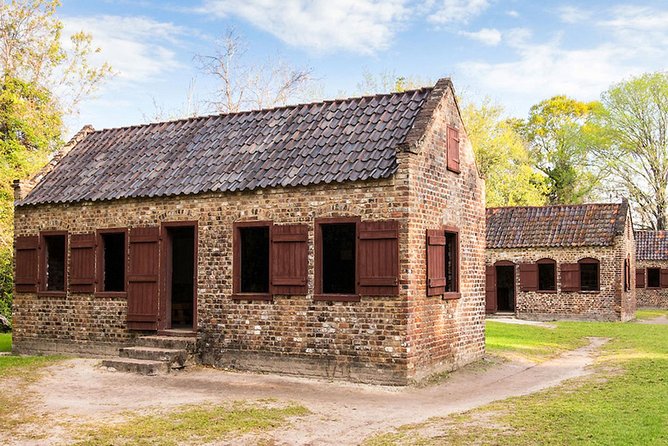
One of the best “practical” inclusions is the tractor tour across the property, weather permitting. This is a big deal for value because it expands what you can see without burning your whole day on walking.
Even if you love walking, tractor or grounds tours help you understand the estate scale. You also get a different set of viewpoints of the Avenue of Oaks, the surrounding landscape, and the layout of buildings. That layout becomes important later when you connect what you saw in the cabin exhibit to where other parts of the working plantation were.
Weather can affect this stop, so plan for flexibility. If it is hot, rain is less pleasant than you might think on an open-property site. Bring sun protection and expect the day to run in a schedule that may shift if conditions change.
Additional Historic Plantation Tours on the review pile in Charleston


Gin House Museum and the Stable Tour: Extra Working Plantation Context
Two included pieces help you move beyond “historic house equals the story.”
First, there is the Gin House Museum, described as spanning 300 years of history. A gin house is tied to cotton processing, and that is exactly the kind of working-plantation detail that fills out the bigger picture. It is also one of those stops that can turn abstract history into something concrete: what got processed, how the plantation economy ran, and where daily work fit into the larger system.
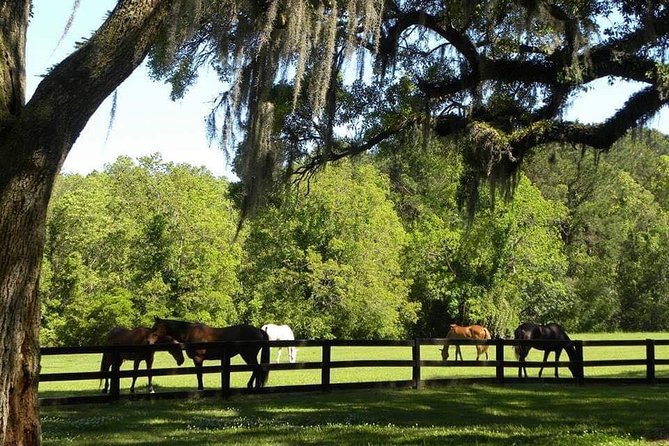
Second, the ticket includes a NEW – Stable Tour. Reviews and on-site experiences suggest this stable portion may operate on a specific schedule. If you want to catch it, do not treat the day like a leisurely stroll with no plan. Arrive with the mindset that you will need to follow the flow of the day to hit every included activity.
Timing and Pacing: Getting the Most From 2 to 4 Hours
The ticket is listed as a 2 to 4 hour experience, and in practice you should plan closer to the longer end if you want a complete pass. Some people find they can cover everything in about four hours, especially when the tour includes house rooms plus garden time plus grounds riding and the live presentations.
Your best strategy is to accept that this is not a quick “see it and go” stop. It is a structured half-day that mixes guided interpretation with short self-time. If you get tempted to sprint through the cabin exhibits, slow down. The education hits hardest when you give yourself a few extra minutes.
Also note that the experience runs Monday through Saturday from 9:00 AM to 5:00 PM. Starting earlier tends to reduce stress, especially if you want to avoid missing any timed components like the stable portion.
One more planning note: the experience requires good weather, and if it is canceled due to poor conditions, you are offered a different date or a full refund. That flexibility matters because the day’s outdoor elements, especially the tractor tour, depend on conditions.
Price Value: Is $36.50 Worth It?
At $36.50 per person, this ticket can feel like a “lot up front” until you compare what is actually included. You are paying for guided tours, exhibit access, two separate live educational components (history presentation and Gullah culture presentation), a grounds ride weather permitting, plus the garden and museum stops. One admission price covering multiple parts is where the value lives.
Here is what to watch for. If you purchase through a reseller, you may pay more than what the site charges directly. If you care about price accuracy, check the on-site or official pricing before you finalize. Also bring your confirmation details in case check-in gets complicated, especially when mobile tickets are involved.
One practical value tip: the house tour is included, but some visitors consider the house portion less important because the house itself is not the oldest original structure. That does not mean skip it. It just means you should treat the house as the starting anchor and put more of your attention into the cabins exhibit, Gullah presentation, and working-plantation stops.
Given how much interpretation is built into one ticket, I think the price is fair when you want the full learning package, not only a photo stop.
Who This Works Best For
This all-access admission is a strong fit if you want plantation history with real interpretive content. You will likely enjoy it most if you care about how the enslaved community is presented, and you want the Gullah layer as part of the same day.
It can also work well for families, as long as you are ready for serious topics. The garden tour and outdoor views give you breathing points, and the structured pacing prevents the visit from becoming random.
On the other hand, if your main goal is only the oldest surviving plantation mansion, you might leave feeling let down. The house is not the original, and the house tour covers only a limited set of rooms on the first floor. If you need a very house-centric experience, you might prefer a different kind of tour at another site.
Practical Tips: How to Make the Day Easier
Here are the small things that help the day run smoothly.
- If you want every included stop, follow the schedule closely and keep an eye on timed components like the stable tour.
- Wear comfortable shoes. Even with a grounds ride, you will still walk between cabin exhibits, museum spaces, and garden areas.
- Bring a hat and water. Outdoor time matters here, and the Avenue of Oaks approach looks stunning but can be sun-heavy.
- If you care about photos inside the house, be ready for house rules. Keep your phone down until you know what is allowed.
If you are visiting with mixed interests, this ticket is good because it has something for history lovers, culture fans, and people who just want to see the scale and beauty of the property. It does not pretend those interests are the same. It holds them together in one pass.
Should You Book Boone Hall’s All-Access Admission?
Book it if you want a structured plantation visit in Charleston that includes the Black History in America exhibit, the Gullah culture presentation, and the working-plantation context from the gin house and on-site grounds activities. The ticket is a strong value because it bundles multiple educational experiences into one admission price.
Skip the extra worry and book with the right expectations: plan for a half-day pace, treat the house tour as part of the story rather than the whole story, and prioritize the cabin exhibits and Gullah presentation for the biggest payoff. If you do that, you will leave with a clearer, more complete understanding of Boone Hall and the people tied to it.
FAQ
What does the all-access ticket include at Boone Hall Plantation?
It includes guided tours of the first floor of the plantation home, access to the Black History in America exhibit, a tractor tour across the property (weather permitting), a history presentation, a live Exploring the Gullah Culture presentation, a garden tour (Showcase of Color), garden and wildlife viewing time, free parking, and the Gin House Museum. It also includes a NEW stable tour.
How long should I plan for the visit?
Plan for about 2 to 4 hours.
What is the price per person?
The price is $36.50 per person.
Is the tractor tour guaranteed?
No. The tractor tour is included weather permitting, so it can be affected by conditions.
What are the opening hours?
The site is open Monday through Saturday from 9:00 AM to 5:00 PM.
Can I use the mobile ticket to enter?
Yes. The ticket is listed as a mobile ticket.
Are service animals allowed?
Yes, service animals are allowed.
Is the experience limited to a certain language?
The ticket is offered in English.
Are there any tickets or admissions that are not included?
Tickets cannot be used for special events hosted on site.
What happens if the experience is canceled due to weather?
If it is canceled due to poor weather, you will be offered a different date or a full refund.
Historic Plantation Tours: further reviews from Charleston
- Magnolia Plantation Admission & Tour with Transportation from Charleston★ 4.5 · 836 reviews
- Boone Hall Plantation Admission & Tour with Transportation from Charleston★ 4.5 · 455 reviews
- Charleston: Magnolia Plantation Entry & Tour with Transport★ 4.6 · 438 reviews
Tour Reviews: more from our Charleston desk
- Charleston’s Old South Carriage Historic Horse & Carriage Tour★ 5.0 · 10,023 reviews
- Historic Charleston Guided Sightseeing Walking Tour★ 5.0 · 6,216 reviews
- Haunted Evening Horse and Carriage Tour of Charleston★ 4.5 · 3,678 reviews
- Charleston Horse-Drawn Carriage Tour: Explore Historic Charleston★ 5.0 · 3,561 reviews
- Fort Sumter Admission and Self-Guided Tour with Roundtrip Ferry★ 4.5 · 3,343 reviews
Newest Charleston reviews added to this site
- Paranormal Investigation: YOU are the Ghost Hunter
★ 5.0 · 310 reviews - Charleston History and Hops Tour: Bar and History Walk
★ 5.0 · 316 reviews - Middleton Place Admission with Self Guided Tour and Lunch
★ 4.5 · 326 reviews - Sip History in The Sun Cabana Covered Cocktail Class
★ 5.0 · 332 reviews - Private Daytime Horse-Drawn Carriage Tour of Charleston
★ 5.0 · 340 reviews - Charleston’s Historic Downtown Food Tour
★ 4.5 · 349 reviews - Charleston: History and Architecture Guided Walking Tour
★ 4.8 · 349 reviews - The Death and Depravity Ghost Tour in Charleston
★ 4.5 · 371 reviews - Charleston in a Nutshell Private Tours
★ 5.0 · 375 reviews - Charleston History Tour /
★ 5.0 · 388 reviews
Historic Plantation Tours
 ★ 5.0Swamp Boat Ride and Oak Alley Plantation Tour from New OrleansFrom $1313,303 reviews
 ★ 4.5Oak Alley Plantation Tour with Transportation from New OrleansFrom $891,747 reviews
 ★ 4.5Whitney Plantation Tour with Transportation from New OrleansFrom $891,351 reviews
 ★ 5.0Laura Creole Plantation Guided TourFrom $321,279 reviews
 ★ 4.7New Orleans: Bayou Swamp Tour and Oak Alley Plantation TourFrom $1251,147 reviews
 ★ 4.7New Orleans: Oak Alley Plantation & Airboat Swamp Combo TourFrom $160906 reviews
 ★ 4.5Magnolia Plantation Admission & Tour with Transportation from CharlestonFrom $90836 reviews
 ★ 4.5Oak Alley Plantation and Large Airboat Swamp Tour from New OrleansFrom $160712 reviews
This one is also listed in