
Review · HISTORIC PLANTATION TOURS
New Orleans: Oak Alley Plantation Tour with Transportation
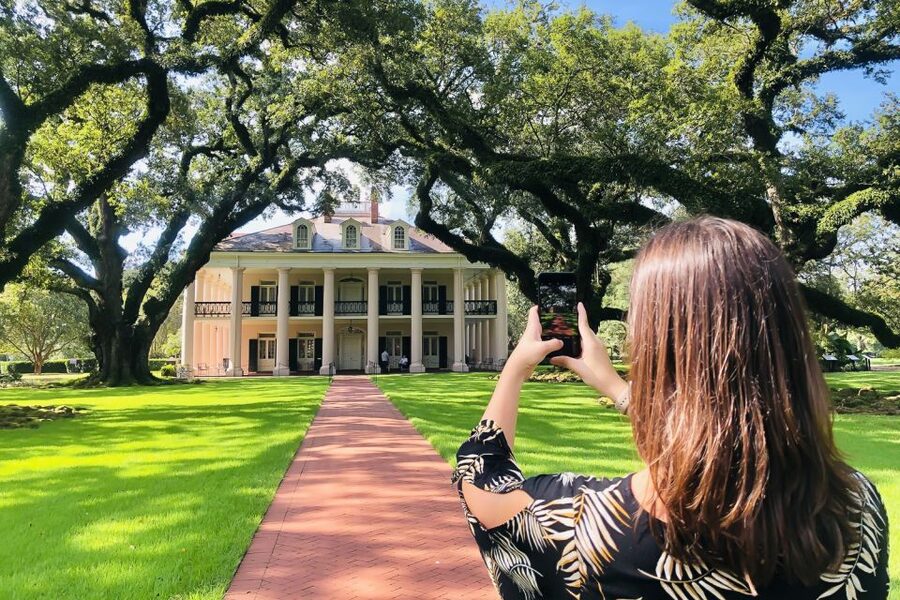
Oak Alley hits hard, then keeps speaking. This New Orleans tour pairs round-trip transportation with time at Oak Alley Plantation’s famous 1/4 mile Allee of oaks, plus guided interpretation inside the Greek Revival Big House. I especially like how the visit doesn’t stop at pretty scenery, it includes reconstructed slave cabins and a slavery exhibit with an interpreter.
The one thing to plan around is time: with transportation built in, your on-site free time can feel tight, so you may need to choose what you slow down for.
In This Review
- Key highlights worth your attention
- Oak Alley from New Orleans, what the $89 really covers
- Meeting at the Lighthouse Ticket Office and getting rolling
- The drive past plantations and the Bonnet Carre Spillway viewpoint
- Walking the 1/4 mile Allee of oaks, beauty with context
- Big House guided tour: Greek Revival rooms and the stairs rule
- Sugarcane Theater, blacksmithing forge, and why the exhibits matter
- Reconstructed slave cabins and the Slavery at Oak Alley exhibit with interpreter
- East and West Gardens, plus what happened after the Civil War
- Lunch at the Plantation Café, and why timing can feel tight
- Upgrade: 90-minute Manchac Swamp pontoon cruise for alligator spotting
- Should you book this Oak Alley tour with transportation?
- FAQ
- How long is the Oak Alley Plantation tour with transportation?
- Where do I meet in New Orleans?
- Is lunch included in the price?
- Are cameras allowed?
- What does the 90-minute swamp tour upgrade include?
- Is the Big House second floor wheelchair accessible?
Key highlights worth your attention
- Round-trip bus ride from the Steamboat Natchez dock, right behind JAX Brewery
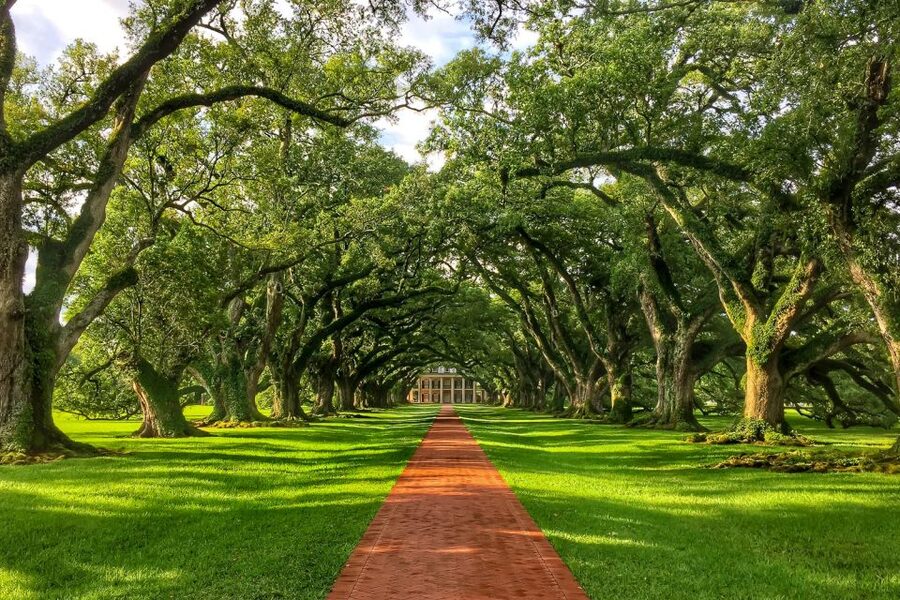
- 1/4 mile Allee of oaks created using slave labor (from the 1820s to the 1840s), with major photo moments
- Guided Big House exhibit tour plus other curated stops across the property
- Slavery at Oak Alley exhibit with an interpreter, paired with reconstructed slave cabins
- Sugarcane Theater, blacksmithing forge, and East and West Gardens to connect labor, daily life, and changing eras
- Optional 90-minute Manchac Swamp pontoon tour through a privately owned wildlife refuge
Oak Alley from New Orleans, what the $89 really covers
At $89 per person, this is not just an admission ticket plus a bus ride. You are paying for three practical things that add up fast on a day trip: door-to-door transportation, a guided tour of the Big House, and access to multiple interpretive exhibits across the property. That matters, because Oak Alley is big, and you will get more out of it if you are not trying to coordinate everything on your own.
This tour is also built for comfort on a long travel day. The drive is long enough that having a bus with restroom access is genuinely helpful. In the real world, that kind of small comfort can make the difference between a “saw it and rushed back” trip and one where you actually take in the grounds and exhibits without white-knuckling the schedule.
Meeting at the Lighthouse Ticket Office and getting rolling
Your check-in point is the Lighthouse Ticket Office at Toulouse St. and the Mississippi River, with departures from 400 Toulouse Street at the Steamboat Natchez dock behind JAX Brewery. You’re told to display your barcoded voucher 15 minutes in advance, so don’t show up at the last minute and hope for the best.
One practical tip that comes straight from how the day works: arrive early enough that you can relax and get settled on the bus. Some days start smoothly and then the loading line slows everyone down. If you want a calmer start, give yourself a buffer, grab a coffee if it’s available nearby, then board.
Additional Historic Plantation Tours on the review pile in New Orleans
The drive past plantations and the Bonnet Carre Spillway viewpoint
Once you’re on the road, the tour gives you a geography lesson with actual scenery. You cross the Bonnet Carre Spillway, which functions as the flood outlet for the Mississippi River, and you get panoramic views out toward Lake Pontchartrain.
The route also includes pass-by moments of other plantation properties along the river, including Whitney, Evergreen, Felicity, and St. Joseph. Even though you’re not stopping at all of them, this creates context fast. You start to see how sugarcane and cotton production were tied to where the water and transport routes were. It’s a quick setup that makes what you see later on the plantation grounds feel less random.
Also, the bus portion often includes commentary. In past groups, drivers like Robert and Alton were praised for adding information while driving, so the ride doesn’t feel like dead time.
Walking the 1/4 mile Allee of oaks, beauty with context
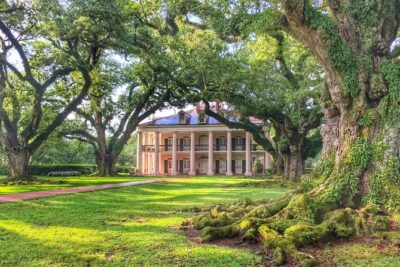
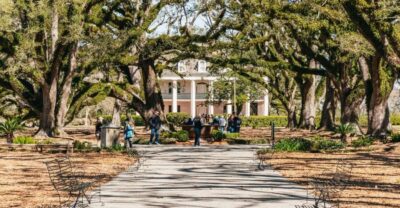
The Allee of oaks is the signature experience here. You’ll walk through a 1/4 mile corridor of enormous oaks, and the trees were planted using slave labor sometime between the 1820s and the 1840s. That detail changes the tone of your photos. The walk is visually stunning, but you are also standing in a corridor shaped by coerced work and plantation power.
This is the kind of stop where pacing matters. If you rush, you get the classic photo view and miss the slower realization of scale. If you linger, you get a better feel for how the plantation layout directed movement, attention, and authority.
And yes, you will see people stopping constantly for pictures. If you want your own calm moment, go at a steady walk pace and pause when the light looks good, rather than waiting for others to finish.
Big House guided tour: Greek Revival rooms and the stairs rule
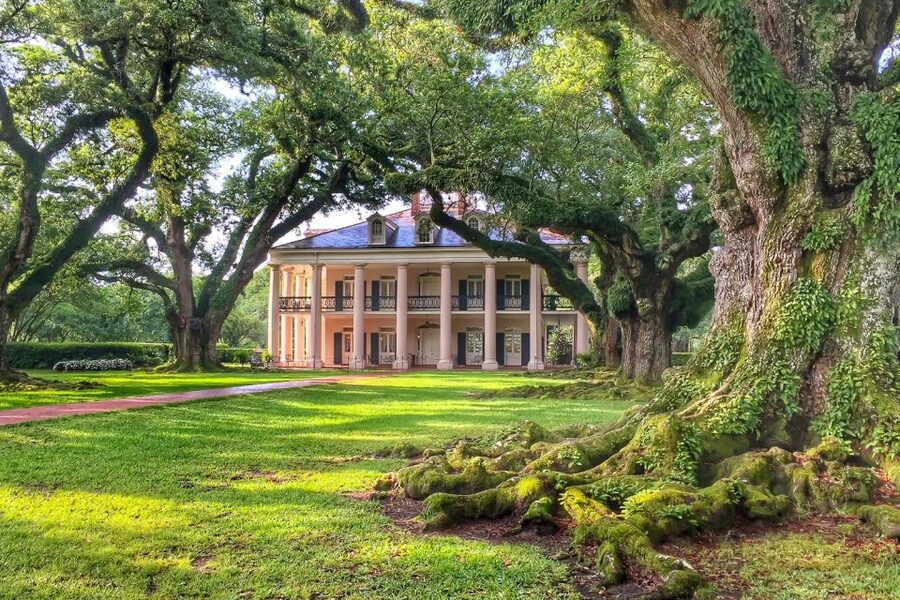
The Big House is a Greek Revival mansion built in 1839, and the guided portion helps you connect the architecture to the social system that powered it. You will learn about what life looked like for the planter family, and the experience is framed against the realities of enslavement and forced labor.
Here are two practical things to know before you go:
- No photography or video is allowed inside the plantation home. Outdoor areas like the balcony, grounds, and self-paced exhibits are more flexible, but follow on-site rules.
- The Big House has access limits on the second floor. The tour notes that the second floor involves 22 stairs. If climbing isn’t possible, there is a video tour available in the media room, but it needs to be reserved due to limited seating.
In several groups, the inside guide and the Big House explanations were highlighted as a major reason people felt the trip was worth it. Names that were praised include Michelle, Robert, and Mary, along with site guides like Anne. If you’re someone who asks questions, this is a good place to do it. The guided format is the best chance to ask about details you notice while walking room to room.
Sugarcane Theater, blacksmithing forge, and why the exhibits matter
Beyond the Big House, you get a spread of interpretive stops that help you understand the plantation as a working system, not just an estate with a pretty building.
You’ll have access to the Sugarcane Theater, which shows a film on sugarcane production and displays related materials. This is useful because it gives you the production chain, not just the final product or the romance of the architecture. Even if you think you already know how sugarcane farming worked, the theater framing helps you connect field labor to what the plantation ultimately produced.
You’ll also see the blacksmithing exhibit, including the plantation’s original forge. That’s one of those practical details that makes the past feel less abstract. A working plantation required repairs, tools, and constant maintenance, and seeing a forge makes that idea more concrete.
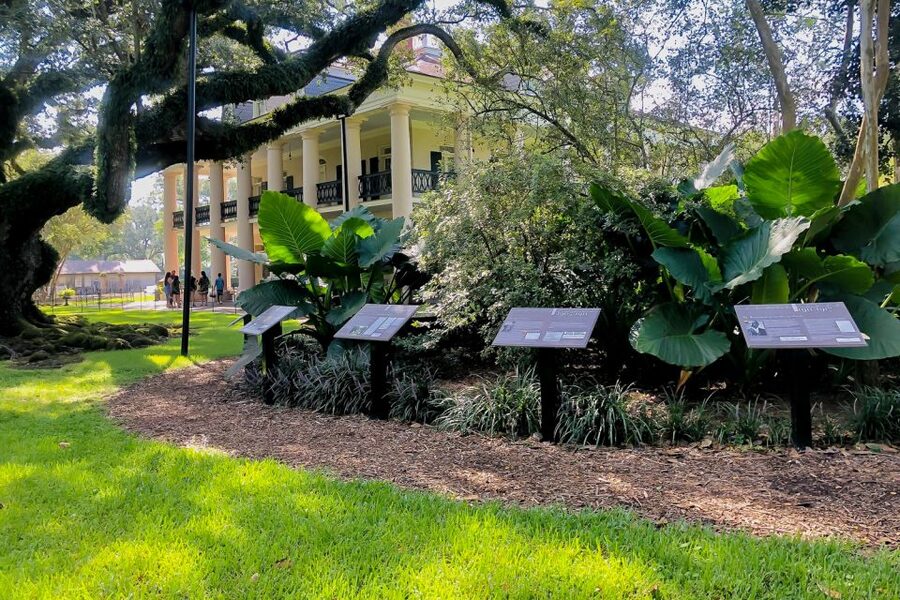
These are also stops where you can slow down. The exhibits are designed for self-paced viewing in parts of the complex, so if you’re the type who likes to read every placard, you can take your time here.





Reconstructed slave cabins and the Slavery at Oak Alley exhibit with interpreter
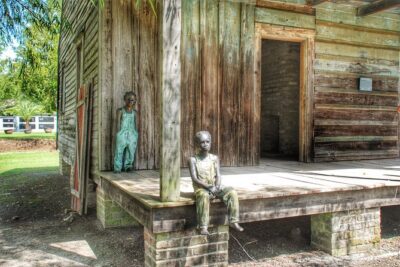
This is the section of the day that carries the most emotional weight. The tour includes reconstructed slave cabins and the Slavery at Oak Alley exhibit, with an interpreter leading the presentation. The interpretive focus is specifically on the lives and legacies of people enslaved at Oak Alley.
In a few of the higher-rated experiences, people appreciated how the tour highlighted enslaved lives instead of only emphasizing the planter side of the story. That said, there is also a valid planning consideration: some visitors felt the tour pacing inside the house was quick, and a few wished for even more background on what enslaved people endured, not just what hardship meant to the system.
My advice is simple: treat this part like the main event. Don’t rush it just because the grounds are scenic. If your goal is to understand the full truth of how this plantation worked, this is where you should aim your attention and your time.
East and West Gardens, plus what happened after the Civil War
You’ll also have time in the East and West Gardens, gardens that reflect two different time periods: the 1840s and the 1930s. That timing is a clever way to show how plantation spaces changed as owners changed, and as the meaning of the grounds shifted over time.
The tour also includes an exhibit on the subsequent owners following the Civil War. It’s not meant to erase what came before, but it does help answer a question people naturally have when they see a well-preserved estate: how did it continue, and who controlled it next?
If you like continuity, spend a little extra time reading in this section. The gardens and follow-on ownership exhibit connect the physical layout to changing eras, so you can better interpret what you see rather than treating it as a single frozen moment.
Lunch at the Plantation Café, and why timing can feel tight
Lunch is not included. You can buy food at the Plantation Café, with options like sandwiches, salads, and snacks, and you can eat at picnic tables or aboard the coach.
This is where I want you to be realistic. Several people praised the tour’s information and exhibits, but a common theme was that the on-site schedule can feel rushed, especially if you want time to browse everything at a leisurely pace or sit down for a warmer meal. Some people would have liked an extra 30 to 40 minutes on the property. Others felt they needed closer to 3 to 4 hours to really see everything and read all the interpretive signage.
My practical workaround:
- Eat before you arrive if you can. It reduces stress when the timing compresses.
- If you do plan to buy lunch onsite, go for a quick option and treat it as fuel, not a full break.
- If you care about details, aim to read longer at the exhibits that match your interests most, like the slavery exhibit and the sugar production materials, rather than trying to do everything equally fast.
Upgrade: 90-minute Manchac Swamp pontoon cruise for alligator spotting
If you choose the upgrade, the tour adds a 90-minute swamp tour at Manchac Swamp. You’ll ride in a covered pontoon boat through a privately owned wildlife refuge, with a local captain driving.
This is not just a wildlife excursion. The tour includes history of Frenier and the Cajun culture of fishing, hunting, and trapping. It’s a different lens from the plantation itself, and it helps balance your day with a look at how people adapted to local ecosystems and livelihoods.
And yes, the alligator part is real. The instructions specifically tell you to keep your eyes peeled for alligators as they leap up for snacks. That moment is usually the fun payoff that makes the longer drive feel worth it.
Should you book this Oak Alley tour with transportation?
I’d book it if you want a guided, structured day trip that combines the iconic oak-lined walk with multiple interpretive layers. The best fit is someone who appreciates guided context, wants to learn beyond the postcard view, and values the convenience of transportation leaving from a central New Orleans dock.
You might consider a different plan if you know you want hours of unhurried wandering. A few experiences reported feeling squeezed for time on the grounds, especially if you planned to eat a full meal onsite and still see everything. In that case, you can still do this tour, but go in ready to prioritize the exhibits that matter most to you, and expect your free time to be limited.
One more quick value check before you decide: the $89 price includes transport plus a guided Big House component and access to several exhibits. It becomes easier to feel good about the cost when you remember how hard it is to recreate the same structure yourself in a single half-to-full day.
If you want a straightforward day from New Orleans that mixes beauty, labor history, and an optional wildlife experience, this is a strong choice. And if you do book, plan for comfy shoes, skip the photo temptation inside the Big House, and give the slavery exhibits the time they deserve.
FAQ
How long is the Oak Alley Plantation tour with transportation?
The total duration is listed as 315 to 465 minutes, so the exact length depends on the starting time and schedule.
Where do I meet in New Orleans?
You check in at the Lighthouse Ticket Office at Toulouse St. and the Mississippi River. Tours depart from 400 Toulouse Street at the Steamboat Natchez dock directly behind JAX Brewery.
Is lunch included in the price?
Lunch is not included. Food is available to purchase in the Plantation Café, including grab-and-go meals, snacks, salads, and sandwiches.
Are cameras allowed?
Cameras are listed as not allowed. The rules also say that no photography or video is allowed inside the plantation home, while photography is encouraged on the balcony, grounds, and in self-paced exhibits. Follow the on-site rules.
What does the 90-minute swamp tour upgrade include?
The upgrade adds a 90-minute pontoon cruise through Manchac Swamp in a privately owned wildlife refuge. You ride in a comfortable covered boat driven by a local captain, and you’ll learn about Frenier and Cajun culture related to fishing, hunting, and trapping.
Is the Big House second floor wheelchair accessible?
Basic wheelchairs and motorized wheelchairs are permitted, and most exhibits are accessible. The second floor of the Big House has 22 stairs. For visitors who cannot climb the stairs, a video tour is available in the media room, but seating is limited and it needs to be reserved.
Historic Plantation Tours: further reviews from New Orleans
- Swamp Boat Ride and Oak Alley Plantation Tour from New Orleans★ 5.0 · 3,303 reviews
- Oak Alley Plantation Tour with Transportation from New Orleans★ 4.5 · 1,747 reviews
- Whitney Plantation Tour with Transportation from New Orleans★ 4.5 · 1,351 reviews
- Laura Creole Plantation Guided Tour★ 5.0 · 1,279 reviews
- New Orleans: Bayou Swamp Tour and Oak Alley Plantation Tour★ 4.7 · 1,147 reviews
Tours: the rest of the New Orleans file
- New Orleans Premier Ghost, Voodoo and Vampire Walking Tour★ 4.5 · 12,856 reviews
- Adults-Only New Orleans Ghost, Crime, Voodoo, and Vampire Tour★ 5.0 · 6,545 reviews
- New Orleans Food Walking Tour of the French Quarter with Small-Group Option★ 5.0 · 6,118 reviews
- New Orleans Swamp and Bayou Boat Tour with Transportation★ 5.0 · 5,399 reviews
- New Orleans City Sightseeing Hop-On Hop-Off Bus Tour★ 4.5 · 4,943 reviews
Tour Reviews: more from our New Orleans desk
- New Orleans Premier Ghost, Voodoo and Vampire Walking Tour★ 4.5 · 12,856 reviews
- New Orleans Steamboat Natchez Jazz Cruise with Dinner Option★ 4.0 · 7,533 reviews
- Adults-Only New Orleans Ghost, Crime, Voodoo, and Vampire Tour★ 5.0 · 6,545 reviews
- New Orleans Food Walking Tour of the French Quarter with Small-Group Option★ 5.0 · 6,118 reviews
- New Orleans Swamp and Bayou Boat Tour with Transportation★ 5.0 · 5,399 reviews
Newest New Orleans reviews added to this site
- Adults-Only Uncensored Ghost, Vampire, and Voodoo Walking Tour
★ 4.5 · 311 reviews - Seven Three Distilling Tour and Tasting
★ 5.0 · 319 reviews - Private Transfer in New Orleans MSY/Home/Hotel/Work
★ 5.0 · 325 reviews - New Orleans: 2-Hour 15-Minute City and Cemetery Tour by Bus
★ 4.7 · 326 reviews - French Quarter True Crime Walking Tour
★ 5.0 · 327 reviews - New Orleans Combo Tour: Voodoo, Vampire, and Ghost Tour
★ 4.5 · 327 reviews - New Orleans Spirits & Spells: Witchcraft, Voodoo, and Ghost Tour
★ 5.0 · 329 reviews - Private Arrival Transfer from Louis Armstrong New Orleans Airport
★ 4.5 · 334 reviews - Hands-on Cajun Roux Cooking Class in New Orleans
★ 5.0 · 356 reviews - Honey Island Swamp Boat Tour with Transportation from New Orleans
★ 5.0 · 361 reviews
Historic Plantation Tours
 ★ 5.0Swamp Boat Ride and Oak Alley Plantation Tour from New OrleansFrom $1313,303 reviews
 ★ 4.5Oak Alley Plantation Tour with Transportation from New OrleansFrom $891,747 reviews
 ★ 4.5Boone Hall Plantation All-Access Admission TicketFrom $361,736 reviews
 ★ 4.5Whitney Plantation Tour with Transportation from New OrleansFrom $891,351 reviews
 ★ 5.0Laura Creole Plantation Guided TourFrom $321,279 reviews
 ★ 4.7New Orleans: Bayou Swamp Tour and Oak Alley Plantation TourFrom $1251,147 reviews
 ★ 4.7New Orleans: Oak Alley Plantation & Airboat Swamp Combo TourFrom $160906 reviews
 ★ 4.5Magnolia Plantation Admission & Tour with Transportation from CharlestonFrom $90836 reviews
This one is also listed in