
Review · PHILADELPHIA HISTORIC TOURS
Philadelphia: History, Highlights & Revolution Walking Tour
Revolutionary Philly reads like a living script. This Old City walking tour brings America’s founding era to street level, with stop-and-stare landmarks and a Museum of the American Revolution presentation that adds texture to the usual textbook version of events. You also get a discounted ticket option for the museum after the walk, which helps if you want to keep going.
I love how the route hits the big hitters in one focused stretch: Independence Hall and the Liberty Bell are the anchors, and the tour builds out from there with nearby places that explain how the story expands beyond one single building. I also like the guide-driven approach, where the narration connects the dots between architecture, symbolism, and the human scale of the Revolution period.
One consideration: it’s 150 minutes on foot, so it moves at tour speed. If you want to linger forever at every site, or you’re sensitive to crowds and lines at major landmarks, this is best treated as a smart first pass, then follow up on your favorite stops later.
In This Review
- Key things that make this tour worth your time
- From Signer Statue to Old City Game Plan
- Independence Mall and the Independence National Historical Park Story Thread
- Independence Hall: Where the founding documents take shape
- Liberty Bell: Symbol in focus, not just a selfie stop
- Congress Hall and Carpenters’ Hall: Big decisions, smaller stories
- The recreated President’s House: Leadership you can picture
- Museum of the American Revolution: live tent demonstration and a follow-up discount
- Elfreth’s Alley: old streets that make the timeline feel real
- Betsy Ross House and Benjamin Franklin: respect, symbolism, and faces
- North 6th Street and Market Street, plus the US Mint pass-by
- What you’ll learn from the guide, and why it affects your whole day
- Value check: does $45 make sense for what you get?
- So, should you book this Philly Revolution walking tour?
- FAQ
- Where does the tour meet?
- How long is the Philadelphia history walking tour?
- What’s included with the ticket?
- What sites are part of the walk?
- Is the tour wheelchair accessible?
- What language is the tour guide?
- Can I cancel if my plans change?
- Is this tour only for history experts?
Key things that make this tour worth your time
- A tight 150-minute loop through Old City’s most recognizable Revolutionary-era stops
- Independence Hall and the Declaration-era story explained in plain language
- Liberty Bell photo stop that goes beyond the postcard version
- Museum of the American Revolution live demo, including the tent associated with George Washington
- Elfreth’s Alley and Betsy Ross House, so you see everyday Philadelphia alongside the politics
- President’s House recreation, which helps you picture leadership life instead of just dates
From Signer Statue to Old City Game Plan
Your tour starts at the Signer Statue in Signer’s Garden. That matters because Old City can feel busy and confusing if you arrive late or wander the wrong block. Show up a bit early, stand near your meeting point, and you’ll be ready to click into the story without wasting time.
If you’re driving, plan for parking time. The tour area is full of lots and decks, and street or metered parking is not ideal because the typical limit is only two hours, shorter than the walking window you’re buying. You’ll spend less energy on logistics and more on the day if you park once and commit to walking.
The vibe here is practical and guide-led. You’re not just moving from photo spot to photo spot. The route is built to help you understand why these buildings and street corners mattered, and the guide keeps the pacing moving so you fit the major stops plus the museum presentation inside 150 minutes.
Independence Mall and the Independence National Historical Park Story Thread
The tour moves from Independence Mall into Independence National Historical Park, where the setting itself does some storytelling. This area is built around the Revolutionary era, but seeing it in the context of a guided walk makes it easier to notice patterns: where the political action was concentrated, how the spaces connect, and how the founding story is not just one moment.
As you pass by, you get a guided overview that helps you sort what is landmark famous versus what is important for understanding the timeline. That’s a big deal if you’re visiting with limited time. Instead of feeling like you’re cramming names, you start to see the “why” behind the famous sites.
A perk of a short, focused history walk is that it’s easier to stay engaged. You get constant momentum, and the guide’s job is to keep the big picture clear while still offering enough detail to make the stops feel real.
Additional Walking Tours on the review pile in Philadelphia
Independence Hall: Where the founding documents take shape
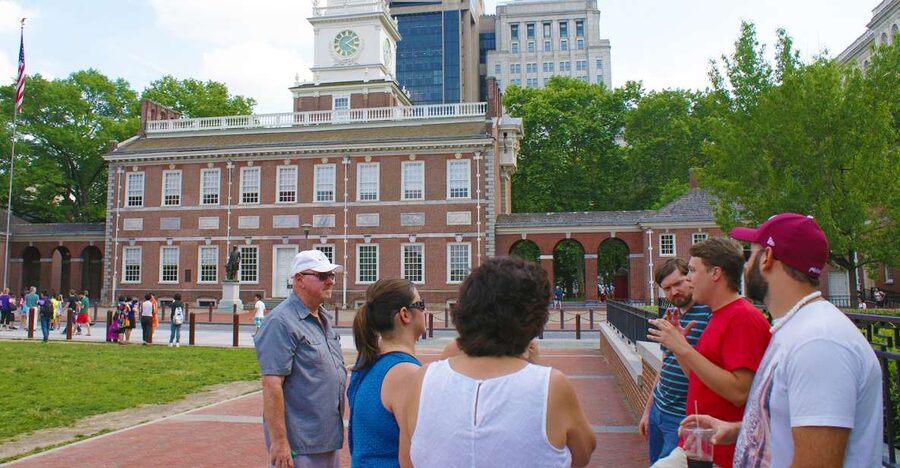
At Independence Hall, the tour zeroes in on what makes this place a true anchor of American history. This is where the Declaration of Independence and the US Constitution were created, and the guide frames what that means in everyday terms, not just as distant facts.
Even if you’ve seen photos for years, being in the area where those foundational steps happened changes the feeling. It stops being abstract. Suddenly, the founding reads like a process carried out by people living in a specific city with specific constraints.
Here’s what I’d watch for: listen for the way the guide connects the document moment to what came before and what followed. The best history tours do that. They make a building feel less like a monument and more like a workplace in a complicated time.
Liberty Bell: Symbol in focus, not just a selfie stop
The Liberty Bell is the kind of place where you can easily fall into autopilot. You see it, you take the picture, and you move on. This tour does better than that because it uses the stop to explain the meaning behind the symbol.
You get a photo stop and guided context, which is the right combo here. You’re not locked into a long detour, but you also come away understanding why the Liberty Bell is so recognizable and why it became tied to American ideas of freedom.
Practical tip: treat this as your second “anchor” point. After you’ve seen Independence Hall, the Liberty Bell stop helps you reset your brain, linking political change with a broader public symbol.
Congress Hall and Carpenters’ Hall: Big decisions, smaller stories
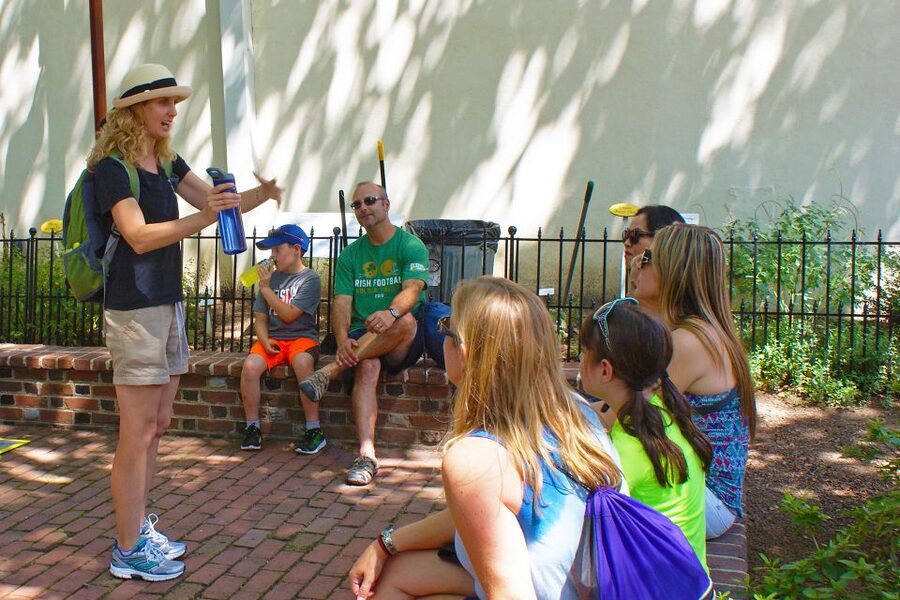
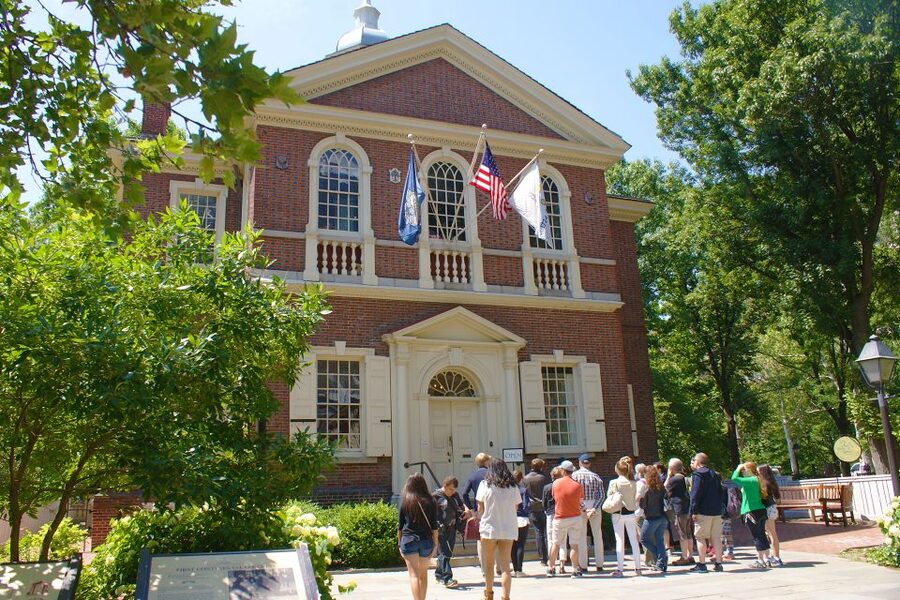
After the major hits, you’ll pass by other historic buildings that keep the narrative moving. Congress Hall and Carpenters’ Hall are on the route for a reason: they help show that Philadelphia’s founding era was not only about one iconic building. It was also about where discussions happened and how leadership worked day to day.
The tour keeps things human. You’re not just memorizing a list of sites. The guide’s storytelling approach aims to show how the Revolution period involved many different roles, not just a handful of headline names.
If you’re an American history novice, these stops are especially useful. They broaden your map of what mattered in the city beyond the most famous names. If you’re a history buff, they’re a chance to see how the guide keeps the big story organized without getting lost in overly technical detail.
The recreated President’s House: Leadership you can picture
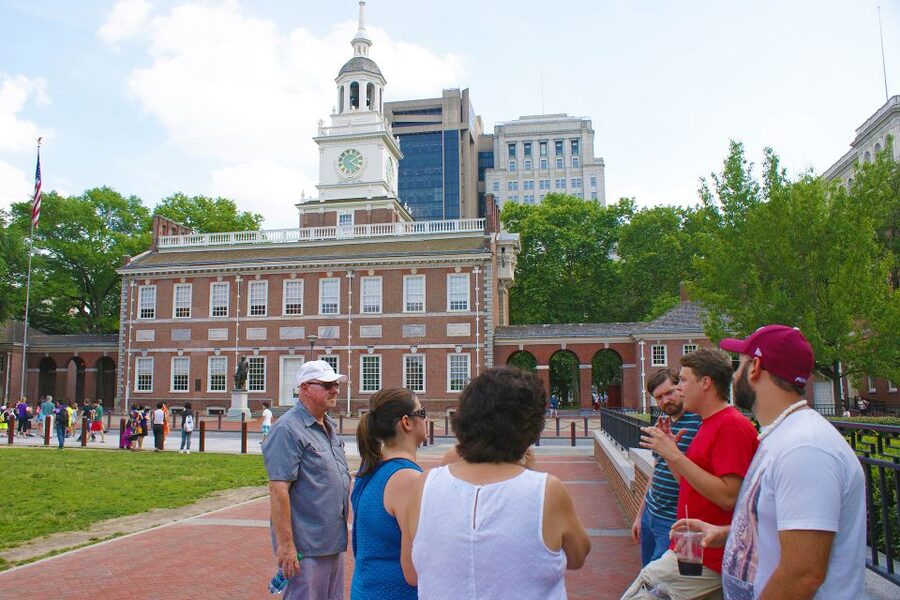
One of the most memorable moments on this experience is stepping into the recreated President’s House. You’ll be guided up the steps and into the site, and the narration focuses on the lives of the two leaders who lived here, plus the often untold stories of individuals who played key roles in founding the nation.
This is where a short walking tour can quietly beat a longer museum-only visit. A reproduction is not the real thing, but it often helps your imagination do the heavy lifting. You start to picture movement through rooms, what daily routines might have looked like, and how power worked at a human scale.
The value for you: this stop makes the founding era feel more connected to real lives. Instead of just hearing about documents, you’re also thinking about people, homes, and the daily machinery of leadership.
Elsewhere under Historical Tours across Philadelphia




Museum of the American Revolution: live tent demonstration and a follow-up discount
At the Museum of the American Revolution, the tour includes a special presentation plus a live demonstration. One highlight is the tent that George Washington lived in during the war. That single detail changes the tone from lecture to atmosphere. It puts a physical object behind a name you already know.
You’re also getting discounted admission into the museum that you can redeem after the tour. That’s a clever way to balance attention. During the walk, you’re guided through the key story points. After the tour, you can spend your own time in the museum based on what grabbed you most.
What I like about this setup: it helps you avoid the all-or-nothing trap. You’re not forced to commit to a full museum day on the same schedule as your walking tour. You can treat the demonstration as the spark, then decide how long you want to keep exploring afterward.
Elfreth’s Alley: old streets that make the timeline feel real
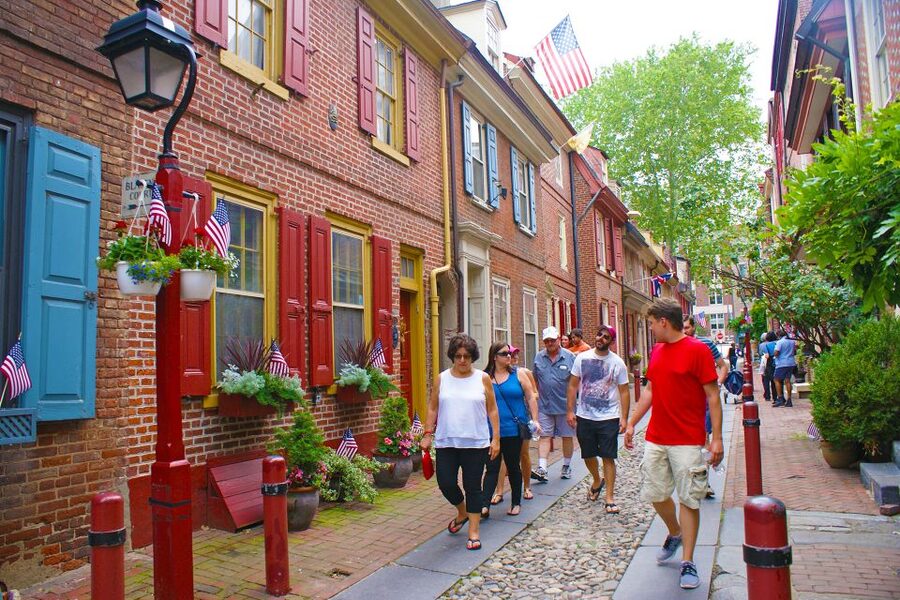
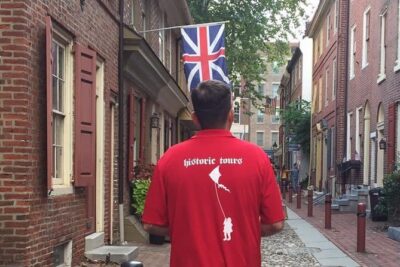
Then the tour turns toward everyday Philadelphia. You’ll stroll down Elfreth’s Alley, described as the nation’s oldest continuously inhabited residential street. That detail matters because it shifts the story from purely political decision-making to daily life.
The point here is not to turn the walk into a real estate tour. It’s to give you a sense of continuity, how revolutionary ideas were formed in a city where regular people kept living, working, and building communities.
This is also a great place for photos, especially if you’re traveling with a mix of history fans and people who prefer architecture and atmosphere. The guide’s narrative keeps it grounded in the Revolution era, but the street itself makes it easier to understand without needing to memorize dates.
Betsy Ross House and Benjamin Franklin: respect, symbolism, and faces
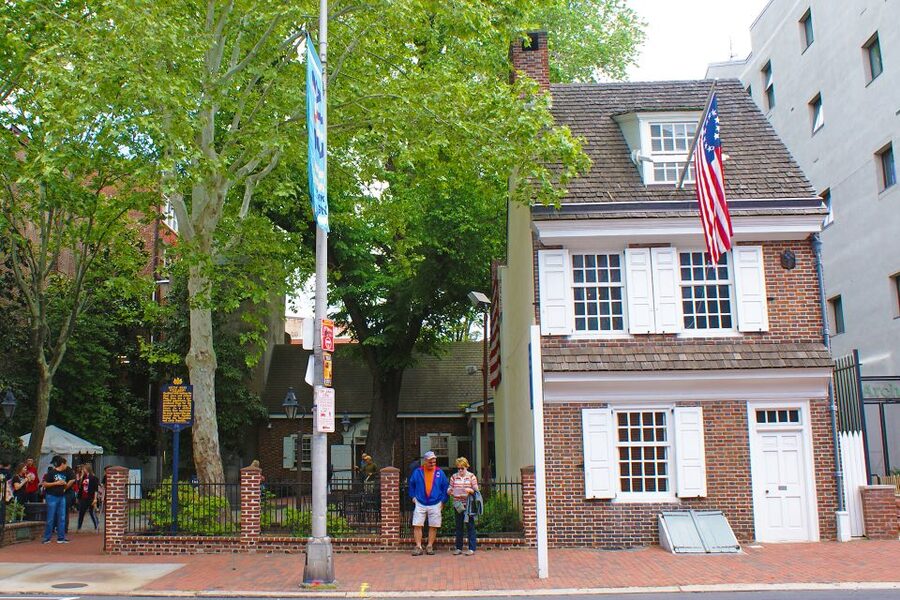
The Betsy Ross House is a guided stop where you’ll take a memorable picture. The guide also frames Betsy Ross as the famed upholsterer credited with creating the first American flag.
This part of the experience works well because it adds a different kind of “founding” story. You’re not only looking at leadership and politics. You’re also seeing how symbol and craftsmanship became part of the national identity.
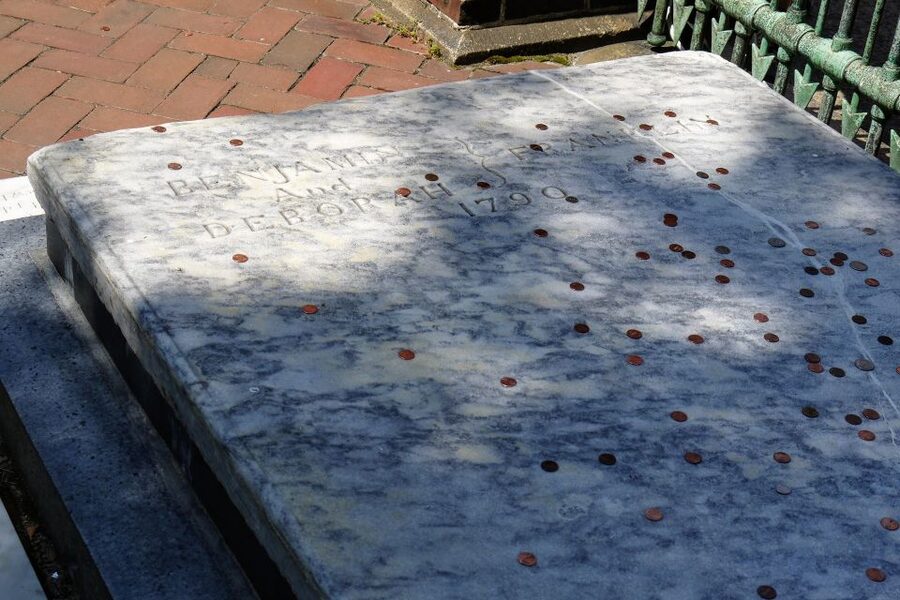
Next, you pass by Benjamin Franklin’s burial site and learn while you pay respects. Franklin is one of those names many people recognize, but the guided context helps you move beyond nickname-level knowledge. It becomes a person tied to the city’s story in a visible, specific place.
If you’re traveling as a couple or with kids, these stops are a nice emotional rhythm. Independence Hall and the Liberty Bell are powerful and official. Betsy Ross and Franklin bring it closer to real individuals you can imagine.
North 6th Street and Market Street, plus the US Mint pass-by
As the tour heads toward the finish at Old City, you’ll pass by North 6th Street and Market Street. This is where the walk often feels like a history relay, connecting the Revolutionary-era landmarks to the city you’re standing in today.
The highlights also include seeing the US Mint. While you might not spend a long, dedicated block of time there, it’s an important visual link in the chain from founding-era symbols to the way the country continues making national identity tangible.
By the time you reach the end in Old City, you should feel oriented. You know what to prioritize if you return for museums or if you want to revisit a favorite stop with more time.
What you’ll learn from the guide, and why it affects your whole day
This tour rises or falls on the guide, and the pattern in the guide feedback is pretty clear. Names like John, Brittney, Maria, Adam, Tom, Nina, Peter Coë, Caroline, and PJ show up repeatedly in the kind of praise you want: engaging storytelling, strong pacing, and answers that don’t feel like a scripted lecture.
The best guides here do a few things well:
- They keep the narrative on track so you can remember the story without getting overwhelmed.
- They make room for questions and adjust the focus when the group has different interests.
- They bring personality without turning the tour into a performance.
Another detail worth knowing from how the tour has been described: the experience can be fun for mixed ages. You can be traveling with an adult who wants facts and also a teen who needs the story to feel alive, and it tends to work.
A small, practical note: wear shoes you can walk in for over two hours. Even if you only stop occasionally for photos, the tour is still a real walking session.
Value check: does $45 make sense for what you get?
At $45 per person and 150 minutes, this is not a throwaway add-on. It’s priced like a real guided experience. What helps justify it is that the fee bundles several key items into one purchase: the local guide, the museum presentation with the live demonstration, a donation to a local community organization, and the national park service fee. On top of that, you receive discounted admission into the Museum of the American Revolution for after your walk.
If you tried to replicate the experience yourself, you’d likely spend money on separate components: a guided introduction for Old City, plus a structured museum experience that doesn’t leave you guessing what matters most. This tour does the selecting and sequencing for you.
Is it a full museum day? No. It’s a focused overview. But for many visitors with limited time, that’s actually the point. You get the main story beats, plus a reason to come back for deeper museum time in the areas that grabbed you.
So, should you book this Philly Revolution walking tour?
Yes, if you want a smart, time-efficient way to learn Philadelphia’s founding story. I’d book it if you’re juggling a packed schedule, you like having a guide connect the dots, and you want the Liberty Bell and Independence Hall context without needing to plan a perfect day by yourself.
I’d also book it if you enjoy photo stops but don’t want the experience to be only photos. Stops like Elfreth’s Alley and the Betsy Ross House add texture, and the Museum of the American Revolution presentation with the George Washington tent detail gives you something visual and specific.
Skip it, or at least treat it as the warm-up, if you already know the founding era extremely well and you’re hoping for long, deep museum time on the same ticket. This tour is about the overview and the right order, not about lingering all day inside every major site.
FAQ
Where does the tour meet?
Meet your guide at the Signer Statue in Signer’s Garden.
How long is the Philadelphia history walking tour?
The duration is 150 minutes.
What’s included with the ticket?
The ticket includes a local guide, a demonstration at the Museum of the American Revolution, discounted admission into the museum to redeem after the tour, a donation to a local community organization, and a national park service fee.
What sites are part of the walk?
You’ll see or pass by Independence Hall, the Liberty Bell, Congress Hall, Carpenters’ Hall, Elfreth’s Alley, the Betsy Ross House, Benjamin Franklin’s grave area, and you’ll also see the US Mint. The tour also includes the Museum of the American Revolution.
Is the tour wheelchair accessible?
Yes, the tour is wheelchair accessible.
What language is the tour guide?
The live tour guide provides the tour in English.
Can I cancel if my plans change?
You can cancel up to 24 hours in advance for a full refund.
Is this tour only for history experts?
No. The tour is described as a fit for everyone, from American history novices to true history buffs.
Still working through Walking Tours in Philadelphia
- Philadelphia Old City Historic Walking Tour with 10+ Top Sites★ 5.0 · 2,020 reviews
- The Constitutional Walking Tour of Philadelphia★ 4.5 · 902 reviews
Tours: the rest of the Philadelphia file
- Dark Philly Adult Night Tour★ 5.0 · 4,241 reviews
- Revolution and the Founders: History Tour of Philadelphia★ 5.0 · 2,944 reviews
- Philadelphia Hop-On Hop-Off City Tour★ 4.0 · 2,347 reviews
- Philadelphia Old City Historic Walking Tour with 10+ Top Sites★ 5.0 · 2,020 reviews
- 2.5 Hour Philadelphia History Tour with Washington War Tent Show★ 5.0 · 924 reviews
Tour Reviews: more from our Philadelphia desk
- Dark Philly Adult Night Tour★ 5.0 · 4,241 reviews
- Revolution and the Founders: History Tour of Philadelphia★ 5.0 · 2,944 reviews
- Philadelphia Hop-On Hop-Off City Tour★ 4.0 · 2,347 reviews
- Philadelphia Old City Historic Walking Tour with 10+ Top Sites★ 5.0 · 2,020 reviews
- 2.5 Hour Philadelphia History Tour with Washington War Tent Show★ 5.0 · 924 reviews
Newest Philadelphia reviews added to this site
- Philadelphia: History, Highlights & Revolution Walking Tour
★ 4.9 · 317 reviews - Classic Philadelphia City Bike Tour
★ 5.0 · 323 reviews - Philadelphia: Double-Decker Sightseeing Bus Tour
★ 4.2 · 332 reviews - Inside Philadelphia’s Italian Market: Chef-Led Tasting Journey
★ 5.0 · 354 reviews - City Cruises Philadelphia: Signature Dinner Cruise with Buffet
★ 4.0 · 372 reviews - True Crime Philadelphia and History Tour
★ 5.0 · 416 reviews - Philadelphia: Revolution and The Founders History Tour
★ 4.6 · 450 reviews - Flavors of Philly Food Tour
★ 5.0 · 505 reviews - Double Decker Hop-On Hop-Off City Sightseeing Philadelphia (1, 2, or 3-Day)
★ 4.0 · 562 reviews - Philadelphia 2 Hour Electric Cart Tour
★ 5.0 · 633 reviews
Philadelphia Historic Tours, side by side.
 ★ 5.0Revolution and the Founders: History Tour of PhiladelphiaFrom $292,944 reviews
 ★ 4.5From New York City: Washington and Philadelphia 1-Day TourFrom $1042,877 reviews
 ★ 4.0Philadelphia Hop-On Hop-Off City TourFrom $392,347 reviews
 ★ 5.0Washington DC & Philadelphia 1-Day Guided Tour from NYCFrom $1282,109 reviews
 ★ 5.0Philadelphia Old City Historic Walking Tour with 10+ Top SitesFrom $432,020 reviews
 ★ 5.02.5 Hour Philadelphia History Tour with Washington War Tent ShowFrom $45924 reviews
 ★ 4.5The Constitutional Walking Tour of PhiladelphiaFrom $30902 reviews
 ★ 4.7Philadelphia: Eastern State Penitentiary AdmissionFrom $21894 reviews
This one is also listed in