
Review · MUSEUMS
The National WWII Museum Campus Pass plus 4-D Film
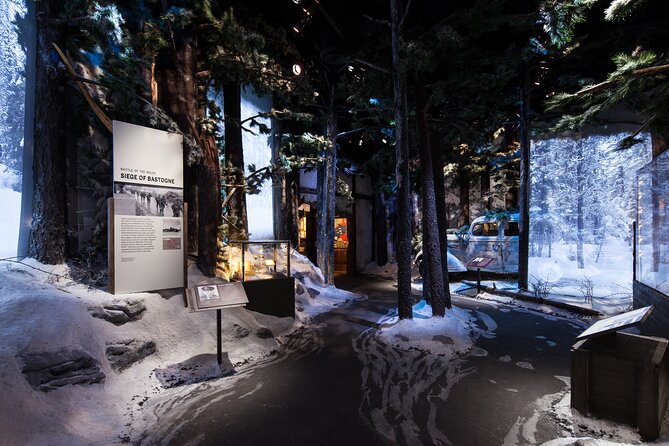
WWII comes alive in 4D. This National WWII Museum Campus Pass pairs timed entry to the Tom Hanks 4D film Beyond All Boundaries with full access to the museum’s downtown campus, so you can build a day around the experience you care about most.
I love that this combo helps you avoid ticket purchase lines, especially for a popular 4D screening. I also like that the campus is spread across multiple pavilions, so your visit feels like a journey through the war rather than one single room.
One consideration before you commit: the 4D film uses loud noises, flashing lights, fog effects, and sudden chair movements, and it is not closed captioned. If you have medical concerns or hearing needs, plan your seating options ahead of time.
In This Review
- Key things to know before you go
- What the Campus Pass Plus 4D Film actually gives you
- Touring a 6-acre downtown campus (and why that matters)
- Solomon Victory Theater and Beyond All Boundaries in 4D
- Using your timed entry smartly: museum first, movie next
- Five WWII pavilions and the art of paying tribute across buildings
- How much time you truly need (hint: plan more than you think)
- Comfort tips that make a big difference in a big museum
- Who this pass is best for (and who should adjust)
- Price and value: what you get for $49.35
- Practical plan: how to structure your day around the 4D slot
- Should you book this pass for New Orleans?
Key things to know before you go
- Prebook your 4D slot with wide time options, so you can fit the show into your day
- Skip ticket purchase lines at the National WWII Museum
- Arrive early for museum time because you can enter any time before your film
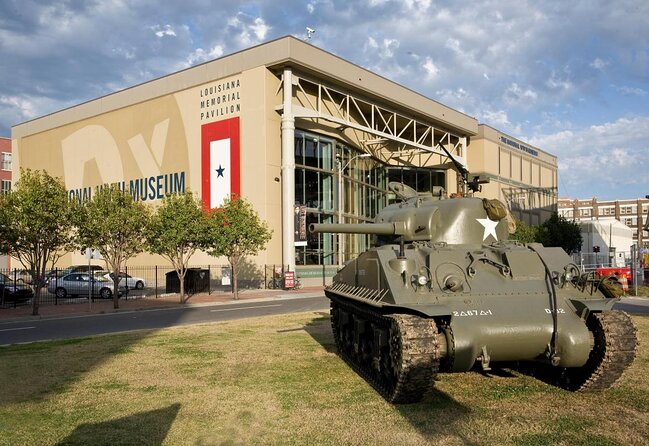
- See WWII tribute pavilions across the 6-acre campus
- Expect lots of walking and reading, it is built for a serious day out
- 4D effects are intense, stationary seating and assisted listening are available onsite
What the Campus Pass Plus 4D Film actually gives you
You are getting two things in one ticket: admission to the National WWII Museum campus and a timed entry to the 4D film Beyond All Boundaries in the Solomon Victory Theater. The price is $49.35 per person, and the value is in the mix, not just the museum alone.
The big practical win is the timing. Instead of guessing when to go and hoping you land a good slot, you pick your screening time for the 4D show. That means you can plan the rest of the day around something predictable.
Another small but real win is the mobile ticket. You show it at the museum, and you can spend your energy on exhibits instead of standing in purchase lines.
Touring a 6-acre downtown campus (and why that matters)
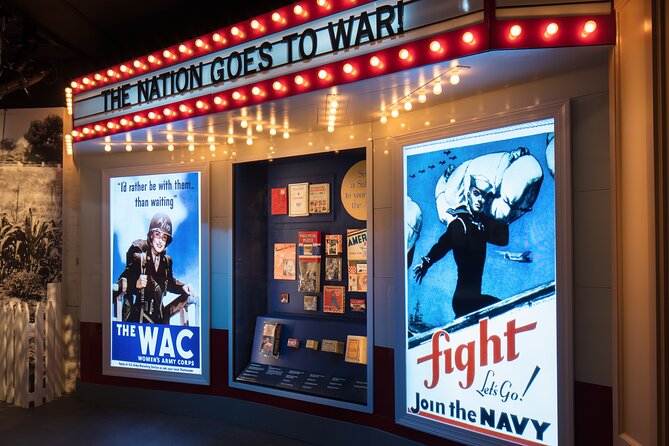
The National WWII Museum sits on a sprawling 6-acre campus in downtown New Orleans. That sounds big because it is big, and your route matters. Plan to move between multiple buildings and pavilions across the day, not to “pop in” and leave quickly.
The museum is open Monday to Sunday, 9 a.m. to 5 p.m. If you want the smoothest experience, aim for an earlier arrival. That gives you more flexibility before your 4D time, plus extra buffer if you want to read carefully at each stop.
You will also appreciate the setup if you like to pace yourself. Even with one day, the campus is designed so you can focus on certain sections first, then fill in the rest later. And yes, there is a place to eat on site, which helps when you end up staying longer than planned.
Elsewhere under Museums across New Orleans



Solomon Victory Theater and Beyond All Boundaries in 4D
Beyond All Boundaries is the heart of this ticket package. It is a 4D film narrated by Tom Hanks, and it uses more than just video on a screen.
Inside the Solomon Victory Theater, expect vibrating seats and atmospheric effects that match what you see. The experience also includes moving props and scenery, plus lighting and sound effects. The film is presented through a multi-layered projection process, which is why the theater experience feels so physical.
If you decide to go, pick up on the key caution up front. The 4D format uses loud noises, flashing lights, fog effects, and sudden chair movements. The good news is that stationary seating is available, and assisted listening devices are available for hearing-impaired guests if you inquire at the Visitor Services desk in the theater. The film is not closed captioned, so if captions are important for you, plan accordingly.
One practical note from real-world experience: the show can be startling for some visitors, and having ear plugs on hand might help if you are sensitive to loud sounds.
Using your timed entry smartly: museum first, movie next
Your selected time is for the 4D film. The ticket also lets you enter the museum any time before your movie time, which is a huge scheduling advantage.
Here is the simple strategy I recommend. Go in early and get your bearings first. Use that early window to hit one or two main pavilions before the theater session, so you do not spend your best energy hunting for exhibits right before the show.
Then, after your film, you are in the right emotional and historical headspace to keep going. The campus is built for flow across topics, so the 4D show works like a launch point for deeper reading and exhibits afterward.
Five WWII pavilions and the art of paying tribute across buildings
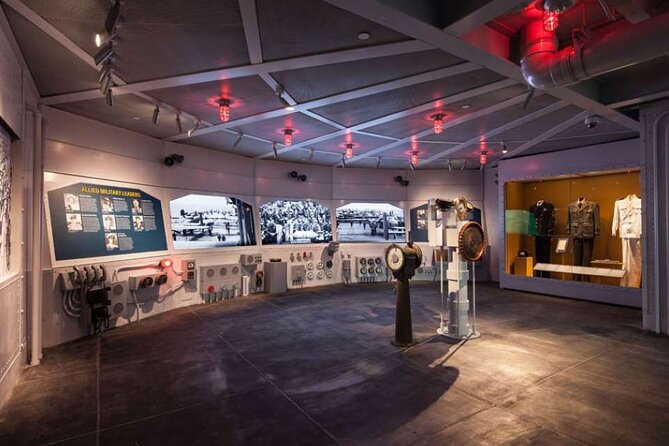
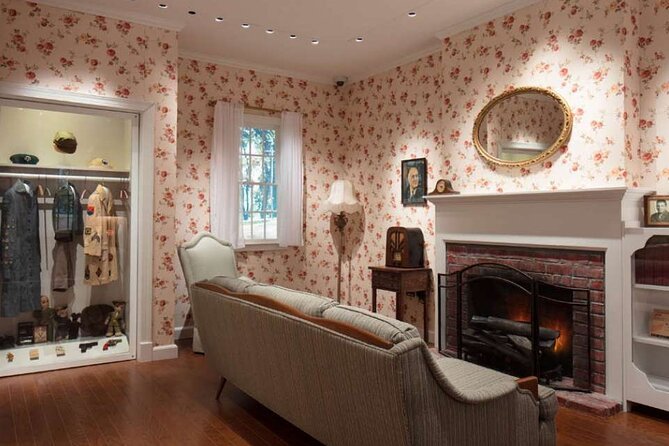
One of the most meaningful aspects of the museum campus is the sense of tribute across the space. Your pass covers exhibits spread across five separate pavilions, each taking a different angle on WWII history.
That structure helps you avoid the common museum problem of information overload. Instead of one massive dump of facts, you get a series of curated stopping points, with room to read and absorb what you are seeing.
Many visitors come away especially moved by the way the museum tells the story through multiple perspectives, including voices and experiences tied to women, Black Americans, Native Americans, and other groups, along with international and political perspectives. The strongest part is often the human focus, not the military jargon.
If you are the kind of person who likes extra layers, you might also look for special experiences inside the museum campus. For example, some people highlight a submarine experience and an interactive dog tag activity called Follow A Soldier. Those are not described as part of your pass in the info here, but they are worth keeping in mind if they are available during your visit.
How much time you truly need (hint: plan more than you think)
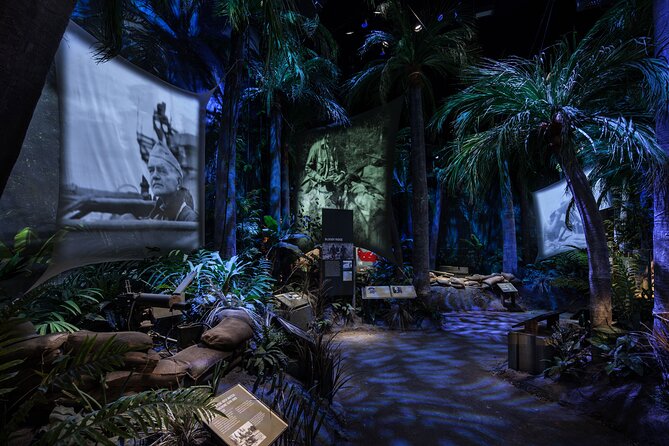
A “1 day” ticket sounds straightforward, but this museum is not a quick hit. People often report walking far longer than they expected because the exhibits are thorough and reading-heavy.
From real on-the-ground visits, a practical target is half a day at minimum, if you are rushing selectively. If you want a calmer experience with time to read and absorb, plan for a full day. Many visitors report doing around 5 to 8 hours, especially if they also include the 4D film and lunch.
Do not underestimate the campus footprint. The review feedback you’ll see again and again is that it is a lot of walking and a lot of content. Even if you have strong interests, you still need time for the emotional weight, not just the logistics.
Also note navigation. Some visitors report that it can be a bit tricky to figure out where to go next. That is normal for a large campus, so your best tool is patience plus a simple plan: pick a starting pavilion, then follow the most direct path to the areas you care about most.





Comfort tips that make a big difference in a big museum
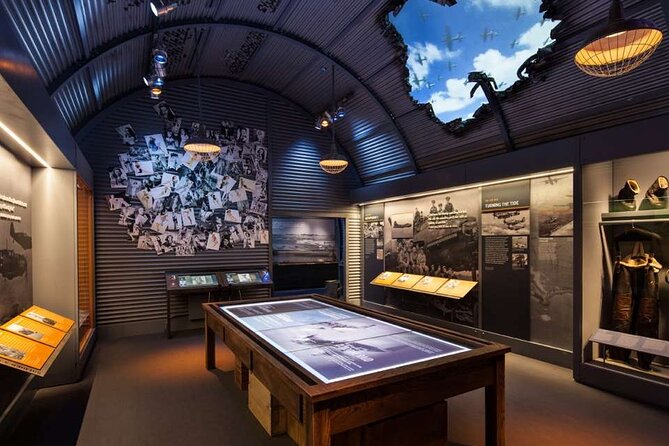
This museum is built for reading, standing, and moving from stop to stop. So your comfort choices affect your day more than you might expect.
Wear shoes that handle lots of walking. Bring glasses if you need them, because there is a lot to read throughout the exhibits. If you know you get tired easily, schedule small breaks between pavilions rather than trying to stay locked in for hours.
Also consider how you will handle the 4D timing. If you are sensitive to the film effects, you may want to arrive rested, not rushed. The theater experience includes sudden chair movements and flashing lights, so going in calmer helps you avoid a rough comedown.
If you are bringing kids, keep expectations age-appropriate. Some visitors feel the museum is more educational and interpretive than hands-on interactive, and that it may not be ideal for young children.
Who this pass is best for (and who should adjust)
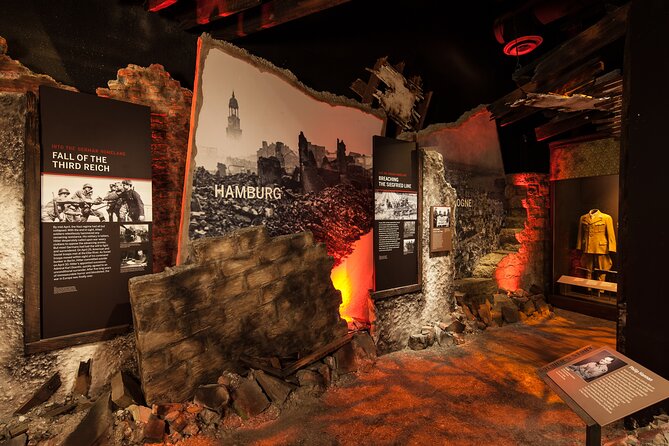
This ticket is ideal for history lovers who want a serious WWII visit in New Orleans. If you care about the full sweep of the war, from earlier events through later stages, this museum’s pacing fits well. Couples often love it because it is meaningful without being dated or overly technical.
Families can make it work too, especially if you have older kids and teens. People often recommend it for high school students, with the idea that seeing the material helps put the cost of war into perspective.
But if you are planning for medical sensitivity, take the 4D effects seriously. The theater includes loud noises, flashing lights, fog effects, and sudden chair movements. The museum provides stationary seating and assisted listening devices if you ask at the theater desk, but the film is still not closed captioned.
In other words, this is not a passive, sit-and-watch program. It is an experience designed to hit the senses.
Price and value: what you get for $49.35
At $49.35, this pass is priced for real value because it bundles two costly components into one visit: museum admission plus a timed 4D screening in a major theater.
The practical savings are also worth mentioning. Avoiding ticket purchase lines matters when you have a specific screening time. You are not spending your day in bottlenecks.
The best value angle is planning power. The timed entry lets you choose a slot that fits your pace. That reduces the common stress of visiting a top museum, especially when the 4D film is popular.
Finally, the museum campus experience is built to take time. People often leave wishing they had stayed longer, which is a strong sign you are buying access to something substantial, not just a quick stop.
Practical plan: how to structure your day around the 4D slot
Here is a simple day plan that matches how this museum works.
First, choose a 4D time that leaves you breathing room. You can enter the museum any time before your film, so you are not forced to rush directly into the theater. I like scheduling the film mid-day if you want your historical context first, then your emotional impact second.
Second, arrive with enough buffer to get oriented. Even if you are efficient, you will want time for bathrooms, getting your bearings, and moving to the theater.
Third, use your post-film time to keep the momentum. After the show, you will likely want to spend extra time reading and looking at the pavilions, because the film gives you a clearer frame for what you’re about to see.
Lastly, pace the reading. This is a museum where you can choose your intensity level. If you try to read everything, you might only finish a few buildings. If you scan smartly and pick key panels, you can cover more.
Should you book this pass for New Orleans?
If you are going to the National WWII Museum in New Orleans and you have limited time, this pass is a smart move. The 4D film Beyond All Boundaries is specifically included, and it is narrated by Tom Hanks, which adds a level of draw even if you are not a hardcore theater person. The timed entry is also a major advantage because it helps you use your day efficiently.
Book it if:
- You want to plan a day around a specific film slot
- You like your history experiences emotional and story-driven
- You are comfortable with a lot of walking and reading
Skip or adjust if:
- You or your group is sensitive to strong sensory effects like flashing lights, fog, loud noises, and chair movement
- You rely on closed captions for the film, since it is not closed captioned
My bottom-line take: this is one of the best ways to experience the National WWII Museum in a single day, especially if the 4D show is on your list. Just build your schedule like you are spending time on a campus, not like you are catching a short attraction.
Museums we have also been through in New Orleans
- The National WWII Museum Admission Ticket New Orleans★ 5.0 · 2,202 reviews
- French Quarter Walking Tour With Comp 1850 House Museum Admission★ 5.0 · 781 reviews
- New Orleans: The National WWII Museum Ticket★ 4.8 · 704 reviews
Tour Reviews: more from our New Orleans desk
- New Orleans Premier Ghost, Voodoo and Vampire Walking Tour★ 4.5 · 12,856 reviews
- New Orleans Steamboat Natchez Jazz Cruise with Dinner Option★ 4.0 · 7,533 reviews
- Adults-Only New Orleans Ghost, Crime, Voodoo, and Vampire Tour★ 5.0 · 6,545 reviews
- New Orleans Food Walking Tour of the French Quarter with Small-Group Option★ 5.0 · 6,118 reviews
- New Orleans Swamp and Bayou Boat Tour with Transportation★ 5.0 · 5,399 reviews
Newest New Orleans reviews added to this site
- Adults-Only Uncensored Ghost, Vampire, and Voodoo Walking Tour
★ 4.5 · 311 reviews - Seven Three Distilling Tour and Tasting
★ 5.0 · 319 reviews - Private Transfer in New Orleans MSY/Home/Hotel/Work
★ 5.0 · 325 reviews - New Orleans: 2-Hour 15-Minute City and Cemetery Tour by Bus
★ 4.7 · 326 reviews - French Quarter True Crime Walking Tour
★ 5.0 · 327 reviews - New Orleans Combo Tour: Voodoo, Vampire, and Ghost Tour
★ 4.5 · 327 reviews - New Orleans Spirits & Spells: Witchcraft, Voodoo, and Ghost Tour
★ 5.0 · 329 reviews - Private Arrival Transfer from Louis Armstrong New Orleans Airport
★ 4.5 · 334 reviews - Hands-on Cajun Roux Cooking Class in New Orleans
★ 5.0 · 356 reviews - Honey Island Swamp Boat Tour with Transportation from New Orleans
★ 5.0 · 361 reviews
Museums, side by side.
 ★ 4.7NYC: Empire State Building Tickets – Observatory & MuseumFrom $4725,757 reviews
 ★ 4.5New York City: American Museum of Natural History TicketFrom $3715,447 reviews
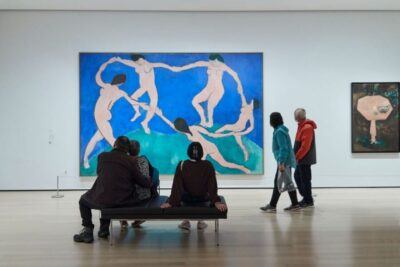 ★ 4.6NYC: Museum of Modern Art (MoMA) Entry TicketFrom $3012,540 reviews
 ★ 4.7NYC: Intrepid Museum Entry TicketFrom $384,687 reviews
 ★ 4.9San Diego: USS Midway Museum Entry TicketFrom $413,896 reviews
 ★ 4.3NYC: Museum of Ice Cream Entry TicketFrom $402,619 reviews
 ★ 4.5Boston Tea Party Ships and Museum AdmissionFrom $352,512 reviews
 ★ 5.0JFK Assassination and Museum Tour with Lee Harvey Oswald Rooming HouseFrom $792,480 reviews
This one is also listed in