
Review · TIMES SQUARE AND MIDTOWN WALKS
Wall Street Insider Tour with a Finance Professional
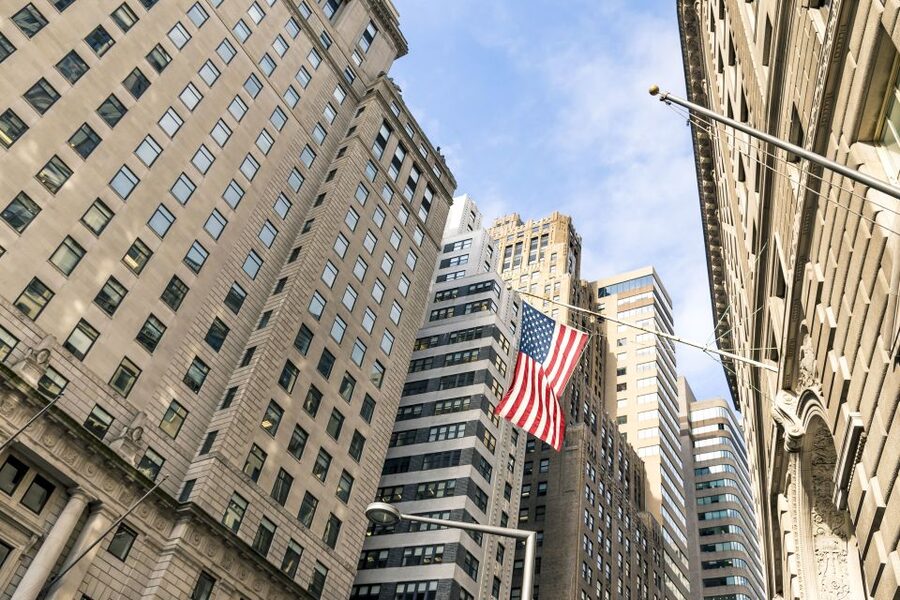
Wall Street stories, told by people who worked there. This Wall Street insider walk turns famous landmarks into a clear timeline, and it is guided by finance people who can explain what you are seeing in plain English. I especially liked the practical focus on how Wall Street works day to day, plus the fact that key stops are free to enter. One thing to consider, the NY Stock Exchange is not part of the visit, so you should not plan on going inside.
I also like the pacing. The route is about a mile at a leisurely speed, and the small group size (up to 20) makes it easier to ask questions without yelling across a crowd. If you expect an all-weather, mostly indoors tour, you will want to dress for lots of outdoor time.
In This Review
- Key things I’d clock before you book
- Wall Street Insider Tour, what you actually get for $39
- Meet at 22 Broad St, then walk the route that explains Wall Street
- Federal Hall: where George Washington became president
- Trinity Church: Hamilton’s burial spot and a heavy historical shadow
- Charging Bull: photo time, then what the symbol really represents
- Federal Reserve area sights and the “street-level” view of modern finance
- Why the NY Stock Exchange visit is off the table (and what to do instead)
- Listening for the guide details that make it click
- Outdoor walking tips for Lower Manhattan weather and sound
- Who this tour is best for
- Should you book the Wall Street Insider Tour with a Finance Professional?
- FAQ
- Is the Wall Street Insider Tour with a Finance Professional wheelchair accessible?
- Do we go inside the NY Stock Exchange?
- How much walking is involved?
- Do I need to understand finance and the stock market to enjoy the tour?
- What if it rains during the tour?
- Are service animals allowed?
- How big are the groups?
- Is free cancellation available?
Key things I’d clock before you book
- A true insider angle: finance professionals lead the walk, not generic history scripts.
- Free stops that matter: Federal Hall and Trinity Church are part of the plan.
- No NYSE interior access: the tour keeps you street-side, because it has been closed to visitors since 2001.
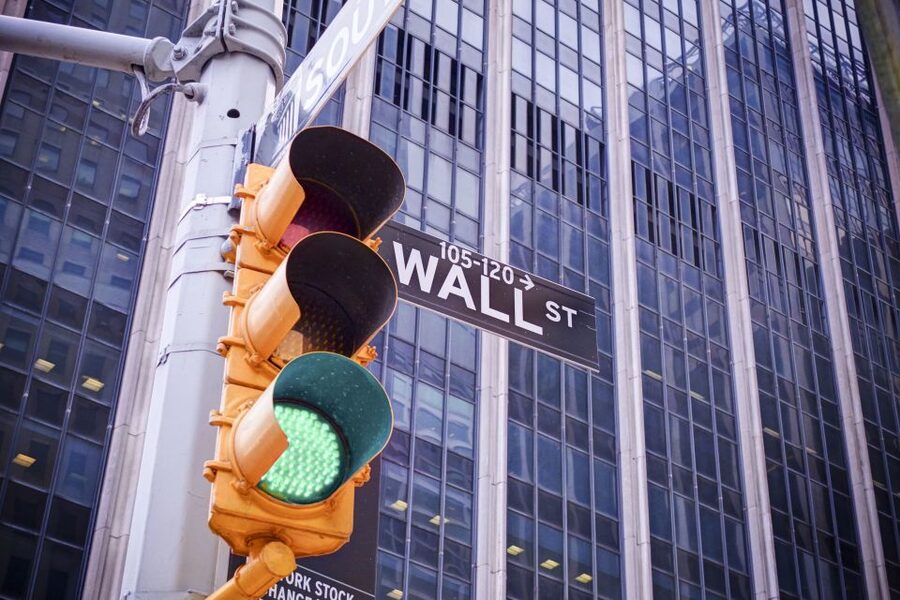
- Wall Street icons plus context: you see the NYSE area, the Federal Reserve Bank of New York, Goldman Sachs, and 60 Wall Street.
- Small group feel: capped at 20 travelers, which usually means more listening and less standing.
Wall Street Insider Tour, what you actually get for $39
For $39, you are buying a short, focused walk through Lower Manhattan that connects big financial names to the daily reality behind them. This is not a museum-style experience where you spend most of the time reading plaques. You spend your time outside, moving between places, and the guide uses that movement to tell you what happened there, and why it still matters.
What makes the price feel reasonable is the mix of value items baked in. Federal Hall is free, Trinity Church is part of the stop, and you are also paying for real-time storytelling from someone with finance industry experience. In a city where many walking tours charge similar prices and then send you to only photo ops, this one aims to do more with the time you have.
Also, the group size helps. When you are not packed into a mass of people, it is easier to hear the guide and to ask simple questions like how deals get done or why the street layout matters. If you can do about a mile of walking, you will get a lot out of the 1 hour 15 minutes.
Meet at 22 Broad St, then walk the route that explains Wall Street
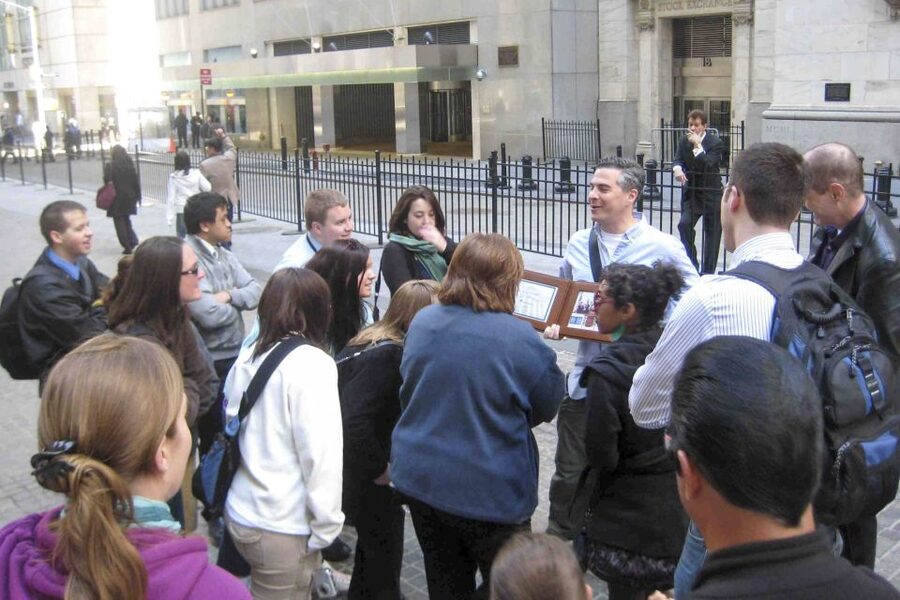
The tour starts at 22 Broad St, and the ending point is near Harry B Helmsley Plaza around 137 Broadway. That matters because you are placed in the center of the Financial District without needing to figure out a complicated self-guided route first.
From there, the walk works because it follows the logic of the area: old institutions, major monuments, then the modern financial corridor where you see the headquarters buildings up close. Even if you are not obsessed with markets, the guide’s job is to help you make sense of the names on the buildings and the street-level vibe that you usually miss when you rush through FiDi.
Practical tip: pick your spot early. Some guides are excellent at keeping things audible, but one review noted the lack of a microphone, which means standing too far back could make it harder to catch every detail. If you are sensitive to sound, stay toward the front or side where you can see the guide’s mouth and body language.
More filed under Times Square and Midtown Walks in New York City

Federal Hall: where George Washington became president
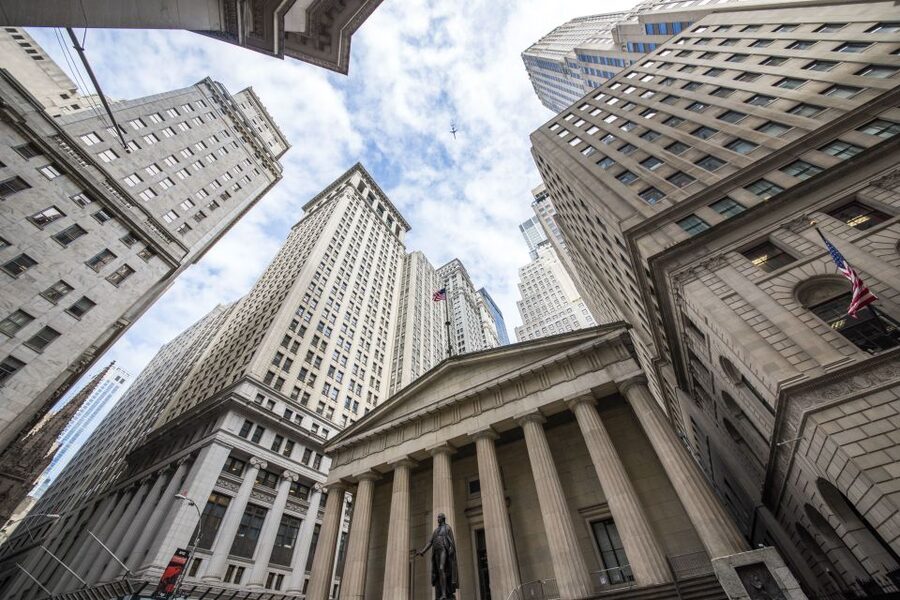
The first major stop is Federal Hall, where George Washington became president. Even if you have seen photos before, the context hits differently when you place it at the beginning of a Wall Street story. The guide sets up the idea that finance did not start as a skyscraper fantasy. It started as a political and civic project, with early America trying to build systems that could last.
This stop is also comfortable time-wise. You get about 20 minutes here, and since admission is free, it is low friction. You are not stuck outside for a rushed “look and go.” You get enough time to pause, understand what you are looking at, and then move on with a clearer mental map.
Why this stop earns its place: it gives you the baseline for the American economy. When you later hear about auctions, institutions, and trading culture, you can connect it back to how the country structured power and money at the start.
Trinity Church: Hamilton’s burial spot and a heavy historical shadow
Next comes Trinity Church NYC, a quieter pause in the middle of Lower Manhattan motion. This stop is about 15 minutes, and it is worth slowing down. The guide connects Trinity to the people who helped shape early American finance and politics, including Alexander Hamilton, whose burial site is here.
The emotional weight matters too. The church sits in the former shadow of the Twin Towers. You do not have to be a history buff to feel how that changes the meaning of the setting. It is one of those moments where the building itself feels like a fixed point, while the world around it keeps changing.
A nice part of this stop is that it balances the tour’s focus. You get business names and money talk, then you get a human, solemn landmark. That contrast helps the whole experience land as more than a list of corporate addresses.
Charging Bull: photo time, then what the symbol really represents
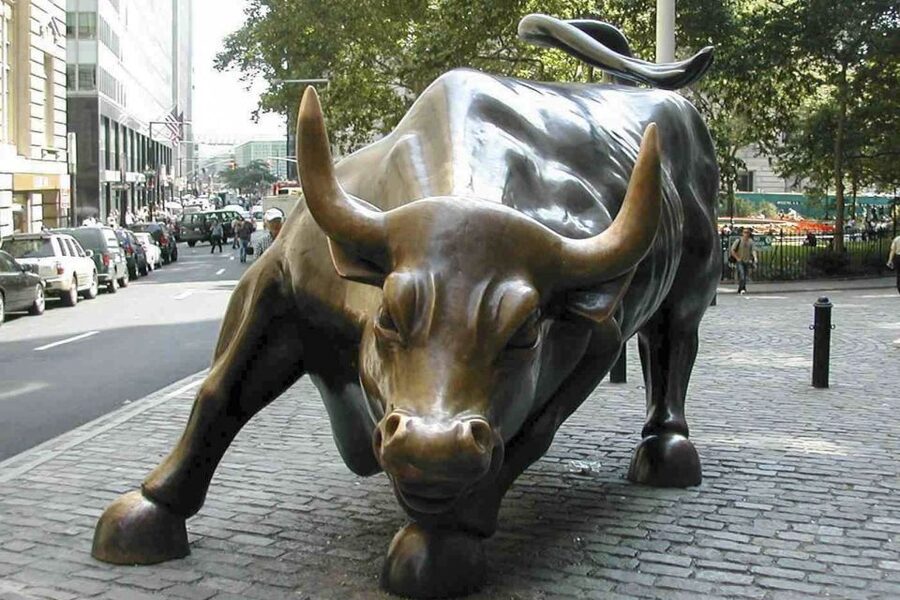
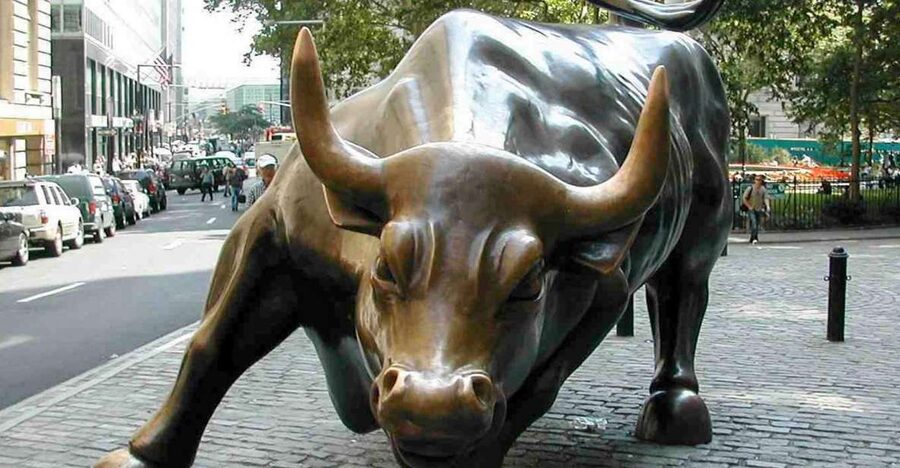
You will stop for a Charging Bull photo, with about 15 minutes allotted. Yes, it is the classic New York snapshot. But the guide’s job is to explain why that symbol is everywhere in New York finance culture, and what it can communicate at street level.
Here is how I’d approach it: treat the Charging Bull stop as a punctuation mark. You are moving from early institutions and historic figures, and now you are landing on an icon that people associate with money, confidence, and markets. Even if the bull is more symbol than mechanism, it gives you a visual anchor so the later parts of the walk make sense.
Practical note: get your photo, but do not lose the plot. Stay attentive while you are waiting your turn, because the guide often connects the symbol to the culture of trading and deal making.
Federal Reserve area sights and the “street-level” view of modern finance
As the tour progresses, you will see major landmarks from the outside and hear how they fit together in the Financial District. The walk includes stops and viewpoints connected to:
- the Federal Reserve Bank of New York building
- the New York Stock Exchange area (you will see it, even though you cannot enter)
- Goldman Sachs
- Deutsche Bank, also known as 60 Wall Street
The value here is not that you learn one more fact about a building. It is that you learn how these institutions interact in the real world. The guide ties the past to the present and explains how the geography of FiDi mirrors how finance operates: where meetings happen, where reputations are built, and how the street becomes a working system.
Also, the tour ends near the Federal Reserve area. That closing location helps the story feel complete. You start with early governance at Federal Hall, move through landmark figures and public space, then finish near a modern node of national financial policy.






Why the NY Stock Exchange visit is off the table (and what to do instead)
A lot of people start this tour expecting to go inside the NY Stock Exchange. You cannot. The NYSE has been closed to visitors since 2001, so this experience keeps you on the street and inside the surrounding story, not behind barriers.
So how do you make this tour still worth it? You treat it as an interpretive tour. Seeing the exterior, understanding what the building represents, and learning how trading culture grew up around it can be more useful than a quick interior look if you care about the real connections.
If your must-do is a building visit, you will need to pair this with another attraction that offers actual interior access. But if you want context for why Wall Street looks the way it does and how the institutions shape behavior, this tour does that without promising entry that cannot happen.
Listening for the guide details that make it click
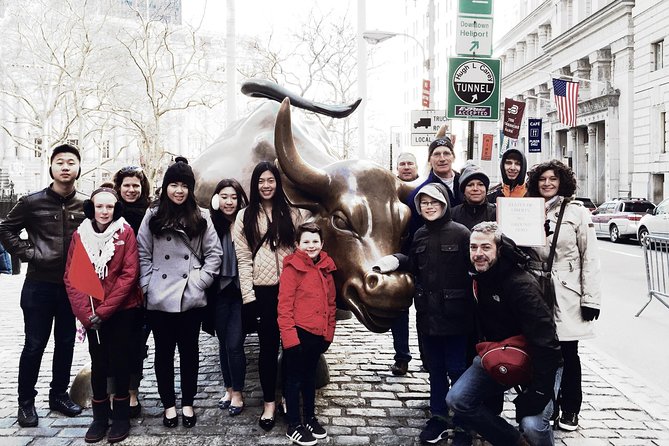
One of the best parts of this tour is the human delivery. The guides are finance insiders, and they bring personal anecdotes and industry perspective. In past groups, I’ve heard names like Jesse and Julie come up, with Jesse described as sharing personal stories tied to working at the SEC, and Julie noted for having over 20 years of finance experience. Other guide names that appeared in the experience feedback include Jose, Dana, Emily, Ben, Dan, and James.
You will get more out of it if you come with a few simple questions. Try asking things like:
- How do financial institutions think about risk?
- What does “the street” mean to someone working there?
- Why do certain buildings and streets become symbols?
The guide style matters here. Many reviews emphasize that guides were funny, articulate, and willing to answer questions. One review did mention a guide who spent too long on personal stories, and the group left early. That is a reminder to stay engaged from the start, and if the talk turns away from what you want, speak up sooner rather than later.
Outdoor walking tips for Lower Manhattan weather and sound
This is mostly an outdoor walk. The plan includes a chance to visit inside a few buildings, but you should not treat indoor time as guaranteed. In multiple experiences, groups ended up outside for most or all of the tour, so plan for it.
Here is what helps:
- Wear comfortable shoes. The route is fairly level, but you still cover about 1 mile.
- Dress for wind and rain. The tour runs rain or shine, so bring a light rain layer if the forecast looks uncertain.
- If it rains, watch your footing. Lower Manhattan sidewalks can be busy and slick in spots.
- Stay close enough to hear the guide. One report mentioned no microphone, so you may need to position yourself well.
Who this tour is best for
This tour fits best if you like real-world context. It is great for people who want to understand finance without needing a finance degree. You do not need to know stocks to enjoy it, but you will likely get extra value if you pay attention to current events and enjoy how systems work.
It also works well for:
- First-time visitors who want more than the basic skyline photos
- Couples who like history but also want a modern angle
- Families who can handle short walking segments and want lively explanations
If you are the type who wants high drama in a big venue, or you want a hands-on finance activity, this might feel more like thoughtful street-level storytelling than a do-everything experience.
Should you book the Wall Street Insider Tour with a Finance Professional?
I think you should book this tour if you want a short, efficient way to understand Wall Street as a living system, not just a set of famous buildings. The combination of free major stops, a finance-experienced guide, and the clear link between early American history and today’s financial world is the reason it is worth your time.
Skip it, or consider another option first, if your top priority is going inside the NY Stock Exchange. This tour does not include that, and it is typically outside-focused. Also, if you dislike outdoor walking or sound may be an issue for you, plan for that by dressing smart and staying close to the guide.
If you match the style, this is one of the better-value Wall Street walks you can choose. You finish with your bearings fast, and you see FiDi like someone who understands why the place matters.
FAQ
Is the Wall Street Insider Tour with a Finance Professional wheelchair accessible?
Yes. The tour is accessible for strollers and wheelchairs.
Do we go inside the NY Stock Exchange?
No. This tour does not include entrance to the NY Stock Exchange, which has been closed to visitors since 2001.
How much walking is involved?
The tour covers about 1 mile at a leisurely pace, and the walking route is fairly level.
Do I need to understand finance and the stock market to enjoy the tour?
No. The tour is designed for a general audience, and you do not need a financial background to enjoy and learn from it.
What if it rains during the tour?
The tours run rain or shine. In rare cases of extreme weather, you can reschedule or receive a full refund.
Are service animals allowed?
Yes, service animals are allowed.
How big are the groups?
The tour has a maximum of 20 travelers.
Is free cancellation available?
Yes. You can cancel for a full refund up to 24 hours before the experience starts. If you cancel within 24 hours, the amount paid is not refunded.
Times Square and Midtown Walks: the rest of the New York City file
- NYC City Tour: Statue of Liberty, 9/11 Memorial, Wall Street★ 4.5 · 2,059 reviews
- Secrets of Grand Central Station Walking Tour New York City★ 5.0 · 1,796 reviews
- NYC in a Day Tour: Lady Liberty, Times Square, Freedom Tower★ 5.0 · 1,735 reviews
- High Line and Chelsea Small Group Tour★ 5.0 · 1,238 reviews
- Chelsea Market and High Line Guided Food Tour★ 5.0 · 827 reviews
Tours: the rest of the New York City file
- Statue of Liberty and Ellis Island Tour: All Options★ 5.0 · 13,571 reviews
- New York in One Day Guided Sightseeing Tour★ 5.0 · 13,166 reviews
- Central Park Pedicab Guided Tours★ 5.0 · 7,108 reviews
- New York City: Manhattan Helicopter Tour★ 4.7 · 7,076 reviews
- Private Central Park Pedicab Tour★ 5.0 · 6,981 reviews
Tour Reviews: more from our New York City desk
- NYC: SUMMIT One Vanderbilt Tickets★ 4.7 · 51,195 reviews
- NYC: Empire State Building Tickets – Observatory & Museum★ 4.7 · 25,757 reviews
- New York City: Statue of Liberty & Ellis Island with Ferry★ 4.6 · 18,683 reviews
- New York City: American Museum of Natural History Ticket★ 4.5 · 15,447 reviews
- Statue of Liberty and Ellis Island Tour: All Options★ 5.0 · 13,571 reviews
Newest New York City reviews added to this site
- NYC: Whitney Museum Ticket
★ 4.2 · 315 reviews - NYC: Manhattan & Statue of Liberty Cruise with Shuttle Bus
★ 4.6 · 316 reviews - 60-Minute Statue of Liberty Sightseeing Cruise
★ 3.0 · 317 reviews - True Crime New York: NYPD-Guided Mafia Walking Tour w/ Food
★ 4.6 · 318 reviews - New York City Cocoa and Carols Holiday Cruise
★ 4.5 · 318 reviews - Harlem Wednesday Morning Gospel Tour
★ 4.5 · 320 reviews - Central Park Bike Rental: Quality Bikes with Map, Helmet, Lock
★ 4.0 · 324 reviews - New York City Harlem Highlights w/ Gospel Concert & Transfer
★ 4.5 · 326 reviews - 9/11 Memorial Tour with Optional Museum and One World Access
★ 5.0 · 330 reviews - New York City Sunset Cruise on a Yacht
★ 5.0 · 331 reviews
Times Square and Midtown Walks, side by side.
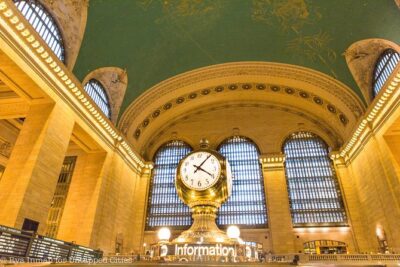 ★ 5.0Secrets of Grand Central Station Walking Tour New York CityFrom $391,796 reviews
 ★ 5.0NYC in a Day Tour: Lady Liberty, Times Square, Freedom TowerFrom $891,735 reviews
 ★ 5.0High Line and Chelsea Small Group TourFrom $391,238 reviews
 ★ 5.0Chelsea Market and High Line Guided Food TourFrom $88827 reviews
 ★ 4.8NYC: The Secrets of Grand Central TerminalFrom $39718 reviews
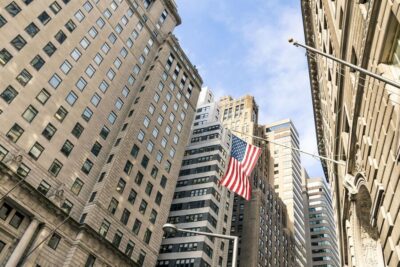 ★ 4.5Wall Street Insider Tour with a Finance ProfessionalFrom $39660 reviews
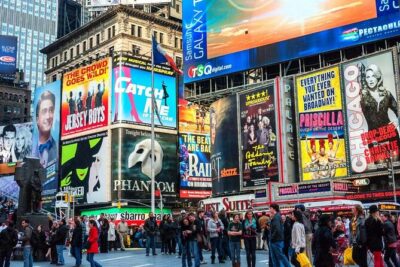 ★ 5.0Broadway and Times Square Insider Tour with Theater ProfessionalFrom $39651 reviews
 ★ 4.5NYC: See Yourself on a Times Square Billboard for 24 HoursFrom $150635 reviews
This one is also listed in