

Review · TOURS
Big Bus NYC: Hop-On Hop-Off Sightseeing Tour by Open-top Bus
NYC from a bus beats walking on day one. This hop-on hop-off ride turns the city into a pick-your-own-itinerary loop, with onboard audio stories as you roll past the big scenes. You can redeem using a mobile ticket or paper voucher right at the stops, which keeps your morning from turning into a scavenger hunt.
I love that you can match stops to your energy, from Times Square and the Empire State area to SoHo, Chinatown, and all the way toward the Brooklyn Bridge and Wall Street zone. The audio commentary plus the Big Bus app’s live bus tracking helps you plan where to get off next. One thing to watch: this is an open-top experience that runs best with good weather, and service can be canceled due to poor weather.
In This Review
- Key Things I’d Clock Before You Go
- Price and What You Actually Get for $44
- Tickets: 24, 48, and 72 Hours, and How to Pick
- Start Smart: Where You Redeem and How to Board
- The Onboard Audio: Great When It Works, Annoying When It Does Not
- Downtown Loop: Best Stops for Manhattan Classics
- M&M’S New York, 7th Ave and W 48th St
- Times Square, W 42nd St and Broadway
- Empire State Building area, 5th Ave and W 32nd St
- Flatiron District, 5th Ave and W 23rd St
- SoHo, West Broadway and Spring St
- Chinatown and Little Italy, near Walker Street
- Brooklyn Bridge area, Park Row and Beekman St
- Wall Street, Wall St and Statue of Liberty area
- Trinity Church area, Trinity Place and Cedar St
- World Trade Center area, Church St and Vesey St
- Pier 57, 11th Ave between W 15th and W 16th St
- Hudson Yards, 12th Ave and 30th St
- Circle Line Sightseeing Cruises, Midtown (near Pier 81)
- Uptown Loop: Midtown Anchors and Central Park Edges
- Hope Sculpture, 7th Ave and W 53rd St
- Times Square again, by the Knickerbocker Hotel
- Rockefeller Center area, W 49th St and 5th Ave
- The Metropolitan Museum of Art area, 5th Ave and E 83rd St
- Central Park Zoo, 5th Ave and E 66th St
- Columbus Circle, Central Park and Columbus Circle
- Carnegie Hall area, 7th Ave and W 57th St
- Getting the Most From Open-Top Riding, Especially in Winter
- Using the Big Bus App and Tracking Like a Pro
- A Note on Drivers, Staff, and Service Quality
- Itinerary Reality Check: Named Stops vs. Real Distances
- Who This Tour Fits Best
- Final Call, Should You Book Big Bus NYC?
Key Things I’d Clock Before You Go
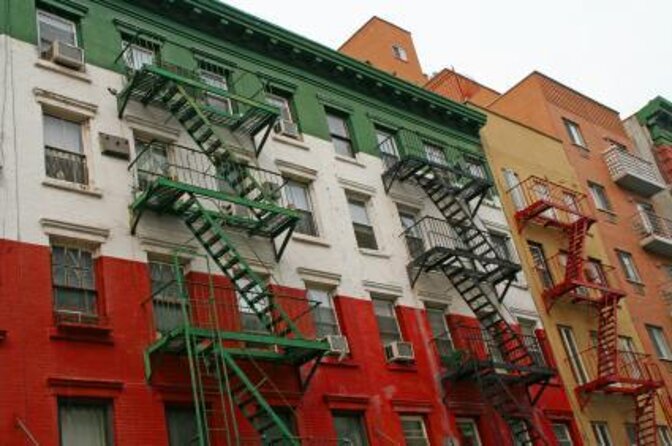
- Two loops, not one long slog: Downtown and Uptown let you focus on what you want most.
- 24/48/72-hour choice changes the whole trip: more time means more territory, including Brooklyn and self-guided options at 72 hours.
- Audio stories are the point: you get narration tied to what you’re seeing, in English.
- App tracking helps a lot: you can follow the bus approach instead of wandering.
- Stops are convenient, not always at the door: some named sights may still mean a short walk.
Price and What You Actually Get for $44
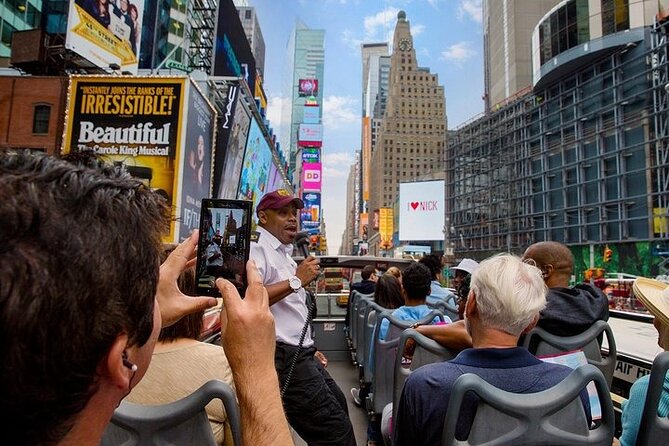
At $44 per person, this is priced like a “good city cheat code,” not a museum-ticket bargain. The value comes from flexibility: you are not buying one guided drive-by. You are buying time on a bus that lets you build your own sightseeing day.
A key detail is that the ride time and ticket coverage are not the same thing. A full loop is about 90 minutes, and you can do it without getting off. But most people buy this because they can hop on again after doing a block-by-block mission on foot.
If you only have a few hours and want the highlights, the 24-hour Downtown-only option can be enough. If you want a calmer pace across the whole city grid, 48 hours tends to feel more forgiving. And if you like to plan in chunks, 72 hours can turn this into a multi-neighborhood weekend.
Tickets: 24, 48, and 72 Hours, and How to Pick
You get three main ticket paths:
- 24-hour: Downtown only.
- 48-hour: Downtown plus Uptown loops.
- 72-hour: Downtown and Uptown, plus access to Brooklyn tours and several self-guided tours.
One practical rule matters if you do not want your ticket to go to waste: multi-day tickets must be used consecutively. So if you arrive on a Saturday and leave Tuesday, you want those days to line up cleanly.
My rule of thumb:
- Choose 24 hours if you are staying in Midtown and your “must-see” list is mostly Downtown anchors.
- Choose 48 hours if you want both sides of Manhattan without feeling like you’re sprinting.
- Choose 72 hours if you want more than the famous skyline shots and you like adding extras like Brooklyn options.
Also check upgrades carefully in case you want added routes or tour types. The structure here is flexible, but the map you end up building depends on the ticket you choose.
Not settled on one yet? These are other New York City trips our reviewers have been through.




Start Smart: Where You Redeem and How to Board
You do not have to meet at one big terminal. You can show your printed or mobile voucher to staff at any of the listed stops along the route, then board from there.
That sounds simple, and it is, but NYC has a way of testing your patience. Here is how to make it smooth:
- Use the Big Bus app to find the exact stop spot and nearby landmarks.
- Stand on the correct color route area. Uptown is blue and Downtown is red.
- When you board, grab your headphones quickly and test audio early, before you settle in.
One thing I would not ignore: some stops can be a little confusing in the real world. Street closings and crowds happen. If you feel turned around, get oriented with the app and staff, then move to the right boarding area.
The Onboard Audio: Great When It Works, Annoying When It Does Not

The whole idea here is audio commentary. As you ride, you get narration meant to explain the stories behind the sights, and it is offered in English.
In an ideal ride, the audio does three jobs at once:
- It tells you what you are looking at.
- It gives context so you do not just see landmarks, you understand them.
- It helps you decide what to do next, because it points you toward nearby neighborhoods.
In reality, you might run into bumps. Some riders reported missing or confusing headphone instructions, and a few mentioned audio issues on certain buses. My practical advice: be ready to ask for earphones if they are part of your onboard setup, and if audio is failing, switch buses when it is possible.
If you like learning while you travel, this is a strong match for you. If you hate fiddling with devices while standing in the wind, go in with a plan to keep your experience simple and rely on the stop names and landmarks for navigation.
Downtown Loop: Best Stops for Manhattan Classics
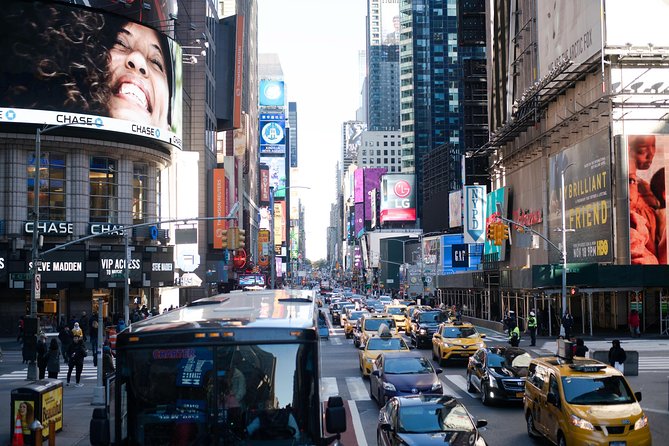
The Downtown side is where you stack the iconic “first visit” moments. You can treat it like a guided map, then hop off for as long or as little as you want.
Here are the standout stops along the way and what to expect:
M&M’S New York, 7th Ave and W 48th St
This is a very tourist-friendly landmark to use as your “anchor stop” near Midtown’s busy edge. It also works as a starting point if you are heading toward Times Square and the Flatiron corridor.






Times Square, W 42nd St and Broadway
You will know it the second you step off. This stop is built for people who want the lights, the energy, and quick access to Midtown shows and cross-town wandering. One consideration: this is also a crowd magnet, so plan to board with a little patience.
Empire State Building area, 5th Ave and W 32nd St
This is a natural stop for skyline photos and general orientation. Even if you do not go up the tower, the area helps you understand how Manhattan’s geometry tightens as you head Downtown.
Flatiron District, 5th Ave and W 23rd St
Flatiron is one of those spots where you can take your time. Hop off here if you want an easy walk for architecture and casual photo stops. It also puts you on a good path toward the SoHo and Greenwich Village vibe.
SoHo, West Broadway and Spring St
SoHo is perfect for hopping off because the streets reward slow strolling. Expect shops, side streets, and the classic cast-iron, brick-and-window look. If your goal is neighborhood feel, this is one of your best bets.
Chinatown and Little Italy, near Walker Street
This stop is a portal. Chinatown gives you markets and narrow streets, and Little Italy gives you a different flavor across the same general zone. You can spend 30 minutes or two hours and still feel like you got something.
Brooklyn Bridge area, Park Row and Beekman St
This is a solid orientation point for one of NYC’s most famous crossings. Do not expect the bridge to be right at the curb every time. You may still need a walk to the actual bridge views, and sometimes you might not see the landmark clearly from the stop.
Wall Street, Wall St and Statue of Liberty area
This is the finance-and-history zone where you can connect the city’s modern skyline to older civic spaces. It is also where you can pivot toward the ferry area if you want to add that kind of plan later.
Trinity Church area, Trinity Place and Cedar St
This stop places you near one of the city’s classic historic anchors. Even if you only take a short walk, this is a good pause from the commercial noise.
World Trade Center area, Church St and Vesey St
This is a big-signal stop for the Downtown memorial and surrounding area. If you want to see it, plan a little time on foot after you hop off, because it is not a “look from the bus and move on” kind of place.
Pier 57, 11th Ave between W 15th and W 16th St
Pier zones can be great for a break and a different kind of skyline angle. This stop also helps if you want to connect to other waterfront plans without relying on taxis.
Hudson Yards, 12th Ave and 30th St
Hudson Yards is modern Manhattan in a nutshell. If you want sleek architecture and a newer skyline chapter, this stop makes sense. It is also useful as a checkpoint when you are mixing Midtown and Downtown exploring.
Circle Line Sightseeing Cruises, Midtown (near Pier 81)
If you are thinking about cruise time, this stop is helpful for tying bus sightseeing to boat sightseeing. Even if you do not book the cruise, the pier area is a good landmark for re-orienting.
Uptown Loop: Midtown Anchors and Central Park Edges
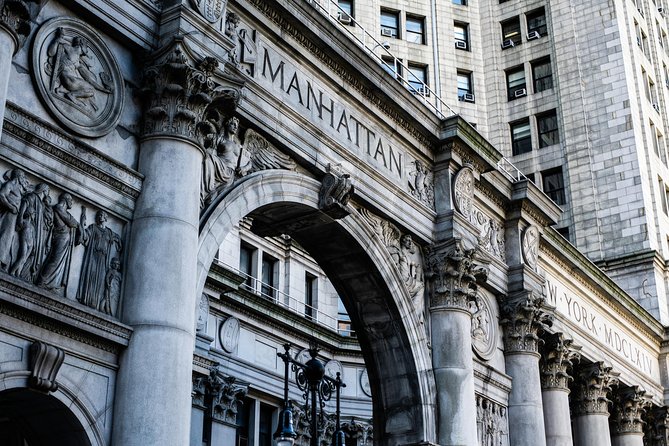
The Uptown side leans more toward Midtown icons and quick access to the park’s outer areas. It is where you connect the big “wow” buildings to stroll-ready streets.
Hope Sculpture, 7th Ave and W 53rd St
This one is great as a visual signpost in Midtown. It helps you locate where you are without needing to wrestle with complicated subway exits.
Times Square again, by the Knickerbocker Hotel
Yes, Times Square shows up again because the Midtown grid is dense. Use this stop when you want to pivot from shows, hotels, or nearby attractions and head deeper uptown.
Rockefeller Center area, W 49th St and 5th Ave
This is prime for photos and for connecting to museum and plaza plans. Hop off here if you want the classic Midtown stage set and a convenient waypoint.
The Metropolitan Museum of Art area, 5th Ave and E 83rd St
Even if you do not go inside, the Met vicinity is a great “walk from the bus into the museum district” moment. This stop makes the trip feel like more than just transportation.
Central Park Zoo, 5th Ave and E 66th St
This pairs perfectly with a Central Park plan. If you have kids, it is a natural anchor. If you do not, it is still an easy excuse to get to the park area without guessing which subway exit is closest.
Columbus Circle, Central Park and Columbus Circle
Columbus Circle is where the park meets Midtown logic. It is a strong orientation point if you want to explore along the park edge and then pop back out toward shopping and transit.
Carnegie Hall area, 7th Ave and W 57th St
Carnegie Hall is another classic anchor. Hop off here for the music-world landmark feel and for easy navigation across Midtown.
Getting the Most From Open-Top Riding, Especially in Winter
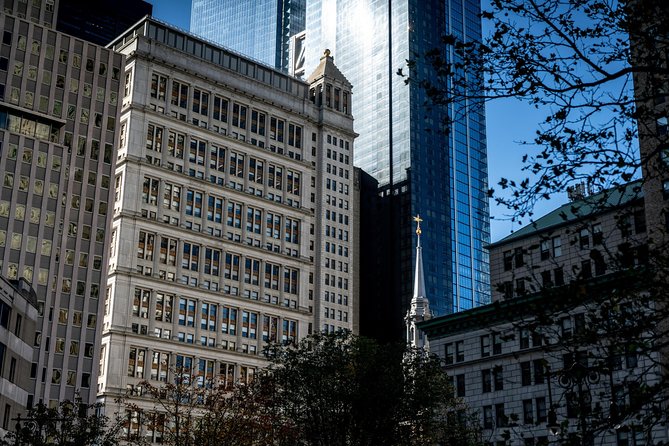
The bus is open-top, meaning the view is fantastic and the weather is the boss. In cold months, you can still have a great ride if you dress like you mean it.
What I suggest:
- Sit upstairs if you want the best skyline angles.
- Bring layers you can zip and un-zip.
- Keep your boarding area plan tight. If the line moves slowly, you do not want to lose time waiting without a strategy.
Also, the tour requires good weather, so if NYC is doing its thing with wind or storms, service may get canceled. If you are traveling in a season known for weather surprises, keep your schedule flexible.
Using the Big Bus App and Tracking Like a Pro
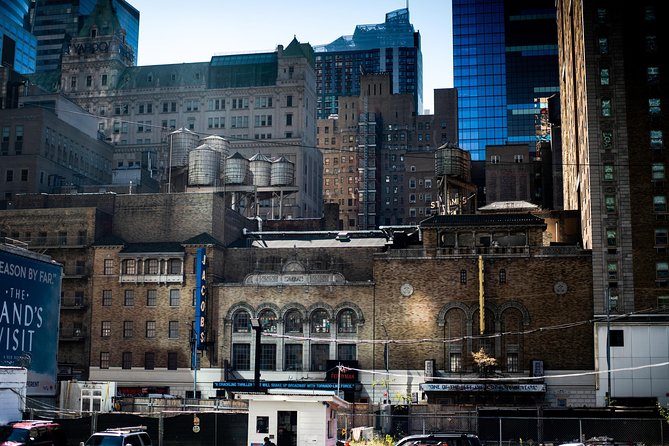
The Big Bus app is one of the smarter parts of this setup. You get live bus tracking, and that matters because the city is big and the stops can look similar at street level.
If you hate wandering, rely on the app to:
- Identify the next bus approach.
- Confirm you are standing at the correct stop.
- Cross-check what you should be seeing nearby.
One extra tip: if audio or headphones are not clear right away, do not panic. Test them once you board and settle in. It is much easier than trying to fix it later after you missed your first stop.
A Note on Drivers, Staff, and Service Quality
Most of the experience lives or dies with the small moments: how quickly staff help, how clear the boarding is, and whether the ride feels smooth.
Some ride experiences include standout narration from drivers such as Santana, who reportedly made the experience feel more like a real conversation and less like an unattended audio track. Other rides have featured memorable service from narrators like Ms Copeland, described as both fun and informative.
At the same time, service can be uneven day to day. If you feel lost, step back and ask for help early rather than waiting until you miss the window to board.
Itinerary Reality Check: Named Stops vs. Real Distances
This is the part people forget: a bus stop name is not always the exact same thing as the exact attraction spot.
Some stops are positioned near key areas, but you might still need a walk to get the full experience. You may also find that you cannot see the landmark itself from the curb, even though it is tied to that stop name.
So think of the stops as:
- Convenient entry points to a neighborhood
- Not always the front door of a specific view
If you treat them that way, you will be much happier with the outcome.
Who This Tour Fits Best
This hop-on hop-off bus is a strong match for:
- First-timers who want the city’s major neighborhoods mapped quickly.
- People who like structure without a rigid schedule.
- Families who want built-in transit and a way to choose short walks versus longer ones.
- Travelers who enjoy learning while moving, since the audio commentary is a core feature.
It may feel less satisfying if:
- You only want one attraction, because your money is buying flexibility.
- You hate technology, especially if you are trying to use the app and audio at the same time.
- You are expecting a stop that puts you directly at every landmark’s best photo spot.
Final Call, Should You Book Big Bus NYC?
If you want a practical way to cover a lot of NYC without locking yourself into a single guided route, this is a sensible booking. The flexibility is real, the coverage across Midtown, Downtown, and Central Park areas is useful, and the audio plus app tracking can save time.
Before you buy, make sure you pick the ticket that matches your days in town. If you are only in NYC briefly, 24 or 48 hours can be a clean fit. If your schedule allows you to stretch across neighborhoods, the 72-hour option is where this bus can start to feel like a weekend planning tool instead of a one-and-done ride.
If weather might be rough or you are traveling in peak winter conditions, build in a little buffer. Then dress for the open air, board at the correct color route, test your audio early, and use the stops as your launch pads.
Tours: the rest of the New York City file
- Statue of Liberty and Ellis Island Tour: All Options★ 5.0 · 13,571 reviews
- New York in One Day Guided Sightseeing Tour★ 5.0 · 13,166 reviews
- Central Park Pedicab Guided Tours★ 5.0 · 7,108 reviews
- New York City: Manhattan Helicopter Tour★ 4.7 · 7,076 reviews
- Private Central Park Pedicab Tour★ 5.0 · 6,981 reviews
Tour Reviews: more from our New York City desk
- NYC: SUMMIT One Vanderbilt Tickets★ 4.7 · 51,195 reviews
- NYC: Empire State Building Tickets – Observatory & Museum★ 4.7 · 25,757 reviews
- New York City: Statue of Liberty & Ellis Island with Ferry★ 4.6 · 18,683 reviews
- New York City: American Museum of Natural History Ticket★ 4.5 · 15,447 reviews
- Statue of Liberty and Ellis Island Tour: All Options★ 5.0 · 13,571 reviews
Newest New York City reviews added to this site
- NYC: Whitney Museum Ticket
★ 4.2 · 315 reviews - NYC: Manhattan & Statue of Liberty Cruise with Shuttle Bus
★ 4.6 · 316 reviews - 60-Minute Statue of Liberty Sightseeing Cruise
★ 3.0 · 317 reviews - True Crime New York: NYPD-Guided Mafia Walking Tour w/ Food
★ 4.6 · 318 reviews - New York City Cocoa and Carols Holiday Cruise
★ 4.5 · 318 reviews - Harlem Wednesday Morning Gospel Tour
★ 4.5 · 320 reviews - Central Park Bike Rental: Quality Bikes with Map, Helmet, Lock
★ 4.0 · 324 reviews - New York City Harlem Highlights w/ Gospel Concert & Transfer
★ 4.5 · 326 reviews - 9/11 Memorial Tour with Optional Museum and One World Access
★ 5.0 · 330 reviews - New York City Sunset Cruise on a Yacht
★ 5.0 · 331 reviews
Tours, side by side.
 ★ 5.0Oahu Grand Circle Island and Haleiwa Tour: 9-Hr Deluxe ExperienceFrom $14017,387 reviews
 ★ 5.0History and Hauntings of Salem Guided Walking TourFrom $3614,564 reviews
 ★ 5.0Statue of Liberty and Ellis Island Tour: All OptionsFrom $6913,571 reviews
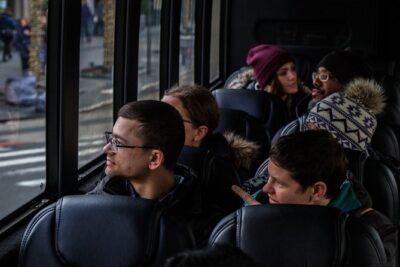 ★ 5.0New York in One Day Guided Sightseeing TourFrom $9913,166 reviews
 ★ 4.5New Orleans Premier Ghost, Voodoo and Vampire Walking TourFrom $2712,856 reviews
 ★ 5.0Charleston’s Old South Carriage Historic Horse & Carriage TourFrom $5010,023 reviews
 ★ 4.5Chicago River 90-Minute Architecture TourFrom $459,629 reviews
 ★ 4.5Boston Duck Boat Sightseeing City Tour with Cruise Along Charles RiverFrom $599,378 reviews