
Review · CIVIL WAR BATTLEFIELDS
Guided Savannah Civil War History Walking Tour
A Civil War story you can walk. This guided 2-hour history walk threads together Savannah’s antebellum politics with the shock waves of the Union invasion, using fully narrated stops so you’re never guessing what you’re looking at. I like that it moves in a clear timeline and keeps you focused on the major turning points, not just names on plaques.
Two things I especially like are the sweep of topics and the guide-led storytelling. You’ll cover everything from secession and Sherman’s March to the Sea to the tricky aftermath question, Reconstruction or Retribution, plus you’ll meet the human figures behind policy, General John Geary and General Oliver Howard. One possible drawback to plan for: it’s a walking tour, and you’ll want comfortable shoes and a willingness to stay on your feet for most of the 2 hours.
In This Review
- Key Highlights You Should Know
- Reynolds Square Setup: The Antebellum Context You Get First
- Why Savannah Chose Secession: Politics You Can Spot as You Walk
- Sherman’s March to the Sea: Seeing Headquarters and Thinking in Timeline
- Special Order No. 15: The Aftershock You Might Not Expect
- Reconstruction or Retribution: General Geary and Oliver Howard in Human Terms
- Lee’s Savannah Visits and the Squares: How the City Layout Helps You Remember
- Pacing, Group Size, and What to Bring for a 2-hour Walk
- Price and Value: Getting More Than a Quick Tour Stop
- Who This Tour Fits Best (and Who Might Want Something Different)
- Should You Book This Savannah Civil War Walking Tour?
- FAQ
- How long is the Guided Savannah Civil War History Walking Tour?
- What does the tour cost?
- Where do I meet the guide?
- Where does the tour end?
- Is the tour guided and in English?
- How big is the group?
- Do I receive a mobile ticket, and are service animals allowed?
- What is the cancellation policy and what if weather affects the tour?
Key Highlights You Should Know

- Reynolds Square start, with the historic district as your open-air classroom.
- Sherman’s March to the Sea and Special Order No. 15 explained in the real Savannah context.
- A strong focus on the big aftermath question: Reconstruction or Retribution.
- You’ll hear about Geary and Oliver Howard, not just famous generals.
- You’ll also track Robert E. Lee’s Savannah visits and see key historic sites tied to those trips.
- Small groups (max 15), which usually means you can ask questions and get direct answers.
Reynolds Square Setup: The Antebellum Context You Get First
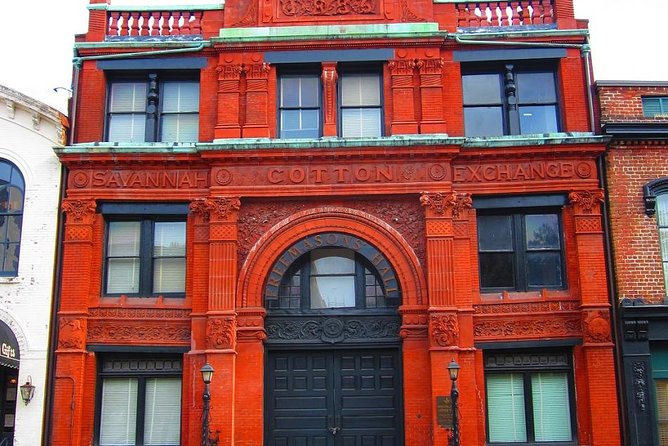
The tour begins at Reynolds Square (32 Abercorn St), right in the thick of Savannah’s historic downtown. That first phase matters more than many people expect. If you only show up for battle history, you miss the part that made conflict more likely, the local culture and political leaning that helped push events toward secession.
Your guide sets the stage around how Savannah’s society and politics shaped decisions. You’ll get help connecting what you see in the streets and buildings to what people believed at the time. It’s a smart move, because walking through an old city can feel like a photo museum unless someone gives you the “why.”
This is also where you learn the tour’s pacing style. Most of the time you’ll be listening while still watching your surroundings, since the route is built around the historic district streets and Savannah squares. If you’re the type who likes to look up at façades and then ask, what does that mean, this format is made for you.
Why Savannah Chose Secession: Politics You Can Spot as You Walk
One of the tour’s core goals is answering a blunt question: why secession happened the way it did. In a city like Savannah, the past isn’t far away. It’s literally in the architecture, the street grid, and the social history tied to what built this place.
Expect the guide to walk you through Savannah’s cultural and political leanings and how those attitudes fed into secession. This isn’t just a quiz of dates and names. It’s more like learning the local mindset, so later topics like Sherman’s arrival and Reconstruction policies make sense as reactions, not random plot twists.
You’ll also hear plenty of cause and effect. The Civil War didn’t happen in a vacuum, and the tour aims to show how choices were tied to power, economy, and ideas about the future. I like that this approach keeps the story grounded, because it prevents history from becoming a list.
The rest of our Guided notes for Savannah



Sherman’s March to the Sea: Seeing Headquarters and Thinking in Timeline

Then you pivot to the shock of Union strategy, Sherman’s March to the Sea. Savannah sits right in the path of that campaign, so the tour treats it like a turning point you can track step by step. You’ll hear how the march changed the geography of the war and what it meant for civilians in the cities caught in the route.
A highlight here is seeing the place associated with Sherman’s headquarters. Even if you don’t study maps, having a real location helps your brain build a mental picture. The guide also keeps the timeline moving, so you’re not lost between major moments.
This segment is where the tour tends to feel most cinematic, but without melodrama. The better guides here keep it factual, clear, and question-friendly. If you’re the type who hates fluffy storytelling, look for guides who stick to the facts and separate myths from what’s supported. The guide roster on this tour includes several named professionals like Kelce, Pierce, Champ, Rodney, and Robert, and the strongest impressions are about straight answers and solid structure.
Special Order No. 15: The Aftershock You Might Not Expect
Next comes one of the most talked-about parts of the experience: Special Order No. 15. This isn’t an event you can understand with a quick glance at a monument. It demands context, because it sits right at the intersection of military decisions, freedom for formerly enslaved people, and the chaos of Union occupation.
The tour tackles it as a piece of the larger story, not an isolated fact. You’ll also learn why this order matters in Savannah specifically, and why it still gets people thinking today. The guide connects it back to the broader arc, so it doesn’t feel like homework.
I also like how this section sets you up for the tour’s big thematic question, Reconstruction or Retribution. That question is doing a lot of work. It frames what people wanted next, how different leaders interpreted justice, and how policy can sound official while still producing brutal real-world outcomes.
If you want to understand why Reconstruction was not simply a switch flipping from war to peace, this part is essential.
Reconstruction or Retribution: General Geary and Oliver Howard in Human Terms
The tour doesn’t stop at famous names. It brings in General John Geary and General Oliver Howard and explains why their roles mattered in the aftermath. For many visitors, this is where Civil War history shifts from battlefield narrative to governance and enforcement.
You’ll hear how leadership decisions affected the lived experience of people trying to rebuild their lives during a volatile transition. That emphasis is valuable because Reconstruction is often misunderstood as a single event or a single policy. Here, it comes across as a contested process, shaped by competing goals and different interpretations of what should happen next.
This section also helps you understand the emotional and political stakes behind the phrase Reconstruction or Retribution. It’s not just a slogan. It’s the moral argument that echoed through courtrooms, offices, and streets.
The guide’s ability to keep these threads straight is one of the reasons the tour earns such strong marks. People often praise how the guide stays organized with the timeline and answers follow-up questions without getting lost.
Lee’s Savannah Visits and the Squares: How the City Layout Helps You Remember
Here’s a part you might not plan for but will remember: the tour includes places tied to Robert E. Lee’s visits to Savannah. The guide helps connect those visits to the city’s story across multiple trips. Seeing that name linked to actual streets helps you stop thinking of Lee as only a distant figure on a battlefield.
As you walk, you’ll also enjoy several of Savannah’s squares. These pauses matter. They give you a place to reset your eyes, check your bearings, and actually absorb the explanation. One practical note from the experience style: the pace often includes a few stops where you can sit or rest your feet, which is a real kindness when you’re combining walking with dense content.
The squares also give you a natural way to visualize time passing. Each stop acts like a chapter break. If your brain likes structure, you’ll appreciate how the city layout becomes part of the teaching.
Additional Walking Tours on the review pile in Savannah




Pacing, Group Size, and What to Bring for a 2-hour Walk
This is a 2-hour guided walking tour through the Antebellum section of Savannah’s historic district. The group size is capped at 15, which is a big deal for two reasons. First, it keeps the guide’s attention more personal. Second, it makes the questions more likely to get answered on the spot.
The route is built to be a comfortable walk for most people. Reviews often mention that it’s an easy stroll with a good pace, not a forced march. Still, you should bring practical basics: comfortable shoes, water if the weather is warm, and a plan for heat and humidity.
One more detail to consider: you may use an audio system, like earbud-style listening, so you can hear the guide while you keep looking around. That’s useful in a city where the streets are busy and the sounds compete with narration. If you’re sensitive to sound or prefer silence, you’ll still likely appreciate being able to hear clearly without constantly turning your head.
If you get warm easily, bring a small personal fan or plan to take advantage of the guide’s stops. Some guides have even had spare fans on hand, which tells you they watch for comfort, not just facts.
Price and Value: Getting More Than a Quick Tour Stop
At $40 per person for about 2 hours, this tour sits in the sweet spot for a guided history experience. You’re paying for two things that are hard to DIY: tight narrative structure and expert direction through a complicated topic.
The tour covers a lot for the time. You’ll touch on:
- the lead-up to secession in Savannah,
- Sherman’s campaign through Savannah,
- Special Order No. 15,
- and the Reconstruction or Retribution debate,
while also introducing Geary and Howard and tying in Robert E. Lee’s visits.
That density matters. A self-guided walk can be pretty, but it often fails at the “why” and the “what changed next.” A guided tour adds a mental map you can carry back to your hotel, the kind that makes later reading and museum visits click.
Also, the small-group size adds value. With max 15 people, you’re less likely to feel like you’re watching from the back row. And since the guide style is often praised for friendliness, people tend to feel comfortable asking questions.
If you book this, I’d treat it as your anchor Civil War experience in Savannah. Then let the rest of your trip build outward.
Who This Tour Fits Best (and Who Might Want Something Different)
This is a great fit if you love Civil War history and you want the story placed into the Savannah streets and squares where it actually happened. It’s also a good choice if you consider yourself a beginner. The tour’s design helps you follow cause and effect without assuming you already know every date.
It’s especially appealing if you like guides who:
- keep the timeline organized,
- answer questions clearly,
- and use tools like visuals or supporting materials when helpful.
The guide roster includes names like Kelce, Pierce, Champ, Rodney, and Robert, and the strongest feedback patterns point to professionalism, clear communication, and a fact-first approach. One guide, Robert, in particular was noted for separating fact from fiction and for teaching how to read Savannah’s Civil War context with less myth and more reality.
The main “not for everyone” factor is also simple. This is a walking tour with a packed subject matter. If you want long, quiet pauses or you get frustrated with dense narration, you might find it intense. But for most history-minded visitors, it’s the right balance of walking and learning.
Should You Book This Savannah Civil War Walking Tour?
Yes, if you want a guided, narrated Civil War walk that actually explains the major turning points, not just where to stand for a photo. I’d book it if you care about how Savannah’s politics fed into secession, if you want to understand what Sherman’s campaign meant on the ground, and if you want Reconstruction framed as a contested choice.
I’d think twice if you’re physically limited and need a lot of sitting time, or if you prefer light history with minimal political and moral discussion. The tour covers heavy themes, because the era itself was heavy. If you’re okay with that, you’ll likely come away with a sharper, more useful understanding of Savannah’s Civil War story.
If you do book, wear your most comfortable shoes, bring water, and come with a couple of questions. This tour rewards curiosity.
FAQ
How long is the Guided Savannah Civil War History Walking Tour?
The tour lasts about 2 hours.
What does the tour cost?
It is $40.00 per person.
Where do I meet the guide?
Meet at Reynolds Square, 32 Abercorn St, Savannah, GA 31401.
Where does the tour end?
It ends at 127 Abercorn St, Savannah, GA 31401, in Oglethorpe Square.
Is the tour guided and in English?
Yes. It includes a professional guide and is offered in English with narration throughout.
How big is the group?
The maximum group size is 15 travelers.
Do I receive a mobile ticket, and are service animals allowed?
Yes, the tour uses a mobile ticket, and service animals are allowed.
What is the cancellation policy and what if weather affects the tour?
You can cancel for free up to 24 hours in advance for a full refund. If it is canceled due to poor weather, you will be offered a different date or a full refund.
Guided reviewed right across Savannah
- Historic Savannah Guided Walking Tour★ 5.0 · 2,918 reviews
- 1-Hour Bonaventure Cemetery Golf Cart Guided Tour in Savannah★ 5.0 · 1,371 reviews
- 60-Minute Guided Segway History Tour of Savannah★ 5.0 · 1,163 reviews
- Savannah Slavery to Freedom Guided History Tour★ 5.0 · 407 reviews
- Savannah Stroll: Guided Sightseeing & History Walking Tour of Savannah★ 4.5 · 350 reviews
Tours: the rest of the Savannah file
- Savannah Hop-On Hop-Off Trolley Tour★ 4.5 · 6,527 reviews
- Savannah History and Haunts Candlelit Ghost Walking Tour★ 5.0 · 3,235 reviews
- Savannah First Squares Culinary & Cultural Walking Food Tour★ 5.0 · 3,229 reviews
- Historic Savannah Guided Walking Tour★ 5.0 · 2,918 reviews
- Savannah Ghosts & Gravestones Trolley Tour★ 4.0 · 2,723 reviews
Tour Reviews: more from our Savannah desk
- Savannah Hop-On Hop-Off Trolley Tour★ 4.5 · 6,527 reviews
- 90-Minute Savannah Riverboat Sightseeing Cruise★ 4.0 · 3,367 reviews
- Savannah History and Haunts Candlelit Ghost Walking Tour★ 5.0 · 3,235 reviews
- Savannah First Squares Culinary & Cultural Walking Food Tour★ 5.0 · 3,229 reviews
- Historic Savannah Guided Walking Tour★ 5.0 · 2,918 reviews
Newest Savannah reviews added to this site
- Civil War Savannah!! Guided Walking Tour
★ 4.0 · 314 reviews - Welcome to Savannah Guided Walking Tour
★ 5.0 · 329 reviews - Historical Bike Tour of Savannah and Keep Bikes After Tour
★ 5.0 · 345 reviews - Savannah Stroll: Guided Sightseeing & History Walking Tour of Savannah
★ 4.5 · 350 reviews - Golf Cart Tours, Bonaventure Cemetery Savannah Cruzers
★ 5.0 · 356 reviews - Savannah: Tybee Island Dolphin Tour
★ 4.7 · 359 reviews - 90-Minute Segway History Tour of Savannah
★ 5.0 · 365 reviews - Savannah Yes, Queen! Drag Queen Pub Crawl
★ 4.5 · 367 reviews - Savannah Midnight in the Garden of Good & Evil Narrated Walking Tour
★ 5.0 · 370 reviews - Narrated Harbor Luncheon Riverboat Cruise
★ 4.5 · 371 reviews
Civil War Battlefields
 ★ 4.5Fort Sumter Admission and Self-Guided Tour with Roundtrip FerryFrom $433,343 reviews
 ★ 4.7Charleston: Fort Sumter Entry Ticket with Roundtrip FerryFrom $432,879 reviews
 ★ 4.52-Hour Gettysburg Battlefield Guided History Bus Tour with a National Park GuideFrom $432,201 reviews
 ★ 4.5Civil War Ghosts: Echoes of the Fallen Gettysburg Ghost TourFrom $32913 reviews
 ★ 4.5Gettysburg Battlefield Self-Guided Driving Audio TourFrom $16910 reviews
 ★ 4.8Gettysburg: Horse-Drawn Carriage Battlefield TourFrom $74896 reviews
 ★ 4.5Gettysburg: Ghost Hunt Tour with Ghost Hunting EquipmentFrom $28589 reviews
 ★ 5.0Civil War Tour with Lotz House, Carter House & Carnton Admission from NashvilleFrom $101522 reviews
This one is also listed in