
Review · HISTORICAL TOURS
History Museum, Pioneer House Museum & Schoolhouse Museum
Three museums in one city block. This guided walking tour groups History Fort Lauderdale, the Pioneer House, and the Schoolhouse Museum in the historic core of Fort Lauderdale, right by the New River. Expect story-led rooms, period details you can actually see up close, and a calm green setting that feels like time travel while still being in the middle of modern downtown.
I love that your ticket includes admission across all three stops, so you are not doing museum math mid-tour. I also like the way the guides connect local growth to real objects and room details, with standout personalities such as David, Daniel, Kamal, and Frank. One consideration: if your guide is feeling extra chatty, the pacing can stretch, and that can make it tighter to fully enjoy every room, especially the schoolhouse.
In This Review
- Key tour highlights at a glance
- Getting oriented fast in Fort Lauderdale’s historic heart
- History Fort Lauderdale: the 1920s hotel and the railroad beside you
- The Pioneer House Museum: preserved rooms and the people behind the city
- Schoolhouse Museum: why an 1899 replica hits harder than you expect
- Art on the third floor: connecting past and present in a simple way
- The guides make or break the experience
- Timing, pacing, and how 1 to 2 hours really works
- Tickets, value, and what you still need to bring
- Who should book this tour, and who might want a different plan
- Practical tips before you go
- Should you book History Fort Lauderdale, Pioneer House, and Schoolhouse Museum?
- FAQ
- How long is the guided tour?
- Where do I meet for the tour?
- Which museums are included?
- Are entrance fees included?
- Are children free?
- Is the tour in English only?
- Are drinks included?
- Is transportation to and from the attractions included?
- Is there free cancellation?
Key tour highlights at a glance
- Three museums together: History Fort Lauderdale plus the Pioneer House and Schoolhouse Museum
- New River setting: strolls and views in the historic heart of Fort Lauderdale
- Entrance included: you get in to all the sites without extra ticket stops
- Strong guide energy: period-dressed storytelling from locals like David and Daniel
- Meaningful preserved rooms: kitchens, offices, and school desks from the era
- Language support on your device: English tour with translation options via QR codes
Getting oriented fast in Fort Lauderdale’s historic heart
If Fort Lauderdale feels like a blur of beaches, highways, and new buildings, this tour gives you a grounding story in a short amount of time. You start at 231 SW 2nd Ave, and the experience is designed as a stress-free walking package: you show up, follow your guide, and move from museum to museum at a human pace.
The setting helps. The museums sit in a park area along the New River, so you are not only learning inside. You also get a break from indoor walls, and it is easier to shake off that downtown noise. That matters, because Fort Lauderdale history can sound like names and dates. Here it comes with places, rooms, and objects.
This is also an easy pick for first-time visitors because the tour format keeps you from bouncing around on your own. With a maximum group size of 35, it is still small enough for questions, and you are not stuck in a giant herd.
History Fort Lauderdale: the 1920s hotel and the railroad beside you
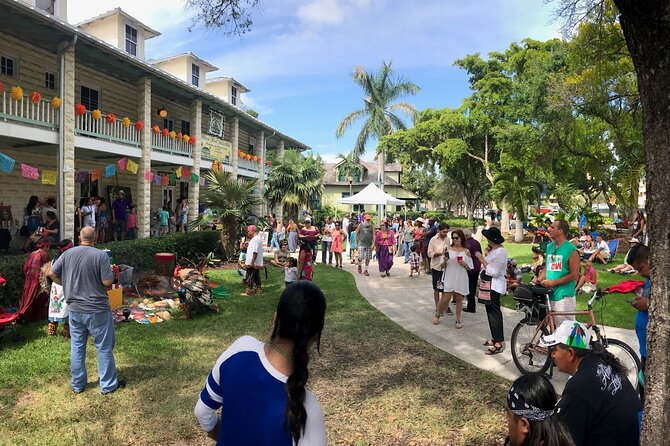
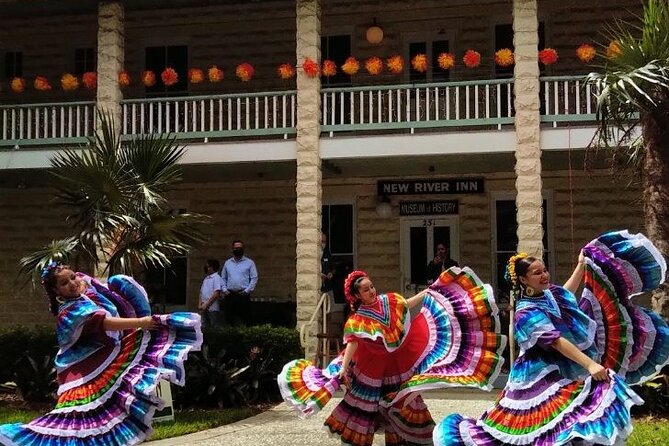
The tour’s first stop sets the frame. You visit History Fort Lauderdale, a museum built in a converted 1920s hotel setting, and the location carries one of the city’s biggest themes: transportation and growth.
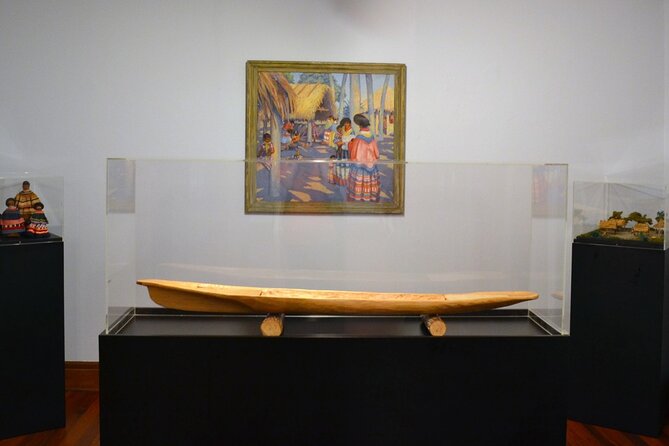
The experience typically begins with a short video introduction that covers major eras, including Seminole origins, the agricultural boom, and how railroad expansion shaped settlement patterns. After that, you start walking through the museum and noticing the details that turn abstract history into something you can picture.
One standout feature is that the railroad still runs nearby, close enough to feel like the city’s past is not sealed behind glass. It adds an extra layer to the storytelling, especially for anyone who likes connections between people and infrastructure. You get a sense that Fort Lauderdale’s growth was not random. It was steered by access, movement, and commerce.
This first stop is a great moment to set your curiosity level. If you are wondering who built the community and how, the guide will usually plant those answers here, then bring them forward in the Pioneer House rooms next.
Not settled on one yet? These are other Fort Lauderdale trips our reviewers have been through.


The Pioneer House Museum: preserved rooms and the people behind the city
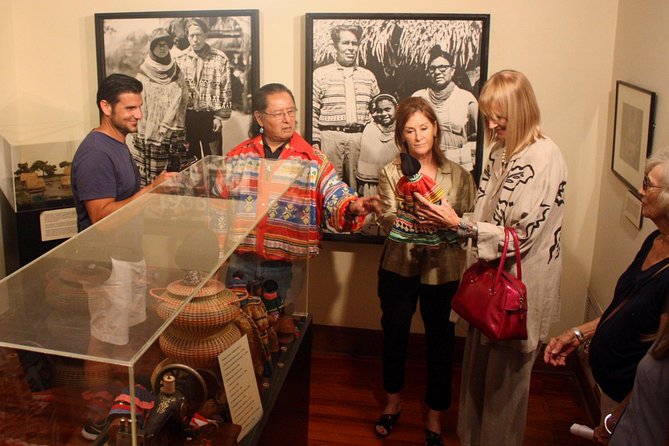
The Pioneer House is the part most people remember. You step into meticulously preserved 1920s-style rooms, where the point is not just to look at artifacts. It is to experience how everyday space shaped decisions and daily life.
Your guide brings the founders and early builders to life with stories tied to what you see in each room. One room-by-room detail that really lands is the vintage kitchen setup, including a period stove. You also hear about offices used for early city business. That matters because it shows you how a settlement turned into a city, not through big speeches, but through paperwork, meetings, and practical problem-solving.
The museum also highlights early Black entrepreneurship and leadership, including first Black-owned businesses such as nursing services and taxi companies, plus the hiring of the area’s first Black schoolteacher. You will feel the weight of those stories because they are connected to preserved spaces and specific community outcomes, not just general statements about progress.
If you like tactile details, watch for the “small technology” moments. In the Pioneer House you may see an early record player, the kind you operate by hand, plus vintage telephone lines. Even the building materials, like wood choices such as Miami oak mentioned in accounts of the house, help make the era feel real.
Schoolhouse Museum: why an 1899 replica hits harder than you expect
Next comes the 1899 replica schoolhouse, and this stop has a different emotional tone than the Pioneer House. The rooms are quieter. The focus is on learning, routines, and the daily structure of school life at the time.
Sitting at wooden desks while the guide explains what a school day likely felt like can be surprisingly moving. It helps you appreciate how early settlers viewed education as opportunity. Even if you do not think of yourself as a school-history person, the physical experience helps.
There is also a practical note. Florida heat can be real, and accounts of the tour mention it while describing how the schoolhouse setting feels. If you are visiting during warmer months, plan to move through the tour with comfort in mind. Wear breathable clothes. Keep water in your day plan even though drinks are not included.
This is the stop that can be hardest if the pacing runs long earlier. If your guide spends extra time on the narration, you might arrive at the schoolhouse with less time than you hoped. Still, if you stay patient and engaged, it tends to be one of the most memorable parts of the overall experience because it turns history into lived routine.
Art on the third floor: connecting past and present in a simple way
Inside the History Fort Lauderdale complex, you may also have access to rotating art exhibitions on an upper level. This is not just decorative. The idea is to connect what the city was doing then with what artists are doing now.
One example brought up in visitor accounts is the work of Stephanie MacMillan, including paintings of electrical utility boxes you see around Fort Lauderdale. The connection is clever because it takes something ordinary and turns it into local identity. If you want a souvenir that feels tied to place, this is where it often happens, with small items like magnets or postcards that reflect the art theme.
Even if you are not an art-shopper, this portion can be a good “breather.” You can step away from the timeline and just enjoy how artists interpret modern streets through the lens of community memory.
The guides make or break the experience
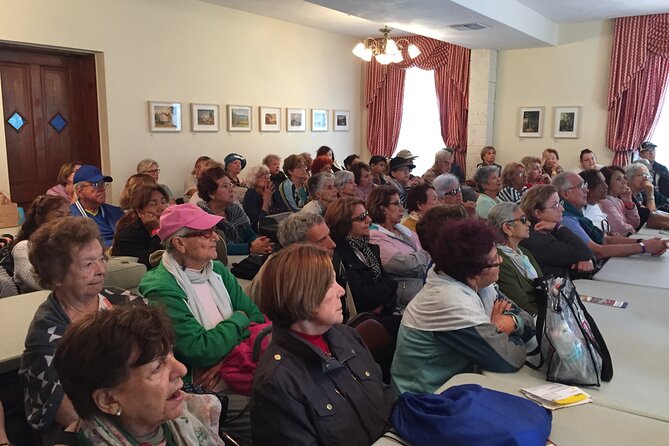
The strongest pattern across experiences is about people. When the guide is firing on all cylinders, the tour feels like you are getting a guided walk with a local who genuinely cares.
You may meet guides such as David or Daniel, and they often explain how Fort Lauderdale developed through founders, the railroad, and the shift from an agricultural settlement to a thriving city. Some accounts mention guides dressing in period attire, which adds a visual layer that helps the stories stick.
You can also run into staff who set the tone before the tour starts. Kamal has been noted for a warm greeting and for walking visitors to the entrance after spotting them in the parking area. Frank at the reception desk has been described as professional and personable, with jokes that loosen the museum mood before the more formal narration begins.
There is a second side to this coin, too. Some people found certain sections overly long-winded. Others noted an uncomfortable start when a lecture took place in a room without good ventilation or air conditioning. If you are sensitive to heat or long lectures, tell your guide early that you prefer a tighter pace. The best guides respond well when they know what you need.
- Jungle Queen Riverboat 90-Minute Narrated Sightseeing Cruise in Fort Lauderdale
★ 4.5 · 1,753 reviews






Timing, pacing, and how 1 to 2 hours really works
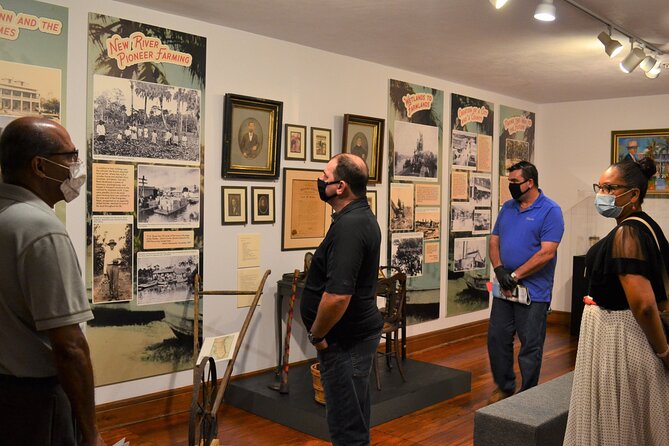
This is billed as roughly 1 to 2 hours, and that range is reasonable because you are covering three distinct stops. The tour format usually keeps you moving: video intro, museum walking, Pioneer House room sequencing, then the schoolhouse.
But the key thing to understand is timing. Even when a tour runs as expected, you still need enough minutes to look closely. If your guide talks longer than the group can absorb, the “later rooms” might feel rushed. One account described not reaching the schoolhouse by the end when the pacing got stretched earlier.
To protect your experience, do two things:
1) Go in with a flexible expectation. This is a guided story, not a silent self-paced walkthrough.
2) If you care most about the schoolhouse, arrive mentally ready to give it your full attention when you get there, even if the earlier stops feel slightly longer.
Also, remember that this is a mobile-ticket experience. That helps with flow, but you still need to show up at the meeting point on time so the guide can keep the group’s rhythm.
Tickets, value, and what you still need to bring
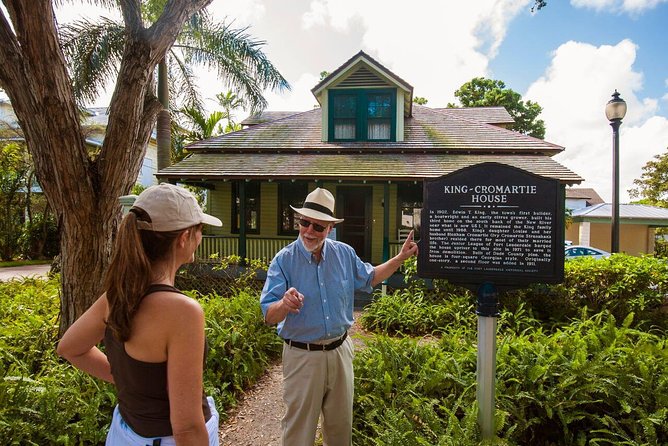
Admission to all three museums is included, and that is a big part of the value. You are not buying separate tickets and then losing time coordinating entry.
The tour package also tends to work out well for first-time visitors because it is organized around the history you actually need to understand. You get the broad timeline in the first stop, then you get specific “how did people live and work” context in the Pioneer House, then you finish with the schoolhouse.
What is not included is also clear. Souvenir photos are not included, and you may see photo options for purchase. Drinks are not included, so build your hydration plan around your personal comfort. Transportation to and from is not included, so you will need to handle getting to the meeting point yourself.
One more practical detail: the tour is offered in English. If you are not fully comfortable with English, there is a translation method described as scanning QR codes in the exhibits using your personal smart device, with options including Spanish, French, and Portuguese. Bring your phone, make sure it is charged, and check that your camera can scan QR codes before you start.
Who should book this tour, and who might want a different plan
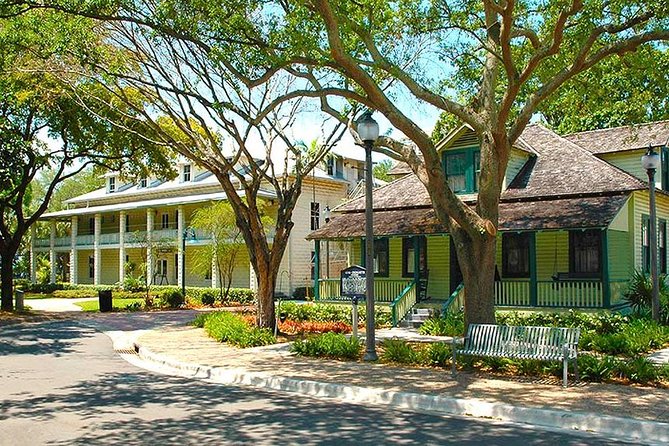
This tour is a great fit if you:
- want a guided, story-based introduction to Fort Lauderdale’s early roots
- like museums where you can walk through period rooms, not just read plaques
- appreciate local guides who connect community growth to real places
- are short on time and want to cover three sites in one go
It might be less ideal if:
- you strongly dislike long narration sessions
- you are extremely time-sensitive for later stops and cannot handle a slower pace
- you need strong multilingual guidance delivered live, rather than translation via QR codes
If you are traveling with older relatives, check how you feel about comfort in indoor spaces. Some rooms may not have great ventilation during certain segments, so bring light layers and plan for heat.
If you want a more controlled experience, keep in mind that private tours have happened when fewer people signed up. That can be useful if you want flexibility in pacing, especially for schoolhouse time.
Practical tips before you go
Here are the small moves that can improve your visit without making it complicated:
- Wear comfortable walking shoes. The tour is a guided walk across multiple rooms and levels.
- Bring a charged phone. QR-code translation depends on your device.
- If you get warm easily, dress in layers so you can adjust indoors.
- Keep expectations realistic about time. If you care about the schoolhouse most, give it priority attention when you arrive.
- After the tour, you are in a central area with plenty of places to eat. Planning a meal nearby makes it feel like a complete cultural block, not just “one museum stop.”
The payoff is that you come away with a map of what mattered in early Fort Lauderdale: growth sparked by transportation, community building in the Pioneer House rooms, and education as a cornerstone in the schoolhouse.
Should you book History Fort Lauderdale, Pioneer House, and Schoolhouse Museum?
I think you should book this tour if you want a high-value orientation to Fort Lauderdale’s past in a short window, with real preserved rooms and guides who speak with pride about the city. The combination of three museums in one guided walk is efficient, and the setting by the New River helps you reset between chapters of history.
Skip it or approach with caution if pacing issues or long lectures would frustrate you. Also double-check your language comfort ahead of time by using your phone for the QR translation option.
If you are a first-time visitor, or even a longtime Floridian who wants the city’s earlier story in a place you can actually walk through, this is a solid choice.
FAQ
How long is the guided tour?
The visit runs about 1 to 2 hours, depending on pacing and how much time your guide spends at each stop.
Where do I meet for the tour?
You start at 231 SW 2nd Ave, Fort Lauderdale, FL 33301, USA.
Which museums are included?
The tour includes History Fort Lauderdale, the Pioneer House Museum, and the Schoolhouse Museum.
Are entrance fees included?
Yes. Admission for the museums is included in the tour.
Are children free?
Child tickets for ages 0 through 6 are free.
Is the tour in English only?
The tour is offered in English. Translation support is available by scanning QR codes on your personal smart device, with options such as Spanish, French, and Portuguese.
Are drinks included?
No. Drinks are not included.
Is transportation to and from the attractions included?
No. Transportation to and from the attractions is not included.
Is there free cancellation?
Yes. You can cancel up to 24 hours in advance for a full refund.
Tour Reviews: more from our Fort Lauderdale desk
- Water Taxi All Day hop-on hop-off Venice of America Boat Tour★ 4.5 · 3,932 reviews
- VENICE OF AMERICA TOUR!! Best of Fort Lauderdale over 30 years!!!★ 4.5 · 1,952 reviews
- Everglades Holiday Park Airboat Tours & Rides★ 4.0 · 1,884 reviews
- Everglades: Sawgrass Park Day Time Airboat Tour & Exhibits★ 4.2 · 1,857 reviews
- Florida Everglades Airboat Adventure and Wildlife Encounter★ 4.5 · 1,791 reviews
Newest Fort Lauderdale reviews added to this site
- 4-Hour Fort Lauderdale Sailing Charter
★ 5.0 · 311 reviews - Fort Lauderdale Food & Drink Tour
★ 5.0 · 312 reviews - Shared Sportfishing Trip from Fort Lauderdale
★ 5.0 · 340 reviews - 4-Hour Day or Night-Time Reef Bottom Fishing Charter in Fort Lauderdale
★ 4.5 · 365 reviews - Fort Lauderdale: Millionaire’s Row Cruise with Drinks
★ 4.3 · 372 reviews - Fort Lauderdale Sailing Charter
★ 5.0 · 387 reviews - History Museum, Pioneer House Museum & Schoolhouse Museum
★ 5.0 · 439 reviews - Ocean Parasailing Adventure In Fort Lauderdale, FL
★ 4.5 · 465 reviews - Island Time Boat Cruise in Fort Lauderdale
★ 5.0 · 482 reviews - Everglades Day Safari from Ft Lauderdale
★ 5.0 · 488 reviews
Historical Tours, side by side.
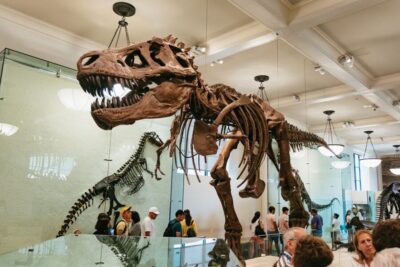 ★ 4.5New York City: American Museum of Natural History TicketFrom $3715,447 reviews
 ★ 5.0History and Hauntings of Salem Guided Walking TourFrom $3614,564 reviews
 ★ 5.0Charleston’s Old South Carriage Historic Horse & Carriage TourFrom $5010,023 reviews
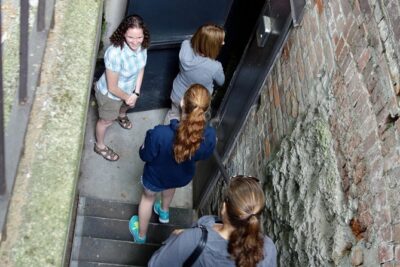 ★ 4.5Beneath The Streets Underground History TourFrom $298,006 reviews
 ★ 5.0Big Island in a Day: Volcanoes Waterfalls Sightseeing and HistoryFrom $2646,569 reviews
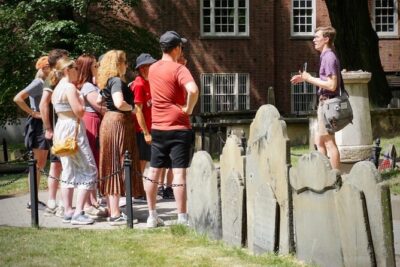 ★ 5.0Boston: Freedom Trail History Small Group Walking TourFrom $356,450 reviews
 ★ 5.0Historic Charleston Guided Sightseeing Walking TourFrom $306,216 reviews
 ★ 4.6NYC: Starship Landmark 90 Minute Sightseeing CruiseFrom $343,666 reviews
This one is also listed in