
Review · BROOKLYN AND THE OUTER BOROUGHS
NYC: Contrasts Tour of Harlem, The Bronx, Queens & Brooklyn
Four boroughs, one story about New York. What makes this tour fun is how it strings together famous landmarks and everyday neighborhood life, with guides who bring it to life, like Stalina and Frank from recent departures. I also like the built-in photo stops that turn major movie and skyline moments into real, walk-up experiences.
One thing to consider first, though: the stops include walking for photos, and the tour is not suitable for wheelchair users or people with mobility impairments. If you book, plan to wear comfortable shoes, and also know the route can change due to traffic, parades, or the New York City Marathon.
In This Review
- Key highlights to look for
- A Half-Day Tour That Actually Explains New York’s Contrasts
- Meeting Point, Travel Time, and What the Day Feels Like
- Harlem Along the Hudson: Cotton Club and Apollo Theater at Street Level
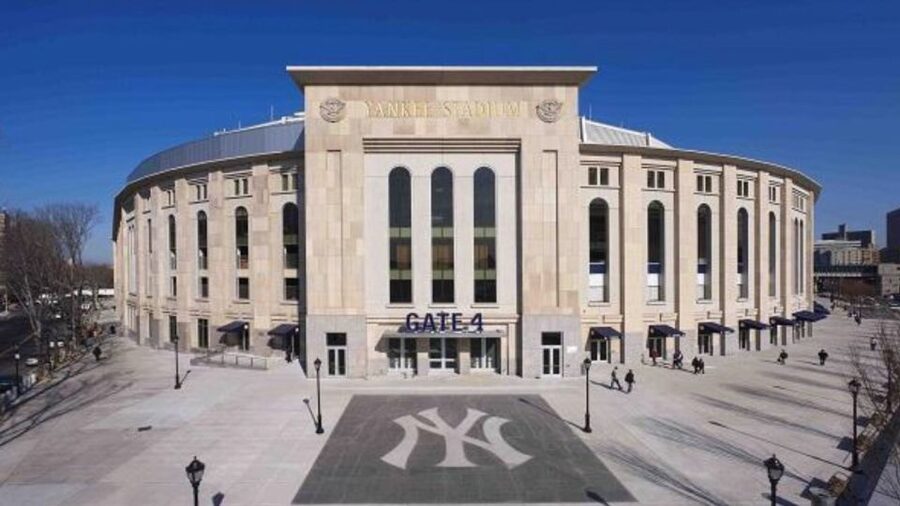
- Bronx Highlights: Joker Stairs, Yankee Stadium, and Quick Photo Stops
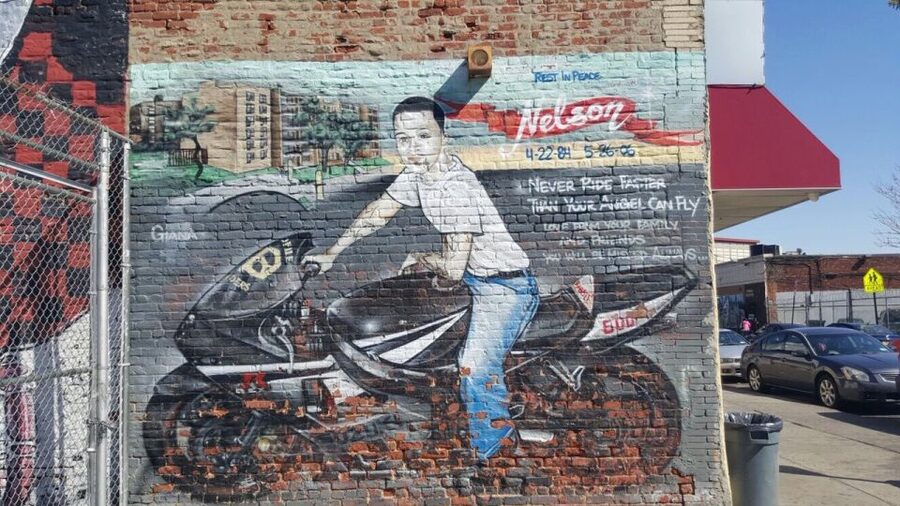
- The 42nd Precinct Fort Apache Stop and South Bronx Street Art
- Queens by Bridge and Neighborhood: MALBA, Immigration, and Flushing Meadows
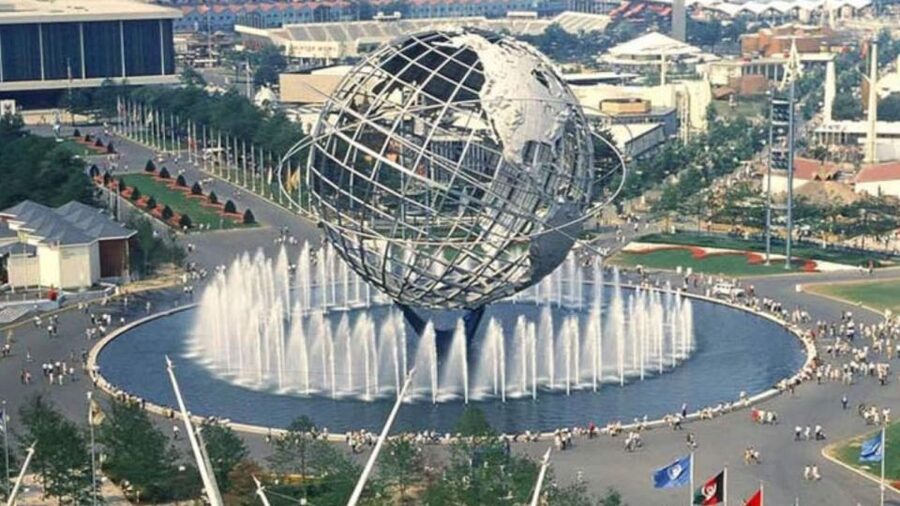
- Flushing Meadows-Corona Park: Unisphere and Stadium-and-Tennis Energy
- Williamsburg’s Jewish Quarter: A Different Brooklyn Mood
- Finish in Your Style: DUMBO or Chinatown and Little Italy
- Option A, DUMBO
- Option B, Chinatown and Little Italy
- What You Get for $39: Value Breakdown That Makes Sense
- Your Best Match: Who Should Book This Contrasts Tour
- Small Things to Watch For Before You Go
- Should You Book This Tour?
- FAQ
- How long is the NYC Contrasts Tour of Harlem, The Bronx, Queens & Brooklyn?
- How much does the tour cost?
- Where does the tour start?
- Which boroughs are included?
- What are the main stops in the itinerary?
- Where can I choose to end the tour?
- What languages is the live guide available in?
- Is hotel pickup included?
- What should I bring, and what ID is accepted?
- Is the tour refundable if I cancel?
Key highlights to look for
- Harlem music history passing Cotton Club and Apollo Theater
- Joker stairs (Guason Stairs) in the Bronx for quick, iconic photos
- Street art storytelling, including the Big Pun mural and I Love the Bronx mural (1970)
- Queens via the Whitestone Bridge and MALBA’s mansion-like homes
- Flushing Meadows-Corona Park sights like the Unisphere and the tennis complex
- End options that match your food mood, DUMBO or Chinatown and Little Italy
A Half-Day Tour That Actually Explains New York’s Contrasts
This tour is built for one simple goal: getting you out of Manhattan and seeing how New York’s boroughs feel different in real life, not just on a map. You ride in an air-conditioned vehicle for comfort and cover serious distance, then you pop out for targeted stops where a guide can connect the dots.
I like that it uses the city like a teaching tool. You see the big-name, film and music landmarks, but you also get context for the people and the neighborhoods around them. That matters because New York can look like one long skyline until someone points out why each block changed, what each community brought, and what locals pay attention to.
At $39 for about 4.5 hours, it is also strong value if you want breadth. You are paying for transportation, a professional guide, and a guided route that stitches together Harlem, the Bronx, Queens, and Brooklyn into one efficient day.
Meeting Point, Travel Time, and What the Day Feels Like
Your day starts around Times Square area, with the itinerary beginning from the Manhattan Hotel at Times Square. From there, you head north along the Hudson River toward Harlem, then the route keeps moving across borough lines.
The schedule is paced with short bus/van segments and timed walk breaks. Early on, you have ride time that matters in New York because traffic can make sightseeing feel random if you do it alone. Here, the time is structured, and the guide’s narration helps you keep your bearings as the neighborhoods change.
Plan for moments where you are on and off the vehicle quickly. The tour is designed for photo stops, guided segments, and brief free time, so you get action without feeling stuck in one place for hours.
More from our Brooklyn and the Outer Boroughs coverage in New York City
Harlem Along the Hudson: Cotton Club and Apollo Theater at Street Level
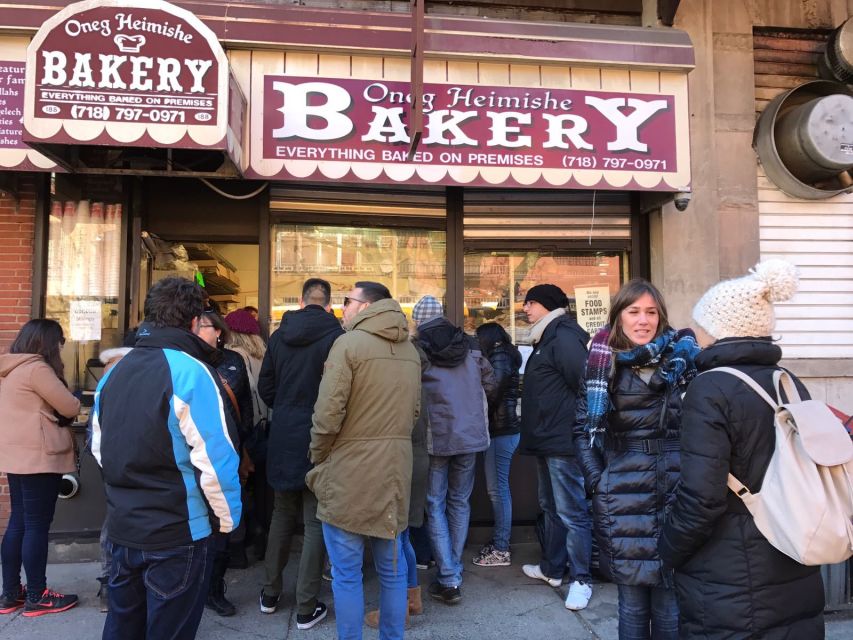
Harlem is where the tour starts turning contrast into something you can understand. You pass by major music landmarks including the Cotton Club and the Apollo Theater. Even if you only know those names in passing, a good guide can connect them to the Harlem story of entertainment, community, and cultural power.
What you get here is atmosphere plus context. The guide frames Harlem not as a single destination, but as a neighborhood that has shaped American music and culture for generations. You are not going deep into museums here, but you are getting a strong orientation for why Harlem matters before moving on.
Practical note: this is mostly a ride-by and pass-by portion, with the main Harlem time used as you travel and then transition to the Bronx. If you love lingering in one area, this tour is more about breadth than slow wandering.
Bronx Highlights: Joker Stairs, Yankee Stadium, and Quick Photo Stops
Then you land in the Bronx, and the mood shifts. The tour includes the stairs from the movie Joker, listed as the Guason Stairs, which makes for an instantly recognizable photo moment. It is quick and simple, but it works because the guide can point out what you are seeing in the neighborhood context around the film location.
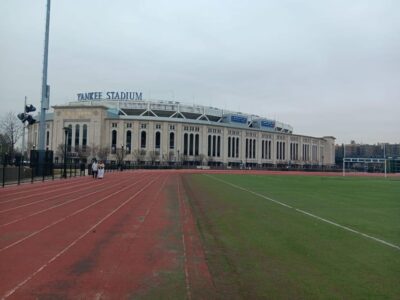
After that, you stop near Yankee Stadium for photos and some free time. The itinerary specifically includes a bathroom and photo break here, which is helpful because later stops are tighter on timing.
If baseball is your thing, Yankee Stadium gives you a big landmark payoff. If baseball is not your thing, it still helps you anchor the Bronx portion of the day because you see one of the borough’s most visible institutions up close.
The 42nd Precinct Fort Apache Stop and South Bronx Street Art
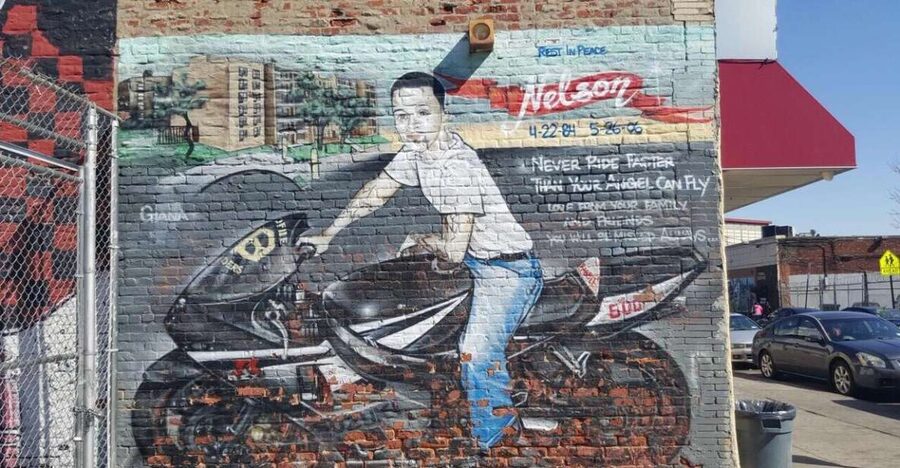
One of the best parts of this tour is how it slows down the Bronx story at the right moments. You continue along Grand Concourse Avenue and enter the 42nd Precinct, known from the movie Fort Apache. This is more than a photo opportunity because it gives you a taste of how police history and neighborhood identity show up in popular culture, then in everyday perceptions of place.
From there, you head toward the South Bronx for street art stops that do not feel random. The tour includes graffiti pieces linked to rapper Christopher Rios, known as Big Pun, and the famous I Love the Bronx mural created in 1970, associated with Tats Cru. The key value here is that you learn the stories behind the murals, not just their locations.
This is also where you should give yourself mental space. The guide’s narration is what turns the art into information, like who made it, what it represents, and why that kind of work shows up when communities want to claim visibility. You are walking and photographing, but the point is understanding the why.
Photo tip: go for angles that include surroundings. Street art can look like a wall detail from far away, but up close it becomes part of the block story. If you are with a group, coordinate quickly so you do not lose time while people decide on shots.
Queens by Bridge and Neighborhood: MALBA, Immigration, and Flushing Meadows
Next comes Queens, and this is where the tour leans into New York’s reputation for multicultural life. Queens is the largest borough, and it feels that way. The itinerary has you crossing the Whitestone Bridge to reach MALBA, a neighborhood developed by wealthy boaters and fishermen and now known for beautiful, mansion-like homes.
This stop is a contrast maker. You are going from the Bronx street art and neighborhood intensity into a different style of residential fabric. Even a short pass by can help you see how wealth, geography, and history can reshape a neighborhood’s look and rhythm.
Then you experience Queens as a living mix. The tour highlights immigration and culture through the day’s neighborhood views, plus multicultural shops and restaurants. That is one reason the guide component matters. Without explanation, Queens can feel like “lots of different places.” With the narration, you start to see how those places fit together.





Flushing Meadows-Corona Park: Unisphere and Stadium-and-Tennis Energy
Flushing Meadows-Corona Park is a major stop because it is one of those places New Yorkers treat like a landmark hub, and it is also recognizable from pop culture. You get photo time around the Unisphere, plus sights at Mets’ stadium and the USTA Billie Jean King National Tennis Center.
The Unisphere photo stop is quick, but it is worth it because it is one of those structures that instantly makes you feel like you are in a real New York city snapshot. And the park setting gives you a break from strict neighborhood narrowness. You get open space energy, even if your time is short.
Tennis fans will appreciate the Billie Jean King National Tennis Center detail. If you are not a tennis person, you can still treat this as a modern landmark sweep, the kind of place where New York shows how it hosts international attention.
Williamsburg’s Jewish Quarter: A Different Brooklyn Mood
After Queens, the day flows into Brooklyn, ending with a visit to Williamsburg’s Jewish Quarter. This is positioned as a contrast to the trendy areas made famous by film and television. That contrast is the point. Williamsburg has layers, and this tour tries to show you one of them without forcing you into the most hype-facing corners.
You get a photo stop plus guided time and some free time. That mix matters because it gives you a chance to look first, then ask questions while the guide can still shape what you notice. The guided part is especially helpful for understanding how a community anchors a neighborhood, even as surrounding areas change.
If you care about neighborhoods with strong identity, this portion is a satisfying payoff. It gives Brooklyn personality beyond the typical skyline and street-style imagery.
Finish in Your Style: DUMBO or Chinatown and Little Italy
The final choice is one of the smartest parts of the tour design, because it lets you match the finish to your hunger and your walking comfort.
Option A, DUMBO
In DUMBO, you can grab the classic Manhattan Bridge photo between two buildings. You also get a practical food suggestion area, including Time Out for a great price and Grimaldi’s as the oldest pizzeria in Brooklyn. If you want a bigger finish, you can also walk across the Brooklyn Bridge into Manhattan with panoramic views and the Statue of Liberty in the background.
This ending is best if you want views plus a lively “New York postcard” feel. It is also ideal if you like mixing iconic photos with a clear place to eat without hunting.
Option B, Chinatown and Little Italy
The other option continues across the Manhattan Bridge to Chinatown and Little Italy. The tour frames this as a strong food zone, especially for Italian food in New York, with the added bonus of a neighborhood vibe shift from what you saw earlier.
This ending is best if you want to keep your day in the streets with strong cultural energy and plenty of casual meal options.
What You Get for $39: Value Breakdown That Makes Sense
For $39 per person, you are not just buying a route. You are buying three things that cost money if you do them alone.
First, you get transportation in an air-conditioned vehicle for a long multi-borough loop. Second, you get a professional guide who connects landmarks to neighborhood stories, including specific street art references like Big Pun and the I Love the Bronx mural. Third, you get structured stops with photo time and free time so you do not have to decide everything on your own.
Food is not included. That is normal for this type of tour, and it is actually a benefit because it gives you control. You can eat what you want at your chosen ending, either DUMBO or Chinatown and Little Italy, instead of getting stuck with a set meal you might not like.
Also, expect some pass-by segments. That is part of how you cover four boroughs in about 270 minutes. If you are expecting a slow walk through every neighborhood, this tour will feel more efficient than exhaustive.
Your Best Match: Who Should Book This Contrasts Tour
This is a great fit if you are visiting for the first time and want a fast, guided way to see more than Manhattan. It is also a good choice if you do not feel comfortable navigating borough-to-borough on your own, or if you want someone to point out what to notice as you move.
In the recent guide feedback, one theme pops up again and again: guides with energy and strong storytelling. People mention names like Stalina, Frank, Francisco, Diego, Augustine, and Carlos, and they frequently call out narration that adds real perspective and makes landmarks make sense. Drivers get positive mentions too, including Elvis and Mario, with praise for getting everyone safely through traffic and keeping the day on track.
Who might think twice:
- If you need wheelchair access or mobility support, this one is not suitable based on the tour information.
- If you hate short stops and prefer long time off the vehicle, this tour may feel a little “on the move” because it is designed for photos and timed sightseeing.
Small Things to Watch For Before You Go
A few practical notes can save you stress.
- Wear comfortable shoes. You will be walking at multiple photo stops, including the Guason Stairs area.
- Bring an ID card. A copy is accepted.
- Avoid large luggage. Pets are not allowed either.
- Weather and city events can shift timing. The route can be modified due to parades, traffic, or the New York City Marathon.
One more consideration: this tour can sometimes feel busy because it mixes pass-by segments, guided visits, and free time. If you are sensitive to crowds or noise, you might want to plan for it, especially in major stops.
Should You Book This Tour?
Yes, I would book it if you want a guided “New York across four boroughs” day that includes movie-grade photo moments and street art with context. The $39 price for 270 minutes, with a professional guide and air-conditioned transportation, is hard to beat if your goal is to see a lot and understand why each neighborhood feels different.
I would skip it if you need long, unstructured time in one place, or if mobility issues make photo-stop walking difficult. And if your schedule is extremely tight, remember the route can be modified by big city events and traffic.
If your ideal day looks like: get your bearings fast, learn the story behind visible landmarks, and then finish with either DUMBO views or Chinatown and Little Italy food, this tour is a strong match.
FAQ
How long is the NYC Contrasts Tour of Harlem, The Bronx, Queens & Brooklyn?
It runs for about 270 minutes (4.5 hours).
How much does the tour cost?
The price is $39 per person.
Where does the tour start?
The starting meeting point depends on the option you book, but the tour description indicates boarding at the Manhattan Hotel at Times Square.
Which boroughs are included?
The tour includes Harlem, The Bronx, Queens, and Brooklyn.
What are the main stops in the itinerary?
Key highlights include Cotton Club and Apollo Theater in Harlem (pass by), the Joker stairs (Guason Stairs) in the Bronx, Yankee Stadium photo stop, the 42nd Precinct from Fort Apache, street art stops including Big Pun and I Love the Bronx, MALBA in Queens, Flushing Meadows-Corona Park (Unisphere, Mets’ stadium, and the USTA Billie Jean King National Tennis Center), and Williamsburg’s Jewish Quarter.
Where can I choose to end the tour?
You can choose where to end: DUMBO, or Chinatown and Little Italy.
What languages is the live guide available in?
The guide is available in English and Spanish.
Is hotel pickup included?
Pickup is optional if your hotel is in Midtown Manhattan, but you must contact the provider after booking to define the pickup location.
What should I bring, and what ID is accepted?
Bring comfortable shoes and an ID card. A copy of the ID is accepted.
Is the tour refundable if I cancel?
Yes. Free cancellation is available up to 24 hours in advance for a full refund.
Brooklyn and the Outer Boroughs: further reviews from New York City
- NYC Bus Tour of Brooklyn, Bronx, Queens: Art, Food & Sports★ 5.0 · 3,805 reviews
- NYC Highlights Tour: Bronx, Brooklyn, Harlem, Queens & Coney★ 4.5 · 2,846 reviews
- NYC: Brooklyn Nets NBA Game Ticket at Barclays Center★ 4.7 · 2,033 reviews
- NYC: Harlem Hallelujah! Gospel Wednesday Concert★ 4.7 · 1,638 reviews
- New York City: Harlem Gospel Live Music Concert★ 4.7 · 1,479 reviews
Tours: the rest of the New York City file
- Statue of Liberty and Ellis Island Tour: All Options★ 5.0 · 13,571 reviews
- New York in One Day Guided Sightseeing Tour★ 5.0 · 13,166 reviews
- Central Park Pedicab Guided Tours★ 5.0 · 7,108 reviews
- New York City: Manhattan Helicopter Tour★ 4.7 · 7,076 reviews
- Private Central Park Pedicab Tour★ 5.0 · 6,981 reviews
Tour Reviews: more from our New York City desk
- NYC: SUMMIT One Vanderbilt Tickets★ 4.7 · 51,195 reviews
- NYC: Empire State Building Tickets – Observatory & Museum★ 4.7 · 25,757 reviews
- New York City: Statue of Liberty & Ellis Island with Ferry★ 4.6 · 18,683 reviews
- New York City: American Museum of Natural History Ticket★ 4.5 · 15,447 reviews
- Statue of Liberty and Ellis Island Tour: All Options★ 5.0 · 13,571 reviews
Newest New York City reviews added to this site
- NYC: Whitney Museum Ticket
★ 4.2 · 315 reviews - NYC: Manhattan & Statue of Liberty Cruise with Shuttle Bus
★ 4.6 · 316 reviews - 60-Minute Statue of Liberty Sightseeing Cruise
★ 3.0 · 317 reviews - True Crime New York: NYPD-Guided Mafia Walking Tour w/ Food
★ 4.6 · 318 reviews - New York City Cocoa and Carols Holiday Cruise
★ 4.5 · 318 reviews - Harlem Wednesday Morning Gospel Tour
★ 4.5 · 320 reviews - Central Park Bike Rental: Quality Bikes with Map, Helmet, Lock
★ 4.0 · 324 reviews - New York City Harlem Highlights w/ Gospel Concert & Transfer
★ 4.5 · 326 reviews - 9/11 Memorial Tour with Optional Museum and One World Access
★ 5.0 · 330 reviews - New York City Sunset Cruise on a Yacht
★ 5.0 · 331 reviews
Brooklyn and the Outer Boroughs, side by side.
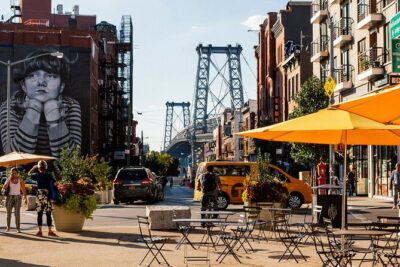 ★ 5.0NYC Bus Tour of Brooklyn, Bronx, Queens: Art, Food & SportsFrom $843,805 reviews
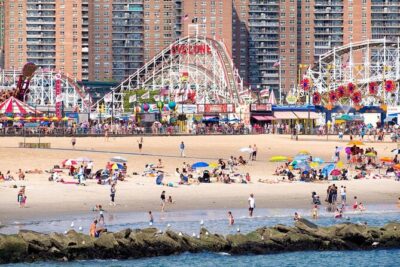 ★ 4.5NYC Highlights Tour: Bronx, Brooklyn, Harlem, Queens & ConeyFrom $462,846 reviews
 ★ 4.7NYC: Brooklyn Nets NBA Game Ticket at Barclays CenterFrom $312,033 reviews
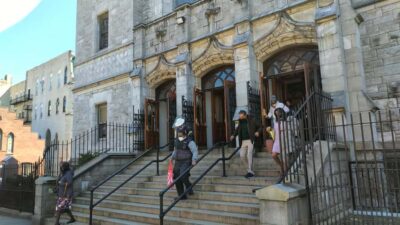 ★ 4.7NYC: Harlem Hallelujah! Gospel Wednesday ConcertFrom $251,638 reviews
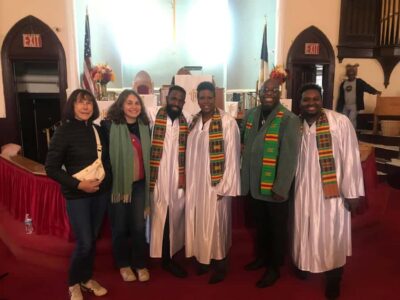 ★ 4.7New York City: Harlem Gospel Live Music ConcertFrom $281,479 reviews
 ★ 4.3From Manhattan: Bronx, Queens and Brooklyn Half-Day TourFrom $791,321 reviews
 ★ 4.4From Manhattan: Full-Day NYC Boroughs and Coney Island TourFrom $491,120 reviews
 ★ 4.7NYC: Contrasts of Bronx, Queens, Brooklyn, & Manhattan TourFrom $561,110 reviews
This one is also listed in