
Review · CHARLESTON HISTORIC TOURS
Charleston’s Historic Downtown Food Tour
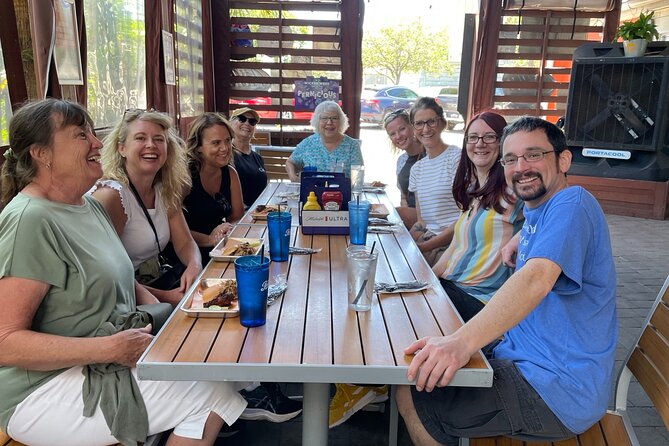
Charleston tastes like history. On the Charleston Historic Downtown Food Tour, I love how VIP access pulls you into sit-down stops without line stress, and how the food samples add up to lunch while your guide ties French, African, and pirate influences to what you taste.
One thing to plan for is tight timing. You cover a walk through key landmarks and then make four restaurant tastings in about 2.5 hours, so this is not a slow, stroll-and-sip kind of outing.
I also like the small group size, capped at 15, and the mobile ticket that keeps everything straightforward. In the guide names shared in past groups, I saw praise for Paige, Page, Jeff, and Emerson for making the history feel connected to the food.
In This Review
- Key highlights you should know
- VIP restaurant access and why $110 makes sense
- Rainbow Row and the Pineapple Fountain: French influence and southern hospitality
- Old Exchange and Provost Dungeon: pirates and privateering on the plate
- Charleston City Market: African ingredient influences you can taste
- The four restaurant tastings: she-crab soup, rice dishes, pulled pork, dessert
- How the route pacing works in a 2.5 hour walk
- Who should book this Charleston food tour
- Should you book this Charleston Historic Downtown Food Tour?
- FAQ
- How long is the Charleston Historic Downtown Food Tour?
- What does the tour cost?
- Where do I meet the tour?
- Is lunch included?
- Are alcoholic beverages included?
- Do I get VIP access to restaurants?
- How many people are on the tour?
- Is the tour suitable for young children?
- Is the tour affected by weather?
- Can I cancel for a refund?
Key highlights you should know
- VIP access at top restaurant stops helps you get seated and sampling sooner
- Enough tastings to feel like a full lunch, not a few nibbles
- French Quarter landmarks like Rainbow Row get tied to what ended up on local plates
- Pirate-era Charleston stops connect privateering and piracy to early diets
- City Market storytelling points to African ingredient influences you can taste
VIP restaurant access and why $110 makes sense
Price is $110 for about 2 hours 30 minutes, and for Charleston that is not bargain-bin money. Still, I think it can work well because the tour is built around sit-down restaurant stops with VIP help, not just street snacks.
Here is the value math I use when deciding: you are paying for (1) guided routing and context, (2) access that can cut waiting time, and (3) multiple food tastings that aim to reach lunch-level satisfaction. The tour also caps group size at 15, which matters because it makes it easier to hear your guide and keep moving.
Also, alcohol is not included. That can be a pro if you want to stay focused and not wonder how much you will spend after the fact. If you do want cocktails, you can purchase them at the venues yourself, so the tour cost stays more predictable.
Rainbow Row and the Pineapple Fountain: French influence and southern hospitality
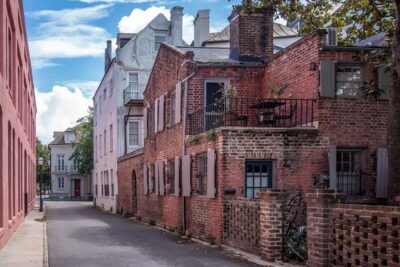
The tour begins at 195 E Bay St, and you head out from there toward the historic district landmarks. Stop one is Rainbow Row, then you work your way through the French Quarter area before reaching the food stops. This is a smart warmup because it gives you context while the group is still fresh and you are not yet busy holding a tray of samples.
Rainbow Row is more than a photo moment here. You learn how French culture influenced local cuisine, including what kinds of dishes French traditions helped shape in Charleston. If you like understanding how a city’s food identity forms over time, you will appreciate that the guide does not treat this as random restaurant hopping.
Then you get the Pineapple Fountain, a symbol tied to southern hospitality in South Carolina. That quick stop matters because it helps you read the place you are standing in, not just the menu you are about to eat. When your guide connects landmarks like this to how people cooked and served food, it turns the walking into a story.
One more practical note: these landmark stops are short, around 15 to 20 minutes each. So you should bring your attention, not expect long lectures on the sidewalk.
Elsewhere under Historical Tours across Charleston
Old Exchange and Provost Dungeon: pirates and privateering on the plate
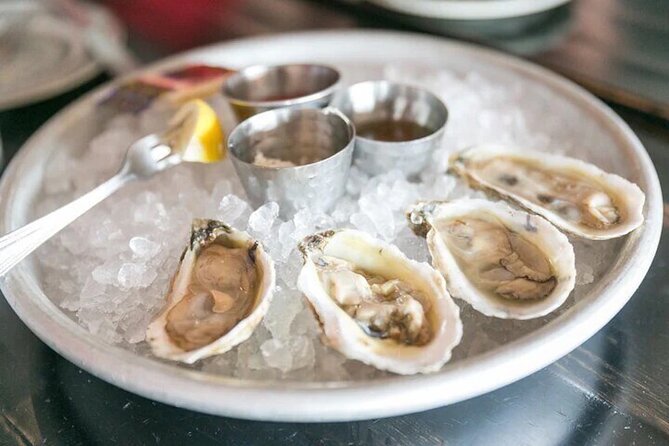
Stop three takes you to the Old Exchange and Provost Dungeon area, and this is where the food history gets more dramatic. You talk about early 1700s pirates and how privateering and piracy affected Charleston, including what that meant for what locals ate.
Why does this belong on a food tour? Because ports and shipping routes change diets fast. Pirates and privateers were part of the maritime economy, and maritime economies bring goods, flavors, and supply patterns into the city. Even if the details are complicated, the end result is simple: the guide shows you how Charleston’s food was shaped by forces outside the kitchen.
This is also one of the best stops for people who want a tour that goes beyond just naming dishes. If you like history with a direct line to everyday life, you will probably find the pirate angle memorable.
Charleston City Market: African ingredient influences you can taste
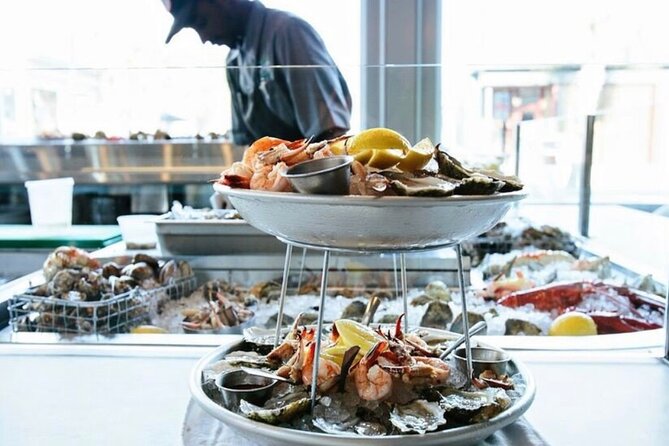
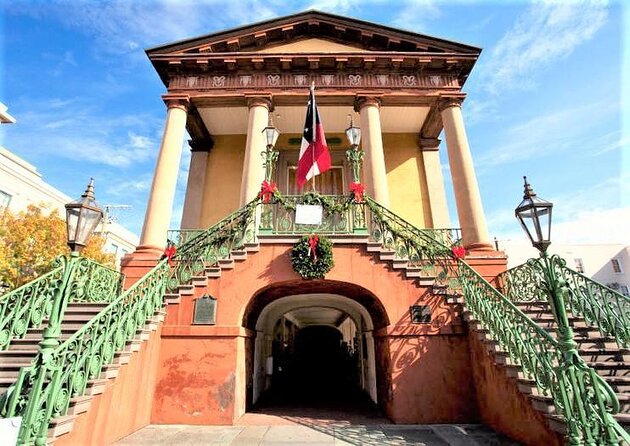
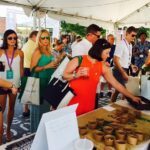
The final landmark stop is Charleston City Market. Here, your guide connects African influences on Charleston cuisine to the ingredients locals adopted. This is a key part of the tour, because it helps explain why certain flavors and cooking approaches show up again and again in Lowcountry food.
City Market is a good setting for this, because it feels like a working hub. Even if you do not do any shopping during the tour, you still get the sense of how ingredients moved through the community.
One review note I found especially important: some guides are open about the role of slavery and the slave trade in Charleston’s history when discussing food. If you are coming expecting only pleasant heritage stories, adjust your expectations. It is worth being ready for that context, because the food story in Charleston is not separate from the people who were forced into the system.
The four restaurant tastings: she-crab soup, rice dishes, pulled pork, dessert
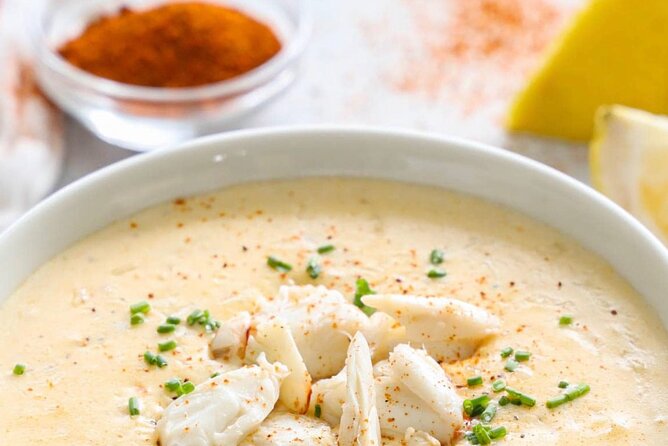
Now to the part you came for, the food. The tour includes lunch-style tastings at four different restaurant stops, and the aim is to keep you satisfied enough that it feels like a full meal by the end.
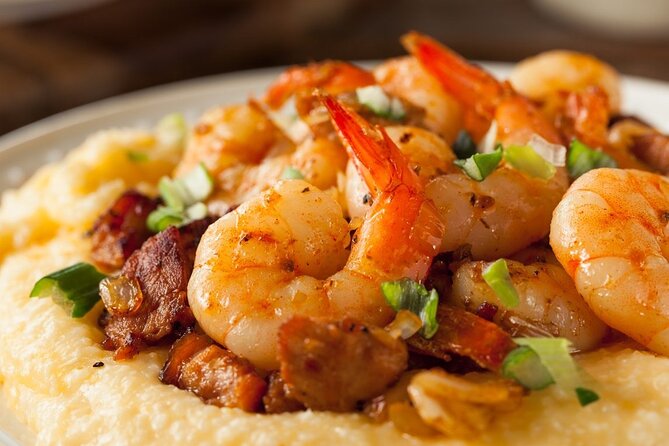
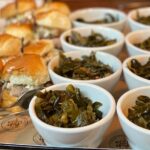
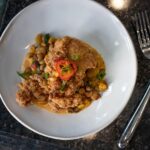
Across past groups, a few menu favorites show up often. She-crab soup is a standout mention, and it makes sense because it is a Charleston classic that is hard to ignore once you taste it. Another repeated theme is rice dishes, with references to Carolina Gold rice and also rice prepared in a style connected to African influences, including rice jollof. If you care about how ingredients travel and transform, rice is where you will feel the tour’s thesis.
You will also likely see something hearty and savory, such as pulled pork slider or a Carolina-style barbecue element. Dessert comes at the end of the tasting sequence, and the sweet finish gets called out as a highlight in multiple reports.
Two honest considerations for your expectations:
1) Do not lock your decision to any one specific dish based only on a promo photo. One disappointed group reported that shrimp and grits, shown in marketing imagery, was not on their tour.
2) Your specific tastings can vary, even if the tour format stays the same. If you have a must-have item, ask when you book what the lineup is for your date.
The overall vibe of these tastings is not a deep, slow food seminar. It is more like, eat, learn, connect, repeat. That can be perfect if you want a fun start to your trip, but it is not for people who want to spend 45 minutes per course.
How the route pacing works in a 2.5 hour walk
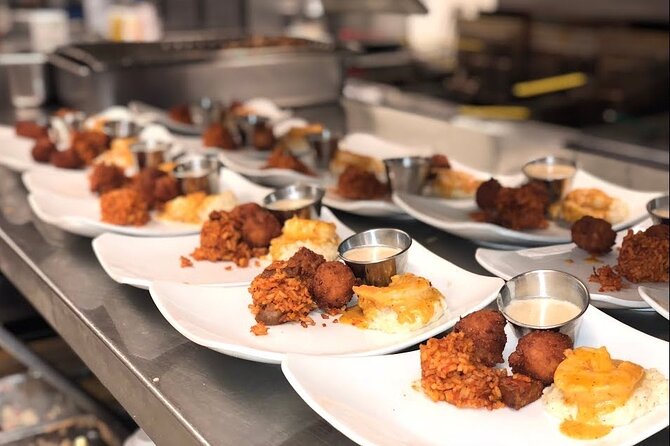
This tour is built to move. You hit landmark stops like Rainbow Row and the Pineapple Fountain, then you transition to the sit-down restaurant tastings. Each walking segment is short, and each tasting is timed so the group stays on schedule.
That is why some people call out the pace as fast. You will get history, but you will not have time to linger with a second drink or drift off to take your time with every bite. It is more eat-and-go with facts woven in.
The upside is that you will likely leave feeling like you saw a lot and ate a lot, without having to plan anything for the first half of your day. The downside is that if you want a relaxed, lingering pace, you may need to schedule free time before or after the tour so you can slow down later.
Also, this experience requires good weather. If it is miserable outside, plan for an alternate date or refund offered due to poor weather, as described in the tour information. The practical point for you: check forecasts the day before, and dress for walking.
For comfort, wear shoes you can stand in for a while. The walk is in the historic downtown area, so you will appreciate grippy soles. One positive note from past participants is that there are opportunities for a potty break.
Our remaining Food & Drink write-ups for Charleston

Who should book this Charleston food tour
This is a strong choice if you want three things at once:
- Food and history in the same outing
- A route that gets you oriented in Charleston’s historic downtown
- A meal-sized tasting experience with less waiting thanks to VIP-style access
You will probably like this tour if you are the type who enjoys learning the how and why behind dishes, not only the what. The French influence, African ingredient storytelling, and the pirate-era angle make the tour feel more like a narrative than a checklist.
You might want to skip or adjust expectations if you:
- Are looking for a slow, sit-long meal experience
- Have strict dietary needs that require more detailed menu certainty than a tasting tour can provide
- Care deeply about a specific dish such as shrimp and grits, since some parties have reported it missing on their tour date
Should you book this Charleston Historic Downtown Food Tour?
If your goal is to get a flavorful, story-driven introduction to Charleston in one morning or early afternoon block, I think this is a good pick. For $110, you are buying guided routing plus VIP help to reach sit-down tastings, and the tour is designed so the four restaurant stops add up to lunch.
I would book it if you like tasting classics like she-crab soup, enjoy rice-based Southern comfort, and want the cultural threads explained as you eat. I would be cautious if you need a specific menu item every time, because tastings can vary by date.
In plain terms: this tour is for people who want to leave fed, informed, and ready to explore Charleston’s food scene on the rest of the trip.
FAQ
How long is the Charleston Historic Downtown Food Tour?
It runs for about 2 hours 30 minutes.
What does the tour cost?
The price is $110.
Where do I meet the tour?
The meeting point is 195 E Bay St, Charleston, SC 29401.
Is lunch included?
Yes. The tour includes lunch-style food tastings at four different restaurant stops.
Are alcoholic beverages included?
No. Alcoholic beverages are not included, but you can purchase your own drinks at the venues if you want.
Do I get VIP access to restaurants?
Yes. The tour includes VIP access to some top restaurants, which helps you skip the lines.
How many people are on the tour?
The tour has a maximum of 15 travelers.
Is the tour suitable for young children?
Food is not included for children ages 0 to 6.
Is the tour affected by weather?
Yes. The experience requires good weather. If it is canceled due to poor weather, you are offered a different date or a full refund.
Can I cancel for a refund?
Yes, you can get a full refund with free cancellation if you cancel at least 24 hours in advance. If you cancel less than 24 hours before the start time, the amount paid is not refunded.
Historical Tours we have also been through in Charleston
- Charleston’s Old South Carriage Historic Horse & Carriage Tour★ 5.0 · 10,023 reviews
- Historic Charleston Guided Sightseeing Walking Tour★ 5.0 · 6,216 reviews
- Charleston Horse-Drawn Carriage Tour: Explore Historic Charleston★ 5.0 · 3,561 reviews
- Charleston Harbor History Day-Time or Sunset Boat Cruise★ 4.5 · 2,788 reviews
- Hidden Alleyways and Historic Sites Small-Group Walking Tour★ 5.0 · 2,335 reviews
Tours: the rest of the Charleston file
- Charleston’s Old South Carriage Historic Horse & Carriage Tour★ 5.0 · 10,023 reviews
- Historic Charleston Guided Sightseeing Walking Tour★ 5.0 · 6,216 reviews
- Haunted Evening Horse and Carriage Tour of Charleston★ 4.5 · 3,678 reviews
- Charleston Horse-Drawn Carriage Tour: Explore Historic Charleston★ 5.0 · 3,561 reviews
- Fort Sumter Admission and Self-Guided Tour with Roundtrip Ferry★ 4.5 · 3,343 reviews
Tour Reviews: more from our Charleston desk
- Charleston’s Old South Carriage Historic Horse & Carriage Tour★ 5.0 · 10,023 reviews
- Historic Charleston Guided Sightseeing Walking Tour★ 5.0 · 6,216 reviews
- Haunted Evening Horse and Carriage Tour of Charleston★ 4.5 · 3,678 reviews
- Charleston Horse-Drawn Carriage Tour: Explore Historic Charleston★ 5.0 · 3,561 reviews
- Fort Sumter Admission and Self-Guided Tour with Roundtrip Ferry★ 4.5 · 3,343 reviews
Newest Charleston reviews added to this site
- Paranormal Investigation: YOU are the Ghost Hunter
★ 5.0 · 310 reviews - Charleston History and Hops Tour: Bar and History Walk
★ 5.0 · 316 reviews - Middleton Place Admission with Self Guided Tour and Lunch
★ 4.5 · 326 reviews - Sip History in The Sun Cabana Covered Cocktail Class
★ 5.0 · 332 reviews - Private Daytime Horse-Drawn Carriage Tour of Charleston
★ 5.0 · 340 reviews - Charleston’s Historic Downtown Food Tour
★ 4.5 · 349 reviews - Charleston: History and Architecture Guided Walking Tour
★ 4.8 · 349 reviews - The Death and Depravity Ghost Tour in Charleston
★ 4.5 · 371 reviews - Charleston in a Nutshell Private Tours
★ 5.0 · 375 reviews - Charleston History Tour /
★ 5.0 · 388 reviews
Charleston Historic Tours, side by side.
 ★ 5.0Charleston’s Old South Carriage Historic Horse & Carriage TourFrom $5010,023 reviews
 ★ 5.0Historic Charleston Guided Sightseeing Walking TourFrom $306,216 reviews
 ★ 4.5Haunted Evening Horse and Carriage Tour of CharlestonFrom $503,678 reviews
 ★ 5.0Charleston Horse-Drawn Carriage Tour: Explore Historic CharlestonFrom $493,561 reviews
 ★ 4.5Ghosts of Charleston Night-Time Walking Tour with Unitarian Church GraveyardFrom $352,835 reviews
 ★ 4.5Charleston Harbor History Day-Time or Sunset Boat CruiseFrom $442,788 reviews
 ★ 5.0Highlights of Charleston Guided Walking Tour2,206 reviews
 ★ 5.0Charleston Eco Boat Cruise with stop at Morris Island Lighthouse2,111 reviews
This one is also listed in