
Review · CHARLESTON HISTORIC TOURS
Charleston: History and Architecture Guided Walking Tour
Charleston tells its story through alleys. I love how the expert guides turn architecture into real-world stories, with guides like Jeff, Emerson, Jackson, and Page drawing you in with answers and anecdotes. You also get secret alleys plus chances to step inside major sites like St Michael’s Church, the Old Exchange, and the Dock Street Theatre when access is available. The tradeoff is simple: you are on your feet for about 1 mile, rain or shine, and the tour is not listed as suitable for people with mobility impairments.
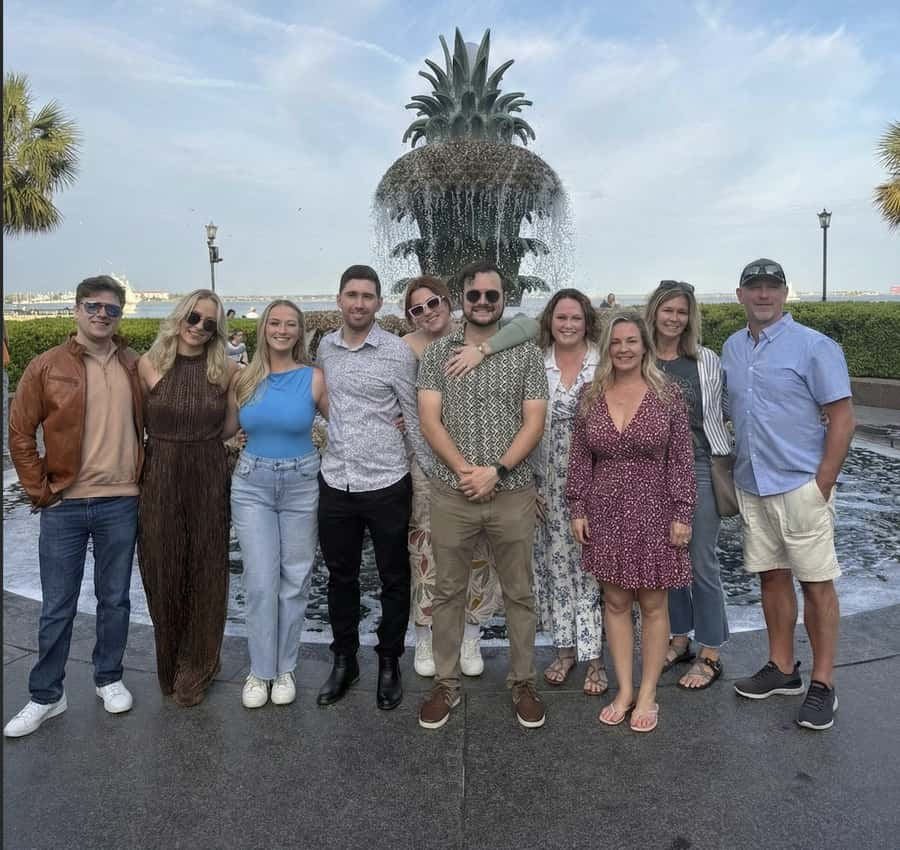
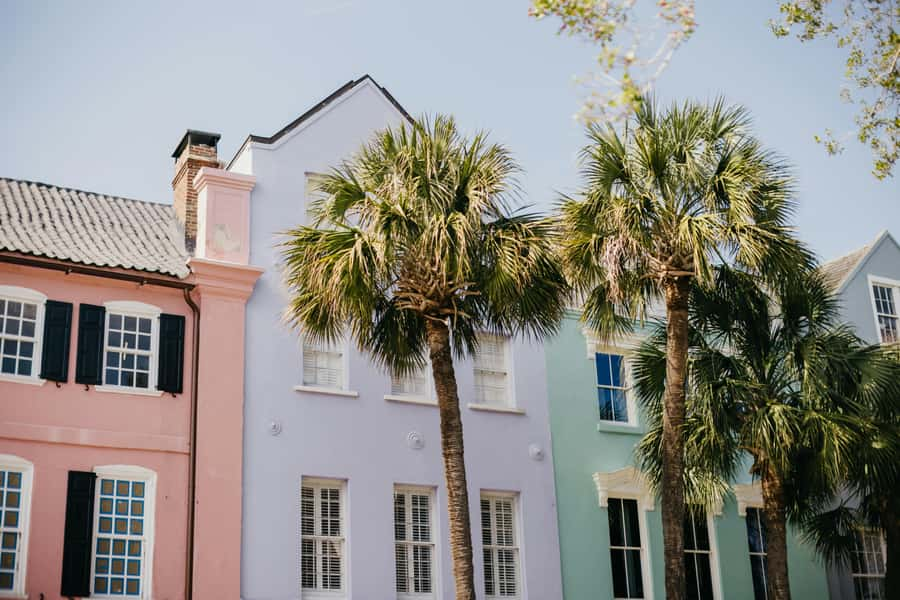
This guided walk focuses on Historic Downtown, moving through South of Broad and the French Quarter Districts where cobblestones, gates, and old facades do most of the talking. Expect a stop-and-look pace with frequent breaks, plus major photo stops like Rainbow Row and the famous Pineapple Fountain at the end.
For the price, this is one of those deals that makes sense if you want context, not just pretty streets. It runs about 90 minutes, and you meet under the awning in front of the Charleston Tours & Activities windows, with guides arriving about 15 minutes early.
In This Review
- Key highlights you will feel right away
- Starting Under the Charleston Tours Windows, and What 90 Minutes Really Means
- South of Broad and the French Quarter Districts, Plus Rainbow Row
- Three Secret Alleys and Centuries-Old Iron Gates
- St Michael’s Church Interior Access, and What to Watch For
- Old Exchange Building and Dock Street Theatre Interiors (When Available)
- City Market and St Philip’s Church, Then Finish at Pineapple Fountain
- Is $29 Good Value for 90 Minutes of Charleston Architecture?
- Who Should Book This Tour in Charleston?
- Should You Book This Charleston History and Architecture Guided Walking Tour?
- FAQ
- How long is the Charleston history and architecture walking tour?
- About how far do you walk?
- Where do I meet the guide?
- What major sights are included, and can I go inside buildings?
- Does the tour run in bad weather?
- Is it wheelchair accessible?
- What should I bring, and how does cancellation work?
Key highlights you will feel right away
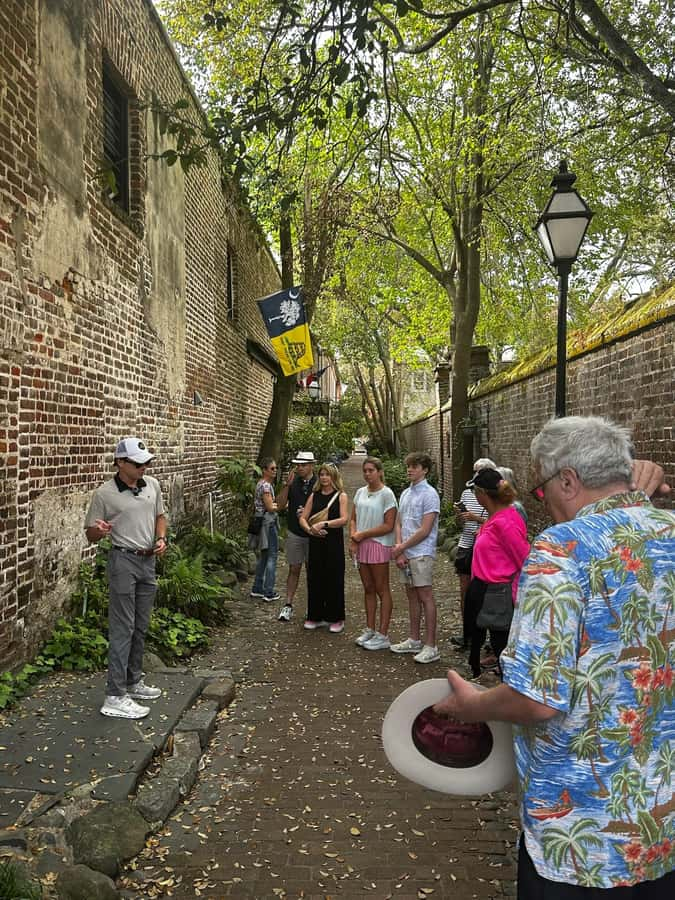
- Expert local storytelling from guides such as Jeff, Emerson, and Jackson, with time for questions
- Three secret alleys that show you Charleston details you would likely miss on your own
- Historic interiors when available, including St Michael’s Church, the Old Exchange Building, and Dock Street Theatre
- Wrought iron gates and gatework, a hands-on way to understand why these buildings look the way they do
- Classic downtown anchors like Rainbow Row, City Market, and St Philip’s Church
- A clear route finish at the Pineapple Fountain, after a walk of about 1 mile
Starting Under the Charleston Tours Windows, and What 90 Minutes Really Means
The tour starts in Historic Downtown, under the awning in front of the Charleston Tours & Activities windows (right near the company storefront windows). If you arrive early, give yourself a little patience, since the guides typically show up around 15 minutes ahead. Try to be there about 10 minutes early if you can, so you start with zero stress.
The total time is 90 minutes, and it is a leisurely stroll. You will cover about 1 mile, but the pace is slow on purpose, with frequent stops to let you look closely at ironwork, doorways, and street-level clues. If you hate waiting for crowds or prefer a fast “photo and go” routine, this may feel slower than you expect.
One practical point I really appreciate: it runs rain or shine and the guide keeps the pace steady. That means you should dress for weather you might not love, and wear shoes that handle damp sidewalks. Charleston is charming, but the ground can get slippery fast.
South of Broad and the French Quarter Districts, Plus Rainbow Row
From the start, the walk swings into the parts of downtown that most people think of when they picture Charleston: South of Broad and the French Quarter Districts. This is where the city’s street geometry matters. Narrow corridors, angled views, and block-to-block architecture make it hard to appreciate everything without someone pointing out what to notice.
Rainbow Row is a key moment on the route. You will see the row of colorful historic homes and get the kind of context that turns a “nice photo” into something you understand. Instead of treating the houses like a backdrop, the tour helps you connect style, materials, and the way Charleston developed over time.
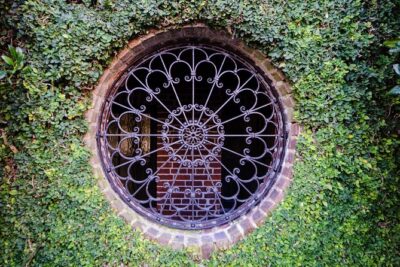
You will also see historic homes and buildings with beautiful iron work on centuries-old gates. That detail matters because it is not random decoration. Ironwork shows craftsmanship, but it also acts like a visual signature of property boundaries, social space, and the look the city chose to preserve.
One thing to keep in mind: you are walking through active downtown areas, so you will likely pass people shopping, dining, and photographing. That is part of the charm, but it also means you should be ready to slow down at intersections and near landmarks.
The rest of our Guided notes for Charleston

Three Secret Alleys and Centuries-Old Iron Gates
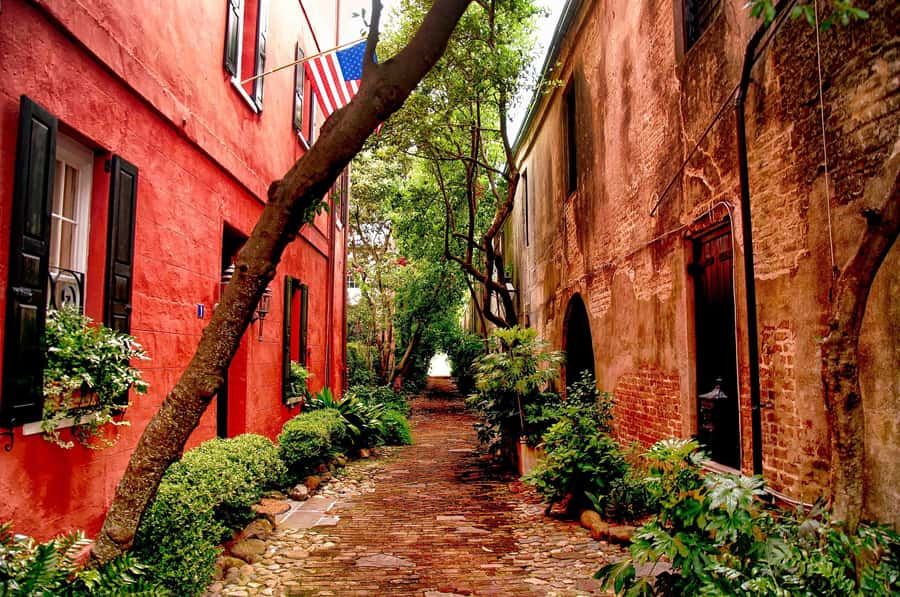
If you only did Charleston by main streets, you would miss a lot. This tour’s biggest “how did I not know about this?” component is the three hidden alley visits. These alleys give you that back-of-house feeling, but they also show how Charleston’s layout helped shape everyday life.
What I like here is that the alleys are not just a thrill stop. They are used as story tools. You get time to look at textures, gate placement, and how buildings face (or do not face) the street. That is where architecture becomes readable, even if you are not a design nerd.
The wrought iron gates and older entrance details add another layer. Guides on this tour are often praised for turning small visual cues into bigger explanations. People mention guides who point out fine details and answer questions without rushing. In the best moments, you start noticing iron patterns the way a guide can see them, like a language.
A real-world tip: alley stops usually mean you will be close to doorways and narrow corners. Keep an eye on footing and stay aware of where the group is turning. Comfortable, supportive shoes matter more here than in the open plazas.
St Michael’s Church Interior Access, and What to Watch For
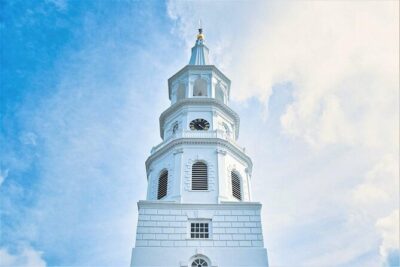
One of the tour’s stand-out features is the chance to go inside St Michael’s Church. Interior access is listed as included, subject to availability, so you should treat it as a priority moment, not a guarantee.
Church interiors in Charleston are more than pretty rooms. Even without inventing details, the value of an interior visit is that it gives you scale and purpose. You get a sense of how the building functions as a public landmark and how it fits into the city’s identity.
If you care about architecture, this stop is where the tour’s focus pays off. From the outside, you can admire a facade. Inside, you can appreciate the design choices that make the space feel built for community and ceremony.
Guides on this tour are frequently praised for storytelling that connects buildings to people and time periods. For example, Page has been mentioned for bringing the Gullah Geechee thread into the conversation, which can change the tone of how you interpret what you are standing in front of.
Timing-wise, expect that the interior part will come at a point where the group pauses to reset. If you are the type who loves asking questions, this is a smart time to do it, because you are not just looking outward.
Old Exchange Building and Dock Street Theatre Interiors (When Available)
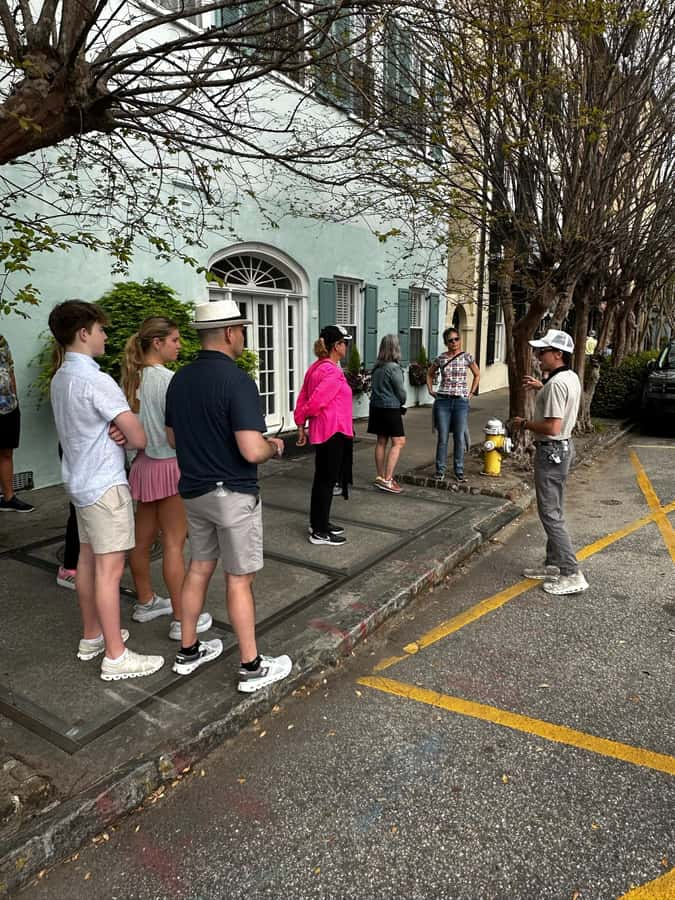
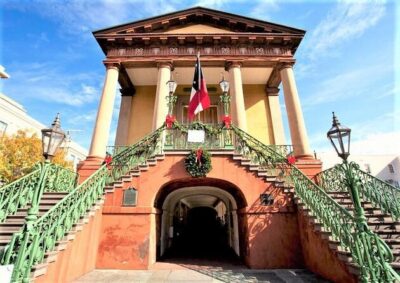
The tour also includes entrance to the Old Exchange Building and the Dock Street Theatre, again subject to availability. This is a big deal because both places are famous, and seeing their interiors can add a “how this place worked” layer that you would not get from street views alone.
The Old Exchange matters because it is tied to how downtown life functioned over time. Even if you are not a history buff, walking through a landmark like that with a guide can help you understand why Charleston looks the way it does: city life and commerce shaped buildings, and buildings shaped the street.
Dock Street Theatre gives you a different angle. You see how culture and performance connect to historic downtown, and how the city protects spaces where people gather. With an interior stop, you are not just ticking off a landmark name.
The key consideration is availability. Since entry is subject to conditions, bring an attitude of flexibility. If you cannot go inside one site on a given day, you still get plenty of exterior architecture, alleys, and other anchor stops, including Rainbow Row and City Market.
City Market and St Philip’s Church, Then Finish at Pineapple Fountain
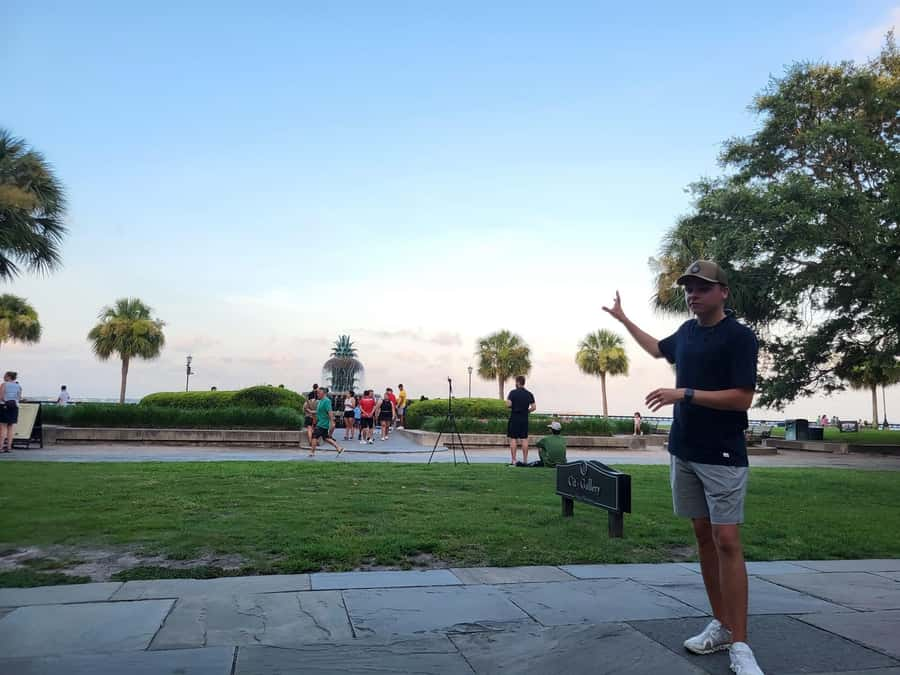
By the time you reach City Market and St Philip’s Church, the tour shifts into a more grounded downtown rhythm. City Market is a classic stop for a reason: it is where you see everyday Charleston energy up close. This works well on a walking tour because it breaks the architecture-focused stretches with something more human-scale.
St Philip’s Church is another landmark anchor on the route. A guided visit helps you connect the church to the surrounding streetscape and to why these places became central points in the city’s layout. Think of it as a “why here, why now” moment rather than a random monument stop.
Then you finish at the Pineapple Fountain, which is famous enough that you will recognize it immediately. Ending here is smart because it gives you a natural transition point. You can continue walking on your own, grab a bite nearby, or just use it as a marker to orient yourself for the rest of your day.
If you want to keep the momentum going after the tour, arrive with a plan. The route ends in a popular area, so you will be in a convenient spot for exploring other downtown streets.
Additional Walking Tours on the review pile in Charleston





Is $29 Good Value for 90 Minutes of Charleston Architecture?
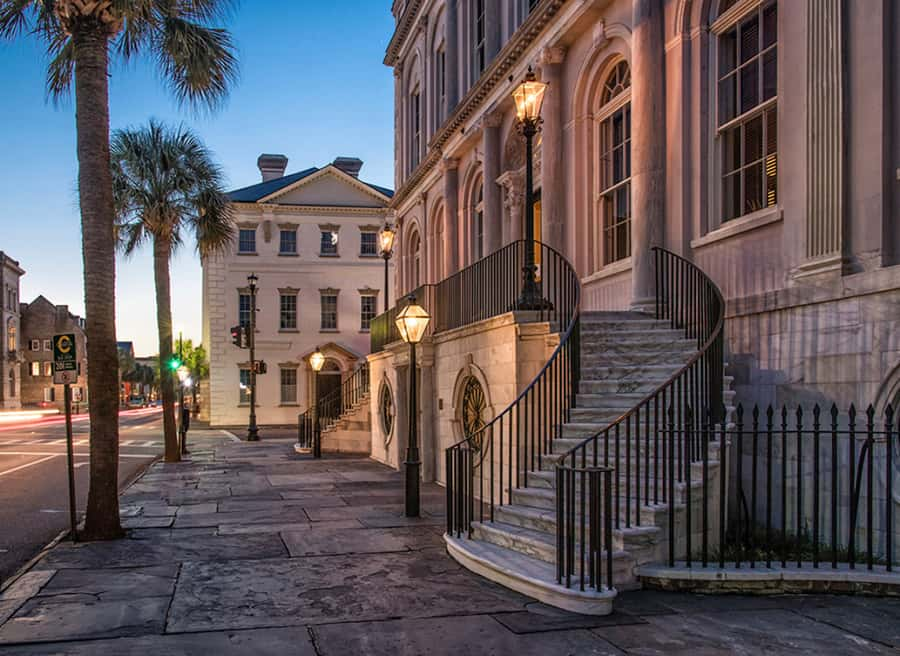
At $29 per person for about 90 minutes, this tour sits in the “worth it if you want context” category. If you enjoy architecture only as a visual hobby, you can do Charleston on your own for free, but you would miss the why behind the details.
This is where the guide quality becomes the value multiplier. The reviews you provided point to consistent strengths: guides like Jeff, Emerson, Jackson, and Page are repeatedly praised for storytelling, staying engaged, and answering questions. That is hard to guarantee in any city tour, and in this case it is part of the product.
Also, you are getting multiple “levels” of sightseeing. You have:
- exterior architecture through South of Broad and French Quarter Districts
- three alley visits that add variety and surprise
- interior entries at major landmarks when open
Even with the subject-to-availability caveat, that mix is more than a simple street walk.
One more value angle: the walk is about 1 mile at a leisurely pace with frequent stops. So you are not paying for constant motion, you are paying for time at points where it matters.
Who Should Book This Tour in Charleston?
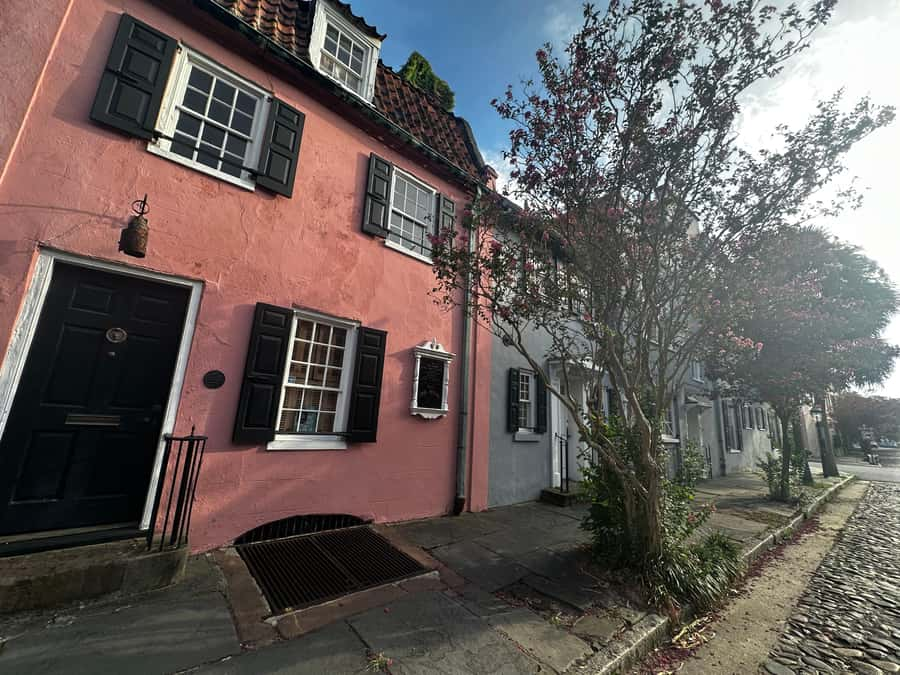
This tour is a strong fit if you want a fast introduction that is still detailed enough to feel meaningful. It is also a good choice when your group has mixed interests. Someone who cares about history will get plenty of story. Someone who cares about architecture will get more than a facade tour, thanks to alley access and ironwork details.
It is especially good for first-time Charleston visitors who want to understand the city’s design logic early. By the end, you have reference points you can use while exploring on your own later, starting from Rainbow Row and ending near the Pineapple Fountain.
If your schedule is tight, 90 minutes is manageable. If you hate walking or your mobility limits you, take the operator’s note seriously. The tour is listed as wheelchair accessible, but it is also explicitly described as not suitable for people with mobility impairments. If that describes you, I would recommend double-checking what the route involves before booking.
Should You Book This Charleston History and Architecture Guided Walking Tour?
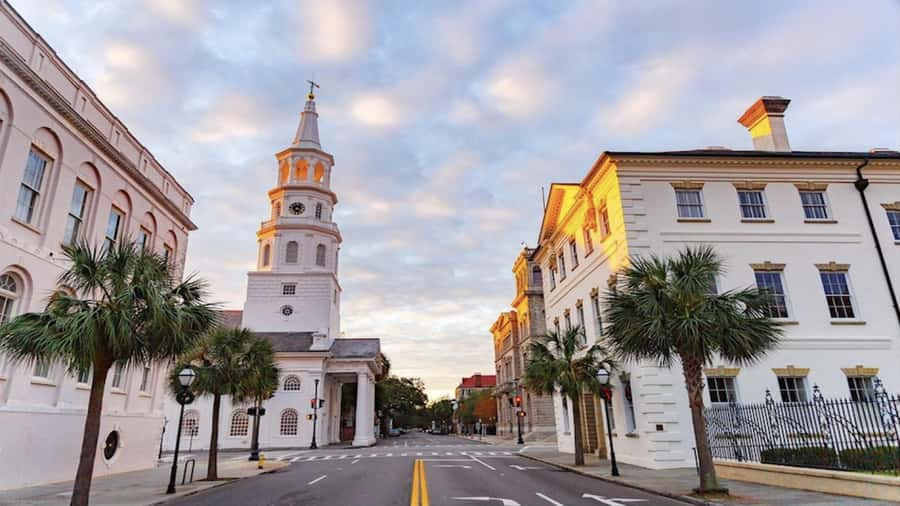
Book it if you want the “why” behind Charleston’s looks, plus access to secret alleys and interior landmarks when available. For $29 and about 1 mile of walking, it is a practical way to get oriented and learn how the city developed, not just what it looks like.
Skip it or rethink it if you want long sits, museum-style time, or zero walking. Also, if your comfort depends on avoiding rain and you cannot plan around weather, remember this runs rain or shine.
FAQ
How long is the Charleston history and architecture walking tour?
The tour lasts 90 minutes.
About how far do you walk?
It covers about 1 mile at a leisurely pace with frequent stops.
Where do I meet the guide?
You meet underneath the awning in front of the Charleston Tours & Activities windows. The coordinates are 32.7797147, -79.9273302.
What major sights are included, and can I go inside buildings?
The tour includes visits to historic sites such as St Michael’s Church, the Old Exchange Building, and the Dock Street Theatre (entrance is subject to availability). You also see highlights like Rainbow Row, City Market, and St Philip’s Church.
Does the tour run in bad weather?
Yes. The tour departs rain or shine.
Is it wheelchair accessible?
The tour is listed as wheelchair accessible, but it is also noted as not suitable for people with mobility impairments. If you have mobility concerns, it is worth checking directly before you book.
What should I bring, and how does cancellation work?
Wear comfortable shoes and bring weather-appropriate clothing. Free cancellation is available up to 24 hours in advance for a full refund, and the tour is guided in English.
Guided reviewed right across Charleston
- Historic Charleston Guided Sightseeing Walking Tour★ 5.0 · 6,216 reviews
- Fort Sumter Admission and Self-Guided Tour with Roundtrip Ferry★ 4.5 · 3,343 reviews
- Highlights of Charleston Guided Walking Tour★ 5.0 · 2,206 reviews
- Charleston Ghost & Graveyard Night-Time Guided Walking Tour★ 4.5 · 1,100 reviews
- 2-Hour Guided Kayak Eco Tour in Charleston★ 5.0 · 954 reviews
Tours: the rest of the Charleston file
- Charleston’s Old South Carriage Historic Horse & Carriage Tour★ 5.0 · 10,023 reviews
- Historic Charleston Guided Sightseeing Walking Tour★ 5.0 · 6,216 reviews
- Haunted Evening Horse and Carriage Tour of Charleston★ 4.5 · 3,678 reviews
- Charleston Horse-Drawn Carriage Tour: Explore Historic Charleston★ 5.0 · 3,561 reviews
- Fort Sumter Admission and Self-Guided Tour with Roundtrip Ferry★ 4.5 · 3,343 reviews
Tour Reviews: more from our Charleston desk
- Charleston’s Old South Carriage Historic Horse & Carriage Tour★ 5.0 · 10,023 reviews
- Historic Charleston Guided Sightseeing Walking Tour★ 5.0 · 6,216 reviews
- Haunted Evening Horse and Carriage Tour of Charleston★ 4.5 · 3,678 reviews
- Charleston Horse-Drawn Carriage Tour: Explore Historic Charleston★ 5.0 · 3,561 reviews
- Fort Sumter Admission and Self-Guided Tour with Roundtrip Ferry★ 4.5 · 3,343 reviews
Newest Charleston reviews added to this site
- Paranormal Investigation: YOU are the Ghost Hunter
★ 5.0 · 310 reviews - Charleston History and Hops Tour: Bar and History Walk
★ 5.0 · 316 reviews - Middleton Place Admission with Self Guided Tour and Lunch
★ 4.5 · 326 reviews - Sip History in The Sun Cabana Covered Cocktail Class
★ 5.0 · 332 reviews - Private Daytime Horse-Drawn Carriage Tour of Charleston
★ 5.0 · 340 reviews - Charleston’s Historic Downtown Food Tour
★ 4.5 · 349 reviews - Charleston: History and Architecture Guided Walking Tour
★ 4.8 · 349 reviews - The Death and Depravity Ghost Tour in Charleston
★ 4.5 · 371 reviews - Charleston in a Nutshell Private Tours
★ 5.0 · 375 reviews - Charleston History Tour /
★ 5.0 · 388 reviews
Charleston Historic Tours, side by side.
 ★ 5.0Charleston’s Old South Carriage Historic Horse & Carriage TourFrom $5010,023 reviews
 ★ 5.0Historic Charleston Guided Sightseeing Walking TourFrom $306,216 reviews
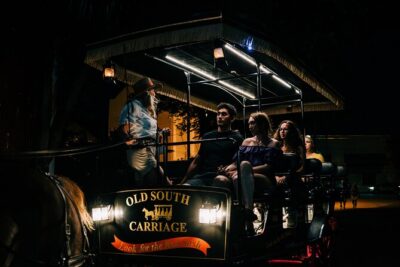 ★ 4.5Haunted Evening Horse and Carriage Tour of CharlestonFrom $503,678 reviews
 ★ 5.0Charleston Horse-Drawn Carriage Tour: Explore Historic CharlestonFrom $493,561 reviews
 ★ 4.5Ghosts of Charleston Night-Time Walking Tour with Unitarian Church GraveyardFrom $352,835 reviews
 ★ 4.5Charleston Harbor History Day-Time or Sunset Boat CruiseFrom $442,788 reviews
 ★ 5.0Highlights of Charleston Guided Walking Tour2,206 reviews
 ★ 5.0Charleston Eco Boat Cruise with stop at Morris Island Lighthouse2,111 reviews
This one is also listed in