
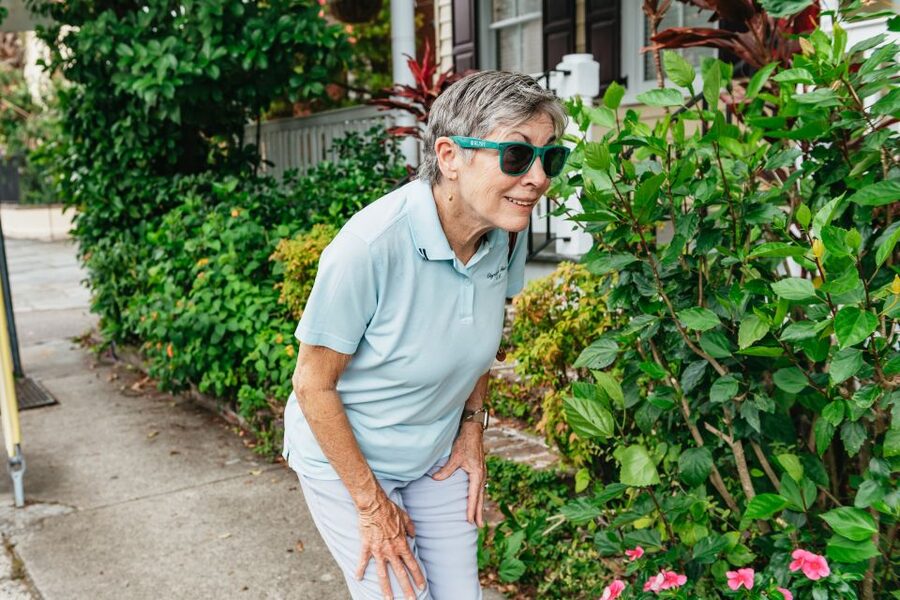
Review · CHARLESTON HISTORIC TOURS
Charleston: Old Walled City Historical Walking Tour
Charleston history starts at your feet. This old walled city walking tour turns cobblestones into a guided story, with a local perspective that explains why Charleston looks the way it does and how it survived dramatic turns. It is the kind of tour where a guide like Al or Bruce can make the past feel personal, not dusty.
I also love how the route mixes major photo-worthy sites with stops that add meaning. You’ll hit Rainbow Row, St. Michael’s Episcopal Church, the Old Exchange & Provost Dungeon, and Waterfront Park, plus smaller beats along the way where your guide points out details you’d miss on your own.
The main drawback to plan for is simple: it’s substantial walking in 2 hours, so you need comfortable shoes and you should expect a steady pace. One guest even wished the guide slowed down, so if you’re sensitive to fast talking, position yourself where you can clearly hear and ask questions early.
In This Review
- Key Highlights You’ll Actually Feel
- Why Charleston’s Walled Streets Make History Click Fast
- Meet Your Guide at Meeting Street and Chalmers, Then Start Asking Questions
- The French Quarter Stretch: Where the Tour Sets Its Storyline
- Dock Street Theatre: A Quick Stop With a Place in the City’s Pulse
- Old Exchange & Provost Dungeon: Power, Punishment, and a City Under Pressure
- Waterfront Park: Scenic Views, Then the Story Behind Them
- Rainbow Row: The Iconic Color Row With Meaning Under the Paint
- Heyward-Washington House: Quick Stop, Strong Explanations
- St. Michael’s Episcopal Church: When Symbols and Stories Feel Close-Up
- The Disaster Chapters: Fires, Hurricanes, Epidemics, Sieges, Bombardments, Earthquake
- Practicalities for the 2 Hours: Shoes, Water, and a Real Pace
- Price and Value: Why $30 Can Be a Smart First Morning
- Who This Walking Tour Fits Best (And Who Might Want Another Option)
- Final Call: Should You Book the Charleston Old Walled City Tour?
- FAQ
- How long is the Charleston Old Walled City Historical Walking Tour?
- How much does the tour cost?
- Where do I meet the guide?
- What language is the tour guide?
- Is this tour mostly walking?
- What should I bring?
- What are some key stops on the route?
- Does the tour focus only on early colonial times?
- Does the tour cover disasters and difficult events?
- Is there a cancellation option if plans change?
Key Highlights You’ll Actually Feel
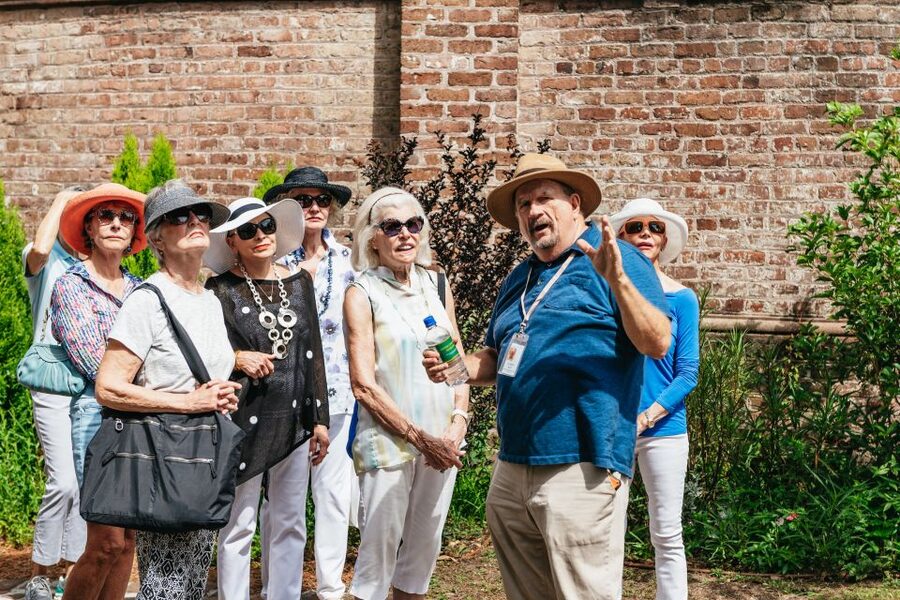
- Local, multi-generation storytelling from guides such as Al, Ed, Bruce, Eric, and Alfie
- Two hours that hit the essential walled-city sights without feeling scattered
- Big disaster chapters including seven major fires, hurricanes, epidemics, sieges, bombardments, and an earthquake
- Architecture and symbolism on the ground at churches and historic stops, not just street names
- Short, purposeful photo breaks that keep the walk moving
- A guide who handles heavy topics with care while still keeping the energy up
Why Charleston’s Walled Streets Make History Click Fast
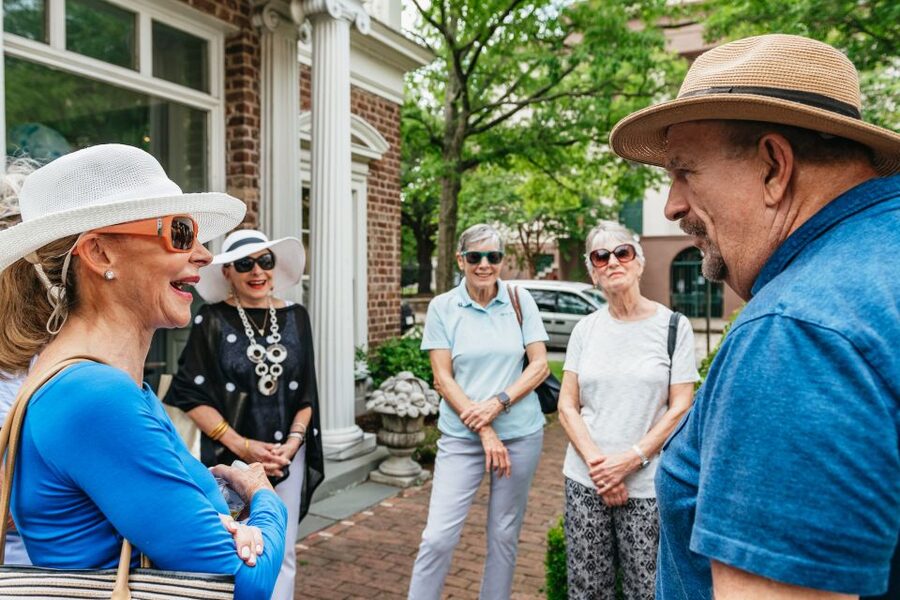
Charleston’s historic district has a layout that rewards walking. The streets feel enclosed by centuries of buildings, and that matters on a tour like this. When your guide says, in plain language, how the city grew, it’s easier to picture because you are physically moving through the spaces where those events played out.
This is also the only English, walled city in North America, and that detail isn’t trivia. It shapes how people thought about safety, trade, and power. As you walk, the tour keeps connecting back to what a walled city had to manage, from conflict and punishment to everyday life.
One more thing I like: the tour doesn’t treat Charleston as a museum. It frames the city as a living place that kept taking hits and adapting. That tone is why the disasters feel like real chapters, not random “fun facts.”
Meet Your Guide at Meeting Street and Chalmers, Then Start Asking Questions
The tour begins on the sidewalk at the corner of Meeting Street and Chalmers Street, on cobblestones. That’s a small detail, but it’s helpful. You’re not hunting for a meeting point in a maze, and you get oriented right away in the thick of the historic area.
From there, you’ll follow a local guide who brings two things again and again: enthusiasm and connections. Several guides are long-time Charleston residents, including 7th-generation locals, and that shows up in how they tell stories. Names you might hear attached to great guides include Al, Ed, Bruce, Eric, and Alfie. Guests repeatedly highlight the mix of humor, storytelling, and real local familiarity.
Practical tip for you: when the guide asks what you’re most interested in, answer. A few guides are known for tailoring the pace and angle to the group, which can make the whole walk feel less like a lecture and more like a conversation with an expert friend.
Also, the tour is in English, and it lasts about 2 hours. If you’re the type who likes to ask follow-up questions, the format works well. You’re stopping often enough that you can steer the discussion a bit without feeling like you’re slowing everyone down.
Additional Walking Tours on the review pile in Charleston

The French Quarter Stretch: Where the Tour Sets Its Storyline

The first major portion of the walk is in the French Quarter, with a generous stop window. Expect a photo moment, a sightseeing walk, and a steady stream of context about Charleston’s early days and how different groups shaped the city over time.
This part matters because it provides the backbone. You start hearing about colonial roots, the age of piracy and fast growth, and how Charleston later became tied to the rice economy. Even if you already know a bit of American history, having the guide place these themes on the exact streets you’re walking makes the bigger picture stick.
Another reason this segment is a highlight: you’ll pass storefronts, churches, and older homes built in different eras. The tour doesn’t just say what you are seeing. It explains why a building style showed up where it did, and what that says about wealth, trade, and local priorities.
Drawback to consider here: the French Quarter segment is long, so if you’re someone who needs frequent breaks, bring water early and plan your sunscreen application before the sun gets bold.
Dock Street Theatre: A Quick Stop With a Place in the City’s Pulse
Next comes a shorter stop at Dock Street Theatre. Even though the time here is brief, it’s rarely just a photo stop. Your guide typically uses these kinds of stops to connect architecture and location to what Charleston valued at different moments in its history.
Think of this as the tour’s “thread” segment. The walk is moving, but you’re also being reminded that Charleston’s story isn’t only about conflict. Cultural life, public buildings, and how people gathered all show up in the history too.
If you love history but also like variety, this is a nice pacing change after the longer early stretch.
Old Exchange & Provost Dungeon: Power, Punishment, and a City Under Pressure
At Old Exchange & Provost Dungeon, the tone likely turns heavier, and that’s intentional. This stop is a key piece of the city’s story because it sits at the intersection of commerce, authority, and control.
Your guide connects the site to Charleston’s complicated past, including events like sieges and bombardments. The goal is to help you understand how the city handled threats and how power systems operated when pressure rose.
One thing that stands out from how guides tend to handle this kind of stop: they don’t rush past the difficult bits. Guests note that guides are willing to address tough topics with honesty while still keeping the group comfortable and moving.
Practical tip: if you’re traveling with kids, this is one of those stops where you might want to gauge what they can handle. The walk overall can be thoughtful and sensitive, but the subject matter is real.
Waterfront Park: Scenic Views, Then the Story Behind Them
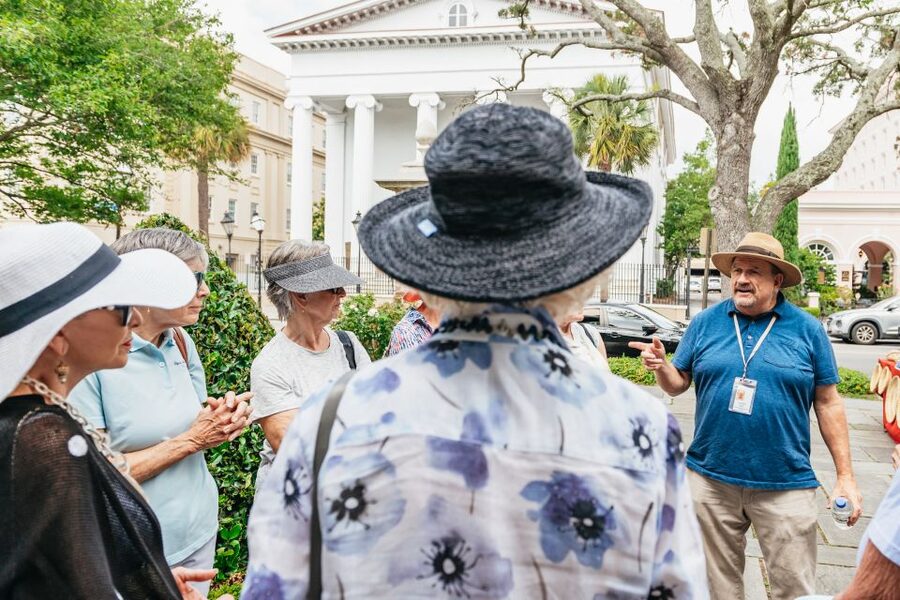
At Waterfront Park, you get both visuals and context. This is a smart stop because waterfront areas are where trade and risk often meet. The water is part of the city’s identity, but it also ties into how Charleston dealt with natural disasters and major shocks.
Your guide uses the views to reinforce how the city functioned. You’re not just looking at the harbor. You’re getting the “why this mattered” angle, especially when talking about hurricanes, epidemics, and fires that changed neighborhoods and routines.
Even if you don’t normally care about disasters in history, this stop helps you understand why they shaped the city’s layout and the habits of the people living there.
What else we logged under City Tours in Charleston




Rainbow Row: The Iconic Color Row With Meaning Under the Paint
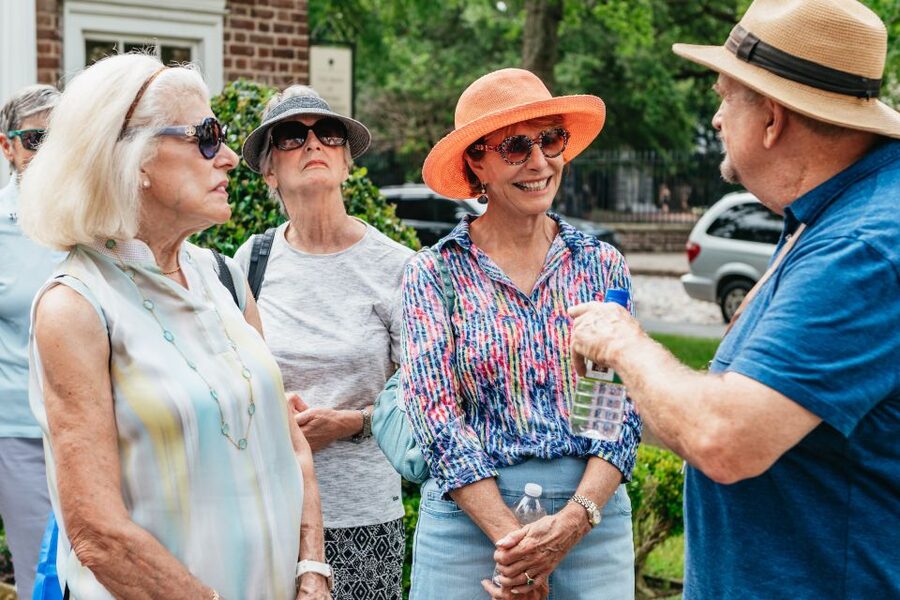
Then you reach Rainbow Row, with a short but very satisfying photo and sightseeing stop. Yes, it’s famous. But what makes it worthwhile on this tour is how it fits into the larger story.
Your guide ties the row of homes to Charleston’s growth periods and the rise of the rice planters. That connection helps you see the colorful facade as evidence of wealth, status, and changing eras, not just a picture background.
If you’re thinking, I’ve seen Rainbow Row on postcards, you’re not wrong. But a guided explanation changes the value of those photos. You start taking different shots, closer ones, and you notice details you’d otherwise blow past.
Tip: bring your best phone camera, but don’t let it slow the group. The tour keeps moving, and the guide builds in enough time to get the money shots.
Heyward-Washington House: Quick Stop, Strong Explanations
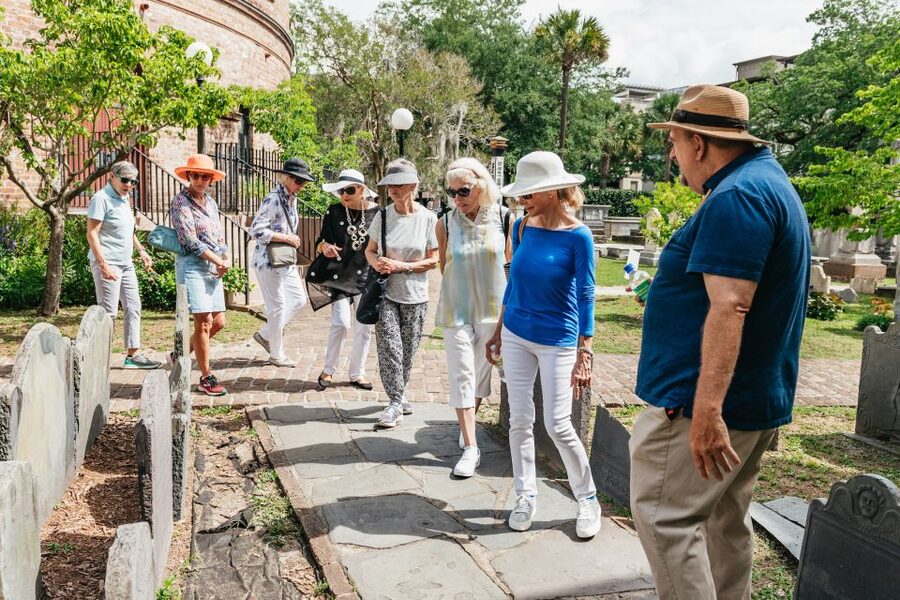
The Heyward-Washington House stop is short. That can be a good thing. In a 2-hour tour, you want moments that stay focused instead of running long.
Here, your guide helps you connect domestic architecture to the city’s shifting history. You’ll hear how daily life and public life overlapped, and how different periods left their fingerprints on buildings and neighborhoods.
This is also one of those points where a good guide will point out details you might not notice: proportions, materials, and the logic of the surrounding streets. Those small observations are what turn the whole walk from sightseeing into understanding.
St. Michael’s Episcopal Church: When Symbols and Stories Feel Close-Up
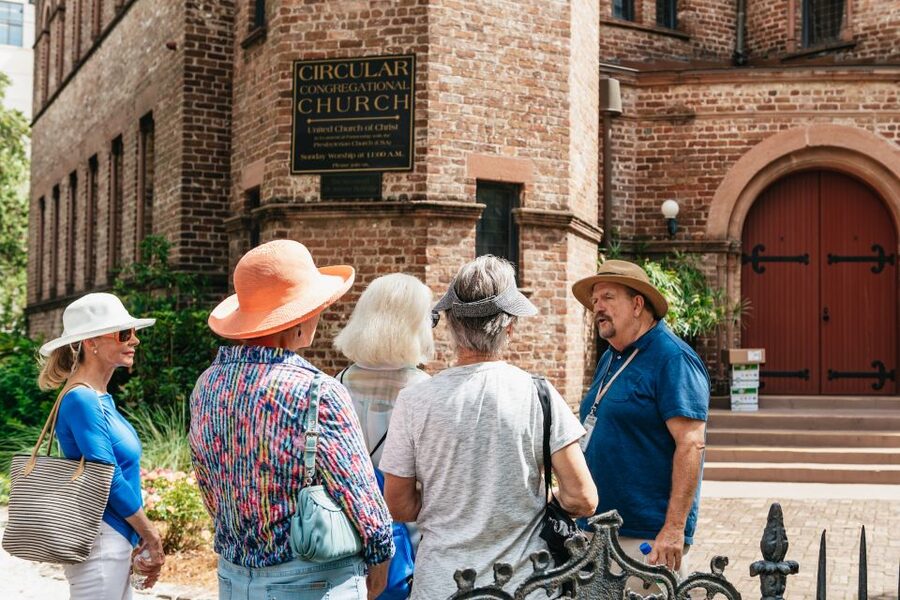
No matter where you stand in the historic district, St. Michael’s Episcopal Church is one of the emotional anchor points of Charleston. On this tour, it’s more than a landmark. It’s where the guide can bring together religion, community, and the lingering marks of history.
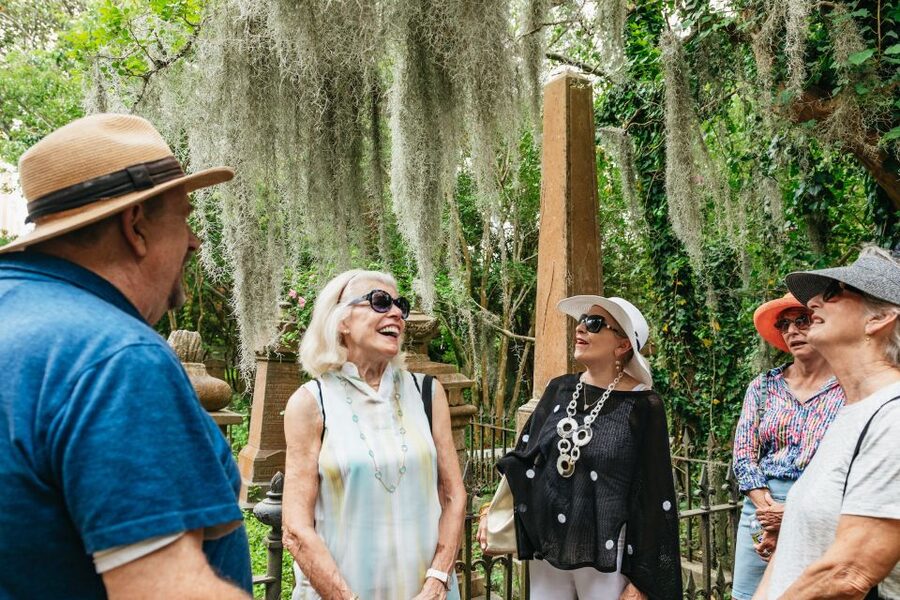
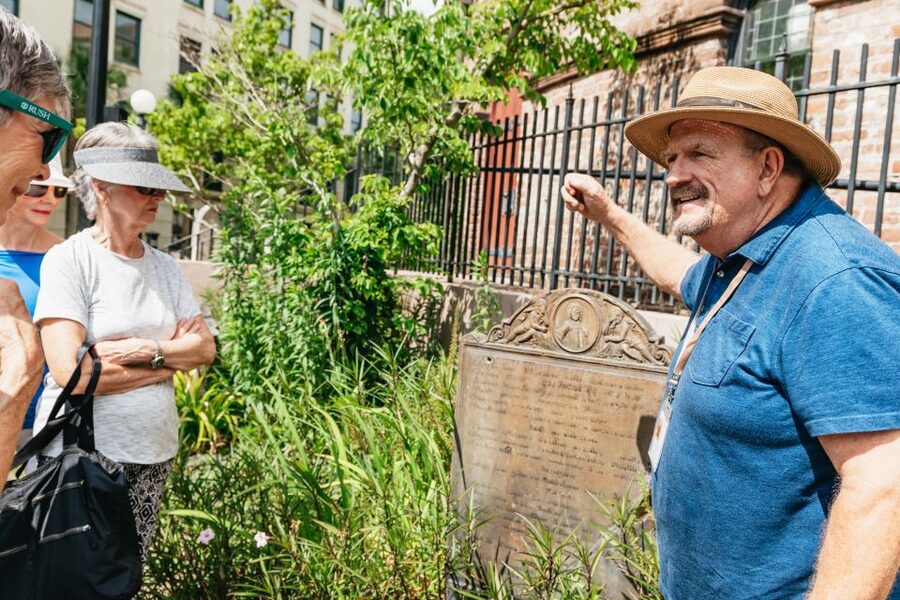
The tour explicitly includes discussion of tombstones and the symbols you can find there. That means you may learn to read what looks like decoration or pattern as part of a larger system of meaning connected to time, identity, or memory.
If you’ve ever walked past an old graveyard and felt like you needed a key, this stop acts like that key.
Expect your guide to connect the church area to the same theme the tour keeps returning to: how Charleston coped across eras, including fires and epidemics. The church setting makes those stories feel grounded instead of abstract.
The Disaster Chapters: Fires, Hurricanes, Epidemics, Sieges, Bombardments, Earthquake
One reason this walking tour gets praised is that it does not shy away from the hard chapters. Your guide walks you through a sweep of events that shaped Charleston again and again: seven major fires, hurricanes, epidemics, sieges and bombardments, plus a devastating earthquake.
Here’s why that matters for you. If all you do in Charleston is admire the architecture, you miss what those buildings had to survive. The tour helps you understand why certain areas developed the way they did, and why resilience became part of the city’s identity.
The best part is how your guide makes those events feel connected rather than random. Fires lead to rebuilding. Storms change safety and routines. Epidemics change how people live and gather. Conflict reshapes public life. It is a chain reaction story, told street by street.
Also, guides seem careful about tone. Guests highlight that the delivery is honest and sensitive. That’s important because Charleston history includes difficult topics, and you want a guide who can speak plainly without turning it into a shock show.
Practicalities for the 2 Hours: Shoes, Water, and a Real Pace
This tour is built around substantial walking. Two hours can sound easy until you’re on cobblestones under direct sun with a packed route. Plan for it like you plan for a hike, just a city-sized one.
Bring:
- Comfortable shoes you can stand and walk in for a while
- Water and a small plan for refilling if needed
- Sunscreen
- Weather-appropriate clothing
Pace note from real experience patterns: some guides talk fast because they have a lot to share. One guest wished a guide spoke slower, while others loved the energy and storytelling style. My advice is simple: arrive early enough to be relaxed, stand where you can hear well, and don’t be afraid to ask for repeat or clarification.
One more practical thing: this tour includes several photo stops of varying lengths. If you’re traveling as a couple or small group, you might split your attention between filming and listening. Try to keep one person listening while the other grabs photos, then switch. It makes the experience feel richer for both of you.
Price and Value: Why $30 Can Be a Smart First Morning
At $30 per person for about 2 hours, this tour can be a strong value if you’re using it like it’s meant to be used. This is not a slow “wander and guess” walk. It’s structured, guided, and focused on meaning.
If you self-walk the same area, you can absolutely see the landmarks. But you’ll miss:
- why the walled-city layout matters
- how major events connect to the streets and buildings
- the local stories and historical context that turn images into understanding
What you pay for is a trained guide who can keep the narrative moving while also handling the tough parts with care. Guests repeatedly praise guides for enthusiasm, humor, and the ability to make the city feel personal, especially when the guide is a long-time Charleston resident like Al, Bruce, or Alfie.
So I’d treat this as a “get your bearings fast” tour. If you book it early in your trip, you’ll likely enjoy the rest of your Charleston days more, because the city starts to make sense.
Who This Walking Tour Fits Best (And Who Might Want Another Option)
This is a great match if:
- you’re a first-timer who wants Charleston context quickly
- you love architecture and want to learn what building details mean
- you care about the full story, including disasters and survival
- you want a guide who brings personality, not just dates
It might be less ideal if:
- you dislike walking for 2 hours without many long breaks
- you struggle to hear fast-paced commentary and don’t want to ask for repetition
- you only want one or two famous landmarks, because the value is in the connections across multiple stops
If you’re traveling with kids, you can make it work. Some guides are known for adjusting the flow when families need it. But do choose this tour with the understanding that it covers serious historical topics.
Final Call: Should You Book the Charleston Old Walled City Tour?
If you want a smart first pass through Charleston that connects the iconic sights to the events that shaped them, this is an easy yes. For $30, you’re buying guided context for multiple landmark stops, plus storytelling that covers both triumphs and tragedies without losing momentum.
Book it if you’re comfortable walking and you’d enjoy hearing how a local community thinks about its past. Skip it if you want a more leisurely outing or if you need a very slow pace and quiet, because this is designed to cover ground in a tight window.
FAQ
How long is the Charleston Old Walled City Historical Walking Tour?
It lasts 2 hours.
How much does the tour cost?
The price is $30 per person.
Where do I meet the guide?
Meet on the sidewalk at the corner of Meeting Street and Chalmers Street.
What language is the tour guide?
The tour is in English.
Is this tour mostly walking?
Yes. It involves a substantial amount of walking.
What should I bring?
Bring comfortable shoes, sunscreen, and water, plus weather-appropriate clothing.
What are some key stops on the route?
Stops include the French Quarter, Dock Street Theatre, Old Exchange & Provost Dungeon, Waterfront Park, Rainbow Row, Heyward-Washington House, St. Michael’s Episcopal Church, and additional sightseeing around the historic area.
Does the tour focus only on early colonial times?
No. The tour covers colonial roots and also later chapters, including the age of piracy and the rise of the rice planters.
Does the tour cover disasters and difficult events?
Yes. The tour includes seven major fires, hurricanes, epidemics, sieges, bombardments, and a devastating earthquake.
Is there a cancellation option if plans change?
Yes. Free cancellation is available up to 24 hours in advance for a full refund.
Still working through Walking Tours in Charleston
- Historic Charleston Guided Sightseeing Walking Tour★ 5.0 · 6,216 reviews
- Ghosts of Charleston Night-Time Walking Tour with Unitarian Church Graveyard★ 4.5 · 2,835 reviews
- Hidden Alleyways and Historic Sites Small-Group Walking Tour★ 5.0 · 2,335 reviews
- Highlights of Charleston Guided Walking Tour★ 5.0 · 2,206 reviews
- Charleston Haunted Booze and Boos Ghost Walking Tour★ 5.0 · 1,569 reviews
Tours: the rest of the Charleston file
- Charleston’s Old South Carriage Historic Horse & Carriage Tour★ 5.0 · 10,023 reviews
- Historic Charleston Guided Sightseeing Walking Tour★ 5.0 · 6,216 reviews
- Haunted Evening Horse and Carriage Tour of Charleston★ 4.5 · 3,678 reviews
- Charleston Horse-Drawn Carriage Tour: Explore Historic Charleston★ 5.0 · 3,561 reviews
- Fort Sumter Admission and Self-Guided Tour with Roundtrip Ferry★ 4.5 · 3,343 reviews
Tour Reviews: more from our Charleston desk
- Charleston’s Old South Carriage Historic Horse & Carriage Tour★ 5.0 · 10,023 reviews
- Historic Charleston Guided Sightseeing Walking Tour★ 5.0 · 6,216 reviews
- Haunted Evening Horse and Carriage Tour of Charleston★ 4.5 · 3,678 reviews
- Charleston Horse-Drawn Carriage Tour: Explore Historic Charleston★ 5.0 · 3,561 reviews
- Fort Sumter Admission and Self-Guided Tour with Roundtrip Ferry★ 4.5 · 3,343 reviews
Newest Charleston reviews added to this site
- Paranormal Investigation: YOU are the Ghost Hunter
★ 5.0 · 310 reviews - Charleston History and Hops Tour: Bar and History Walk
★ 5.0 · 316 reviews - Middleton Place Admission with Self Guided Tour and Lunch
★ 4.5 · 326 reviews - Sip History in The Sun Cabana Covered Cocktail Class
★ 5.0 · 332 reviews - Private Daytime Horse-Drawn Carriage Tour of Charleston
★ 5.0 · 340 reviews - Charleston’s Historic Downtown Food Tour
★ 4.5 · 349 reviews - Charleston: History and Architecture Guided Walking Tour
★ 4.8 · 349 reviews - The Death and Depravity Ghost Tour in Charleston
★ 4.5 · 371 reviews - Charleston in a Nutshell Private Tours
★ 5.0 · 375 reviews - Charleston History Tour /
★ 5.0 · 388 reviews
Charleston Historic Tours, side by side.
 ★ 5.0Charleston’s Old South Carriage Historic Horse & Carriage TourFrom $5010,023 reviews
 ★ 5.0Historic Charleston Guided Sightseeing Walking TourFrom $306,216 reviews
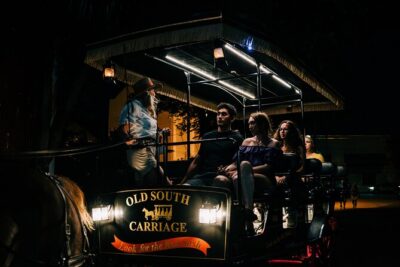 ★ 4.5Haunted Evening Horse and Carriage Tour of CharlestonFrom $503,678 reviews
 ★ 5.0Charleston Horse-Drawn Carriage Tour: Explore Historic CharlestonFrom $493,561 reviews
 ★ 4.5Ghosts of Charleston Night-Time Walking Tour with Unitarian Church GraveyardFrom $352,835 reviews
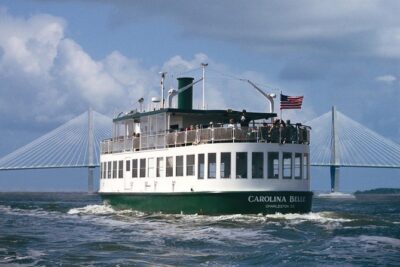 ★ 4.5Charleston Harbor History Day-Time or Sunset Boat CruiseFrom $442,788 reviews
 ★ 5.0Highlights of Charleston Guided Walking Tour2,206 reviews
 ★ 5.0Charleston Eco Boat Cruise with stop at Morris Island Lighthouse2,111 reviews
This one is also listed in