
Review · WALKING TOURS
True Crime NYC: Mafia Walk w/Ret. NYPD Detective and Local Food
Mafia stories hit different when the guide once worked cases. This 3 hour walk pairs a retired NYPD detective’s street-level crime history with real Italian food, including spaghetti and big cannoli stops along the way. I especially loved the on-the-street names and case context and the fact that the tour includes proper full-sized cannoli instead of the tiny tourist stuff. One possible drawback: the food is solid, but it is more of a light tasting plus dessert than a full “sit down” meal.
You start on the East Village side and end in Little Italy, so you get two neighborhood “mood shifts” without needing taxis. The group stays small, with a maximum of 35 people, and the tour runs in all weather, so you should plan for outdoor walking the whole time.
In This Review
- Key Things That Make This Mob Walk Worth Your Time
- East Village Start at 302 E 12th St, Plus Spaghetti With Old-School Mafia Energy
- The East Village Streets: Mob Hierarchies, Famous Names, and How the System Worked
- Second Avenue and Prohibition History: When City Law Changes the Rules
- Liz Christy Bowery Houston Community Garden: A Surprising Stop With Real Connections
- Mulberry Street Gambino Turf and John Gotti Connections
- Little Italy Finishes Strong: Full-Size Cannoli and a Proper Dolce Moment
- The Real Value of Paying $75.65 for a 3-Hour Walk
- What the Tour Covers Beyond Crime: The Sopranos Filming-Locations Bonus
- How the Group Size and Pace Affect Your Experience
- Practical Tips So You Enjoy Every Stop
- Who This Mob Walk Fits Best (And Who Might Prefer Another Plan)
- Should You Book the True Crime NYC Mafia Walk?
Key Things That Make This Mob Walk Worth Your Time
- Retired NYPD detective storytelling that focuses on how the city’s crime networks worked, not just famous headlines
- East Village to Little Italy route through old turf tied to major figures like John Gotti and Carlo Gambino
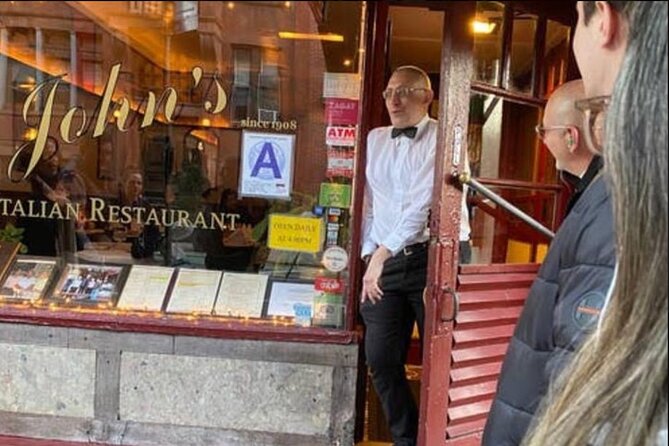
- A real spaghetti stop at a historic red sauce joint at 302 E 12th St, plus an Italian pastry finale
- Full-sized cannoli emphasis, with several long-running local shops featured instead of mini “token bites”
- TV filming locations from The Sopranos along the way, for pop culture bonus points
- All-weather format, so bring layers and expect the sidewalks to be your main soundtrack
East Village Start at 302 E 12th St, Plus Spaghetti With Old-School Mafia Energy
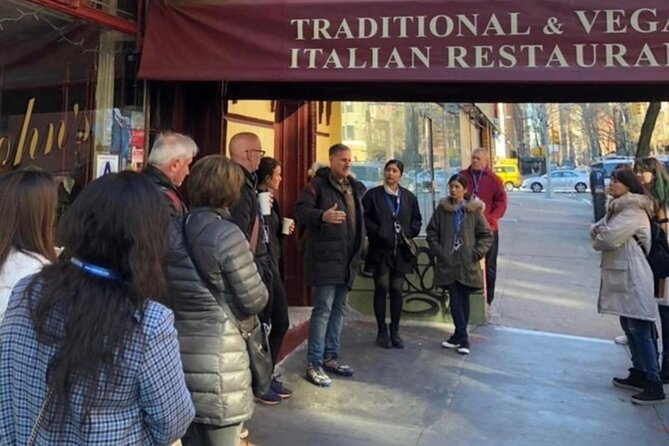
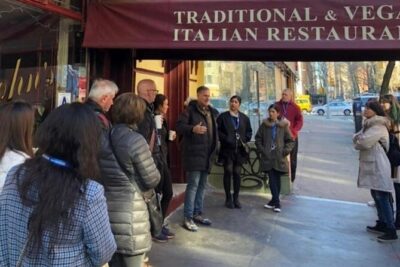
Your walk starts at 302 E 12th St. The tone is set fast. You’re in the kind of neighborhood where old New York still hangs in the air, and the guide uses that geography to explain how organized crime took root.
The first proper food moment is at a red sauce joint that the tour connects to Lucky Luciano’s era. You’ll get a spaghetti welcome right there, and the goal is not just feeding you. It’s using the restaurant atmosphere as a map marker, so the later street stories make more sense.
One of the things I like about this setup is that you’re not waiting around for “later food.” You’re already eating and listening, which keeps the whole pace calmer for a 3 hour walking plan.
Practical note: you will be outdoors between stops. Even if the first food stop is warm and cozy, dress like the rest of the day is walking, not lounging.
The East Village Streets: Mob Hierarchies, Famous Names, and How the System Worked

After the welcome spaghetti, the walk leans hard into structure. You learn the Mafia hierarchy, from foot soldiers to captains and up to the boss. That hierarchy matters because it turns mob history from a list of criminals into a system with roles, power, and incentives.
The guide also points out famous figures you’ll recognize, including Lucky Luciano, Joe Masseria, John Gotti (often linked to the nickname Teflon Don), and others like Vinny the Chin and Crazy Joe Gallo. Even when you know these names from pop culture, hearing them placed in the city’s streets helps you understand why certain areas mattered.
Expect the route to feel story-led. The guide connects each era to specific kinds of activity, like who ran what, how families competed, and how the neighborhood landscape shaped movement. It is not a “read from a book” tour. It’s built around explanation in walking time.
Also, you may hear names and anecdotes from guides like Frank and Dennis, who have been called out in reviews for being especially good at turning history into something you can picture. Dennis, in particular, has been described as having deep ties to Little Italy, and that kind of local perspective tends to sharpen the details.
Additional Walking Tours on the review pile in New York City

Second Avenue and Prohibition History: When City Law Changes the Rules
One of the smarter parts of this tour is how it adds context beyond the Mafia’s reputation for violence. As you walk along Second Avenue, you hear about Prohibition history and how that changed the economics of illegal alcohol and related rackets.
Prohibition is not just a background fact. It helps explain why crime organizations gained leverage in the first place. A guide who treats Prohibition as a turning point makes the later “family” talk feel grounded instead of vague.
I like this segment because it gives you a broader timeline. If all you hear is who was tough, you miss the “why now” story. Prohibition gives you the real reason the city’s underground networks became more profitable and organized.
And yes, the walking continues, so keep moving, keep your layers close, and don’t plan on needing long breaks.
Liz Christy Bowery Houston Community Garden: A Surprising Stop With Real Connections
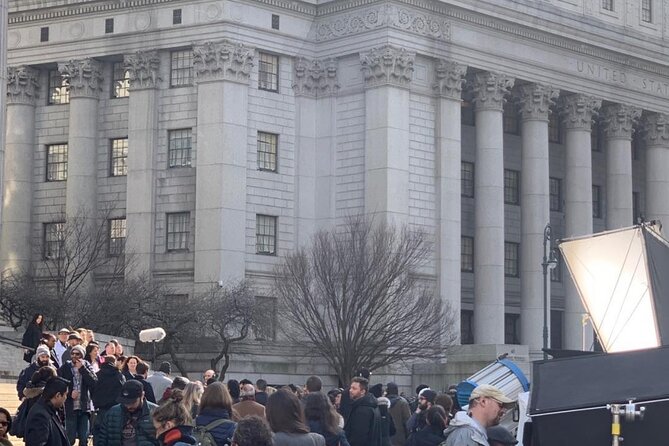
You also visit Liz Christy Bowery Houston Community Garden. This is one of those stops that makes the tour feel less like a straight line of crime photos and more like a living neighborhood story.
The guide connects the garden to New York Mafia ties. That might sound odd at first, but it actually works. You see how old New York neighborhoods have changed shapes over time, and you learn that crime history does not only live in museums. It lives in the repurposed spaces people still walk past every day.
If you like tours that blend crime history with city character, this garden stop is a nice pace shift. It is short, but it adds texture.
Mulberry Street Gambino Turf and John Gotti Connections
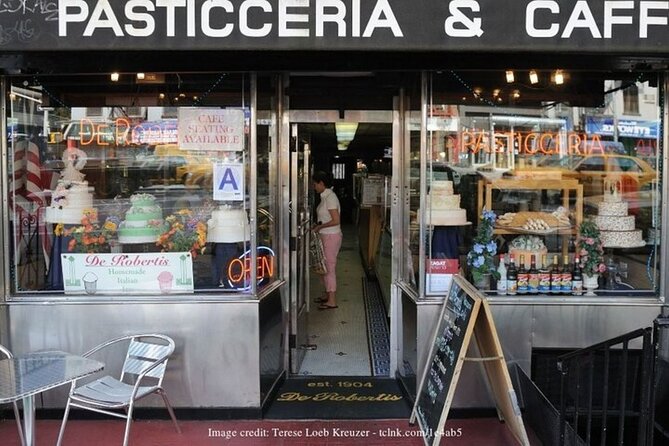
Mulberry Street is where the tour starts to focus on the Gambino crime family territory and the John Gotti story. The guide speaks to how Gotti’s family business operated out of a social club, and you get firsthand-style accounts tied to how these groups worked in the real world.
This is also where the tour’s “retired detective” angle is most useful. Instead of treating everything like legend, the guide frames it like investigation. You learn to pay attention to patterns: the locations where people gathered, the social side that made criminal business easier, and the way neighborhoods became operational hubs.
Some guides have shared personal ties to the neighborhood over time. For example, one guide has mentioned living in Little Italy through the shift from Carlo Gambino’s era to John Gotti’s. You may not get that exact personal detail on every tour, but the overall feel is consistent: the stories are anchored in place.
Little Italy Finishes Strong: Full-Size Cannoli and a Proper Dolce Moment

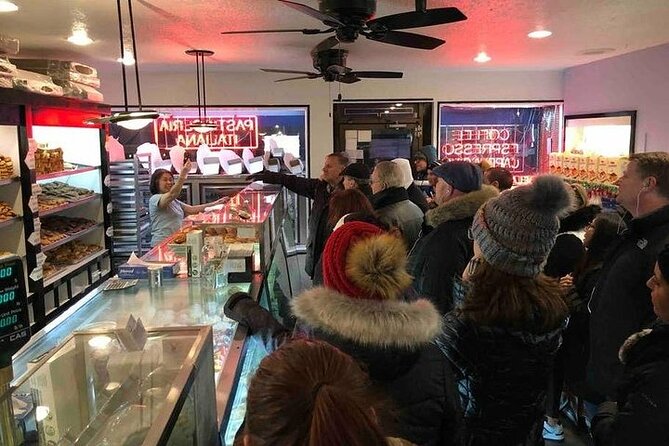
The tour ends in Little Italy, with dessert taking center stage. You get a Sicilian cannoli, described as a cream-filled dolce. The key detail here is size. This is not the mini “tour cannoli” that you see everywhere.
The tour uses well-known, long-running pastry options, including stops like La Bella Ferrara, which the tour frames as operating for almost 100 years, plus Sicilian-style cannoli at places described as established in the late 1800s, such as Caffe Roma Bakery (established 1891) in the tour’s food descriptions.
This finale is valuable for two reasons. First, it gives you a satisfying ending after hours on your feet. Second, it keeps the tour from feeling like only “information consumption.” You’re not leaving with just facts. You’re leaving with food you can actually taste and remember.
In short: after you’ve learned the names and the system, you close the loop with a classic Italian treat that feels like part of the neighborhood, not a chore.
Our remaining Food & Drink write-ups for New York City






The Real Value of Paying $75.65 for a 3-Hour Walk
Let’s talk price honestly. $75.65 for about 3 hours in NYC can feel steep if you compare it to a free walking loop you could do on your own. But this tour isn’t trying to be a DIY alternative.
You are paying for three specific things:
- A guide with retired NYPD background, sharing stories tied to criminal cases and how they were approached
- A guided route through dense, meaningful streets where the context matters
- Food included, including spaghetti plus full-sized cannoli stops and an Italian pastry element
Food costs add up in Manhattan fast. If you try to recreate this yourself, you’ll likely spend on lunch plus dessert anyway, and you still won’t get the explanation framework the guide provides.
That said, I’ll flag what can affect value for you. The food portion is more “treats plus a pasta meal” than a big restaurant lunch with multiple courses. One traveler felt the pasta portion was limited. If you’re the type who needs a heavy meal to be happy, plan for the fact that cannoli is the dessert focus, not a full multi-course Italian lunch.
If you are okay with that, the value lands well because the guide experience and the real neighborhood pacing make the time feel efficient.
What the Tour Covers Beyond Crime: The Sopranos Filming-Locations Bonus
There’s also a fun pop culture layer: filming locations from The Sopranos show up on the route. Even if you are not deep into the series, this helps you “see” the city in a different way.
The best kind of bonus content is the kind that doesn’t replace the core experience. Here, it supports it. You notice places more clearly, and the guide can connect TV impressions to the real geography of neighborhoods that inspired the stories.
This is one of those additions that makes the walk easier to enjoy even if you don’t know every historical name before you start.
How the Group Size and Pace Affect Your Experience
The tour runs with a maximum of 35 travelers. That size is large enough to meet multiple people, but small enough that your guide can keep the flow moving and respond when questions pop up.
The pace is a key factor. You are moving through multiple stops across East Village and Little Italy. The tour is marked as having a moderate physical fitness level, and it is not recommended if you have walking or leg conditions.
Also, it operates in all weather. That’s great for planning, but it also means you should treat the outing like a real walk. Layers, comfortable shoes, and a weather plan beat “fashionable” shoes every time in NYC.
Practical Tips So You Enjoy Every Stop
Here are the small things that will make your day smoother.
- Wear shoes you can walk in for hours. There are several stops, and you do not want blisters ruining the stories.
- Bring layers. Even in winter, you’ll warm up during movement but you’ll feel cold when you pause.
- Eat before you go if you’re the type who gets hungry easily, even though spaghetti and tastings are included.
- Have your mobile ticket ready on arrival so check-in stays quick.
- If you want the best experience, arrive with at least a basic curiosity about New York crime history. You do not need to memorize names, but it helps.
If you go in expecting “a story hour,” you’ll probably enjoy it more. It’s not just street spotting. It’s narrative built on place.
Who This Mob Walk Fits Best (And Who Might Prefer Another Plan)
This tour is a strong fit if you:
- like true crime stories tied to real geography
- want a retired NYPD guide rather than a generic script
- enjoy Italian food stops and want them included
- are curious about how Prohibition and neighborhood dynamics shaped organized crime
You might want to reconsider if:
- you cannot handle long outdoor walking
- you want a heavier meal than spaghetti plus cannoli and pastry
- you want purely historical museum-style content without the street-level “how it worked” explanation
If you’re traveling with a teen or a history curious adult, it can work well. Reviews also mention taking a 17-year-old and enjoying the mix of neighborhoods, names, and included food.
Should You Book the True Crime NYC Mafia Walk?
Book it if you want more than a generic “mob facts” stroll. The biggest reason to choose this one is the combination of retired NYPD perspective and the way the tour uses food stops as timing points for the stories.
If you’re picky about food, go in with the right expectation. You are getting spaghetti and full-sized cannoli, plus an Italian pastry moment, but it is not a huge multi-course lunch. That’s still enough for many people, and the cannoli finale is exactly the kind of ending that makes the 3 hours feel complete.
My final take: if you like true crime, appreciate local guides, and you want a Little Italy ending that’s actually worth waiting for, this is an easy yes. If you only want light walking plus a big meal, you may be happier choosing a food-focused outing instead.
Food & Drink: more we have covered in New York City
- NYC Bus Tour of Brooklyn, Bronx, Queens: Art, Food & Sports★ 5.0 · 3,805 reviews
- NYC: Chinatown & Little Italy Food Tour with 7 Flavorful Tastings★ 5.0 · 2,733 reviews
- Original NYC Guided Food Tour of Chinatown and Little Italy★ 5.0 · 2,194 reviews
- NYC: Greenwich Village Food Tour with 6 Locals Favorites Dishes★ 5.0 · 1,812 reviews
- Greenwich Village Walking and Food Tasting Tour★ 5.0 · 1,572 reviews
Still working through Walking Tours in New York City
- SoHo, Little Italy, and Chinatown Walking Tour in New York★ 5.0 · 3,153 reviews
- Secrets of Grand Central Station Walking Tour New York City★ 5.0 · 1,796 reviews
- Greenwich Village Walking and Food Tasting Tour★ 5.0 · 1,572 reviews
- Artistic, Alternative Greenwich Village Walking Tour★ 5.0 · 971 reviews
- Central Park Guided Walking Tour★ 5.0 · 774 reviews
Tour Reviews: more from our New York City desk
- NYC: SUMMIT One Vanderbilt Tickets★ 4.7 · 51,195 reviews
- NYC: Empire State Building Tickets – Observatory & Museum★ 4.7 · 25,757 reviews
- New York City: Statue of Liberty & Ellis Island with Ferry★ 4.6 · 18,683 reviews
- New York City: American Museum of Natural History Ticket★ 4.5 · 15,447 reviews
- Statue of Liberty and Ellis Island Tour: All Options★ 5.0 · 13,571 reviews
Newest New York City reviews added to this site
- NYC: Whitney Museum Ticket
★ 4.2 · 315 reviews - NYC: Manhattan & Statue of Liberty Cruise with Shuttle Bus
★ 4.6 · 316 reviews - 60-Minute Statue of Liberty Sightseeing Cruise
★ 3.0 · 317 reviews - True Crime New York: NYPD-Guided Mafia Walking Tour w/ Food
★ 4.6 · 318 reviews - New York City Cocoa and Carols Holiday Cruise
★ 4.5 · 318 reviews - Harlem Wednesday Morning Gospel Tour
★ 4.5 · 320 reviews - Central Park Bike Rental: Quality Bikes with Map, Helmet, Lock
★ 4.0 · 324 reviews - New York City Harlem Highlights w/ Gospel Concert & Transfer
★ 4.5 · 326 reviews - 9/11 Memorial Tour with Optional Museum and One World Access
★ 5.0 · 330 reviews - New York City Sunset Cruise on a Yacht
★ 5.0 · 331 reviews
Walking Tours, side by side.
 ★ 5.0History and Hauntings of Salem Guided Walking TourFrom $3614,564 reviews
 ★ 4.5New Orleans Premier Ghost, Voodoo and Vampire Walking TourFrom $2712,856 reviews
 ★ 5.0Little Havana Food and Walking Tour in MiamiFrom $698,882 reviews
 ★ 5.0Chicago: Gangsters and Ghosts Walking TourFrom $527,155 reviews
 ★ 5.0Boston: Freedom Trail History Small Group Walking TourFrom $356,450 reviews
 ★ 5.0Historic Charleston Guided Sightseeing Walking TourFrom $306,216 reviews
 ★ 5.0New Orleans Food Walking Tour of the French Quarter with Small-Group OptionFrom $756,118 reviews
 ★ 4.5St. Louis Cemetery No. 1 Official Walking TourFrom $253,941 reviews
This one is also listed in